Hardy Hibiscus (Hibiscus Moscheutos ‘Disco Belle Rosy Red’)
As a plant scientist specializing in horticulture, I’ve always found the hardy hibiscus (Hibiscus moscheutos ‘Disco Belle Rosy Red’) to be a fascinating.
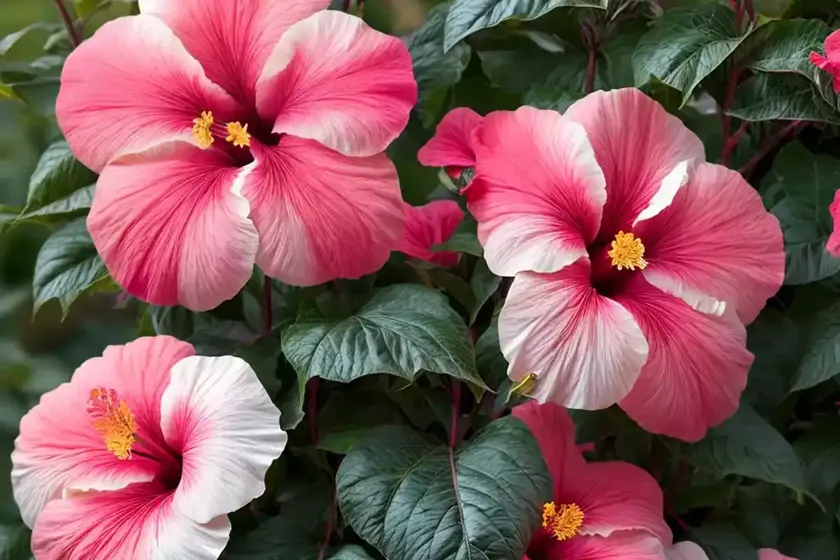
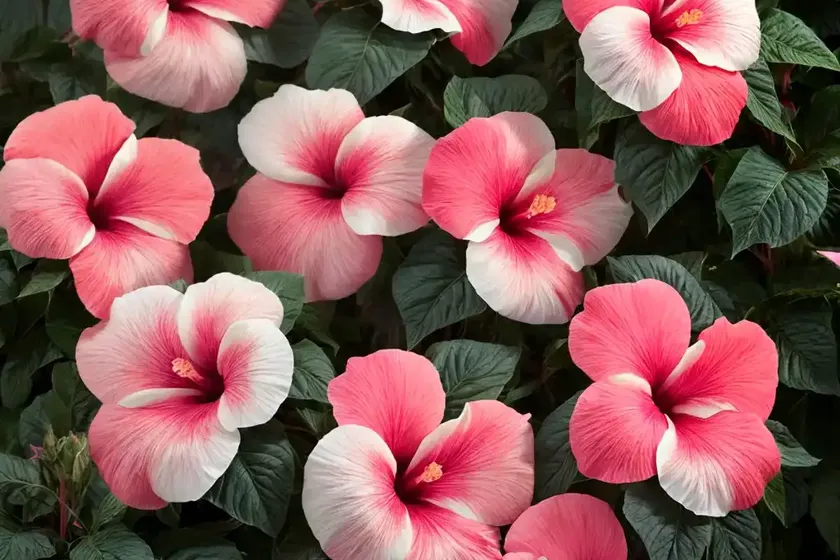
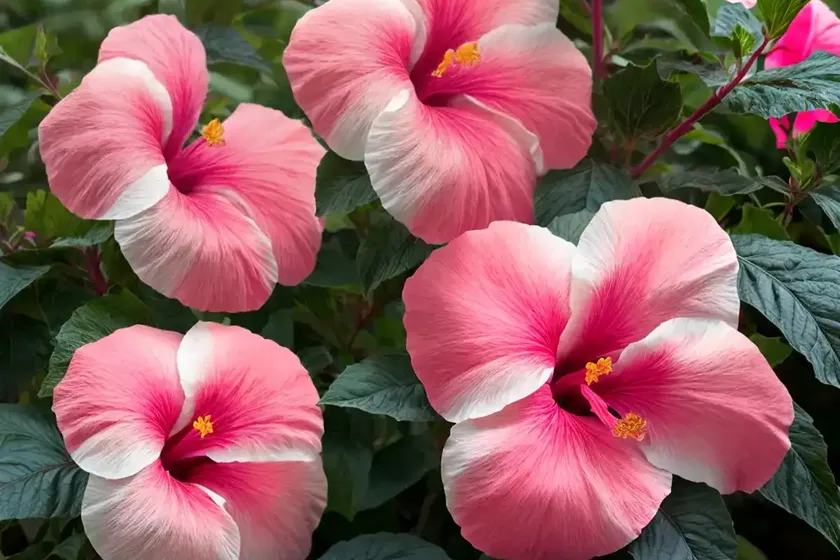
As a plant scientist specializing in horticulture, I’ve always found the hardy hibiscus (Hibiscus moscheutos ‘Disco Belle Rosy Red’) to be a fascinating and versatile plant. In this comprehensive guide, we will explore everything you need to know about this stunning plant, from its cultural requirements and uses to common pests and diseases, as well as tips for propagation and landscaping. Whether you’re an experienced gardener or just starting out, this article will provide valuable insights into the world of hardy hibiscus.
What is Plant: Hardy Hibiscus (Hibiscus moscheutos ‘Disco Belle Rosy Red’)
The hardy hibiscus, scientifically known as Hibiscus moscheutos ‘Disco Belle Rosy Red,’ is a member of the Malvaceae family and is native to wetlands and marshes in the United States. This perennial plant is known for its showy, hollyhock-like flowers that come in a variety of colors, including bright red, pink, white, and even bi-colored blooms. The ‘Disco Belle Rosy Red’ variety is particularly prized for its striking rosy red flowers, which can grow up to 10 inches in diameter, making it a captivating addition to any garden.
Key Takeaways – Hardy Hibiscus (Hibiscus moscheutos ‘Disco Belle Rosy Red’)
Culture
- Hardiness: Hardy hibiscus is known for its tolerance to cold temperatures, making it suitable for growing in USDA hardiness zones 4-9.
- Mature Size: This plant can reach a height of 3-4 feet and a spread of 3-4 feet, providing a substantial presence in the garden.
- Blooms: The ‘Disco Belle Rosy Red’ variety produces large, ruffled, rosy red flowers with deep red centers, adding a bold splash of color to the landscape.
- Deciduous Nature: Hardy hibiscus is a deciduous plant, meaning it sheds its leaves annually, but its stunning and long-lasting blooms compensate for its temporary leafless appearance.
Uses
- Landscape Ornamental: Hardy hibiscus is commonly used as a focal point in garden beds, borders, and mixed perennial plantings due to its large and eye-catching flowers.
- Pollinator Attraction: The nectar-rich flowers of hardy hibiscus attract bees, butterflies, and hummingbirds, making it an excellent addition to pollinator-friendly gardens.
- Cut Flower: The blossoms of the ‘Disco Belle Rosy Red’ variety are perfect for creating stunning cut flower arrangements, adding a touch of elegance to indoor spaces.
Water
- Watering Needs: Hardy hibiscus thrives in consistently moist soils. Regular watering during dry periods is essential, especially during the plant’s establishment phase.
- Water Conservation: While the plant enjoys moist conditions, it’s also essential to ensure that the soil has good drainage to prevent waterlogging, which can lead to root rot.
Sunlight
- Sun Requirements: Hardy hibiscus flourishes in full sun, meaning it requires a minimum of six hours of direct sunlight each day to produce abundant blooms and maintain a healthy growth habit.
Fertilizer
- Fertilization: An application of a balanced, slow-release fertilizer in early spring can promote vigorous growth and enhance the plant’s blooming capacity. Always follow the manufacturer’s recommended dosage for best results.
Soil
- Soil Type: Hardy hibiscus prefers fertile, well-draining soil with a slightly acidic to neutral pH level. Amending the soil with organic matter, such as compost or well-rotted manure, can improve its texture and fertility.
Pruning
- Pruning Techniques: Pruning is generally not necessary for hardy hibiscus, but removing spent flower heads can encourage the plant to produce additional blooms. In late winter or early spring, you can trim back any dead or damaged stems to promote new growth.
Propagation
- Propagation Methods: Hardy hibiscus can be propagated through both seeds and stem cuttings. Collecting and sowing seeds in the fall or taking semi-hardwood cuttings in late summer are effective ways to propagate new plants.
Container Popularity
- Container Gardening: Given its robust growth habit and striking blooms, hardy hibiscus is a popular choice for container gardening, allowing individuals with limited outdoor space to enjoy its beauty on patios, balconies, or decks.
Common Diseases
- Disease Prevention: While hardy hibiscus is generally resistant to diseases, it is susceptible to issues such as leaf spot and powdery mildew, especially in humid conditions. Proper cultural practices and good air circulation can help prevent these disease problems.
Disease Diagnosis
- Symptom Recognition: Identifying common signs of diseases, such as leaf discoloration, spots, or powdery coatings, can aid in diagnosing and addressing potential disease issues in hardy hibiscus.
Common Pests
- Pest Control: Aphids, whiteflies, and spider mites are among the common pests that can affect hardy hibiscus. Regular monitoring and prompt treatment with insecticidal soaps or horticultural oils can help control these pest populations.
Botanist’s Tips
- Overwintering: In colder climates, providing a layer of mulch around the base of the plant in late fall can help insulate the roots and protect the plant during winter.
Fun Facts
- Hybrid Varieties: The breeding of hardy hibiscus has led to the development of numerous hybrid varieties with various flower colors, sizes, and foliage characteristics, adding to the plant’s allure and diversity.
Links to External Resources
- National Gardening Association – Hardy Hibiscus
- The University of Florida IFAS Extension – Growing Hibiscus
Next, we will delve into the detailed care and maintenance aspects of hardy hibiscus, providing insights into its specific requirements for optimal growth and performance.
Hardy Hibiscus Care
Growing Conditions
The ‘Disco Belle Rosy Red’ variety of hardy hibiscus thrives in growing conditions that closely mimic its natural habitat. When properly cared for, this hardy perennial plant can bring years of beauty and enjoyment to your landscape. Here are the key factors to consider when providing ideal growing conditions for hardy hibiscus:
- Hardiness Zone: Hardy hibiscus is well-suited to USDA hardiness zones 4-9, where it can withstand colder temperatures and even brief periods of frost.
- Sunlight: Provide the plant with full sun, ensuring it receives at least six hours of direct sunlight daily. Insufficient sunlight can lead to reduced flower production and elongated, leggy growth.
- Soil Type: Plant the hardy hibiscus in fertile, well-draining soil with a slightly acidic to neutral pH level. Loamy soil enriched with organic matter provides an optimal growing medium for the plant.
Planting and Watering
When planting hardy hibiscus, ensure that the soil is consistently moist, especially during the establishment phase. Adequate watering is crucial for the plant to develop a strong root system and prepare for future growth and blooming. Once the plant is established, regular watering during dry periods is necessary to maintain its overall health and vigor.
Fertilization and Pruning
A balanced, slow-release fertilizer applied in early spring can provide the necessary nutrients to support the plant’s growth and flowering. Additionally, while hardy hibiscus generally does not require extensive pruning, removing spent flower heads can encourage the development of new blooms and maintain the plant’s attractive appearance.
Soil and Mulching
Amending the soil with organic matter, such as compost or well-rotted manure, can enhance its fertility and texture, ensuring optimal growing conditions for hardy hibiscus. In cold climates, a protective layer of mulch around the plant’s base can help insulate the roots and protect them from harsh winter conditions.
Hibiscus moscheutos ‘Disco Belle Rosy Red’
This unique variety of hardy hibiscus, known for its stunning rosy red flowers, holds a special place in the hearts of gardeners and horticultural enthusiasts. The ‘Disco Belle Rosy Red’ showcases the following distinctive features:
- Large, ruffled flowers with a vibrant rosy red coloration
- Deep red centers that add depth and visual interest to the blooms
- Robust growth habit with a mature height and spread of 3-4 feet
- Long-lasting blooms that continue to captivate throughout the flowering season
- Exceptional adaptability to various growing conditions and soil types
Popular Varieties of Hibiscus moscheutos
While the ‘Disco Belle Rosy Red’ variety of hibiscus moscheutos is renowned for its striking appearance, there are several other popular varieties that showcase a diverse range of colors and characteristics. These include:
- Luna Pink Swirl: Featuring delicate pink and white bicolor blooms that create a mesmerizing visual display
- Vintage Wine: Displaying deep wine-red flowers with prominent dark centers, adding a touch of elegance to the garden landscape
- Southern Belle: Showcasing large, pure white blossoms with a contrasting burgundy eye, creating a stunning focal point in any garden setting
- Midnight Marvel: Boasting deep, wine-colored foliage and large crimson blooms that attract attention and admiration
Hardy Hibiscus Garden Design
When incorporating hardy hibiscus, including the ‘Disco Belle Rosy Red’ variety, into garden designs, there are several factors to consider to maximize the visual impact and create harmonious landscapes. Here are some tips for integrating hardy hibiscus into garden designs:
- Focal Point: Use hardy hibiscus as a central focal point in garden beds or mixed perennial plantings to draw attention and create a captivating display of color and form.
- Companion Planting: Pair hardy hibiscus with other tall perennials and ornamental grasses to provide contrast and create dynamic visual interest in the garden.
- Color Coordination: Consider the color palette of the ‘Disco Belle Rosy Red’ variety and choose complementary plants that enhance its vibrant blooms, such as purple coneflowers (Echinacea purpurea) and ornamental grasses with deep green foliage.
The unique characteristics and adaptability of hardy hibiscus make it a valuable addition to various garden styles, from formal and cottage gardens to naturalistic and wildlife-friendly landscapes.
Tips for Hardy Hibiscus Planting
When planting hardy hibiscus, including the ‘Disco Belle Rosy Red’ variety, there are several best practices that can help ensure successful establishment and long-term growth. Consider the following tips for planting hardy hibiscus:
- Site Selection: Choose a location with well-draining soil and ample sunlight to provide the plant with the ideal growing conditions for robust growth and blooming.
- Spacing: Allow sufficient space between individual plants to accommodate their mature size, ensuring proper air circulation and preventing overcrowding in the garden bed.
- Watering: Provide consistent moisture to the newly planted hibiscus to support root development and mitigate transplant shock.
- Mulching: Apply a layer of organic mulch around the base of the plant to retain soil moisture, regulate temperature, and suppress weed growth.
- Support: If planting in exposed or windy locations, consider providing support, such as stakes or a gentle trellis, to prevent the plant from being damaged by strong winds.
By following these planting tips, you can create an optimal growing environment for hardy hibiscus and set the stage for a flourishing and visually stunning garden display.
Hibiscus moscheutos Propagation
For enthusiasts looking to propagate new hibiscus plants, the ‘Disco Belle Rosy Red’ variety can be successfully reproduced through various methods, including seeds and stem cuttings. Each propagation method offers unique advantages and considerations to ensure successful establishment and growth.
Propagation by Seeds
Propagating hardy hibiscus from seeds is a rewarding and cost-effective way to produce new plants. Here are the key steps involved in propagating hardy hibiscus from seeds:
- Seed Collection: Collect mature seeds from the ‘Disco Belle Rosy Red’ variety in the fall when seed pods have dried and turned brown.
- Seed Preparation: Remove the seeds from the pods and store them in a cool, dry location until the following spring.
- Sowing Seeds: In early spring, sow the seeds in a well-draining seed-starting mix, providing warmth and moisture to facilitate germination.
- Seedling Care: Once the seeds have germinated, care for the seedlings by providing ample sunlight and regular watering to support their growth and development.
Propagation by Stem Cuttings
Propagating hardy hibiscus from stem cuttings is an efficient and reliable method to produce genetically identical offspring of the parent plant. Here’s how to propagate hardy hibiscus from stem cuttings:
- Cutting Collection: Take 4-6 inch semi-hardwood stem cuttings from the current season’s growth in late summer or early fall.
- Cutting Preparation: Remove the lower leaves from the cuttings, dip the cut ends in a rooting hormone, and plant them in a well-draining rooting medium.
- Rooting Process: Keep the cuttings in a warm, humid environment and ensure the soil remains consistently moist to encourage root development.
- Transplanting: Once the cuttings have established a healthy root system, transplant them into individual containers or directly into the garden to continue their growth.
By employing these propagation methods, gardeners and horticultural enthusiasts can expand their collection of hardy hibiscus plants and share their love for these stunning and resilient species.
Best Soil for Hardy Hibiscus
Creating the ideal soil environment for hardy hibiscus, including the ‘Disco Belle Rosy Red’ variety, is crucial for promoting healthy growth, blooming, and overall plant vitality. The following qualities define the best soil for hardy hibiscus:
- Texture: Fertile, well-draining soil with a loamy texture provides an optimal growing medium for hardy hibiscus, allowing the roots to receive oxygen while retaining sufficient moisture.
- pH Level: Aim for a slightly acidic to neutral soil pH level (6.0-7.0) to establish an environment conducive to nutrient uptake and plant health.
- Organic Matter: Amending the soil with organic matter, such as compost, well-rotted manure, or leaf mold, enhances its fertility, improves soil structure, and supports beneficial soil organisms.
By addressing these soil requirements, gardeners can cultivate an environment that encourages the robust growth and flourishing blooms of hardy hibiscus.
Hardy Hibiscus Fertilization
Providing the right type and amount of fertilizer can significantly impact the growth, blooming, and overall performance of hardy hibiscus. Understanding the specific fertilization needs of the ‘Disco Belle Rosy Red’ variety is essential for promoting its health and visual appeal. When fertilizing hardy hibiscus:
- Timing: Apply a balanced, slow-release fertilizer in early spring, as the plant emerges from dormancy, to provide the necessary nutrients for vigorous growth and flowering.
- Dosage: Follow the manufacturer’s recommended dosage, as excessive fertilization can lead to excessive vegetative growth at the expense of flower production.
- Nutrient Balance: Choose a fertilizer that provides a balanced ratio of nitrogen (N), phosphorus (P), and potassium (K) to support overall plant health and blooming capacity.
By adhering to proper fertilization practices, gardeners can help ensure that hardy hibiscus, including the ‘Disco Belle Rosy Red’ variety, thrives and continues to dazzle with its abundant and vibrant flowers.
Hibiscus moscheutos Pruning Techniques
While hardy hibiscus generally requires minimal pruning, there are specific techniques that can enhance its appearance, encourage additional flowering, and maintain its overall health. Here are the key pruning techniques for hibiscus moscheutos, including the ‘Disco Belle Rosy Red’ variety:
- Deadheading: Remove spent flower heads by cutting them back to a point just above a set of healthy, outward-facing buds. Deadheading encourages the plant to produce new blooms, extending the flowering period.
- Thinning: In late winter or early spring, inspect the plant for any damaged, diseased, or infested stems and remove them to promote new growth and maintain an open, healthy canopy.
- Shaping: If necessary, lightly shape the plant by pruning back any overly vigorous or wayward growth to maintain a balanced and attractive growth habit.
By employing these pruning techniques, gardeners can help ensure that hardy hibiscus remains visually appealing, healthy, and productive throughout the growing season.
Hardy Hibiscus Watering Needs
Meeting the watering needs of hardy hibiscus, including the ‘Disco Belle Rosy Red’ variety, is essential for supporting its growth, blooming, and overall performance in the garden. Understanding the specific watering requirements of this species can help prevent moisture-related issues and promote plant health. When watering hardy hibiscus:
- Consistent Moisture: Provide consistently moist soil conditions during the plant’s establishment phase and throughout the growing season, particularly during dry periods.
- Avoid Waterlogging: While hardy hibiscus enjoys moist soil, it’s crucial to prevent waterlogging by ensuring proper soil drainage and avoiding standing water, which can lead to root rot and other issues.
By carefully managing the watering regimen for hardy hibiscus, gardeners can create an environment that fosters healthy growth, robust blooming, and an overall flourishing appearance.
Hibiscus moscheutos Disease Prevention
Protecting hardy hibiscus from potential disease issues is vital for promoting its longevity, visual appeal, and overall health. By implementing proactive measures and good cultural practices, gardeners can reduce the risk of disease and maintain the plant’s vigor. Consider the following disease prevention strategies for hibiscus moscheutos:
- Good Air Circulation: Ensure adequate spacing between plants and proper ventilation to minimize humidity levels and discourage the development of fungal diseases, such as leaf spot and powdery mildew.
- Healthy Soil: Provide well-draining, fertile soil with optimal levels of moisture and avoid overwatering, which can create conditions conducive to soil-borne diseases.
- Sanitation: Remove and dispose of any diseased or fallen plant material to prevent the spread of pathogens and reduce the risk of future disease outbreaks.
By incorporating these disease prevention practices, gardeners can help safeguard hardy hibiscus against common ailments and enjoy an attractive and thriving garden display.
Hardy Hibiscus Companion Plants
Selecting compatible companion plants to grow alongside hardy hibiscus can enhance the visual impact of the garden, support beneficial wildlife, and create a harmonious planting scheme. When choosing companion plants for hardy hibiscus, including the ‘Disco Belle Rosy Red’ variety,


