Hamamelis x intermedia ‘Aphrodite’ (Witch Hazel): A Comprehensive Guide
Plants are a remarkable component of the natural world, serving aesthetic, environmental, and practical purposes. As a plant scientist, I have always been fascinated by the diversity and characteristics of various plant species. In this blog post, I will be delving into the intricate details of a particular plant, the Hamamelis x intermedia ‘Aphrodite’ or commonly known as Witch Hazel. This unique plant has garnered attention for its intriguing characteristics, varied uses, and its significance in horticulture and landscaping. Throughout this insightful article, I aim to provide an in-depth exploration of the Hamamelis x intermedia ‘Aphrodite’ plant, presenting its cultural requirements, uses, care, and maintenance.
What is “Hamamelis x intermedia ‘Aphrodite’ (Witch Hazel)”?
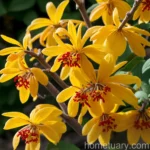
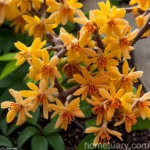
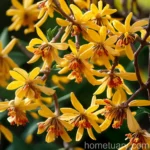
The Hamamelis x intermedia ‘Aphrodite’, commonly referred to as Witch Hazel, is a captivating deciduous shrub known for its stunning and fragrant flowers. Belonging to the Hamamelidaceae family, this plant is a result of a cross between Hamamelis japonica and Hamamelis mollis. This hybrid shrub is celebrated for its vibrant floral displays, particularly during the winter and early spring, thus adding a touch of color and life to the colder months.
Key Takeaways – Hamamelis x intermedia ‘Aphrodite’ (Witch Hazel)
Before we delve into the specific details of Hamamelis x intermedia ‘Aphrodite’, let’s take a look at the key takeaways associated with this plant:
Culture
- Witch Hazel is renowned for its cultural significance, often used in traditional medicine and skincare products due to its therapeutic properties.
Uses
- The plant is utilized in various capacities, including medicinal applications, ornamental garden features, and landscape designs.
Water
- Understanding the water requirements of Witch Hazel is crucial for maintaining its health and vigor, particularly during dry periods and when establishing the plant.
Sunlight
- Witch Hazel thrives in partial shade to full sun, making it a versatile option for a range of garden environments.
Fertilizer
- Proper fertilization can significantly impact the growth and blooming of Witch Hazel, requiring a balanced and well-timed approach.
Soil
- The soil composition plays a vital role in the overall health and development of the plant, with well-drained and slightly acidic soil being ideal for Witch Hazel.
Pruning
- Pruning techniques and timing are essential for shaping the plant, promoting air circulation, and ensuring the continuous growth of healthy stems and branches.
Propagation
- Understanding the various methods of propagating Witch Hazel, including seeds, cuttings, and layering, is essential for expanding its presence in the garden.
Container Popularity
- Witch Hazel’s versatility enables it to thrive in containers, making it a popular choice for individuals with limited garden space or those seeking a potted plant option.
Container Common Diseases
- An understanding of common diseases that can affect Witch Hazel in container environments is crucial for implementing effective disease management strategies.
Disease Diagnosis
- Recognizing the symptoms and signs of diseases that impact Witch Hazel is pivotal for early intervention and successful treatment.
Common Pests
- Identifying and addressing common pests that may affect Witch Hazel is crucial for maintaining the plant’s health and appearance.
Now that a comprehensive overview of the key takeaways related to Hamamelis x intermedia ‘Aphrodite’ has been established, it’s time to delve deeper into the intricate details of this remarkable plant.
Botanist’s Tips
As a plant scientist, it is imperative to share valuable insights and expert tips for cultivating and caring for Hamamelis x intermedia ‘Aphrodite’. Ensuring the optimal growth, health, and blooming of this beautiful shrub requires a deep understanding of its characteristics and requirements. Here are some essential botanist’s tips for enthusiasts and horticulturists looking to embrace the allure of Witch Hazel:
-
Understanding Growth Habits: Hamamelis x intermedia ‘Aphrodite’ exhibits a graceful and spreading growth habit, often developing into a multi-stemmed shrub. This characteristic is essential to consider when planning its placement in the landscape.
-
Soil Requirements: The plant thrives in well-drained, slightly acidic soil, emphasizing the significance of soil composition for its overall health. Ensuring proper soil conditions will contribute to its vigor and vitality.
-
Watering Needs: While Witch Hazel displays a degree of drought tolerance once established, consistent and adequate water supply, especially during dry periods, is essential for encouraging healthy growth and blooming.
-
Sun Exposure: The plant flourishes in partial shade to full sun, showcasing its adaptability to a range of light conditions. Understanding the optimal sun exposure for Witch Hazel in a specific garden setting is paramount for its thriving.
-
Pruning Techniques: Pruning Witch Hazel is essential for maintaining its shape, promoting airflow, and encouraging the growth of new stems and branches. Employing proper pruning techniques at the right time is crucial for the plant’s well-being.
-
Seasonal Care: Implementing seasonal care practices, including fertilization and mulching, can significantly impact the plant’s performance and bloom quality, ensuring its sustained health and vigor.
-
Propagation Methods: Exploring various propagation methods, such as seeds, cuttings, and layering, provides opportunities for expanding Witch Hazel’s presence in the garden or creating new plants for propagation enthusiasts.
-
Disease Resistance: Understanding the plant’s natural disease resistance and implementing preventive measures can minimize the risk of diseases impacting Witch Hazel, contributing to its overall longevity and vitality.
Fun Facts
Before delving into the specifics of Hamamelis x intermedia ‘Aphrodite’, let’s explore some fascinating and lesser-known facts about Witch Hazel:
-
Botanical Significance: The name “Hamamelis” originates from the Greek words “hama” (at the same time) and “melon” (fruit), referencing the unique characteristic of Witch Hazel to bear flowers and fruit simultaneously.
-
Medicinal Heritage: Witch Hazel has a long-standing history of medicinal use, with Native American tribes and early settlers utilizing its extracts for various health and wellness purposes, including soothing skin irritations and ailments.
-
Fragrant Blooms: The flowers of Witch Hazel are renowned for their delightful fragrance, adding a sensory dimension to the plant’s ornamental appeal, particularly in the winter and early spring months.
-
Autumnal Splendor: Beyond its striking winter blooms, Witch Hazel boasts captivating autumn foliage, showcasing vibrant hues of yellow, orange, and red, thus contributing to the plant’s year-round visual interest.
-
Landscape Versatility: Witch Hazel’s adaptable growth habits and ornamental characteristics make it a valued addition to diverse garden settings, including woodland landscapes, mixed borders, and urban gardens.
-
Wildlife Attraction: The flowers of Witch Hazel serve as an essential late-season nectar source, attracting pollinators such as bees and insects, thus contributing to the ecological diversity of the garden.
-
Cultural Symbolism: In some cultures, Witch Hazel is associated with protection, healing, and spiritual purification, adding a symbolic and cultural dimension to its horticultural significance.
-
Historical Uses: The bark and leaves of Witch Hazel have been historically used to create astringents, toners, and natural skincare products, reflecting its enduring relevance in beauty and wellness traditions.
Now that we have explored the captivating features and cultural significance of Witch Hazel, let’s delve into the specifics of cultivating, caring for, and utilizing Hamamelis x intermedia ‘Aphrodite’ in garden and landscape settings.
Plant Name: “Hamamelis x intermedia ‘Aphrodite’ (Witch Hazel)”
The plant name, Hamamelis x intermedia ‘Aphrodite’, encapsulates the unique identity and characteristics of the Witch Hazel cultivar. Understanding and honoring the botanical nomenclature of this plant is pivotal for appreciating its heritage, traits, and cultivation requirements. Witch Hazel, known for its striking beauty and functional versatility, holds a prominent place in horticulture and botanical exploration, captivating enthusiasts and professionals alike.
As we further explore the multifaceted dimensions of Hamamelis x intermedia ‘Aphrodite’ and its cultivation dynamics, let’s delve into the specific aspects of its culture, uses, care, and maintenance, providing a comprehensive guide for anyone looking to embrace the allure of this enchanting plant.
Cultivation and Care of Hamamelis x intermedia ‘Aphrodite’ (Witch Hazel)
Cultivating and caring for Hamamelis x intermedia ‘Aphrodite’ involves a nuanced understanding of its cultural requirements, uses, and maintenance practices. From ensuring adequate water supply to implementing proper pruning techniques, the successful cultivation of Witch Hazel hinges upon a balanced and well-informed approach to plant care. Let’s explore the essential aspects of growing, nurturing, and utilizing the remarkable Hamamelis x intermedia ‘Aphrodite’ in diverse garden and landscape settings.
Water
Understanding the water requirements of Hamamelis x intermedia ‘Aphrodite’ is fundamental for ensuring its sustained health, robust growth, and vibrant blooming. As a deciduous shrub, Witch Hazel displays a degree of drought tolerance once established, making it resilient in various environmental conditions. However, providing consistent and sufficient water, especially during periods of dryness or when establishing the plant, is essential for promoting optimal growth and vitality.
-
Establishment Phase: During the initial establishment phase, when the plant is acclimating to its new environment, regular watering is essential to support root development and overall plant health. Ensuring that the soil remains consistently moist, but not waterlogged, will aid in the successful establishment of Witch Hazel.
-
Mature Plants: Once mature, Witch Hazel showcases a degree of adaptability to varying water conditions, displaying resilience in the face of temporary dry spells. However, to encourage robust growth and prolific blooming, providing consistent moisture, particularly during warmer months or extended dry periods, is beneficial for the plant’s overall performance.
-
Winter Moisture: In regions experiencing dry winter conditions, supplementing Witch Hazel with additional moisture, especially during the dormant season, can support its vitality and prepare it for vigorous blooming in the upcoming spring.
Appreciating the nuanced water requirements of Hamamelis x intermedia ‘Aphrodite’ is pivotal for ensuring its sustained health, vibrant blooms, and dynamic growth in garden and landscape environments.
Sunlight
The optimal sunlight exposure for Hamamelis x intermedia ‘Aphrodite’ plays a significant role in determining its growth, blooming, and overall performance. Witch Hazel demonstrates remarkable adaptability to a range of light conditions, making it suitable for diverse garden environments, from partially shaded settings to those with full sun exposure. Understanding the ideal sunlight parameters for Witch Hazel is essential for harnessing its ornamental and horticultural potential.
-
Partial Shade: Witch Hazel thrives in partial shade, where it can benefit from filtered sunlight and shelter from intense midday rays. This partially shaded environment mirrors its natural woodland habitat and provides an ideal setting for prolific blooming while supporting the plant’s overall vigor.
-
Full Sun: Embracing full sun exposure can also benefit Witch Hazel, particularly in regions with cooler climates or those with moderate summer temperatures. Providing ample sunlight can enhance blooming, promote robust foliage, and contribute to the plant’s overall vitality and visual appeal.
-
Light Requirements: While Witch Hazel excels in partial shade to full sun, it is essential to consider the local climate, seasonal light variations, and the specific garden setting when determining the optimal sunlight conditions for the plant.
Recognizing and accommodating the sunlight preferences of Hamamelis x intermedia ‘Aphrodite’ is crucial for harnessing its ornamental and horticultural potential, ensuring its sustained growth and captivating blooms.
Fertilizer
Applying proper fertilization to Hamamelis x intermedia ‘Aphrodite’ can significantly impact its growth, blooming, and overall health. The strategic and timely application of suitable fertilizers provides essential nutrients to the plant, supporting its vigor, flower production, and overall vitality. Understanding the key principles of fertilizing Witch Hazel is crucial for promoting its sustained beauty and ornamental charm.
-
Balanced Fertilizers: Utilizing balanced fertilizers formulated for flowering shrubs is ideal for Witch Hazel, providing a well-rounded blend of essential nutrients, including nitrogen, phosphorus, and potassium.
-
Timing of Application: Applying fertilizers in early spring, before the plant enters its active growing phase, supports robust blooming and lush foliage development. Additionally, a supplementary application in late spring or early summer can further bolster the plant’s vigor and blooming potential.
-
Rate and Distribution: Following the recommended application rates and distribution guidelines specified by the fertilizer manufacturer ensures that Witch Hazel receives the appropriate nutrient supplementation without the risk of over-fertilization.
-
Organic Alternatives: Embracing organic fertilization methods, such as compost applications or organic plant feeds, offers a sustainable and environmentally friendly approach to nourishing Witch Hazel, supporting its natural vitality and ornamental grace.
Implementing a well-planned and conscientious approach to fertilizing Hamamelis x intermedia ‘Aphrodite’ is essential for fostering its sustained beauty, robust growth, and prolific blooming, contributing to its overall appeal in garden and landscape settings.
Soil
The soil composition and quality play a crucial role in supporting the health, growth, and vitality of Hamamelis x intermedia ‘Aphrodite’. Witch Hazel thrives in well-drained, slightly acidic soil, mirroring its natural woodland and forest habitat. The ideal soil conditions for Witch Hazel contribute to its sustained vigor, blooming, and overall resilience, emphasizing the significance of soil management and composition in its successful cultivation.
-
Well-Drained Soil: Ensuring that the soil provides effective drainage, allowing excess water to flow away from the plant’s roots, prevents waterlogging and supports the plant’s overall health and vitality.
-
Acidic pH: Witch Hazel favors slightly acidic soil conditions, typically in the range of pH 5.5 to 6.5, reflecting its preference for the forest floor environments where it naturally thrives.
-
Soil Amendment: Incorporating organic matter, such as compost or well-rotted leaf mold, into the soil can enhance its structure, fertility, and moisture retention, thus creating an optimal growing medium for Witch Hazel.
-
Mulching Benefits: Applying a layer of organic mulch around the base of the plant provides numerous benefits, including moisture retention, weed suppression, and soil insulation, contributing to the plant’s overall well-being.
Embracing the nuanced requirements of soil management for Hamamelis x intermedia ‘Aphrodite’ is essential for providing a conducive growing environment, supporting its sustained vitality, and ensuring its enduring appeal in garden and landscape settings.
Pruning
Pruning plays a crucial role in shaping, maintaining, and promoting the health and aesthetic appeal of Hamamelis x intermedia ‘Aphrodite’. Employing proper pruning techniques and adhering to appropriate timing guidelines contribute to the plant’s overall vigor, blooming, and structural integrity. Understanding the essential principles of pruning Witch Hazel is paramount for harnessing its ornamental potential and ensuring its sustained beauty in garden and landscape settings.
-
Seasonal Timing: Timing pruning activities to immediately after flowering allows Witch Hazel to develop new growth and flower buds for the following year, supporting its blooming potential and structural integrity.
-
Selective Pruning: Removing dead, damaged, or crossing branches through selective pruning promotes air circulation, reduces disease susceptibility, and maintains the plant’s natural form and grace.
-
Thinning Techniques: Employing thinning cuts, which involve removing entire branches at their point of origin, encourages the development of a well-structured and open canopy, ensuring the plant’s overall vitality and attractiveness.
-
Sanitization Practices: Employing proper sanitization techniques, such as disinfecting pruning tools between cuts, minimizes the risk of disease transmission and contributes to the plant’s overall health and well-being.
Adhering to established pruning guidelines and techniques for Hamamelis x intermedia ‘Aphrodite’ is essential for promoting its sustained beauty, structural integrity, and blooming potential in diverse garden and landscape settings.
Propagation
Understanding the various methods of propagating Hamamelis x intermedia ‘Aphrodite’ offers opportunities to expand its presence in the garden, create new plants, and share its beauty with fellow enthusiasts. Witch Hazel can be propagated through seeds, cuttings, and layering, providing diverse avenues for cultivating and appreciating this remarkable plant in garden and landscape settings.
-
Seed Propagation: Sowing fresh Witch Hazel seeds in a well-drained and fertile seed-starting mix offers a straightforward method of propagating new plants, allowing enthusiasts to develop their Witch Hazel specimens from the ground up.
-
Softwood Cuttings: Taking softwood cuttings from healthy Witch Hazel plants in early summer and providing the right environmental conditions for root development presents an effective method of propagating genetically identical specimens.
-
Layering Technique: Encouraging the development of roots on a low-growing branch while it is still connected to the parent plant, and subsequently separating it to form a new individual, offers a natural and successful approach to propagating Witch Hazel.
Exploring the various propagation methods and embracing the rewarding process of multiplying Hamamelis x intermedia ‘Aphrodite’ contributes to the preservation, appreciation, and utilization of this exceptional plant in diverse horticultural and botanical contexts.
Container Gardening
The versatility of Hamamelis x intermedia ‘Aphrodite’ allows it to thrive in container environments, presenting an appealing option for individuals with limited garden space or those seeking a potted plant for patio, balcony, or urban settings. Understanding the unique considerations and practices associated with growing Witch Hazel in containers, including soil requirements, water management, and overall care, is pivotal for harnessing its ornamental potential and vitality in confined garden environments.
-
Container Selection: Choosing a spacious and well-drained container that accommodates the mature size of Witch Hazel and provides adequate room for root development is essential for successful container cultivation.
-
Soil Composition: Utilizing a well-drained and slightly acidic potting mix, specifically formulated for woody shrubs or flowering plants, creates a conducive growing medium for Witch Hazel in container environments, supporting its sustained health and vigor.
-
Water Management: Monitoring and maintaining consistent moisture levels in container-grown Witch Hazel, particularly during warmer months or dry periods, is crucial for promoting its growth, blooming, and overall well-being.
-
Sunlight Exposure: Positioning the container to provide Witch Hazel with the appropriate sunlight conditions, encompassing partial shade to full sun based on its preferences, supports its vitality, blooming, and visual appeal.
Embracing the unique opportunities and considerations associated with container gardening for Hamamelis x intermedia ‘Aphrodite’ offers a versatile and captivating approach to appreciating this remarkable plant in diverse garden and landscape settings.
Common Diseases and Diagnosis
Recognizing common diseases that can affect Hamamelis x intermedia ‘Aphrodite’ and understanding the diagnostic signs and symptoms associated with these ailments is pivotal for implementing effective disease management strategies and ensuring the plant’s overall health and longevity.
-
Winter Injury: Witch Hazel may experience winter injury in regions with severe cold or sudden temperature fluctuations, resulting in bark damage, dieback, or reduced blooming in the following season. Maintaining plant health, providing winter protection, and monitoring for associated symptoms are essential for addressing this issue.
-
Fungal Diseases: Various fungal ailments,