Begonia bowerae (Eyelash Begonia) – A Complete Guide to Care and Cultivation
Begonias are popular ornamental plants known for their unique foliage and delicate flowers. Among the wide variety of begonia species, Begonia bowerae, commonly known as Eyelash Begonia, stands out for its distinct characteristics and ease of cultivation. In this comprehensive guide, we will delve into the various aspects of caring for this captivating plant, from its cultural requirements to common pests and diseases, ensuring that you can successfully grow and enjoy the beauty of Begonia bowerae in your own home.
What is Begonia bowerae (Eyelash Begonia)?
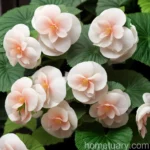
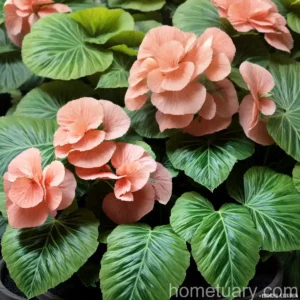
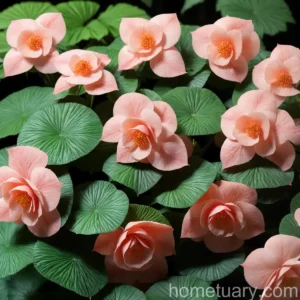
Begonia bowerae, native to the rainforests of Brazil, is a species of begonia that belongs to the family Begoniaceae. This perennial, evergreen plant is cherished for its striking, asymmetrical foliage and delicate flowers, making it a popular choice for indoor gardens and shaded outdoor areas. The Eyelash Begonia derives its common name from the distinctive fringe-like hairs that adorn the edges of its leaves, adding to its allure and visual appeal.
Key Takeaways – Begonia bowerae (Eyelash Begonia)
Before we delve into the specific care and cultivation guidelines for Begonia bowerae, let’s outline some key takeaways that will serve as a roadmap for our exploration of this exquisite plant:
- Cultural Needs: Understanding the cultural requirements, including water, sunlight, soil, and fertilizer, is essential for ensuring the optimal growth and flourishing of Begonia bowerae.
- Propagation and Pruning: Exploring the propagation methods and the importance of appropriate pruning techniques is vital for maintaining the health and beauty of Eyelash Begonia.
- Container Gardening: Discussing the suitability of various containers and the significance of repotting and transplanting for the well-being of Begonia bowerae.
- Pests and Diseases: Identifying common pests and diseases, along with effective prevention and treatment strategies, is crucial for safeguarding the vitality of the Eyelash Begonia.
With these key takeaways in mind, let’s embark on a detailed journey into understanding and nurturing Begonia bowerae, unraveling the intricacies of its care and cultivation.
Culture
The successful cultivation of Begonia bowerae relies on providing an environment that closely mimics its natural habitat, ensuring the right balance of essential factors such as water, sunlight, soil, and nutrition. Let’s explore these crucial cultural aspects in detail to foster the optimal growth and development of the Eyelash Begonia.
Water
Proper watering is paramount for the health and vigor of Begonia bowerae. As a tropical plant, it thrives in consistently moist but well-draining soil, making it vital to strike the right balance in watering to prevent both underwatering and overwatering, which can be detrimental to the plant’s well-being.
-
Watering Frequency: The frequency of watering largely depends on environmental conditions and the specific requirements of the individual plant. In general, it is advisable to water Begonia bowerae when the top inch of the soil feels dry to the touch. During the active growing season, typically spring and summer, the plant may require more frequent watering, whereas in the dormant period, which usually occurs in winter, the watering frequency should be reduced.
-
Watering Method: When watering Begonia bowerae, it is recommended to water the plant thoroughly, ensuring that the excess water can freely drain out. However, it is essential to avoid waterlogging, as this can lead to root rot and other moisture-related issues. Utilizing a pot with drainage holes and employing a well-draining potting mix is instrumental in maintaining adequate moisture levels without the risk of water accumulation.
Sunlight
In its natural habitat, Begonia bowerae thrives under the dappled light of the rainforest canopy, where it receives filtered sunlight. When cultivating Eyelash Begonia indoors, replicating these light conditions is crucial for its overall well-being.
-
Light Requirements: Begonia bowerae prefers bright, indirect light, making it well-suited for locations such as east or west-facing windows, where it can receive gentle morning or afternoon sun without being exposed to intense, direct sunlight. Inadequate light can lead to leggy growth and diminished flowering, while prolonged exposure to direct sunlight may cause leaf scorch and damage.
-
Supplemental Lighting: In situations where natural light is insufficient, supplemental lighting in the form of grow lights can be beneficial for providing the requisite brightness for the optimal growth of Begonia bowerae. Utilizing adjustable timers can help regulate the duration of light exposure, ensuring that the plant receives the necessary photoperiod for its development.
Soil
The choice of soil plays a significant role in creating an environment conducive to the growth and vitality of Begonia bowerae. A well-aerated, moisture-retentive, and nutrient-rich soil mix is essential for supporting the root system and overall health of the plant.
Best Soil for Begonia bowerae
For Begonia bowerae, a well-draining, peat-based potting mix enriched with organic matter is highly recommended. The ideal soil should provide adequate aeration and moisture retention while preventing waterlogging and compaction.
- Key Components: A suitable potting mix for Begonia bowerae can consist of:
- Peat moss: Provides moisture retention and contributes to the overall structure of the soil mix.
- Perlite or coarse sand: Ensures proper drainage and aeration, preventing the soil from becoming waterlogged.
-
Composted organic matter: Supplies essential nutrients and fosters a balanced soil ecosystem.
-
Acidic pH: Begonia bowerae thrives in slightly acidic soil with a pH range of 5.5 to 6.5. Maintaining the appropriate soil acidity is crucial for optimal nutrient uptake and overall plant health.
Fertilizer
Proper fertilization is instrumental in providing Begonia bowerae with the necessary nutrients for robust growth and prolific flowering. However, it is essential to approach fertilization with care, avoiding excessive applications that can lead to nutrient imbalances and potential harm to the plant.
-
Fertilizer Type: A balanced, water-soluble fertilizer with an NPK ratio of 20-20-20 or a similar formulation is suitable for Begonia bowerae. This balanced blend provides the plant with essential macro and micronutrients necessary for its development.
-
Fertilizer Schedule: During the active growing season, which typically spans from spring to early fall, it is advisable to fertilize Begonia bowerae every 4-6 weeks. As the plant enters its dormant phase in winter, fertilizer applications should be discontinued or significantly reduced to accommodate the reduced metabolic activity of the plant.
-
Application Method: When applying fertilizer to the plant, it is essential to dilute the fertilizer solution to half or a quarter of the recommended strength to prevent the risk of fertilizer burn. Applying the diluted fertilizer to moist soil can help facilitate even distribution and absorption by the roots.
Pruning
Pruning is an integral aspect of maintaining the health and aesthetics of Begonia bowerae. Proper pruning practices not only help shape the plant and encourage desirable growth habits but also aid in the management of disease and pest issues.
-
Remove Dead or Yellowing Foliage: Regularly inspect Begonia bowerae for any dead, yellowing, or diseased foliage and promptly prune away such parts. This not only enhances the plant’s appearance but also prevents the spread of diseases and conserves the plant’s resources for healthy growth.
-
Pinching Tips: Pinching the growing tips of Begonia bowerae can promote bushier growth and encourage the development of lateral shoots. This practice helps maintain a compact and attractive form while stimulating the production of new leaves and flowers.
-
Prune Leggy Growth: If the plant exhibits leggy or elongated growth, particularly in low light conditions, pruning back the excessively long stems can help restore a more balanced and compact appearance. These pruned cuttings can be utilized for propagation, allowing for the expansion of your Begonia bowerae collection.
Propagation
The propagation of Begonia bowerae offers the opportunity to expand your plant collection and share the beauty of this species with fellow gardening enthusiasts. There are several effective methods for propagating Eyelash Begonia, each with its own unique advantages and suitability for different circumstances.
Propagation Methods
-
Stem Cuttings: Propagating Begonia bowerae through stem cuttings is a popular and reliable method. Select a healthy stem segment with several nodes and remove it just below a node using a clean, sharp tool. Place the cutting in a moist and well-draining potting mix, ensuring that at least one node is buried in the soil. Regular misting and maintaining high humidity levels can encourage successful rooting.
-
Leaf Cuttings: Begonia bowerae can also be propagated from leaf cuttings, particularly those with visible veins and petioles attached. Gently insert the leaf petiole into a suitable propagation medium, such as a mix of peat and perlite, and maintain consistent moisture levels to support the emergence of new plantlets from the leaf.
-
Division: When repotting Begonia bowerae, the plant can be gently divided into multiple sections, each containing a portion of the root system and foliage. Dividing the plant not only facilitates propagation but also serves as a method for rejuvenating overgrown or congested specimens.
Container Popularity
The compact and visually captivating nature of Begonia bowerae makes it an excellent choice for container gardening, adding a touch of elegance to both indoor and outdoor spaces. When selecting containers for Eyelash Begonia, certain factors should be considered to ensure an ideal growing environment.
-
Container Size: For young Begonia bowerae plants, relatively smaller containers are suitable, providing ample space for root development without an excessive amount of soil. As the plant matures, transitioning to slightly larger containers can accommodate its growth and prevent root constriction.
-
Drainage: Adequate drainage is crucial for the health of Begonia bowerae, necessitating the use of containers with drainage holes to prevent waterlogging. Incorporating a layer of gravel or broken pottery at the base of the container can facilitate proper drainage and airflow.
-
Aesthetic Appeal: The choice of container not only influences the plant’s growth but also contributes to the overall aesthetics of the display. Selecting containers that complement the colors and patterns of Begonia bowerae’s foliage can result in visually striking arrangements.
Common Diseases and Pests
Despite being relatively resilient plants, Begonia bowerae is susceptible to certain diseases and pest infestations, emphasizing the importance of proactive measures to safeguard its well-being.
Disease Diagnosis
-
Powdery Mildew: Powdery mildew, characterized by a white, powdery growth on the foliage, can affect Begonia bowerae, particularly in conditions of high humidity and poor air circulation. Treating affected plants with a suitable fungicidal spray and ensuring improved ventilation can help manage and prevent the spread of this fungal disease.
-
Leaf Spot: Circular, dark lesions on the leaves of Begonia bowerae may indicate the presence of leaf spot disease. To address this issue, it is essential to remove and dispose of affected foliage, avoiding overhead watering, and applying appropriate fungicidal treatments.
-
Botrytis Blight: Botrytis blight, often observed as gray mold on the foliage, can thrive in conditions of excessive moisture and poor air circulation. Mitigating this disease involves improving airflow, reducing humidity levels, and refraining from wetting the foliage during watering.
Common Pests
-
Spider Mites: The presence of fine webbing and stippled, discolored foliage can signal a spider mite infestation. Regularly inspecting the undersides of leaves and treating affected plants with a targeted miticide can help control and eliminate these minuscule pests.
-
Mealybugs: Mealybugs, identifiable by their white, cottony appearance, can infest Begonia bowerae, draining the plant’s sap and causing leaf distortion. Addressing mealybug infestations involves carefully removing the pests with a cotton swab dipped in rubbing alcohol and applying insecticidal soap as a preventive measure.
-
Aphids: Aphids, characterized by their small size and tendency to cluster on tender growth, can affect Begonia bowerae, leading to distorted foliage and reduced vigor. Introducing natural predators such as ladybugs and regularly rinsing the plant with a strong stream of water can aid in controlling aphid populations.
Botanist’s Tips
As observed in the botanical realm, an understanding and appreciation of the natural world enrich our lives and foster a sense of wonder and curiosity. To maximize the enjoyment and success of cultivating Begonia bowerae, consider the following tips from a botanist’s perspective:
-
Observation and Adaptation: Regularly observing the growth and behavior of Begonia bowerae allows for a deeper understanding of its unique characteristics and enables timely adjustments to cultural practices based on the plant’s responses.
-
Research and Exploration: Engaging in ongoing research and exploration of begonia species, including Begonia bowerae, broadens our knowledge and appreciation of their diversity, distribution, and ecological significance, contributing to their conservation and preservation.
-
Community Engagement: Sharing insights and experiences with fellow plant enthusiasts fosters a sense of community and collective learning, creating opportunities for collaboration and the exchange of valuable information and resources.
Fun Facts
Delve into the intriguing world of Begonia bowerae with these captivating and lesser-known facts about the Eyelash Begonia:
-
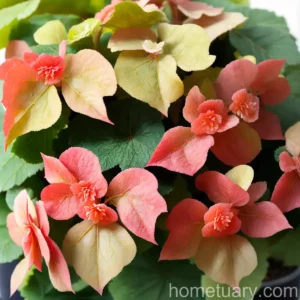
Leaf Variability: The leaves of Begonia bowerae exhibit remarkable variability in size, shape, and coloration, with some individuals showcasing striking patterns and variegation, adding to the plant’s allure and ornamental value.
-
Antioxidant Properties: Some begonia species, including Begonia bowerae, are known to possess antioxidant compounds, contributing to their potential medicinal and therapeutic applications.
-
Historical Significance: Begonias, named after Michel Bégon, a French patron of botany, have a rich historical background and have been cultivated for centuries, embodying a cultural and horticultural legacy.
Links to External Resources
Explore the following external resources to further enrich your understanding of Begonia bowerae and expand your knowledge of begonia cultivation:
-
The American Begonia Society: The American Begonia Society offers a wealth of information on various begonia species, including care guides, cultivation tips, and access to a community of begonia enthusiasts.
-
Royal Horticultural Society (RHS) – Begonia: The RHS provides comprehensive guidance on growing begonias, including species-specific advice and practical recommendations for optimal cultivation practices.
-
University of Florida IFAS Extension – Begonia spp.: This resource from the University of Florida Extension offers valuable insights into the diverse species of begonias, their cultural requirements, and best practices for successful growth.
By tapping into these external resources, you can gain valuable perspectives and practical guidance to enhance your journey in cultivating and appreciating the beauty of Begonia bowerae.
In conclusion, the cultivation and care of Begonia bowerae (Eyelash Begonia) offer a rewarding and enriching experience that encompasses the art and science of horticulture. By integrating the principles of proper cultural practices, propagation techniques, pest and disease management, and insightful botanical knowledge, you can nurture the flourishing and beauty of Begonia bowerae, igniting a lifelong passion for the captivating world of begonias.
Remember that the journey of nurturing Begonia bowerae is not just about the cultivation of a plant but also a celebration of nature’s splendor and the intricacies of life, encapsulated in the delicate and alluring presence of the Eyelash Begonia.
Note: The information provided in this guide is based on general care and cultivation practices for Begonia bowerae (Eyelash Begonia) and may require adjustments based on specific environmental conditions and individual plant characteristics.
As you embark on this botanical adventure, may the grace and charm of Begonia bowerae inspire and enrich your botanical endeavors, creating a tapestry of natural beauty within your living spaces.
In the words of Claude Monet, the renowned artist and gardener, “I perhaps owe having become a painter to flowers.”
Let the resplendent allure of Eyelash Begonia kindle your artistic spirit and deepen your connection to the marvels of the botanical world.
Happy cultivating!
In completion of this in-depth guide, the comprehensive care and cultivation practices for Begonia bowerae (Eyelash Begonia) have been meticulously detailed, encompassing various critical aspects such as cultural needs, propagation techniques, and pest and disease management. By embracing the principles outlined in this guide, one can embark on a fulfilling journey of nurturing and appreciating the elegance and allure of Begonia bowerae, cultivating a harmonious bond with nature and the exquisite wonders of the plant kingdom.