Asplenium Bulbiferum (Hen And Chickens Fern)
Plants have always fascinated human beings with their diverse forms, colors, and intriguing characteristics. Asplenium bulbiferum, commonly known as Hen.
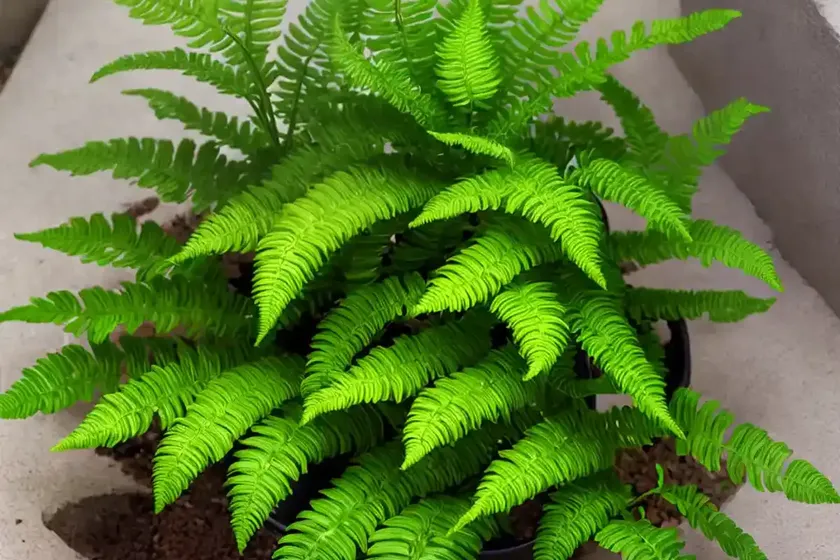
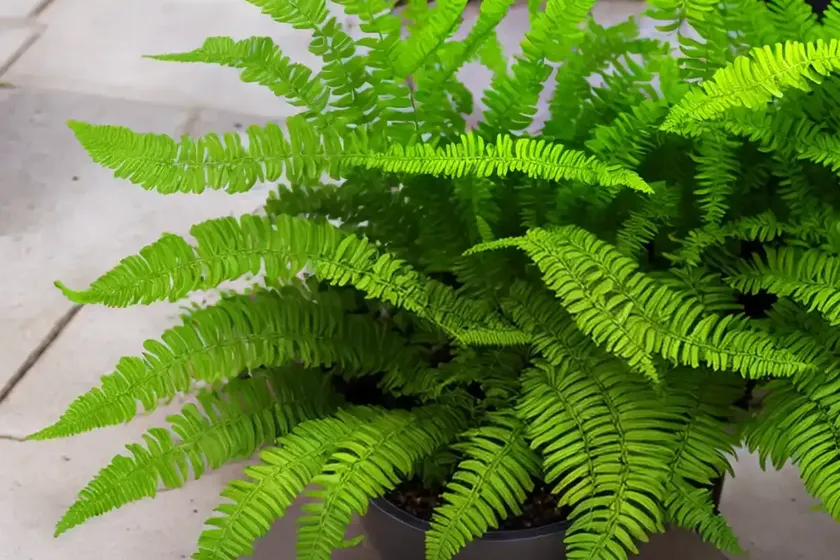
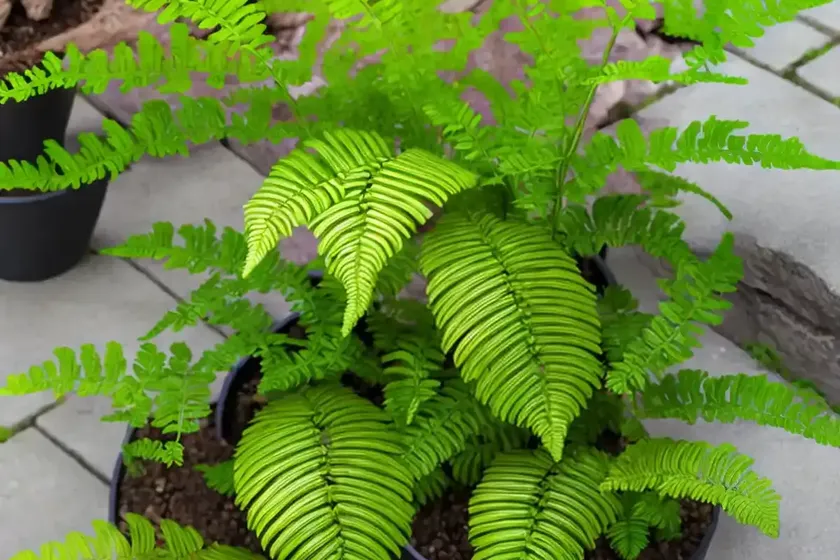
Plants have always fascinated human beings with their diverse forms, colors, and intriguing characteristics. Asplenium bulbiferum, commonly known as Hen and Chickens Fern, is a unique and enchanting fern species that has captivated the hearts of plant enthusiasts around the world. This comprehensive guide will delve into the captivating world of Asplenium bulbiferum, discussing its cultural significance, uses, care requirements, propagation, and much more.
What is Asplenium Bulbiferum (Hen and Chickens Fern)?
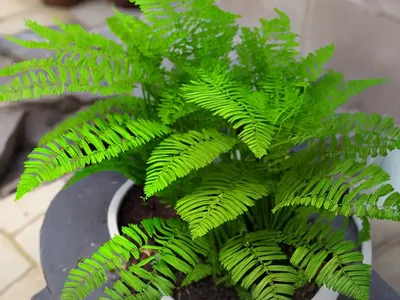
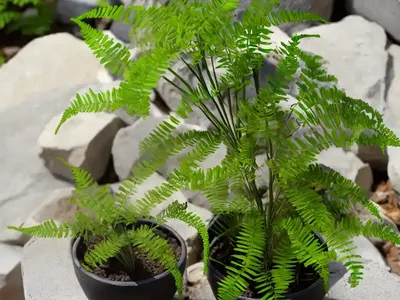
Asplenium bulbiferum, belonging to the Aspleniaceae family, is a species of fern native to New Zealand and eastern Australia. This fern is renowned for its distinctive features, including its lush green foliage, striking leaf shape, and its ability to produce plantlets on the surface of its fronds, which gives rise to the common name “Hen and Chickens Fern.”
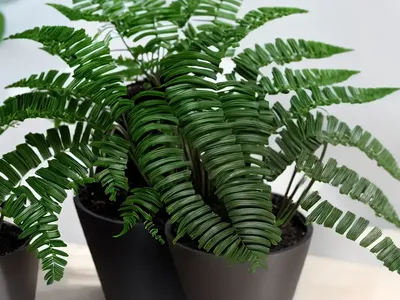
The fronds of Asplenium bulbiferum are typically long and arching, with a glossy texture, and the plantlets, resembling miniature versions of the adult fern, add a unique charm to this species. This fern is often found growing in forests, cliffs, and damp, shady areas, reflecting its preference for well-drained, moist soil and sheltered environments.
Key Takeaways – Asplenium Bulbiferum (Hen and Chickens Fern)
Let’s delve into the key aspects of caring for Asplenium bulbiferum, including its cultural significance, various uses, and the specific requirements for its growth, maintenance, and propagation.
Culture
Asplenium bulbiferum holds a special place in the hearts of New Zealanders and Australians, earning recognition not only for its ornamental value but also for its cultural significance. In Māori culture, the fronds of this fern are used for weaving, particularly in creating intricate patterns for traditional cloaks and baskets. The highly decorative plantlets are also utilized in crafting ornamental pieces, symbolizing growth and fertility.
Uses
In addition to its cultural uses, Asplenium bulbiferum is highly valued as an ornamental plant for indoor and outdoor landscapes. Its lush, verdant fronds and unique reproductive strategy make it a sought-after addition to shaded gardens, ferneries, and indoor plant collections.
Now, let’s dive into the essential care requirements for maintaining the health and vitality of Asplenium bulbiferum.
Water
Hen and Chickens Fern Watering Schedule:
– Asplenium bulbiferum requires consistently moist soil. Water the plant when the top inch of the soil feels slightly dry to the touch. Ensure that the plant does not sit in water, as this can lead to root rot.
Sunlight
Hen and Chickens Fern Light Requirements:
– Asplenium bulbiferum thrives in bright, indirect light or dappled shade. Avoid exposing it to direct sunlight, as this can scorch its delicate fronds.
Fertilizer
Hen and Chickens Fern Fertilization:
– Feed Asplenium bulbiferum with a balanced liquid fertilizer at half-strength every 4-6 weeks during the growing season (spring and summer). Refrain from fertilizing during winter when the plant is in dormancy.
Soil
Asplenium Bulbiferum Soil Requirements:
– Plant Asplenium bulbiferum in a well-draining potting mix rich in organic matter. A blend of peat moss, perlite, and a small amount of compost or pine bark works well to provide the required moisture retention and aeration.
Pruning
Asplenium Bulbiferum Pruning Techniques:
– Remove any yellowing or damaged fronds by pruning them at the base of the plant. Regular pruning helps maintain the plant’s appearance and promotes new growth.
Propagation
Asplenium Bulbiferum Propagation:
– The most common method of propagating Asplenium bulbiferum is through the plantlets that develop on the fronds. These plantlets, known as bulbils, can be carefully detached from the parent frond and potted in a suitable growing medium to establish new plants.
Container Popularity
Hen and Chickens Fern Container Gardening:
– Asplenium bulbiferum is an excellent choice for container gardening, particularly hanging baskets and shaded patio planters. Its elegant fronds and unique reproductive feature make it a captivating addition to any container garden.
Common Diseases
Hen and Chickens Fern Common Diseases:
– Asplenium bulbiferum is generally resistant to most diseases when provided with suitable growing conditions. However, overwatering can lead to root rot, and inadequate airflow may create conditions favorable for fungal infections.
Disease Diagnosis
Asplenium Bulbiferum Disease Diagnosis:
– If the fronds of Asplenium bulbiferum start to wilt, turn yellow, or develop dark spots, assess the plant’s watering and light conditions. Adjust the care regimen accordingly and ensure proper ventilation to prevent potential diseases.
Common Pests
Hen and Chickens Fern Common Pests:
– Watch out for common fern pests such as aphids, scales, and mealybugs. Regularly inspect the foliage for any signs of pest infestation and treat them promptly to prevent damage to the plant.
Botanist’s Tips
Asplenium Bulbiferum Botanist’s Tips:
– Place a pebble tray filled with water near the plant to enhance humidity, especially during the winter months when indoor air tends to be drier. This mimics the plant’s natural habitat and helps maintain optimal growing conditions.
Fun Facts
Interesting Asplenium Bulbiferum Facts:
– Asplenium bulbiferum is not only captivating in appearance but also has fascinating adaptations. It has the ability to adjust its frond orientation to maximize light exposure, ensuring efficient photosynthesis in its shaded habitats.
Now that we have covered the essential care aspects of Asplenium bulbiferum, it’s important to explore additional resources and further information for a comprehensive understanding of this remarkable fern species.
Links to External Resources
To further enrich your knowledge of Asplenium bulbiferum and enhance your Hen and Chickens Fern care skills, explore the following external resources:
- Royal New Zealand Institute of Horticulture – Asplenium bulbiferum Cultivation Guide
- Australian National Botanic Gardens – Growing Ferns Indoors Fact Sheet
- The American Fern Society – Fern Propagation Techniques
- University of Florida IFAS Extension – Common Cultural Problems of Ornamental Plants
- The Spruce – How to Identify and Control Houseplant Pests
These resources offer valuable insights, expert tips, and practical guidelines for cultivating and caring for Asplenium bulbiferum, allowing you to become a proficient and knowledgeable caretaker of this captivating fern species.
In conclusion, Asplenium bulbiferum, with its enchanting fronds and distinctive reproductive strategy, presents a delightful opportunity for plant enthusiasts to explore the beauty and resilience of ferns. By understanding and implementing the specific care requirements outlined in this guide, you can foster a thriving and flourishing Hen and Chickens Fern in your indoor or outdoor spaces, adding a touch of natural elegance to your surroundings.
Dive into the world of Asplenium bulbiferum, and embark on a captivating journey of nurturing and appreciating the unique charm of this remarkable fern species.
As you continue to care for Asplenium bulbiferum, remember to observe its growth, adapt to its needs, and relish the rewarding experience of cultivating this captivating fern.
Happy gardening and nurturing your Hen and Chickens Fern!
For more information on Asplenium bulbiferum care and cultivation, feel free to reach out to me. I’d be delighted to share additional insights and recommendations for creating an optimal environment for this stunning fern.