Hamamelis Mollis (Chinese Witch Hazel)
Exploring the Cultivation, Care, and Benefits of the Hamamelis Mollis Variety
Exploring the Cultivation, Care, and Benefits of the Hamamelis Mollis Variety
Introduction
Plants have always held an essential place in human society, providing us with various resources and contributing to the aesthetics and biodiversity of our surroundings. Among the myriad species of plants, the Chinese witch hazel, scientifically known as Hamamelis mollis, stands out as a remarkable specimen. Known for its enchanting blooms and versatile uses, this shrub holds a special place in the world of horticulture. In this comprehensive guide, we will delve into the depths of the Hamamelis mollis variety, exploring its cultivation, care requirements, and the benefits it offers.
What is Hamamelis Mollis (Chinese Witch Hazel)?
Hamamelis mollis, commonly known as Chinese witch hazel, is a deciduous shrub that belongs to the family Hamamelidaceae. This plant is native to China, and it is renowned for its vibrant and fragrant flowers, which bloom during the late winter to early spring. The unique charm of the Chinese witch hazel lies in its ability to flourish during the colder months, adding a pop of color and fragrance to the winter landscape.
Key Takeaways – Hamamelis Mollis (Chinese Witch Hazel)
Before we delve into the intricate details of cultivating and caring for the Chinese witch hazel, let’s begin by highlighting some key takeaways about this remarkable plant.
– Botanical Name: Hamamelis mollis
– Common Name: Chinese Witch Hazel
– Plant Type: Deciduous shrub
– Native Habitat: China
– Characteristics: Fragrant, vibrant flowers; attractive fall foliage
– Uses: Ornamental, medicinal
Culture
Cultivating a plant such as the Chinese witch hazel requires a good understanding of its cultural requirements. From soil conditions to water needs, each aspect plays a crucial role in determining the health and vigor of the plant.
Uses
Hamamelis mollis has a range of uses, making it a versatile addition to any landscape. Whether as an ornamental shrub or for its medicinal properties, the Chinese witch hazel has much to offer.
Ornamental Use
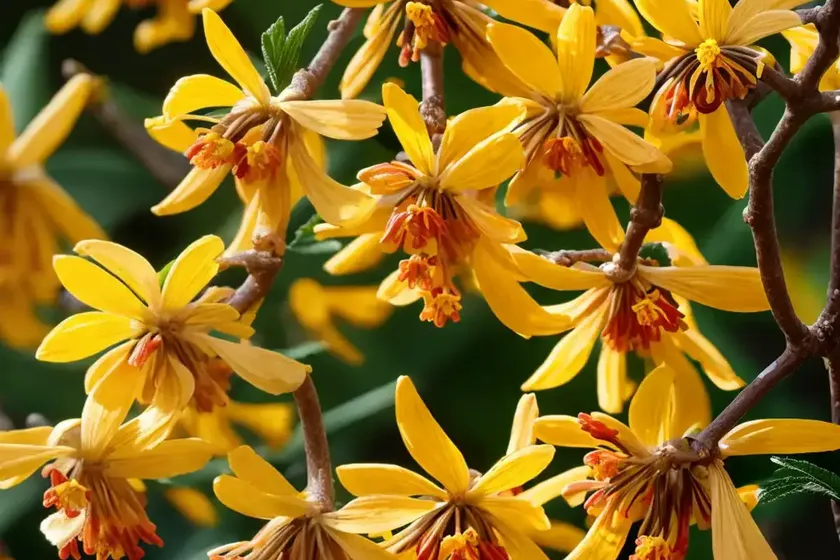
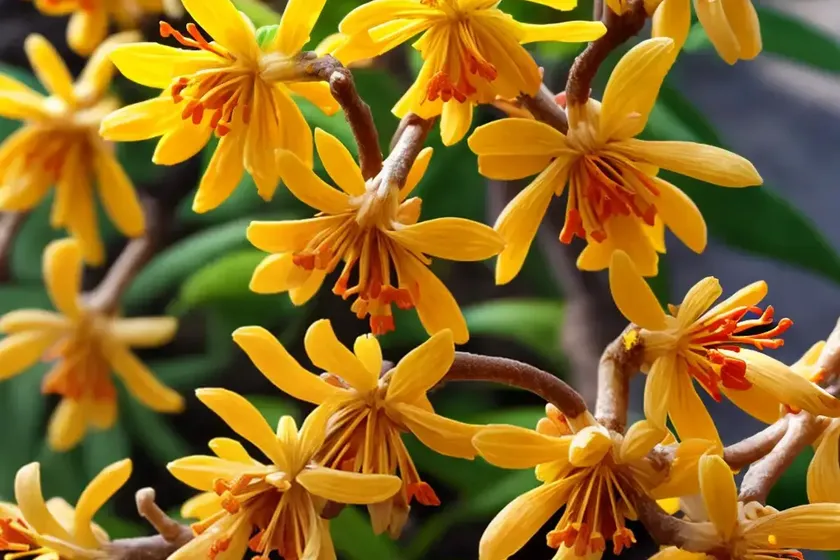
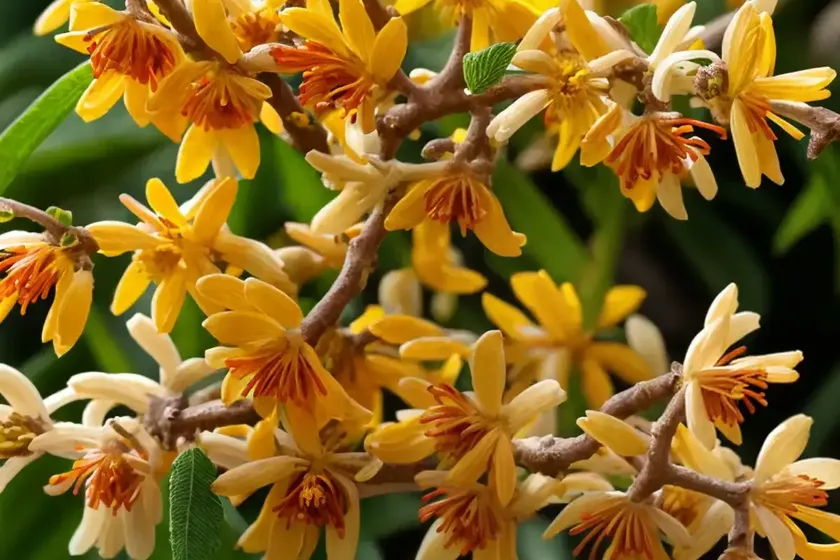
The vibrant, spidery flowers of the Chinese witch hazel make it a striking addition to any garden. Often blooming in late winter or early spring, the plant adds a welcome pop of color to an otherwise dull landscape, making it an excellent choice for ornamental gardening.
Medicinal Use
The bark, leaves, and twigs of Hamamelis mollis have been used in traditional medicine for centuries. The plant’s astringent properties make it valuable for treating skin conditions, and it is a key ingredient in many skincare and medicinal products.
Water
Proper watering is crucial for the health and vitality of Hamamelis mollis. While it is essential to ensure an adequate water supply, it is equally important to avoid waterlogging, which can lead to root rot and other issues.
- Water Needs: Regular watering, especially during dry spells
- Watering Frequency: Once every 7-10 days, depending on weather conditions
- Watering Technique: Water at the base of the plant, avoiding wetting the foliage
- Moisture Level: Well-draining soil is essential to prevent waterlogging
Sunlight
Sunlight plays a crucial role in the growth and bloom cycle of the Chinese witch hazel. Finding the right balance of sunlight is key to ensuring optimal flowering and overall plant health.
- Sun Exposure: Partial shade to full sun
- Ideal Conditions: Dappled sunlight or partial shade during the hottest part of the day
- Winter Sun: Full sun exposure in winter helps promote flower bud formation for the following season
Fertilizer
Proper nourishment is essential for the Chinese witch hazel to thrive. While it is a relatively low-maintenance plant, providing the right nutrients at the appropriate times can greatly enhance its growth and flowering potential.
- Fertilizing Schedule: Once a year in early spring, before the growing season
- Fertilizer Type: Organic, slow-release fertilizer with balanced nutrients
- Application Technique: Spread the fertilizer evenly around the base of the plant, avoiding direct contact with the stem or trunk
- Avoid Over-Fertilization: Excessive fertilization can lead to excess foliage growth at the expense of flowers
Soil
The right soil conditions are vital for the Chinese witch hazel to establish a robust root system and thrive in its environment. Understanding the soil preferences of Hamamelis mollis is crucial for cultivating a healthy and vibrant plant.
- Soil Type: Well-draining, loamy soil
- Soil pH: Slightly acidic to neutral (pH 5.5-7.0)
- Soil Amendments: Organic matter such as compost can improve soil structure and fertility
- Mulching: Applying a layer of organic mulch can help retain soil moisture and regulate temperature
Pruning
Proper pruning plays a significant role in maintaining the shape, health, and flowering potential of Hamamelis mollis. Understanding the timing and techniques of pruning is crucial for achieving the desired results without impeding the plant’s growth.
- Pruning Time: After flowering, typically in late spring or early summer
- Objective: Remove dead or diseased wood, enhance shape, and stimulate new growth
- Pruning Technique: Use sharp, clean tools to make precise cuts; remove crossing or crowded branches
- Caution: Avoid heavy pruning, as it can reduce flowering the following season
Propagation
Propagation allows gardeners to multiply their Chinese witch hazel plants, either for personal enjoyment or commercial purposes. Understanding the various propagation methods and their optimal timing is essential for successful plant reproduction.
Propagation Methods:
1. Seed Propagation: Sow seeds in a well-draining soil mix in the fall for natural stratification and germination in the following spring.
2. Cutting Propagation: Take softwood or hardwood cuttings in early summer or late fall, using rooting hormone to encourage root development.
3. Layering: Encourage roots to form on a low-hanging branch by burying it in the soil while still attached to the parent plant.
Container Popularity
The Chinese witch hazel can thrive in a well-maintained container, making it a popular choice for those with limited garden space or specific landscaping requirements. When grown in containers, it is important to consider certain factors to ensure the plant’s health and vigor.
Key Considerations for Container Growth:
– Container Size: Choose a spacious container to accommodate the root system and promote healthy growth.
– Drainage: Ensure adequate drainage holes to prevent waterlogging, which can be detrimental to the plant’s health.
– Soil Quality: Use a well-draining soil mix tailored to the needs of Hamamelis mollis.
– Watering: Monitor soil moisture closely, as containers may require more frequent watering compared to plants in the ground.
Common Diseases
Despite its resilience, the Chinese witch hazel is susceptible to certain diseases and health issues. Recognizing the symptoms and taking preventative measures can help maintain the plant’s well-being.
Common Diseases Affecting Hamamelis Mollis:
1. Powdery Mildew: A fungal disease that manifests as a powdery white coating on leaves, affecting overall plant health and vigor.
2. Leaf Spot: Circular brown or black spots on the leaves, often caused by fungal or bacterial pathogens.
3. Root Rot: Excessive moisture or poorly draining soil can lead to root rot, causing wilting and dieback.
Disease Diagnosis
Early diagnosis of plant diseases is crucial for effective treatment and management. Learning to recognize the signs and symptoms of common ailments can help prevent the spread of disease and protect the overall health of the Chinese witch hazel.
Symptoms of Common Diseases:
– Powdery Mildew: White, powdery patches on leaves, typically starting on the upper leaf surface.
– Leaf Spot: Circular, discolored spots on leaves, often surrounded by a yellow halo.
– Root Rot: Wilting, yellowing leaves, and stunted growth, often accompanied by a foul odor from the soil.
Common Pests
While relatively resistant to pests, the Chinese witch hazel is not entirely immune to infestations. Being vigilant and proactive in pest management can help prevent potential damage to the plant.
Pests That May Affect Hamamelis Mollis:
1. Aphids
2. Spider Mites
3. Scale Insects
4. Leaf Miners
Pest Management Strategies:
– Monitoring: Regularly inspect the plant for signs of pest activity, such as aphids clustering on new growth or stippling on leaves caused by spider mites.
– Natural Predators: Encourage the presence of natural predators such as ladybugs and lacewings to control aphid populations.
– Horticultural Oils: Use horticultural oils to smother and suffocate soft-bodied pests such as aphids and spider mites.
Botanist’s Tips
As a plant scientist, I have a few additional tips and insights for cultivating and caring for Hamamelis mollis, based on my expertise and research in the field.
Botanical Observations:
– Leaf Variation: Hamamelis mollis exhibits a range of leaf shapes and color variations, adding to its ornamental appeal.
– Fragrance Factors: The intensity of the plant’s fragrance can vary based on environmental factors, such as temperature and humidity.
Fun Facts
To add a touch of intrigue and fascination, here are some captivating and lesser-known facts about the Chinese witch hazel.
- The genus name, Hamamelis, is of Greek origin, meaning “together with fruit,” alluding to the simultaneous occurrence of mature fruit and flowers on the plant.
- Chinese medicine has long employed various parts of the Hamamelis mollis plant for treating conditions such as hemorrhoids, varicose veins, and skin irritations.
- The vibrant, spidery flowers of the Chinese witch hazel inspired the common name “witch hazel,” as they were believed to have magical properties by early European settlers in North America.
Links to External Resources
To further expand your knowledge and understanding of Hamamelis mollis and its cultivation, care, and uses, I recommend exploring the following external resources:
- Royal Horticultural Society – Growing Hamamelis
- The Morton Arboretum – Witch Hazels in the Landscape
- Missouri Botanical Garden – Hamamelis Mollis Plant Profile
- American Society for the Prevention of Cruelty to Animals (ASPCA) – Witch Hazel Plant Toxicity Information
- The American Horticultural Society – Chinese Witch Hazel Cultivation Guide
In conclusion, the Chinese witch hazel, Hamamelis mollis, stands as an exemplar of beauty, resilience, and versatility in the world of horticulture. Its vibrant blooms, medicinal properties, and adaptability to different conditions make it a cherished addition to gardens and landscapes across the globe. Whether you are drawn to its ornamental allure or its traditional uses in natural medicine, the Chinese witch hazel continues to captivate and inspire plant enthusiasts and researchers alike. I hope this guide has shed light on the enchanting world of Hamamelis mollis and piqued your curiosity to explore this remarkable plant further.
Disclaimer: The information provided in this guide is based on botanical research and general horticultural practices. It is advisable to consult local gardening experts and resources for specific cultivation and care recommendations tailored to your region and environment.


