Hamamelis Mollis ‘Jermyns Gold’ (Chinese Witch Hazel): A Guide for Plant Care and Cultivation
Plants play an essential role in the environment, providing us with oxygen, food, and various resources. They also contribute to the aesthetic beauty of our surroundings. In this article, we will explore the Hamamelis Mollis ‘Jermyns Gold’ (Chinese Witch Hazel), a captivating and beneficial plant known for its vibrant foliage, delicate flowers, and medicinal properties.
What is Hamamelis Mollis ‘Jermyns Gold’ (Chinese Witch Hazel)?
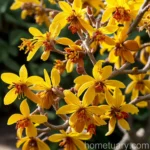
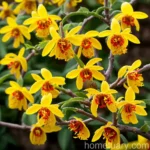
Hamamelis Mollis ‘Jermyns Gold’, commonly known as Chinese Witch Hazel, is a deciduous shrub renowned for its spectacular display of golden yellow flowers that bloom in the late winter or early spring. This cultivar is a variety of the Hamamelis Mollis species, known for its captivating appearance and unique characteristics.
Key Takeaways – Hamamelis Mollis ‘Jermyns Gold’ (Chinese Witch Hazel)
Here are some key takeaways about the Chinese Witch Hazel plant:
- Botanical Name: Hamamelis Mollis ‘Jermyns Gold’
- Common Name: Chinese Witch Hazel
- Plant Type: Deciduous shrub
- Flower Color: Golden yellow
- Foliage Color: Vibrant green, turning to attractive shades of yellow and orange in the fall
- Fragrance: Mild, sweet scent
- Medicinal Uses: The plant’s bark and leaves are used in traditional medicine for their astringent and anti-inflammatory properties.
- Landscape Uses: Chinese Witch Hazel is often used as a specimen plant in gardens, parks, and landscapes for its striking appearance and early spring blooms.
Now, let’s delve into the comprehensive care and cultivation guide for the Chinese Witch Hazel, covering various aspects such as culture, water, sunlight, fertilizer, soil, pruning, propagation, container gardening, common diseases, pest control, and more.
Culture
The successful cultivation of Hamamelis Mollis ‘Jermyns Gold’ relies on an understanding of its cultural requirements, including its native habitat, growth habits, flowering season, and overall environmental preferences.
Origin and Native Habitat
The Chinese Witch Hazel is native to China and Japan, where it thrives in woodland areas, hillsides, and stream banks. It is well adapted to temperate climates and can tolerate cold winters.
Growth Habit
As a deciduous shrub, Hamamelis Mollis ‘Jermyns Gold’ typically grows in a spreading, multi-stemmed fashion, forming a dense and rounded shape. The plant is known for its slow to moderate growth rate, reaching a mature height and spread of around 10-15 feet.
Flowering Season
One of the most enchanting features of the Chinese Witch Hazel is its early flowering season, typically occurring from late winter to early spring. The golden yellow flowers add a splash of color to the garden when most other plants are still dormant.
Uses
The Chinese Witch Hazel possesses a range of practical and aesthetic uses, making it a versatile and valuable addition to gardens, landscapes, and even traditional medicine.
Ornamental Value
Due to its vibrant foliage, captivating flowers, and attractive fall color, Hamamelis Mollis ‘Jermyns Gold’ is often used for ornamental purposes. It serves as a focal point in garden beds, borders, and naturalized areas, adding visual interest and beauty to the landscape.
Medicinal Uses
In traditional medicine, various parts of the Witch Hazel plant, including its bark, leaves, and twigs, are used to prepare herbal remedies. The plant’s astringent and anti-inflammatory properties make it beneficial for treating a range of skin conditions, such as burns, insect bites, and dermatitis.
Landscape Applications
With its early blooming period, the Chinese Witch Hazel is ideal for adding seasonal interest to gardens and landscapes. It can be incorporated into mixed borders, woodland gardens, and naturalized settings, enhancing the overall aesthetic appeal of the outdoor space.
Water
Water Needs
Proper watering is essential for the health and vitality of Hamamelis Mollis ‘Jermyns Gold’. Understanding the plant’s water requirements is crucial in ensuring its optimal growth and blooming.
- Established Plants: While Chinese Witch Hazel is relatively tolerant of dry conditions once established, it benefits from regular watering, especially during prolonged periods of drought.
- Young Plants: Newly planted specimens require more frequent watering to help them establish a strong root system. Water young plants deeply at regular intervals to promote healthy growth.
Watering Tips
- Soil Moisture: Ensure that the soil around the plant is consistently moist but not waterlogged. Well-draining soil is essential to prevent waterlogging, which can lead to root rot.
- Mulching: Apply a layer of organic mulch around the base of the plant to help retain soil moisture and regulate the temperature of the root zone. Mulch also helps suppress weed growth and improve overall soil quality.
Sunlight
Sun Exposure
Chinese Witch Hazel thrives in a partially shaded to fully sunny location, exhibiting a versatile tolerance for varying light conditions.
- Ideal Conditions: While the plant can tolerate partial shade, it tends to bloom most prolifically when grown in a location that receives full sun to partial shade. Bright, filtered sunlight during the morning hours is particularly beneficial for promoting robust flowering.
Sunlight Tips
-
Morning Sun: When selecting a planting site, prioritize areas that receive ample sunlight during the morning hours. This helps the plant capture the essential light energy needed for healthy growth and flowering.
-
Protection from Harsh Afternoon Sun: In regions with intense afternoon sunlight, consider providing some afternoon shade to protect the plant from excessive heat and potential sunburn.
Fertilizer
Fertilization Requirements
To support the vigorous growth and blooming of Hamamelis Mollis ‘Jermyns Gold’, it is essential to provide the plant with appropriate nutrients through regular fertilization.
-
Timing: Apply a balanced, slow-release fertilizer in the early spring before new growth emerges. This provides the plant with the necessary nutrients to fuel its seasonal growth and bloom production.
-
Frequency: Fertilize the plant once a year in the spring, avoiding excessive applications to prevent potential nutrient imbalance or salt buildup in the soil.
Fertilizer Tips
- Soil Testing: Conduct a soil test to determine the pH and nutrient levels in the planting area. Based on the test results, adjust the fertilizer application to address any specific deficiencies or imbalances in the soil.
Soil
Soil Requirements
Hamamelis Mollis ‘Jermyns Gold’ thrives in well-draining, loamy soils with a slightly acidic to neutral pH. Understanding the ideal soil conditions for the plant is crucial for promoting healthy growth and overall vigor.
-
Drainage: Ensure that the planting site offers good drainage to prevent waterlogging, which can lead to root rot and other moisture-related issues.
-
Soil Structure: Loamy soils, which offer a balance of sand, silt, and clay particles, provide an ideal growing medium for the Chinese Witch Hazel. Such soils promote good aeration, water retention, and root development.
Soil Amendment
- Organic Matter: Incorporating organic matter, such as well-rotted compost or aged manure, into the soil can improve its overall structure, fertility, and moisture-retention capabilities.
Pruning
Pruning Requirements
Appropriate pruning plays a vital role in shaping the growth, maintaining the health, and enhancing the aesthetic appeal of Hamamelis Mollis ‘Jermyns Gold’. Proper understanding of pruning techniques and timing is crucial for effective plant care.
-
Timing: Prune the plant immediately after flowering, typically in the late spring or early summer. This allows ample time for new growth and flower buds to develop for the following year’s bloom.
-
Pruning Objectives: Remove any dead, damaged, or diseased branches to promote overall plant health and vigor. Additionally, shaping the plant by selectively pruning can help maintain a pleasing form and structure.
Pruning Tips
-
Tools: Use sharp, clean pruning tools to make precise cuts and minimize the risk of injury and disease transmission. Disinfect the pruning tools between cuts when dealing with potentially infected branches.
-
Thinning: To improve air circulation and light penetration within the plant’s canopy, selectively thin out crowded or crossing branches, promoting a healthier and more balanced growth habit.
Propagation
Propagation Methods
The propagation of Hamamelis Mollis ‘Jermyns Gold’ can be achieved through various techniques, allowing for the expansion of the plant through division or the generation of new plants from seeds or cuttings.
-
Division: During the plant’s dormant season, propagate Chinese Witch Hazel by dividing larger, established specimens carefully, ensuring that each division has sufficient roots and growth points to thrive.
-
Seeds: Collect ripe seeds from the plant in the fall and sow them in a prepared seed bed the following spring. While seeds may take several years to reach maturity, they offer a cost-effective method of propagating the plant on a larger scale.
-
Cuttings: Take semi-hardwood cuttings in the late summer and root them in a suitable propagation medium to generate new plants with genetic characteristics similar to the parent plant.
Propagation Tips
-
Timing: Select the appropriate time for each propagation method, considering the seasonal requirements and growth patterns of the Chinese Witch Hazel.
-
Careful Handling: Handle plant divisions, seeds, and cuttings with care, ensuring that they receive adequate moisture, warmth, and protection from pests and diseases during the propagation process.
Container Gardening
Container Requirements
While Hamamelis Mollis ‘Jermyns Gold’ is well-suited for outdoor planting in garden beds and landscapes, it can also thrive in container gardens when provided with the necessary care and growing conditions.
-
Container Size: Use a spacious container with adequate drainage holes to accommodate the plant’s root system and promote healthy growth. A larger container can provide better insulation and stability for the Chinese Witch Hazel.
-
Growing Medium: Fill the container with a well-draining, fertile potting mix formulated for woody shrubs. This ensures proper aeration, moisture retention, and nutrient availability for the plant.
Container Care
-
Watering: Monitor the moisture levels in the container, ensuring that the soil remains consistently moist but not waterlogged. Adjust the watering frequency based on environmental conditions and the plant’s specific needs.
-
Fertilization: Apply a slow-release, balanced fertilizer to the container-grown plant in the spring, providing it with the essential nutrients for healthy growth and flowering.
Common Diseases
Despite its overall hardiness, Hamamelis Mollis ‘Jermyns Gold’ is susceptible to certain diseases that can impact its health and vitality. Understanding these potential diseases and their management is essential for preserving the plant’s well-being.
Common Diseases
-
Powdery Mildew: This fungal disease can manifest as a powdery, white coating on the foliage, affecting the plant’s overall appearance and vigor.
-
Canker Diseases: Various canker-causing pathogens can lead to the development of sunken, discolored areas on the bark and wood, potentially impacting the plant’s vascular system.
-
Leaf Spot: Leaf spot diseases can result in the formation of dark, irregularly shaped lesions on the foliage, leading to premature leaf drop and reduced photosynthetic activity.
Disease Management
-
Cultural Practices: Implement proper cultural practices, such as promoting good air circulation, removing and disposing of infected plant debris, and maintaining overall plant health to minimize disease pressure.
-
Fungicidal Treatments: In cases of severe disease infestations, consider applying appropriate fungicidal treatments following the manufacturer’s recommendations to manage the disease effectively.
Disease Diagnosis
The accurate diagnosis of potential diseases affecting Hamamelis Mollis ‘Jermyns Gold’ is crucial for implementing targeted management strategies and preserving the plant’s health. Identifying the symptoms and signs of common diseases enables effective disease management.
Diagnostic Steps
-
Visual Inspection: Carefully examine the plant for any abnormal changes in foliage color, texture, or overall appearance. Look for characteristic symptoms such as powdery coatings, leaf lesions, or bark discoloration.
-
Symptom Identification: Identify the specific symptoms exhibited by the plant, such as powdery mildew on the foliage, canker lesions on the stems, or leaf spot patterns.
-
Pathogen Identification: Determine the potential pathogens responsible for the observed symptoms, considering the typical disease profiles associated with the Chinese Witch Hazel.
-
Consultation: Seek guidance from professional plant pathologists or experienced horticulturists to confirm disease diagnoses and receive tailored recommendations for disease management.
Common Pests
In addition to diseases, Hamamelis Mollis ‘Jermyns Gold’ may encounter pest infestations that can impact its appearance and overall vitality. Understanding the common pests and their management is essential for preserving the plant’s well-being.
Common Pests
-
Aphids: These small, sap-feeding insects can cluster on the plant’s tender shoots and foliage, causing distortions and sap exudation.
-
Scale Insects: Scale insects may attach themselves to the plant’s stems or foliage, forming protective coverings and feeding on the plant’s sap, potentially weakening the plant.
-
Spider Mites: Spider mites are tiny arachnids that can infest the plant, causing stippling, webbing, and overall decline in plant health.
Pest Management
-
Monitoring: Regularly inspect the plant for signs of pest activity, such as distorted growth, stippling, or the presence of insect colonies.
-
Cultural Methods: Encourage natural predators of pests, such as ladybugs and lacewings, by promoting diverse and balanced ecosystems in the garden.
-
Targeted Treatments: When necessary, use appropriate insecticidal soaps, horticultural oils, or biological control agents to manage pest populations effectively.
Botanist’s Tips
To ensure the optimal growth, health, and blooming of Hamamelis Mollis ‘Jermyns Gold’, consider implementing the following botanist’s tips based on the plant’s unique characteristics and requirements.
Botanist’s Tips
-
Mulch Application: Apply a layer of organic mulch around the base of the plant to conserve soil moisture, regulate temperature, and suppress weed growth.
-
Seasonal Pruning: Schedule annual pruning sessions after the plant’s flowering period to promote new growth and maintain a desirable form.
-
Adequate Support: Provide structural support for the plant, especially in regions with strong winds or heavy snowfall, to prevent damage to the branches and overall canopy.
-
Environmental Monitoring: Regularly monitor environmental conditions such as soil moisture, light exposure, and nutrient levels to address any potential stress factors promptly.
Fun Facts
Did you know?
-
The bark and leaves of Chinese Witch Hazel have been traditionally used in herbal medicine for their astringent and anti-inflammatory properties, aiding in the treatment of various skin conditions.
-
The golden yellow flowers of Hamamelis Mollis ‘Jermyns Gold’ are a welcome sight in the late winter or early spring, adding a splash of color to the garden when most other plants are still dormant.
-
The vibrant foliage of the Chinese Witch Hazel transitions to striking shades of yellow and orange in the fall, creating a dazzling display of autumnal colors.
Links to External Resources
To further explore the cultivation and care of Hamamelis Mollis ‘Jermyns Gold’, consider referring to the following external resources:
-
Royal Horticultural Society – Hamamelis Mollis Cultivation Guide
-
University of Florida IFAS Extension – Common Diseases of Witch Hazel
In conclusion, Hamamelis Mollis ‘Jermyns Gold’ (Chinese Witch Hazel) embodies a captivating blend of ornamental beauty and practical utility, making it a valuable addition to gardens and landscapes. With its vibrant foliage, early spring blooms, and traditional medicinal uses, this enchanting shrub offers a wealth of aesthetic, ecological, and cultural benefits. By understanding and implementing the recommended practices for plant care and cultivation, gardeners can embrace the distinctive charm and resilience of the Chinese Witch Hazel, further enriching their outdoor spaces and horticultural experiences.