Witch Hazel (Hamamelis x Intermedia ‘Westerstede’)
Plants have always fascinated me with their diversity and unique characteristics. Among the many fascinating plant species, Witch Hazel (Hamamelis x Intermedia ‘Westerstede’) stands out due to its intriguing features and versatile uses. In this comprehensive blog post, we will delve deep into the world of Witch Hazel, exploring its culture, uses, care tips, diseases, and much more.
What is Witch Hazel (Hamamelis x Intermedia ‘Westerstede’)?
Witch Hazel, scientifically known as Hamamelis x Intermedia ‘Westerstede,’ is a deciduous shrub that belongs to the family Hamamelidaceae. This unique plant is a hybrid of Hamamelis japonica and Hamamelis mollis and is renowned for its vibrant and fragrant flowers that bloom during the winter months.
Key Takeaways – Witch Hazel (Hamamelis x Intermedia ‘Westerstede’)
- Botanical Name: Hamamelis x Intermedia ‘Westerstede’
- Common Name: Witch Hazel
- Plant Type: Deciduous Shrub
- Hardiness Zone: 5 to 8
- Mature Height: 10-15 feet
- Mature Spread: 12-15 feet
- Bloom Time: Winter to early Spring
- Soil Requirement: Well-draining, acidic to neutral soil
- Sunlight: Full sun to partial shade
- Watering: Regular watering, moderately drought-tolerant once established
Now, let’s dive deeper into the various aspects of this fascinating plant, including its culture, uses, care requirements, and much more.
Culture
Witch Hazel (Hamamelis x Intermedia ‘Westerstede’) is a versatile and relatively low-maintenance plant, making it a popular choice among gardeners and landscapers. Understanding its cultural requirements is crucial for ensuring its optimal growth and flowering.
Water
Proper watering is essential for the healthy growth and development of Witch Hazel. Here are some key points to consider when it comes to watering:
-
Established Plants: Once established, Witch Hazel is moderately drought-tolerant and can thrive in moist but well-draining soil.
-
Young Plants: Newly planted or young Witch Hazel shrubs require regular watering, especially during dry spells. Ensure that the soil remains consistently moist but not waterlogged.
Sunlight
Witch Hazel thrives in a variety of light conditions, making it adaptable to different garden settings. Consider the following sunlight requirements for Witch Hazel:
-
Full Sun: While Witch Hazel can tolerate partial shade, it tends to produce the best floral display in full sun or dappled sunlight.
-
Partial Shade: In areas with hot summers, providing some afternoon shade can help prevent the plant from experiencing stress due to excessive heat.
Fertilizer
Proper fertilization is essential for promoting healthy growth and flowering in Witch Hazel plants. Consider the following key points when it comes to fertilizer application:
-
Timing: Apply a balanced, slow-release fertilizer in early spring before the new growth emerges.
-
Amount: Follow the recommended dosage on the fertilizer package, and avoid over-fertilizing, as this can lead to excessive foliage growth at the expense of flowering.
Soil
Witch Hazel thrives in well-draining, acidic to neutral soil. When it comes to soil requirements, keep the following in mind:
-
Acidic to Neutral pH: Witch Hazel performs best in soil with a pH range of 5.5 to 7.0.
-
Soil Structure: Ensure that the soil is well-draining, as Witch Hazel is sensitive to waterlogged conditions, which can lead to root rot.
Pruning
Proper pruning is crucial for maintaining the shape, health, and aesthetic appeal of Witch Hazel plants. Here are some key points to consider when pruning:
-
Timing: Prune Witch Hazel immediately after flowering to avoid cutting off next year’s flower buds.
-
Techniques: Remove any dead, damaged, or crossing branches. Additionally, light pruning can help maintain a balanced and open growth habit.
Uses
Witch Hazel (Hamamelis x Intermedia ‘Westerstede’) is revered for its multifaceted uses, ranging from ornamental purposes to medicinal and cosmetic applications. Let’s explore the diverse uses of this remarkable plant.
Ornamental Use
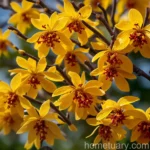
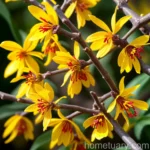
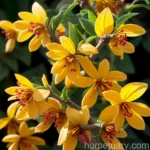
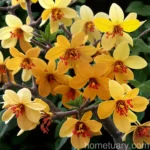
The striking floral display of Witch Hazel makes it a sought-after ornamental plant in gardens and landscapes. Its vibrant, spidery flowers provide a splash of color during the winter months, adding visual interest to the winter landscape.
Medicinal and Cosmetic Applications
Beyond its ornamental value, Witch Hazel has a long history of medicinal and cosmetic use. Witch Hazel extract, derived from the plant’s leaves and bark, is renowned for its astringent and soothing properties, making it a staple in natural skincare and medicinal products.
The tannins present in Witch Hazel extract contribute to its astringent qualities, making it an effective natural remedy for various skin conditions, including acne, inflammation, and irritation. Additionally, Witch Hazel is a common ingredient in toners, cleansers, and topical preparations due to its skin-soothing and clarifying properties.
Wildlife Attractant
Witch Hazel also serves as an important wildlife attractant, providing nectar for pollinators such as bees and serving as a valuable food source for certain moth species. Its late winter to early spring flowering period makes it a vital nectar source when few other flowers are available.
Propagation
Propagating Witch Hazel allows for the expansion of its presence in gardens and landscapes. There are several methods of propagation to consider when looking to propagate Witch Hazel (Hamamelis x Intermedia ‘Westerstede’).
Propagation Methods
-
Seed Propagation: While possible, growing Witch Hazel from seed can be challenging due to variable seed viability and germination requirements. Stratifying the seeds by cold treatment can improve germination rates.
-
Softwood Cuttings: Taking softwood cuttings in early summer and rooting them under mist or in a humidity-controlled environment can be an effective method of propagation.
-
Layering: Air layering or ground layering can also be employed to propagate Witch Hazel, allowing the development of roots on a stem while it is still attached to the parent plant.
Container Popularity
Witch Hazel (Hamamelis x Intermedia ‘Westerstede’) is well-suited for container cultivation, making it an excellent choice for gardeners with limited space or those looking to showcase its vibrant flowers on patios and decks.
Container Requirements
When growing Witch Hazel in containers, consider the following key factors to ensure its success:
-
Container Size: Select a large container with adequate drainage holes to accommodate the plant’s root system and promote healthy growth.
-
Growing Medium: Use a well-draining potting mix formulated for woody plants to provide the necessary support and aeration for the roots.
-
Watering: Container-grown Witch Hazel may require more frequent watering, especially during hot and dry periods, to prevent the soil from drying out completely.
-
Winter Protection: In colder climates, provide winter protection for container-grown Witch Hazel to shield the roots from freezing temperatures.
Landscape Uses
In addition to container cultivation, Witch Hazel (Hamamelis x Intermedia ‘Westerstede’) can be incorporated into various landscape settings to add winter interest and vibrant floral displays. Some common landscape uses of Witch Hazel include:
-
Mixed Borders: Plant Witch Hazel alongside other winter-blooming shrubs and early spring bulbs to create dynamic and colorful borders.
-
Woodland Gardens: Its tolerance for partial shade makes Witch Hazel an excellent addition to woodland garden settings, where it can thrive under the dappled light of deciduous trees.
-
Foundation Plantings: Use Witch Hazel near building foundations or structures to add visual interest and seasonal color to the landscape.
Common Diseases
While Witch Hazel is generally resilient, it may be susceptible to certain diseases under adverse growing conditions. Understanding the common diseases and their management is essential for maintaining the health of Witch Hazel plants.
Disease Diagnosis
Be on the lookout for the following common diseases that can affect Witch Hazel:
-
Leaf Spot: Characterized by the appearance of dark, water-soaked spots on the leaves, leaf spot diseases can be caused by various fungal pathogens. To manage leaf spot, ensure good air circulation, avoid overhead watering, and consider fungicidal treatments in severe cases.
-
Powdery Mildew: Powdery mildew can result in the development of a white, powdery coating on the leaves, affecting the plant’s aesthetics. Ensure proper spacing between plants to promote air circulation and consider applying fungicidal sprays to manage powdery mildew.
-
Root Rot: Overly wet or poorly draining soil can lead to root rot in Witch Hazel. To prevent root rot, ensure well-draining soil and avoid overwatering, especially in poorly aerated or compacted soils.
Common Pests
In addition to diseases, Witch Hazel may also encounter certain pests that can affect its health and vitality. Keep an eye out for the following common pests and take appropriate measures for their management:
-
Aphids: These small, soft-bodied insects can cluster on the undersides of leaves, sucking sap from the plant. Consider using insecticidal soap or horticultural oil to control aphid infestations.
-
Scale Insects: Scale insects can attach themselves to the stems and leaves of Witch Hazel, feeding on plant fluids and excreting sticky honeydew. Control scale insects by introducing natural predators or using horticultural oil sprays.
-
Leaf Miners: The larvae of certain moth species can cause characteristic squiggly lines or blotches on the leaves of Witch Hazel. If leaf miner infestations are widespread, consider pruning and removing affected foliage to reduce the pest population.
Botanist’s Tips
As a plant enthusiast and botanist, I have gathered some valuable tips for cultivating and caring for Witch Hazel (Hamamelis x Intermedia ‘Westerstede’) based on my experiences and observations:
-
Prune Sparingl: While Witch Hazel may benefit from occasional pruning to maintain its shape and remove dead or damaged wood, avoid excessive and unnecessary pruning, as this can impact next year’s flower production.
-
Monitor Soil Moisture: Keep a close eye on soil moisture levels, especially during the plant’s establishment phase. Consistent, moderate watering is key for supporting healthy root development.
-
Provide Winter Protection: In regions with harsh winters, consider applying a layer of mulch around the base of the plant to insulate the roots and protect them from freezing temperatures.
-
Choose Companion Plants Wisely: When selecting companion plants for Witch Hazel, consider species that complement its flowering period and cultural requirements, creating harmonious combinations in the landscape.
Fun Facts
Before we conclude our exploration of Witch Hazel (Hamamelis x Intermedia ‘Westerstede’), here are some fascinating and lesser-known facts about this remarkable plant:
-
Native American Uses: Native American tribes traditionally used Witch Hazel for various medicinal purposes, such as treating skin irritations and minor injuries.
-
Fragrant Flowers: The flowers of Witch Hazel are not only visually striking but also exude a delightful, spicy fragrance, adding an extra dimension to their appeal.
-
Insect-Attracting Flowers: The flowers of Witch Hazel are known to attract certain moth species, further enhancing its ecological importance as a nectar source.
-
Winter Landscape Gem: Witch Hazel’s ability to bloom during the winter months makes it an invaluable addition to the landscape, providing bursts of color when most plants are dormant.
-
Historical Ties: The name “Witch Hazel” is thought to stem from the Old English “wice,” meaning pliant or bendable, referencing the plant’s flexible branches.
Links to External Resources
For further information on Witch Hazel (Hamamelis x Intermedia ‘Westerstede’), its cultivation, and uses, I recommend exploring the following external resources:
- Royal Horticultural Society – Hamamelis
- Missouri Botanical Garden – Witch Hazel
- University of Maryland Extension – Witch Hazel
- American Society for the Prevention of Cruelty to Animals – Toxic and Non-Toxic Plants: Witch Hazel
In conclusion, Witch Hazel (Hamamelis x Intermedia ‘Westerstede’) stands as a captivating and versatile plant, offering ornamental beauty, medicinal properties, and ecological value. Whether gracing the winter landscape with its vibrant blooms or serving as a skin-soothing natural remedy, this remarkable plant continues to enthrall and benefit both humans and nature alike. I hope this comprehensive guide has provided valuable insights into the world of Witch Hazel and inspired a newfound appreciation for its many virtues.
Disclaimer: The content of this article is for informational purposes only. Any medical or health-related information mentioned is not a substitute for professional medical advice.