Abies Koreana ‘Alpin Star’ (Korean Fir)
Introduction Plants play a crucial role in Earth’s ecosystems, providing oxygen, food, and habitat for numerous organisms. Among the vast variety of.
Introduction
Plants play a crucial role in Earth’s ecosystems, providing oxygen, food, and habitat for numerous organisms. Among the vast variety of plants, the Korean Fir, scientifically named Abies koreana ‘Alpin Star’, is a fascinating and popular evergreen conifer known for its exceptional ornamental and landscape attributes. In this comprehensive guide, we will delve into various aspects of this distinctive species, covering its culture, uses, care requirements, common diseases, and other essential information to help both hobbyists and professional horticulturists.
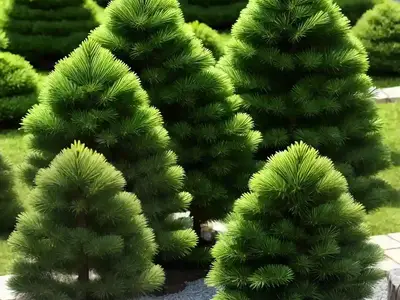
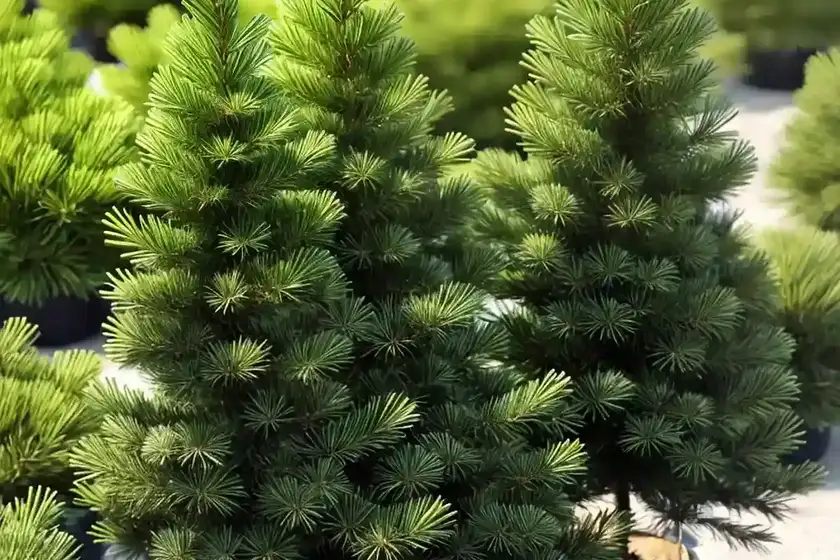
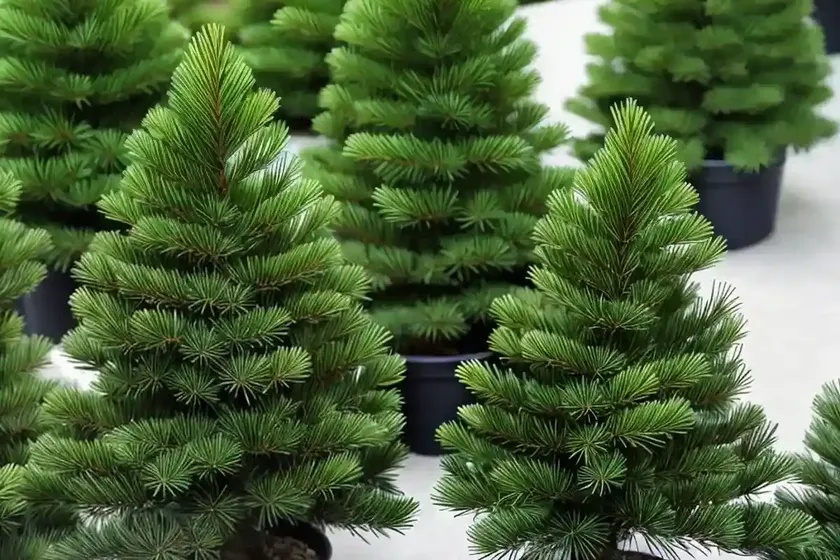
Figure 1: Abies koreana ‘Alpin Star’
What is Abies koreana ‘Alpin Star’ (Korean Fir)?
Abies koreana, commonly known as the Korean Fir, is a species of fir native to the higher mountains of South Korea. It is an evergreen tree with a slow growth rate, ultimately reaching a height of about 30 feet (9.1 meters) and a spread of 10 to 15 feet (3 to 4.6 meters) at maturity.
The cultivar ‘Alpin Star’ is a particularly notable variety of the Korean Fir, prized for its compact, symmetrical growth habit, making it a popular choice for landscaping and ornamental purposes in gardens and parks.
Key Takeaways
Culture
- Hardiness: Zones 5-7
- Growth Rate: Slow
- Mature Height: 30 feet
- Mature Spread: 10-15 feet
- Form: Pyramidal
- Texture: Fine
- Genus: Abies
- Species: Koreana
- Cultivar: ‘Alpin Star’
Uses
- Ornamental: Due to its compact and symmetrical growth, it is a popular ornamental tree in gardens and parks.
- Landscape: Adds an aesthetic appeal to landscapes and can be used as a focal point.
- Wildlife Habitat: Provides shelter and nesting sites for birds and other small animals.
Water
- Watering Needs: Regular watering, particularly during dry periods.
- Soil Moisture: Moist, well-drained soil.
Sunlight
- Sun Requirements: Prefers full to partial sun, at least 6 hours of direct sunlight per day.
- Shade Tolerance: Partial shade tolerant.
Fertilizer
- Fertilization Schedule: Fertilize in the early spring before new growth begins.
- Type of Fertilizer: Balanced, slow-release fertilizer.
Soil
- pH: Slightly acidic to neutral (6.0-7.0)
- Soil Type: Well-draining, loamy soil.
- Soil Amendments: Organic matter can be added to improve soil structure and fertility.
Pruning
- Pruning Time: Best performed in late winter or early spring.
- Pruning Technique: Remove dead, damaged, or diseased branches. Light shaping can also be done to maintain the desired form.
Propagation
- Methods: Seed propagation, grafting, or softwood cuttings.
- Best Time for Propagation: Early spring to early summer.
Container Popularity
- Suitability: Suitable for growing in containers, particularly when young.
- Care: Regular watering and occasional fertilization for container-grown specimens.
Now, let’s delve into each of these aspects in more detail.
Abies koreana ‘Alpin Star’ : Culture
Hardiness
The Korean Fir ‘Alpin Star’ is well-suited for cultivation in hardiness zones 5 to 7. It exhibits good tolerance to cold and can thrive in temperate climate conditions.
Growth Rate and Form
Abies koreana ‘Alpin Star’ is characterized by its slow growth rate, which contributes to its compact and pyramidal form. This growth habit makes it an excellent choice for those seeking a low-maintenance, ornamental tree that can fit well in a variety of garden settings, including small and urban landscapes.
Texture
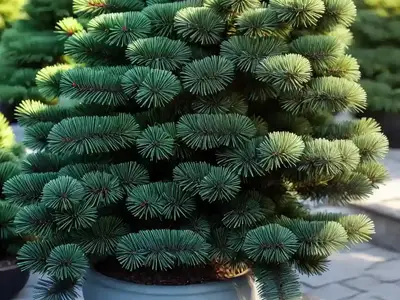
The foliage of Abies koreana ‘Alpin Star’ possesses a fine texture, adding an elegant and delicate quality to its overall appearance.
Uses of Abies koreana ‘Alpin Star’ (Korean Fir)
The Korean Fir ‘Alpin Star’ has numerous applications in horticulture, thanks to its attractive aesthetic features and adaptability to various landscape settings.
Ornamental Value
The compact and symmetrical growth habit, combined with its fine-textured foliage, makes Abies koreana ‘Alpin Star’ a highly sought-after ornamental tree. Its graceful appearance and year-round greenery, even in winter, contribute to its popularity among gardeners and landscapers.
Landscape Planting
When used in landscaping, the Korean Fir ‘Alpin Star’ serves as a striking focal point, whether planted individually or in small groupings. It can be featured in mixed borders, rock gardens, or as part of a woodland garden, where its unique form and texture can be highlighted against a backdrop of other plants.
Wildlife Habitat
Apart from its visual appeal, Abies koreana ‘Alpin Star’ provides functional benefits by serving as habitat for various wildlife species. The dense foliage and branching structure offer shelter for birds and small mammals, enriching the biodiversity of the surrounding environment.
Water Requirements for Korean Fir ‘Alpin Star’
Watering Needs
Proper watering is crucial for the health and vitality of Abies koreana ‘Alpin Star’. While it is essential to ensure consistent soil moisture, providing excessive water can lead to root rot and other moisture-related issues.
Soil Moisture
Abies koreana ‘Alpin Star’ thrives in well-drained soil that retains moisture without becoming waterlogged. It is important to monitor the soil moisture levels, particularly during periods of heat and drought, and water as needed to maintain optimal growing conditions.
Sunlight Preferences for Korean Fir ‘Alpin Star’
Sun Requirements
In terms of sunlight, Abies koreana ‘Alpin Star’ prefers full to partial sun. Providing at least 6 hours of direct sunlight per day is ideal for promoting healthy growth and maintaining the tree’s characteristic form and density.
Shade Tolerance
While the Korean Fir ‘Alpin Star’ thrives in full sun, it also exhibits a degree of tolerance to partial shade. This adaptability allows for more flexibility in its placement within the landscape, making it suitable for areas with varying light conditions.
Fertilizer for Abies koreana ‘Alpin Star’
Fertilization Schedule
To support the growth and vitality of Abies koreana ‘Alpin Star’, fertilization is recommended in the early spring before the onset of new growth. This timing allows the tree to benefit from the nutrients provided by the fertilizer as it enters the active growing season.
Type of Fertilizer
When choosing a fertilizer for Abies koreana ‘Alpin Star’, a balanced, slow-release formula is preferred. This type of fertilizer provides a steady supply of nutrients over an extended period, promoting healthy growth and minimizing the risk of nutrient leaching.
Soil Requirements for Korean Fir ‘Alpin Star’
Soil pH
Abies koreana ‘Alpin Star’ thrives in slightly acidic to neutral soil with a pH range of 6.0 to 7.0. Maintaining the appropriate soil pH level is essential for ensuring proper nutrient uptake and overall plant health.
Soil Type and Structure
Well-draining, loamy soil is well-suited for Abies koreana ‘Alpin Star’. This type of soil provides the necessary balance of moisture retention and drainage, creating a favorable root environment for the tree.
Soil Amendments
In instances where the existing soil conditions are less than ideal, incorporating organic matter, such as compost or well-rotted manure, can be beneficial for improving soil structure and fertility. This practice helps to enhance the overall health and vigor of Abies koreana ‘Alpin Star’.
Pruning Methods for Korean Fir ‘Alpin Star’
Pruning Time
Pruning of Abies koreana ‘Alpin Star’ is best conducted in late winter or early spring when the tree is dormant. This timing allows for the removal of any dead, damaged, or diseased branches without interfering with the tree’s active growth period.
Pruning Technique
The main objectives of pruning Abies koreana ‘Alpin Star’ are to maintain its desirable form and remove any non-vigorous or unhealthy growth. Care should be taken to avoid excessive pruning, as this can disrupt the tree’s natural shape and reduce its ornamental appeal.
Propagation of Abies koreana ‘Alpin Star’
Propagation Methods
Abies koreana ‘Alpin Star’ can be propagated through several methods, including seed propagation, grafting, and softwood cuttings. Each technique offers its own set of advantages and challenges, and the choice of propagation method can depend on factors such as the desired quantity of new plants and the expertise of the propagator.
Best Time for Propagation
For Seed propagation, the ideal time to collect seeds is in the early summer, while softwood cuttings are best taken in the early summer. Understanding the optimal timing for each propagation method is essential for maximizing the success rate of propagation attempts.
Container Gardening with Korean Fir ‘Alpin Star’
Suitability for Containers
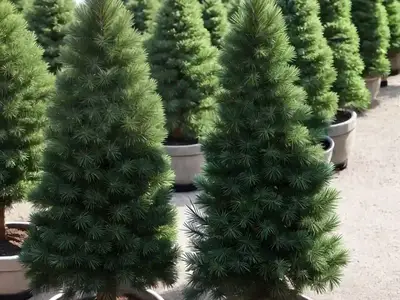
Abies koreana ‘Alpin Star’ is well-suited for container gardening, particularly during its early stages of growth. Container cultivation allows for greater flexibility in placement and provides an opportunity to showcase the tree in various outdoor settings, such as patios, balconies, and terraces.
Care for Container-Grown Specimens
Proper care for Abies koreana ‘Alpin Star’ in containers involves regular watering to maintain adequate soil moisture and occasional fertilization to provide essential nutrients. Additionally, monitoring the root development and potentially repotting the tree as it grows are essential aspects of container gardening with this species.
The Popularity of Korean Fir ‘Alpin Star’ in Horticulture
Ornamental Appeal
The distinct characteristics of Abies koreana ‘Alpin Star’, including its compact form, fine-textured foliage, and year-round greenery, contribute to its popularity as a sought-after ornamental tree. The aesthetic value it offers makes it a desirable choice for both residential and public landscapes.
Landscape Uses
In landscape design, the Korean Fir ‘Alpin Star’ is often employed as a focal point or accent plant, where its unique form and texture can stand out against the backdrop of other plantings. Its adaptability to diverse garden settings further enhances its appeal to landscape designers and homeowners alike.
Environmental Benefits
In addition to its visual appeal, Abies koreana ‘Alpin Star’ provides functional benefits by contributing to the overall ecology of the surrounding environment. Its role in supporting wildlife and enhancing biodiversity further underscores its value in horticulture.
Common Diseases of Korean Fir ‘Alpin Star’
No plant is entirely immune to diseases, and Abies koreana ‘Alpin Star’ is no exception. Understanding the common diseases that may affect this species is crucial for implementing preventative measures and early intervention when necessary.
Disease Diagnosis
Some of the common diseases that can affect Abies koreana ‘Alpin Star’ include:
– Needle Cast Diseases: These fungal diseases can cause discoloration and premature shedding of the tree’s needles.
– Cytospora Canker: This fungal disease can lead to the development of sunken cankers on the branches, ultimately affecting the tree’s overall health.
Common Pests Affecting Korean Fir ‘Alpin Star’
Pest Infestations
Abies koreana ‘Alpin Star’ may be susceptible to infestations by certain pests, including:
– Aphids: These small, sap-feeding insects can cause damage to the foliage and may secrete honeydew, leading to the growth of sooty mold.
– Adelgids: These pests can cause the distortion of new growth and the development of galls on the tree’s needles.
Understanding the signs of pest infestations and implementing appropriate control measures can help protect the health and appearance of Abies koreana ‘Alpin Star’.
Botanist’s Tips for Growing Abies koreana ‘Alpin Star’
Site Selection
When selecting a planting site for Abies koreana ‘Alpin Star’, it is important to consider the tree’s sunlight requirements, soil preferences, and available space for its mature size. Choosing a suitable site from the outset sets the stage for successful growth and development.
Maintenance Practices
Regular monitoring of soil moisture, implementing proper watering and fertilization practices, and conducting timely pruning and disease management are essential components of maintaining the health and vitality of Abies koreana ‘Alpin Star‘.
Wildlife-Friendly Landscaping
Incorporating Abies koreana ‘Alpin Star’ into wildlife-friendly landscaping efforts can contribute to the conservation of local biodiversity. Providing habitat for birds and small animals adds an ecological dimension to the tree’s horticultural significance.
Fun Facts about Abies koreana ‘Alpin Star’
- In its native habitat in South Korea, Abies koreana can be found growing at elevations of 4,900 to 6,900 feet (1,500 to 2,100 meters) above sea level.
- The cones of Abies koreana are distinctively unique, standing upright on the branches and boasting striking purple pigmentation.
- Korean Fir ‘Alpin Star’ has been honored with several horticultural awards, celebrating its exceptional qualities and performance in garden settings.
Links to External Resources
To further explore the fascinating world of Abies koreana ‘Alpin Star’ and expand your knowledge of horticulture, please refer to the following external resources:
In conclusion, Abies koreana ‘Alpin Star’, the Korean Fir, stands as a testament to the diversity and beauty of the plant kingdom. Its ornamental value, adaptability to diverse landscape settings, and ecological contributions underscore its importance in horticulture. By understanding and appreciating its unique characteristics and care requirements, enthusiasts and professionals alike can continue to cultivate and celebrate the timeless allure of this remarkable tree.