The Mystic Blue Stem Goldenrod (Solidago caesia)
The world of plants is an awe-inspiring realm that houses a multitude of species, all with their own unique features and fascinating characteristics. One such intriguing plant is the blue stem goldenrod, scientifically known as Solidago caesia. This perennial herbaceous plant boasts a breath-taking display of delicate yellow flowers on arching stems and is native to the woodlands and meadows of North America. Its botanical elegance and practical uses make it a plant of great interest for gardening enthusiasts, nature lovers, and botanists alike.
What is Blue Stem Goldenrod?
Blue stem goldenrod, or Solidago caesia, belongs to the Asteraceae family, commonly referred to as the aster, daisy, or sunflower family. This species is also known by several other names, including woodland goldenrod, wreath goldenrod, and more. The name “goldenrod” is derived from the plant’s brilliant golden blooms that adorn the landscape during the fall season. Blue stem goldenrod typically reaches heights of 2 to 3 feet and forms spreading colonies through its rhizomatous roots.
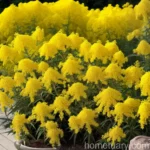
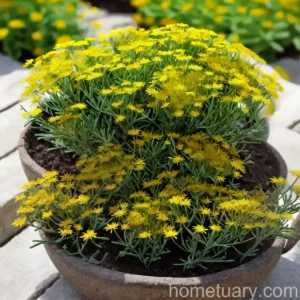
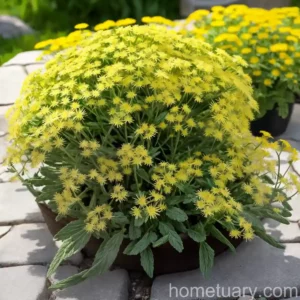
When blooming, the plant features striking yellow flowers, which can attract a range of pollinators including butterflies, bees, and other beneficial insects. The deep green, lance-shaped leaves are arranged alternately along the stems and complement the bright blossoms, creating an enchanting visual spectacle.
Key Takeaways – Blue Stem Goldenrod (Solidago caesia)
The blue stem goldenrod, scientifically known as Solidago caesia, is a captivating perennial plant that boasts numerous distinctive characteristics. Below are the key takeaways:
– Belongs to the Asteraceae family
– Native to woodlands and meadows of North America
– Features delicate yellow flowers on arching stems
– Reaches heights of 2 to 3 feet
– Attracts butterflies, bees, and other pollinators
Cultivation and Uses
Water
One of the reasons why Solidago caesia is favored by gardeners is its minimal water requirements once established. The plant exhibits moderate drought tolerance, yet it thrives best when provided with consistent moisture during its initial establishment phase. An average of an inch of water per week is recommended, particularly during dry spells or in arid regions.
Sunlight
In terms of sunlight requirements, the blue stem goldenrod flourishes in partial to full shade. However, it can tolerate some periods of direct sunlight, as long as the soil moisture is maintained. When grown in shaded environments, the plant displays its charming flowers and lush foliage to their full potential.
Fertilizer
Blue stem goldenrod is not particularly demanding in terms of fertilizer. It generally grows well in average garden soil without the need for extensive fertilization. However, an application of a balanced, slow-release fertilizer in early spring can promote healthy growth and vibrant flowers.
Soil
The plant thrives in well-draining soils with a slightly acidic to neutral pH range. It is adaptable to a variety of soil types, including loamy, sandy, and clay soils. Prior to planting, amending the soil with organic matter can help improve its overall structure and fertility, creating an optimal environment for the blue stem goldenrod to thrive.
Pruning
Minimal pruning is required for Solidago caesia. Deadheading spent flowers or removing any damaged or diseased stems can help maintain the plant’s attractive appearance and promote continuous blooming. When undertaking pruning tasks, it is imperative to use clean, sharp tools to prevent the spread of diseases.
Propagation
The blue stem goldenrod can be propagated through both seeds and division. Seeds collected from the plant’s flowers can be sown outdoors in the fall, or started indoors and then transplanted. The division of existing clumps in early spring can also yield new plants and rejuvenate older ones. The resulting divisions should be replanted immediately or potted up in a suitable growing medium.
Container Popularity
Due to its manageable size and attractive appearance, Solidago caesia is also sought after as a container plant. Its ability to thrive in partial shade makes it a versatile option for adding a touch of natural beauty to shaded patios, balconies, and other outdoor spaces.
Common Diseases and Pests
While generally robust, the blue stem goldenrod can be susceptible to certain diseases and pests. Common issues include powdery mildew, rust, and aphid infestations. Vigilant monitoring and proper plant care practices, such as adequate air circulation and the use of resistant varieties, can help prevent and manage these problems effectively.
Disease Diagnosis
- Powdery Mildew: A fungal disease characterized by a powdery white coating on the leaves and stems, often caused by high humidity and poor air circulation.
- Rust: Identified by orange-brown pustules on the undersides of leaves, rust is another fungal disease that can impact the blue stem goldenrod.
- Aphids: These small, soft-bodied insects can infest new growth and succulent plant parts, causing distorted growth and honeydew secretion.
Common Pests
In addition to aphids, other potential pests include leafhoppers, spider mites, and caterpillars. Regular inspections and the timely application of appropriate pest control measures can help keep these nuisances at bay.
Botanist’s Tips
For optimal growth and stunning floral displays, consider the following botanist’s tips for cultivating blue stem goldenrod:
– Provide moderate, consistent moisture, especially during the establishment phase, while ensuring well-draining soils.
– Place the plant in a location that receives partial to full shade, with protection from intense midday sun in warmer climates.
– Consider dividing existing clumps to propagate new plants and maintain the health of older ones.
– Monitor the plant for signs of diseases and pests, and employ appropriate measures to prevent and address any issues that may arise.
Fun Facts
The captivating blue stem goldenrod harbors a few intriguing facts that add to its allure:
– The plant is a valuable source of nectar for various pollinators, contributing to the ecological balance of its natural habitats.
– Its vibrant yellow flowers and lush foliage make it an enchanting addition to woodland gardens, shaded borders, and native plant landscapes.
– Blue stem goldenrod possesses traditional medicinal uses, attributed to its astringent properties and has been historically utilized in herbal remedies for various ailments.
In the vast world of horticulture, Solidago caesia holds its own special place, offering both aesthetic charm and ecological significance. From its versatile uses in gardens to its ecological contributions and fascinating characteristics, the blue stem goldenrod remains an enduring favorite among plant enthusiasts.
Links to External Resources
To further explore and enhance your knowledge of the blue stem goldenrod, the following links to external resources provide invaluable information and insights:
1. Lady Bird Johnson Wildflower Center – Solidago caesia
2. Missouri Botanical Garden – Solidago caesia
3. USDA Plants Database – Solidago caesia
4. The Xerces Society for Invertebrate Conservation – Pollinator Conservation Resource Center
5. North Carolina Extension Gardener Plant Toolbox – Solidago caesia