Lilac (Syringa ‘Penda’ BLOOMERANG): A Complete Guide
What is a Lilac (Syringa ‘Penda’ BLOOMERANG)?
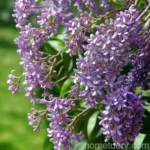
Lilac (Syringa ‘Penda’ BLOOMERANG) is a stunning deciduous shrub that is highly esteemed for its captivating fragrance and beautiful clusters of flowers. With its vibrant purple blooms and delightful scent, this plant has become a cherished addition to many gardens and landscapes.
Key Takeaways – Lilac (Syringa ‘Penda’ BLOOMERANG)
- Lilac (Syringa ‘Penda’ BLOOMERANG) is a fragrant, deciduous shrub known for its stunning purple blooms.
- It belongs to the species Syringa vulgaris ‘Penda’ BLOOMERANG and is popular for its ability to bloom multiple times in a single season.
- Proper care, including adequate sunlight, watering, and pruning, is essential for maintaining the health and beauty of the lilac plant.
- The lilac is a versatile plant that can be grown in the ground or in containers, making it suitable for various gardening preferences.
Now, let’s delve deeper into the various aspects of cultivating and caring for the lilac (Syringa ‘Penda’ BLOOMERANG), uncovering its cultural preferences, uses, and tips for keeping it healthy and vibrant.
Culture
Uses
Lilac (Syringa ‘Penda’ BLOOMERANG) is a versatile plant that serves various purposes in a garden or landscape setting:
– Ornamental beauty: Its stunning blooms and fragrance make it an excellent choice for adding visual and olfactory appeal to the landscape.
– Hedge or border plant: The lilac’s dense growth habit makes it well-suited for creating hedges or borders in gardens.
Water
Proper watering is crucial for the health and vigor of the lilac plant. Here are some essential watering guidelines:
– Established plants: Water deeply and less frequently, allowing the soil to dry out slightly between watering sessions.
– Newly planted or potted lilacs: Ensure consistent moisture but avoid waterlogging the soil, as this can lead to root rot.
Sunlight
Lilacs thrive in full sun, where they receive at least six hours of direct sunlight per day. Adequate sunlight is essential for promoting plentiful blooms and overall plant vigor.
Fertilizer
Fertilizing lilacs can promote healthy growth and abundant flowering. Consider the following tips for fertilizing your lilac (Syringa ‘Penda’ BLOOMERANG):
– Timing: Apply fertilizer in early spring before new growth begins and once again after the first bloom cycle.
– Type of fertilizer: Use a balanced, slow-release fertilizer formulated for flowering shrubs.
– Application: Spread the fertilizer evenly around the base of the plant, following the specific instructions on the product label.
Soil
The lilac thrives in well-draining, slightly alkaline soil. When planting or re-potting your lilac, consider the following soil requirements:
– Well-draining: Ensure the soil has good drainage to prevent waterlogged conditions that can lead to root problems.
– pH level: Aim for a slightly alkaline soil pH in the range of 6.5 to 7.5, which supports optimal nutrient uptake.
Pruning
Proper pruning is essential for shaping the lilac plant, promoting flower production, and maintaining overall plant health. Here are some key pruning guidelines:
– Timing: Prune lilacs right after the blooming period to avoid cutting off next year’s flower buds.
– Pruning techniques: Remove any dead or diseased wood, as well as spent blooms and overly long or crossing branches to encourage a more compact and tidy growth habit.
Propagation
Lilacs can be propagated through various methods, including:
– Softwood cuttings: Take softwood cuttings from healthy, young stems in early summer and root them in a propagation medium.
– Suckers: Lilacs often produce offshoots from their roots, which can be carefully separated and transplanted to create new plants.
Container Popularity
The lilac (Syringa ‘Penda’ BLOOMERANG) is a popular choice for container gardening, offering several benefits:
– Space-saving: Ideal for smaller gardens or urban settings where space is limited.
– Portability: Containers allow you to move the plant to different locations to optimize sunlight and aesthetics.
– Versatility: You can grow lilacs in containers on patios, balconies, or other outdoor spaces, bringing their beauty and fragrance closer to your living areas.
Container Care
When growing lilacs in containers, consider the following care tips to ensure the plant’s health and vigor:
– Large containers: Use spacious containers to allow ample room for root growth and prevent overcrowding.
– Quality potting mix: Choose a well-draining potting mix formulated for shrubs and amend it with perlite or sand for improved drainage.
– Watering: Monitor the soil moisture closely and water the container-grown lilac as needed to keep the soil consistently moist but not waterlogged.
Common Diseases
Lilacs are generally hardy plants, but they can be susceptible to certain diseases under unfavorable conditions. Here are some common diseases that may affect the lilac plant:
Disease Diagnosis
- Powdery mildew: Characterized by a white, powdery growth on the leaves, this fungal disease can weaken the plant if left untreated.
- Bacterial blight: Symptoms include dark, water-soaked spots on the leaves, which can lead to extensive foliage damage if not addressed promptly.
- Botrytis blight: This fungal disease can cause brown spots and blighting of flowers and young shoots, often thriving in humid conditions.
Botanist’s Tips
To prevent and manage common lilac diseases, consider the following botanist’s tips:
– Prune selectively: Regularly remove and dispose of diseased plant parts to prevent the spread of pathogens.
– Proper spacing: Allow adequate air circulation between lilac plants to reduce humidity and minimize the risk of fungal diseases.
– Fungicidal treatments: In severe cases, consider applying fungicidal treatments as a preventive measure, especially during periods of high humidity.
Common Pests
Lilacs can also fall prey to various pests that can compromise their health and appearance. Some common pests that may affect lilac plants include:
– Aphids: These tiny insects can cluster on new growth, sucking plant juices and causing deformed leaves and stunted growth.
– Lilac borers: The larvae of lilac borers can tunnel into the stems, leading to wilting and dieback of affected plant parts.
– Scale insects: These pests can appear as small, waxy bumps on the stems and leaves, often causing yellowing and weakening of the plant.
Botanist’s Tips
To manage and control common lilac pests, consider the following botanist’s tips:
– Natural predators: Encourage the presence of natural predators, such as ladybugs and lacewings, which feed on aphids and other small insects.
– Pruning practices: Regularly prune and dispose of infested plant parts to remove and disrupt the life cycle of pests.
– Horticultural oils: Consider using horticultural oils to suffocate and control scale insects and their eggs during the dormant season.
Fun Facts
- The lilac’s captivating fragrance has inspired poets and artists for centuries, symbolizing love, renewal, and the arrival of spring.
- Lilac blooms can range in color from pale lilac to deep purple, and some varieties even exhibit white or pink blossoms.
- The scent of lilac is commonly used in perfumery and aromatherapy, prized for its calming and uplifting properties.
As you explore the enchanting world of lilacs, consider incorporating these fascinating and useful snippets of information into your gardening adventures.
Links to External Resources
For further exploration and detailed information on lilac (Syringa ‘Penda’ BLOOMERANG) and related topics, consider the following external resources:
- The Spruce – How to Grow and Care for Lilac Bushes
- Royal Horticultural Society – Lilacs: Planting and Aftercare
- University of Minnesota Extension – Lilacs for Cold Climates
These resources offer practical insights, expert tips, and in-depth guidance to enrich your knowledge and enhance your experience with lilacs.
In conclusion, the lilac (Syringa ‘Penda’ BLOOMERANG) stands as a beloved symbol of beauty and fragrance in the plant kingdom. With proper care and attention to its cultural needs, this enchanting shrub can grace your garden with its captivating blooms and delightful scent, enriching your outdoor spaces and uplifting your senses.
Harness the power of lilacs to create a vibrant, aromatic landscape that brings joy and tranquility to your surroundings, embodying the timeless allure of this cherished plant species.
Remember, the journey of nurturing and enjoying lilacs is a rewarding experience that unfolds with each season, offering a tapestry of colors, scents, and natural wonders.
Endeavor to engage with the lilac (Syringa ‘Penda’ BLOOMERANG) and unlock its full potential in your garden, drawing inspiration from its timeless elegance and profound contributions to the botanical realm.