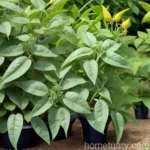
All About Eggplant (Solanum melongena ‘Patio Baby’)
Introduction
Eggplant, scientifically known as Solanum melongena, is a warm-season vegetable that is widely appreciated for its versatility, unique texture, and rich flavor. Among the various cultivars, Patio Baby stands out as a compact and productive variety, making it an ideal choice for container gardening and small-space cultivation.
In this comprehensive guide, we will delve into the various aspects of cultivating Patio Baby eggplant, covering its cultural requirements, propagation, common diseases, pests, and several essential tips for successful gardening. Whether you are an urban gardener, a beginner, or an experienced enthusiast, this article aims to provide valuable insights into nurturing this delightful crop in limited spaces and containers.
What is Eggplant ‘Patio Baby’ (Solanum melongena ‘Patio Baby’)?
Patio Baby is a compact and prolific dwarf eggplant cultivar that is specifically bred for patio or container gardening. This variety typically yields small, glossy, purple fruits that are perfect for culinary use, making it an attractive addition to urban and small-space gardens. With its manageable size and ability to thrive in containers, Patio Baby presents an excellent opportunity for individuals with limited gardening space to enjoy the rewards of homegrown eggplants.
Key Takeaways – Eggplant ‘Patio Baby’
Culture
- Compact and productive dwarf eggplant
- Suitable for patio and container gardening
- Yields small, glossy, purple fruits
- Ideal for small-space and urban gardens
Uses
- Culinary use in various dishes
- Decorative addition to gardens and patios
Water
- Consistent moisture required
- Avoid waterlogging
- Water deeply and less frequently
Sunlight
- Full sun exposure (6-8 hours per day)
- Provide adequate light for fruit development
Fertilizer
- Balanced fertilizer with higher potassium
- Avoid excessive nitrogen
- Fertilize regularly during the growing season
Soil
- Well-draining, fertile soil
- pH range of 6.0-6.8
- Organic matter incorporation
Pruning
- Encourages fruit development
- Removal of unwanted growth
- Enhances air circulation
Propagation
- Seeds or transplants
- Start seeds indoors for early establishment
- Transplant carefully into containers
Container Popularity
- Ideal for small-space gardens
- Suitable for balconies, patios, and urban settings
- Compact growth habit
Common Diseases
- Early blight
- Verticillium wilt
- Anthracnose
Disease Diagnosis
- Leaf spot symptoms
- Wilting or yellowing of leaves
- Fruit discoloration or rot
Common Pests
- Flea beetles
- Aphids
- Spider mites
- Cutworms
Botanist’s Tips
- Regular monitoring for pests and diseases
- Adequate spacing between plants in containers
- Mulching to conserve moisture and suppress weeds
Fun Facts
- Eggplant is botanically a fruit
- Comes in various colors and shapes
- Belongs to the nightshade family, Solanaceae
Watering Eggplant ‘Patio Baby’
Proper watering is essential for the successful cultivation of Patio Baby eggplants. Consistent moisture levels are vital for healthy plant growth and fruit development. However, it is crucial to avoid waterlogging, which can lead to root rot and other soil-borne issues. Here are some essential watering guidelines for Patio Baby eggplants:
- Water deeply and less frequently to encourage root establishment and avoid shallow rooting.
- Monitor the soil moisture regularly, especially during hot and dry periods.
- Consider mulching the containers to retain soil moisture and reduce water evaporation.
- Adjust the watering frequency based on the environmental conditions and the moisture retention capabilities of the container.
Sunlight Requirements for Eggplant ‘Patio Baby’
Patio Baby eggplants thrive in full sun conditions, requiring at least 6-8 hours of direct sunlight daily. Adequate sunlight exposure is essential for robust plant growth, flower formation, and fruit development. When growing eggplants in containers or on patios, ensure that they receive sufficient light by considering the following:
- Position the containers in a location that receives maximum sunlight exposure, such as south-facing balconies or open patios.
- Utilize reflective surfaces or light-colored containers to maximize light penetration and distribution to the plants.
- During periods of inadequate sunlight, consider supplementary lighting options such as LED grow lights to ensure consistent and sufficient light levels for the plants.
Fertilizing Patio Baby Eggplants
Proper fertilization is crucial for supporting the vigorous growth and fruit production of Patio Baby eggplants. When selecting fertilizers for container-grown eggplants, it is essential to consider the specific nutritional needs of the plants. Here are some key fertilizing recommendations for Patio Baby eggplants:
- Utilize a balanced fertilizer with a relatively higher potassium content to promote fruit development and overall plant health.
- Avoid excessive nitrogen levels, as this can lead to lush foliage growth at the expense of fruit formation.
- Apply fertilizers regularly throughout the growing season, following the recommended application rates and timing based on the plant’s growth stage and the specific fertilizer formulation.
Soil Requirements for Patio Baby Eggplants
The soil composition and quality play a significant role in the successful cultivation of Patio Baby eggplants in containers. Well-draining, fertile soil with adequate nutrient levels is essential for supporting healthy plant growth and fruit production. Consider the following soil recommendations for growing Patio Baby eggplants in containers:
- Utilize a well-draining potting mix specifically formulated for container gardening, or prepare a custom mix by combining peat moss, perlite, and compost.
- Maintain a slightly acidic to neutral pH range of 6.0-6.8 to support optimal nutrient uptake by the plants.
- Incorporate organic matter such as compost or well-rotted manure to improve the soil structure, water retention, and nutrient availability for the plants.
Pruning Practices for Patio Baby Eggplants
Pruning plays a beneficial role in managing the growth, productivity, and overall health of Patio Baby eggplants in containers. By selectively removing unwanted growth and maintaining a compact growth habit, gardeners can promote better air circulation, sunlight penetration, and fruit development. Here are some essential pruning practices for Patio Baby eggplants:
- Regularly remove the lateral shoots and side branches to encourage the development of the main stem and primary fruit-bearing branches.
- Prune out any diseased, damaged, or overcrowded foliage to prevent the spread of diseases and optimize the plant’s energy utilization.
- Consider selective pruning to control the overall size of the plants and maintain an aesthetically pleasing and manageable appearance in container gardens.
Propagation Methods for Patio Baby Eggplants
Patio Baby eggplants can be successfully propagated from seeds or transplants, offering flexibility in establishing new plants for container gardening. Whether starting from seeds indoors for early establishment or transplanting nursery-bought seedlings, the following propagation methods can be utilized for Patio Baby eggplants:
- Start seeds indoors approximately 6-8 weeks before the anticipated outdoor planting date to provide sufficient time for germination and early growth.
- Transplant the seedlings into containers once they have developed a robust root system and are capable of withstanding the outdoor growing conditions.
- Handle the transplanting process carefully to minimize root disturbance and ensure a smooth transition for the young eggplant plants.
Container Popularity of Patio Baby Eggplants
The compact growth habit and prolific fruiting nature of Patio Baby eggplants make them highly popular choices for container gardening, especially in urban and small-space settings. The ability to thrive and produce an abundance of small, glossy fruits in limited spaces makes Patio Baby a favored selection for balcony, patio, and small garden environments. The following factors contribute to the popularity of Patio Baby eggplants in containers:
- Suitable for compact gardens, balconies, and patios where space is limited
- Provides an opportunity for individuals living in urban settings to grow their own fresh eggplants
- Offers a visually appealing addition to container gardens, with attractive foliage and colorful fruits
Common Diseases Affecting Patio Baby Eggplants
While Patio Baby eggplants exhibit resilience and adaptability, they are susceptible to certain diseases that can impact their growth and productivity. Recognizing the symptoms and implementing timely preventive measures is essential for managing and mitigating the impact of common diseases. The following diseases are known to affect Patio Baby eggplants:
- Early Blight (Alternaria solani): Characterized by the development of dark brown lesions on the leaves, which can spread to the stems and fruits, leading to plant decline.
- Verticillium Wilt (Verticillium spp.): Causes wilting, yellowing, and eventual decline of the plant, often leading to the browning and discoloration of vascular tissues.
- Anthracnose (Colletotrichum spp.): Results in the development of dark, sunken lesions on the fruits, often leading to rotting and reduced marketability.
Diagnosis of Diseases in Patio Baby Eggplants
Effectively diagnosing and identifying diseases in Patio Baby eggplants is key to implementing targeted management strategies and preventing further spread. By closely monitoring the plants and recognizing the characteristic symptoms, gardeners can take necessary actions to address and control the diseases. Here are some common signs and symptoms for diagnosing diseases in Patio Baby eggplants:
- Leaf Spot Symptoms: Watch for the development of dark spots or lesions on the leaves, often accompanied by yellowing or browning of the affected areas.
- Wilting or Yellowing of Leaves: Monitor the foliage for signs of wilting, yellowing, or drooping, which can indicate potential vascular diseases or nutrient deficiencies.
- Fruit Discoloration or Rot: Examine the fruits for any discoloration, sunken lesions, or signs of rotting, which may indicate the presence of fungal or bacterial infections.
Common Pests Affecting Patio Baby Eggplants
In addition to diseases, Patio Baby eggplants are susceptible to various pests that can compromise their growth and fruit production. Implementing pest monitoring and control measures is essential for safeguarding the plants from detrimental infestations. The following pests are known to affect Patio Baby eggplants in container gardens:
- Flea Beetles: Small, jumping beetles that cause characteristic tiny holes in the leaves, leading to reduced photosynthetic capacity and stunted growth.
- Aphids: Small, soft-bodied insects that often congregate on the undersides of leaves, sucking sap and excreting honeydew, which can lead to sooty mold development and plant weakening.
- Spider Mites: Tiny arachnids that feed on the plant sap, causing stippling, webbing, and overall decline in plant vigor.
- Cutworms: Larvae of certain moth species that feed on the stems and foliage, resulting in wilting, damage, and potential plant mortality.
Botanist’s Tips for Growing Patio Baby Eggplants
As a botanist specializing in small-space and container gardening, I would like to share some valuable tips and insights for successfully growing Patio Baby eggplants. These recommendations aim to enhance the gardening experience and maximize the productivity and visual appeal of the container-grown eggplants:
- Regular Monitoring for Pests and Diseases: Stay vigilant and regularly inspect the plants for any signs of pests, diseases, or nutrient deficiencies, allowing for timely interventions and management strategies.
- Adequate Spacing Between Plants in Containers: Provide sufficient spacing between Patio Baby eggplants in containers to promote air circulation, reduce competition, and optimize light exposure for individual plants.
- Mulching to Conserve Moisture and Suppress Weeds: Apply a layer of organic mulch around the base of the plants to conserve soil moisture, regulate temperature, and minimize weed growth in the containers.
Fun Facts About Eggplants
While exploring the world of eggplants and their cultivation, it’s fascinating to uncover some fun and intriguing facts about these versatile vegetables. Here are a few fun facts about eggplants that highlight their unique characteristics and historical significance:
- Botanical Fruit: Despite being commonly referred to as a vegetable, eggplant is a botanical fruit, belonging to the nightshade family, Solanaceae.
- Variety of Colors and Shapes: Eggplants come in an array of colors, including purple, white, and striped varieties, and can exhibit diverse shapes and sizes, from elongated to round forms.
- Culinary Versatility: Eggplants are utilized in various global cuisines, often celebrated for their unique texture, ability to absorb flavors, and adaptability to diverse cooking methods.
Links to External Resources
For further information and resources related to the cultivation and care of Patio Baby eggplants, as well as container gardening tips and small-space vegetable cultivation, consider exploring the following links:
- Container Vegetable Gardening Guide
- Small-Space Gardening Techniques
- Eggplant Growing Tips and Varieties
- Urban Gardening Ideas
- Container Gardening Secrets
In conclusion, the cultivation of Patio Baby eggplants presents an exciting opportunity for urban and small-space gardeners to enjoy the pleasures of homegrown produce in compact environments. By understanding and implementing the key cultural practices, disease and pest management strategies, and propagation techniques, individuals can successfully nurture and harvest a bountiful supply of small, glossy eggplants in their container gardens. Whether you are new to patio gardening or seeking to expand your vegetable cultivation efforts, the compact and fruitful nature of Patio Baby eggplants makes them a delightful addition to diverse gardening spaces. With the right care, attention, and gardening enthusiasm, growing Patio Baby eggplants can be a rewarding and enriching experience for all enthusiasts and urban gardening enthusiasts.