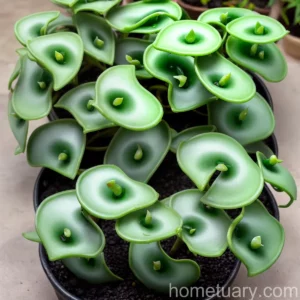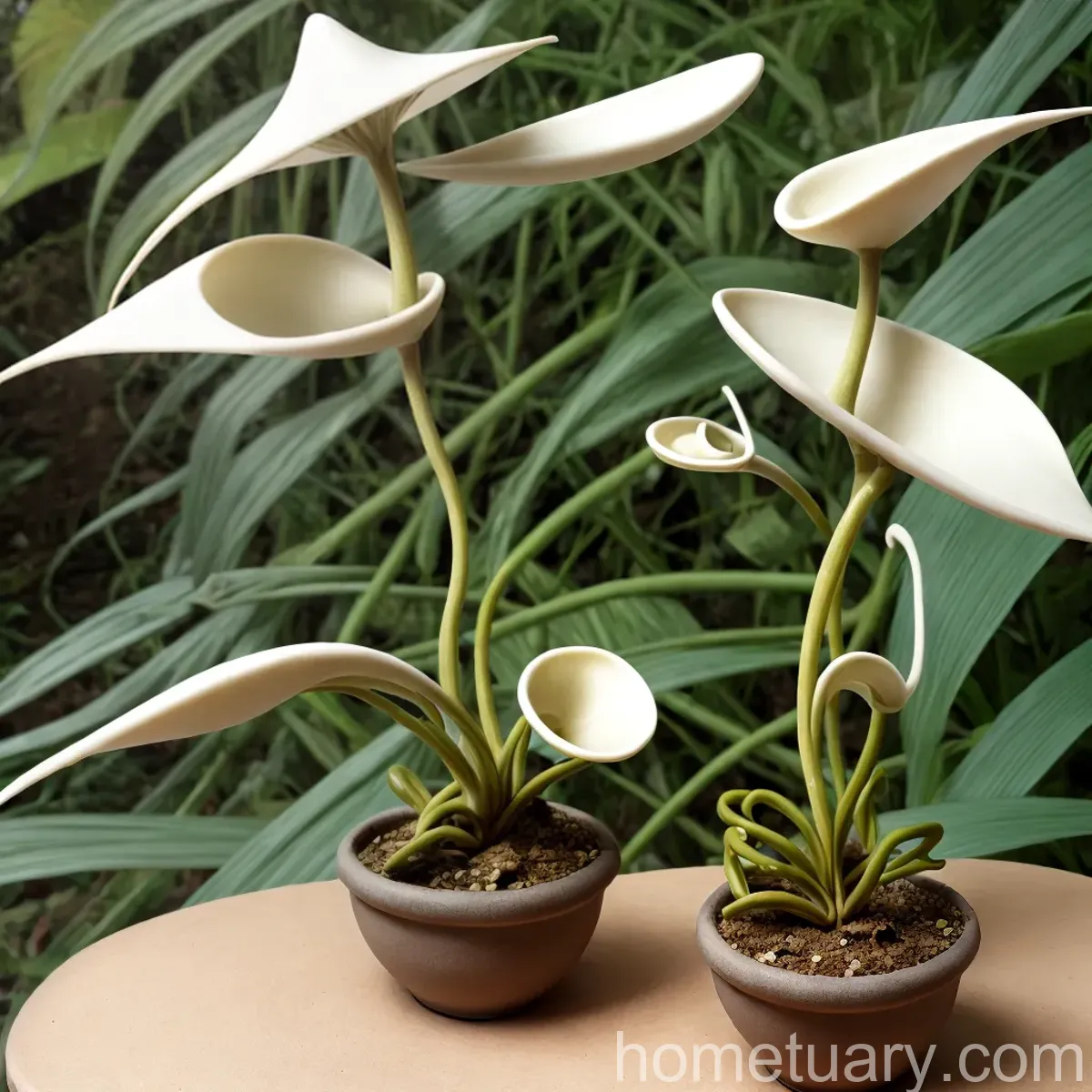
Giant Ceropegia (Ceropegia Sandersonii) Care Guide
Giant Ceropegia, scientifically known as Ceropegia Sandersonii, is a visually captivating and delicate plant that has captured the attention of plant enthusiasts around the world. This care guide is crafted to provide plant enthusiasts, both beginners and experts, with comprehensive information on the culture, uses, propagation, common diseases, and more about the Giant Ceropegia. Ceropegia Sandersonii, also known as the parachute plant, is an exotic and unusual plant that belongs to the Apocynaceae family. Originating from South Africa, it has become a popular choice for indoor and outdoor decor owing to its unique characteristics and intriguing appearance.
With its fascinating blooms and attractive foliage, the Giant Ceropegia is a plant that captivates anyone who encounters it. Its distinct features and specific care requirements make it an intriguing addition to any plant collection. This comprehensive care guide will equip you with the knowledge needed to cultivate and care for the Giant Ceropegia successfully, ensuring that it thrives in your home or garden.
What is Plant: Giant Ceropegia (Ceropegia Sandersonii)?
Giant Ceropegia, also known as Ceropegia Sandersonii, is a stunning plant that belongs to the Ceropegia genus and Apocynaceae family. This perennial plant is native to South Africa, where it is found growing in a variety of habitats, including dry savannahs and rocky outcrops. Its unique appearance and striking flowers have made it a sought-after addition to many households and botanical collections.
Key Takeaways – Giant Ceropegia (Ceropegia Sandersonii)
- Scientific Name: Ceropegia Sandersonii
- Common Name: Giant Ceropegia, Parachute Plant
- Family: Apocynaceae
- Native Habitat: South Africa
- Growth Habit: Perennial
- Special Features: Unique parachute-like flowers.
- Uses: Indoor decoration, ornamental plant.
Culture
Uses
The Giant Ceropegia, with its striking appearance and intriguing flowers, is primarily cultivated for its ornamental value. Its distinctive foliage and captivating parachute-shaped blooms make it a unique and visually appealing addition to any indoor or outdoor setting. Whether grown in a hanging basket, as part of a container garden, or as a standalone specimen, the Giant Ceropegia is sure to attract attention and admiration.
Water
Proper watering is crucial for the health and vigor of the Giant Ceropegia. As with many plants, it is important to strike a balance, ensuring that the plant neither suffers from underwatering nor overwatering. The soil should be allowed to dry out slightly between watering sessions, as the plant is susceptible to root rot if kept in consistently damp conditions. During the growing season, typically spring and summer, the Giant Ceropegia should be watered regularly, allowing excess water to drain from the pot to prevent waterlogged soil.
In contrast, during the plant’s dormant period in the fall and winter, water should be reduced, and the soil should be allowed to dry out more thoroughly between watering. When watering, it is important to apply water directly to the soil and avoid wetting the leaves or delicate flowers, as this can lead to potential damage and disease.
Sunlight
In its natural habitat, the Giant Ceropegia is accustomed to bright, indirect light, making it well-suited for indoor cultivation. When grown indoors, it thrives in locations with bright, filtered sunlight, such as near a south- or west-facing window. Direct, intense sunlight can scorch the leaves and delicate flowers, so it is important to shield the plant from harsh midday sun.
If you are cultivating the Giant Ceropegia outdoors, it is essential to provide it with partial shade, especially during the hottest part of the day. Shaded areas with dappled sunlight or light, filtered shade are ideal for ensuring the plant’s well-being and promoting healthy growth.
Fertilizer
Fertilizing the Giant Ceropegia can help support its growth and encourage the production of its unique flowers. During the plant’s active growing season in spring and summer, it can benefit from regular, balanced fertilizer applications. A water-soluble fertilizer formulated for flowering houseplants or a fertilizer with a balanced NPK ratio can be used at half the recommended strength to prevent over-fertilization.
Fertilizer applications should be scaled back or ceased altogether during the plant’s dormant period in fall and winter to align with its reduced growth and metabolic activity. Always ensure that the soil is moist before applying fertilizer, and never fertilize a dry or stressed plant, as this can lead to root damage and nutrient imbalances.
Soil
The right soil mix is crucial to the well-being of the Giant Ceropegia. A well-draining, porous soil mixture that supports air circulation around the roots is essential for preventing waterlogged conditions and maintaining the plant’s overall health. A combination of peat-based potting mix and perlite or coarse sand is widely recommended for cultivating the Giant Ceropegia in containers, ensuring that excess water can drain freely and the roots have access to oxygen.
When preparing the soil mix, it is important to incorporate organic matter that can contribute to the soil’s moisture retention and nutritional content. However, the overall soil structure should prioritize drainage and aeration to prevent moisture-related issues and root suffocation. As a general guideline, the soil mix should be well-balanced, offering a blend of moisture retention and drainage capabilities to support the plant’s growth.
Pruning
Pruning plays a role in maintaining the health, appearance, and shape of the Giant Ceropegia. Removal of spent blooms, dead or damaged foliage, and leggy growth can help rejuvenate the plant and encourage the development of new shoots and flowers. Pruning is best done in the spring, just as the plant begins its active growth phase, ensuring that any necessary pruning does not interfere with the blooming cycle.
The delicate and unique blooming structures of the Giant Ceropegia should be handled with care during pruning, ensuring that the plant’s distinct flowers are not inadvertently damaged. Utilizing clean, sharp pruning tools can minimize the risk of tearing and bruising the plant’s tissues, reducing the potential for infection and promoting efficient healing of pruned areas.
Propagation
Propagation of the Giant Ceropegia can be achieved through various methods, including stem cuttings, division, and layering. Stem cuttings are one of the most common and straightforward propagation techniques for this plant. When propagating through stem cuttings, it is essential to select healthy, non-flowering stems and cut them just below a node, which is where leaves and auxiliary buds are located. The cuttings can be placed in a well-draining, moist propagation medium to encourage the development of roots.
Another method of propagation involves dividing the plant, separating healthy, established clumps into individual sections, each with its own roots and growing points. This technique can be employed during repotting, providing an opportunity to propagate the plant while also refreshing its growing environment.
Layering, a method that involves inducing roots to form on a portion of a stem that is still attached to the parent plant, is another viable propagation strategy. By gently wounding a section of the stem and encouraging it to come into contact with a rooting medium, roots can be stimulated to develop, eventually allowing the newly rooted section to be separated and established as an independent plant.
Container Popularity
When it comes to indoor cultivation, the Giant Ceropegia is often cultivated in hanging baskets, where its trailing growth habit and unique flowers can be showcased to their full potential. Hanging baskets provide an attractive way to display the plant’s distinctive foliage and blooms, allowing them to cascade gracefully and creating an eye-catching feature in any living space.
In addition to hanging baskets, the Giant Ceropegia can also be grown in containers, particularly those with ample drainage holes that prevent water from accumulating around the roots. Containers allow for greater flexibility in the plant’s placement and offer the opportunity to create striking arrangements by incorporating the Giant Ceropegia alongside other complementary plants, further enhancing its visual appeal.
Common Diseases
While the Giant Ceropegia is generally a hardy and resilient plant, it can be susceptible to certain diseases and issues that may affect its overall well-being. Being aware of the common diseases and their symptoms is essential for early diagnosis and effective management to prevent the spread of disease and the potential decline of the plant.
Disease Diagnosis
-
Root Rot: Root rot is often caused by overwatering and poorly draining soil, leading to the development of waterlogged conditions and subsequent damage to the plant’s roots. Symptoms of root rot include yellowing or wilting foliage, stunted growth, and a foul odor emanating from the soil. If left untreated, root rot can lead to the eventual death of the plant.
-
Leaf Spot: Leaf spot diseases, caused by fungal or bacterial pathogens, can manifest as dark or discolored spots on the plant’s leaves. These spots may increase in size and quantity if left unchecked, eventually leading to leaf yellowing, defoliation, and a decline in the plant’s overall health.
-
Powdery Mildew: Powdery mildew presents as a superficial, powdery growth on the plant’s leaves, stems, and flowers, often caused by fungal pathogens. This disease can impact the plant’s ability to photosynthesize effectively, leading to reduced vigor and the potential for secondary issues.
-
Botrytis Blight: Botrytis blight, also known as gray mold, is a fungal disease that can affect the plant’s flowers and foliage, leading to the development of fuzzy, gray mold on infected areas. This disease can rapidly spread in humid conditions, potentially causing extensive damage to the plant.
Common Pests
In addition to diseases, the Giant Ceropegia may also be subject to attacks from various pests that can negatively impact its growth and appearance. Identifying and addressing potential pest issues promptly is essential for mitigating damage and maintaining the plant’s overall health.
-
Aphids: These small, soft-bodied insects can congregate on the plant’s tender shoots and foliage, sucking the sap from the plant and potentially spreading viral diseases. Aphid infestations can cause stunted growth, distorted foliage, and the development of sticky honeydew, which can attract sooty mold.
-
Mealybugs: Mealybugs are small, white, cottony insects that can infest the Giant Ceropegia, hiding in protected areas such as leaf axils and stem joints. They feed on the plant’s sap, leading to weakened growth and the potential for the development of sooty mold. Mealybug infestations can be detrimental if not addressed effectively.
-
Spider Mites: These tiny arachnids can cause damage by feeding on the plant’s cells, leading to stippled, discolored foliage and the formation of fine webbing on affected areas. Spider mites thrive in hot, dry conditions and can rapidly multiply, potentially causing significant damage if left unchecked.
-
Scale Insects: Scale insects can infest the Giant Ceropegia, appearing as small, brown, or white raised bumps on the plant’s stems and leaves. They can cause weakening of the plant, reduced vigor, and eventual dieback if not managed effectively. Scale insects can also exude honeydew, leading to sooty mold formation and further complications.
Botanist’s Tips
As a plant enthusiast and botanist, here are some key tips to help ensure the successful cultivation and care of the Giant Ceropegia:
-
Soil Draining: Use a well-draining soil mix to prevent waterlogging and root suffocation, ensuring the overall health and vitality of the plant.
-
Pruning Technique: When pruning the Giant Ceropegia, utilize clean, sharp pruning tools to minimize the risk of damage and promote efficient healing of pruned areas.
-
Pest Monitoring: Regularly monitor the plant for signs of pests and disease, addressing any issues promptly to prevent widespread damage and decline.
-
Propagation Preparation: When propagating the Giant Ceropegia, prepare a suitable rooting medium and provide the appropriate environmental conditions to support successful root development.
-
Light Management: Ensure that the plant receives bright, indirect light for optimal growth, avoiding direct, intense sunlight that can potentially harm the delicate foliage and flowers.
Fun Facts
-
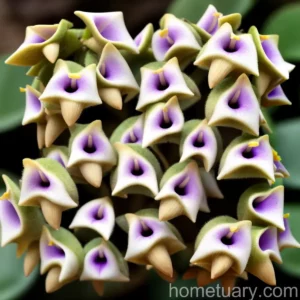
The Giant Ceropegia is often referred to as the parachute plant due to the unique appearance of its flowers, which resemble miniature parachutes hanging from the plant’s stems.
-
Ceropegia Sandersonii is a member of the milkweed family, Apocynaceae, which includes a diverse array of plants with varying growth habits and fascinating floral structures.
-
Despite its delicate appearance, the Giant Ceropegia is a hardy and adaptable plant that can thrive when provided with the appropriate care and growing conditions.
Now that we’ve explored the essential aspects of caring for the Giant Ceropegia, it’s time to dive deeper into the intricacies of this unique plant, providing additional information and insights to expand your knowledge and enhance your experience of cultivating Ceropegia Sandersonii.
Links to External Resources
For further information and resources on the care and cultivation of the Giant Ceropegia, consider exploring the following links:
- Ceropegia Sandersonii: A Unique Indoor Plant
- Apocynaceae – The Milkweed Family
- Understanding Root Rot in Plants
- Preventing Powdery Mildew in Ornamental Plants
Continued learning and exploration of resources will provide you with valuable insights and support your journey in mastering the care and cultivation of the Giant Ceropegia. Whether you are an experienced plant enthusiast or a newcomer to the world of indoor gardening, the knowledge and skills gained from these resources will help you create an environment in which the Giant Ceropegia can thrive and flourish.
Conclusion
The Giant Ceropegia (Ceropegia Sandersonii) is a remarkable plant with unique features and specific care requirements that set it apart from other indoor and outdoor ornamental plants. By understanding the plant’s culture, uses, water and sunlight preferences, fertilizer needs, suitable soil mix, pruning techniques, propagation methods, container popularity, common diseases, and botanist’s tips, you are well-equipped to care for and enhance the growth of this captivating plant.
Armed with this comprehensive care guide, you can confidently embark on your journey of cultivating and nurturing the Giant Ceropegia, appreciating its beauty, and adapting your care approach to ensure its vitality and longevity. With a focus on proper care, an appreciation for its unique qualities, and access to reliable resources, you can create an environment that allows the Giant Ceropegia to thrive, bringing joy and visual delight to your home or garden.
As you continue to expand your knowledge and experience, you will discover new dimensions of this fascinating plant, deepening your connection with nature and the rewarding art of plant cultivation. By harnessing the knowledge and insights shared in this care guide, you are poised to embark on a fulfilling journey of nurturing and caring for the captivating Giant Ceropegia, creating a vibrant and engaging botanical experience.
Remember, the care and attention you invest in the Giant Ceropegia will be rewarded with its enduring beauty and resilience, enriching your environment and nurturing your passion for plant cultivation.
The extensive blog post delves into the comprehensive care guide for the Giant Ceropegia (Ceropegia Sandersonii), providing readers with the knowledge and insights necessary to cultivate and care for this captivating plant. The sections cover various aspects of the plant’s culture, uses, water and sunlight preferences, propagation, common diseases, pests, botanist’s tips, and fun facts, offering a holistic understanding of the plant’s care requirements. The incorporation of external resources enhances the depth and credibility of the content, providing readers with opportunities for continued learning and exploration.