Dischidia (Dischidia)
In the world of houseplants, Dischidia, a genus of plants in the milkweed family (Apocynaceae), has been garnering increasing attention for its unique.
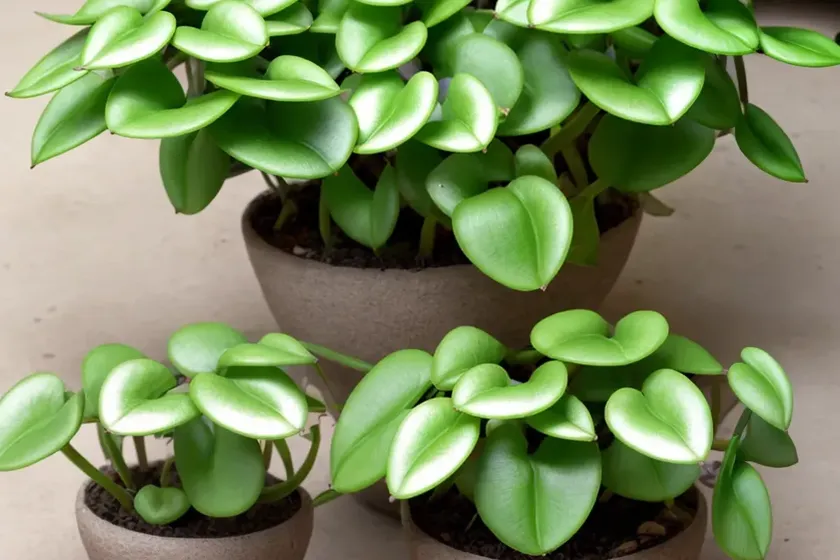
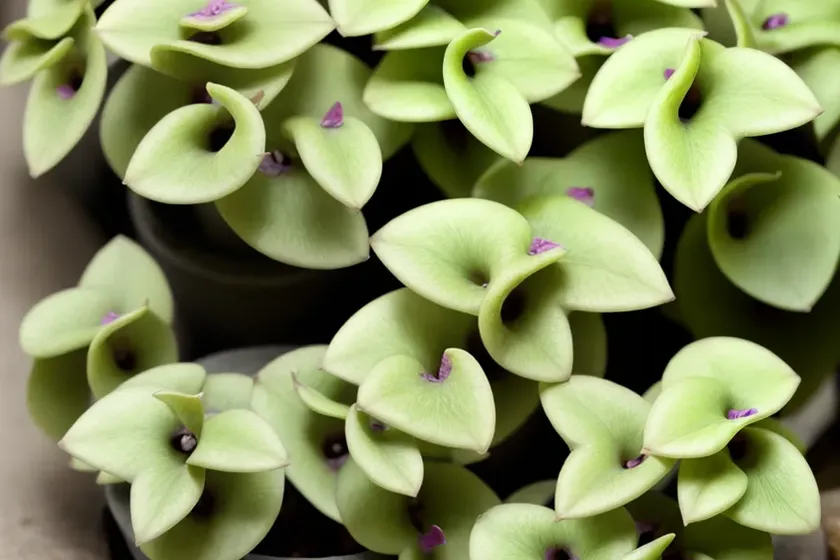
In the world of houseplants, Dischidia, a genus of plants in the milkweed family (Apocynaceae), has been garnering increasing attention for its unique appearance and easy-care nature. If you are a plant enthusiast or a novice gardener looking to add an interesting and low-maintenance plant to your collection, Dischidia is an excellent choice. In this comprehensive guide, we will delve into every aspect of caring for Dischidia, from its cultural requirements and propagation methods to common pests and diseases. By the end of this article, you will be equipped with all the knowledge you need to ensure the thriving health of your Dischidia plants.
What is Dischidia?
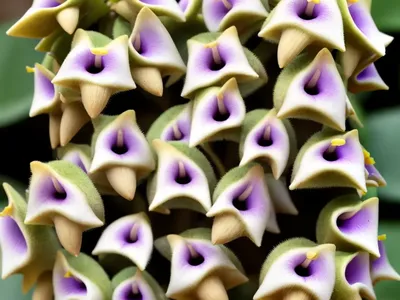
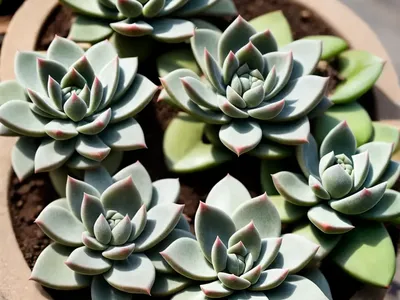
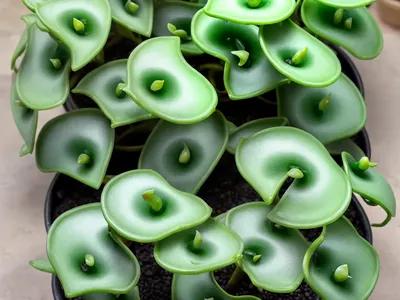
Dischidia is a diverse genus of plants with over 80 documented species, primarily found in tropical regions of Asia, Australia, and the South Pacific. These epiphytic plants are notable for their intriguing appearance, characterized by fleshy, succulent-like leaves and unique adaptations such as aerial roots and specialized pouches that are used for water and nutrient retention. The most common species grown as houseplants include Dischidia pectenoides, Dischidia nummularia, and Dischidia ruscifolia.
Key Takeaways
Before delving into the detailed care guide for Dischidia, let’s summarize the key takeaways for easy reference.
- Dischidia Care Tips: Providing proper cultural conditions is paramount to the health and growth of Dischidia.
- Propagation: Dischidia can be propagated easily through stem cuttings or air layering.
- Soil: Well-draining, aerated soil is essential for preventing root rot in Dischidia plants.
- Watering Requirements: Dischidia prefers moderate watering, allowing the soil to partially dry out between waterings.
- Sunlight: Indirect or filtered sunlight is ideal; direct sun exposure should be avoided.
- Fertilization: Applying a balanced, water-soluble fertilizer at half-strength is beneficial during the growing season.
- Common Pests: Dischidia plants may be susceptible to mealybugs, spider mites, and aphids.
- Disease Management: Overwatering can lead to root rot and fungal infections; maintaining proper soil moisture is crucial.
- Container Gardening: Dischidia thrives in hanging baskets and terrariums, thanks to its trailing and vine-like growth habit.
Now, let’s explore each of these aspects in detail to provide comprehensive insights into the care and cultivation of Dischidia plants.
Cultivation and Uses
Water
Proper watering is crucial for the health of Dischidia plants. It is essential to strike a balance, ensuring that the soil is neither too dry nor waterlogged. Overwatering can lead to root rot and other moisture-related issues, while underwatering can cause the plant to become dehydrated.
Here are some key points to keep in mind regarding watering Dischidia:
- Use the “soak and dry” method, allowing the top inch of the soil to dry out between waterings.
- When watering, ensure that excess water can drain freely from the bottom of the pot to prevent water accumulation.
- It is better to underwater than overwater Dischidia, as these plants are adapted to store water in their specialized structures.
Sunlight
Dischidia plants thrive in bright, indirect light. While they require adequate light for healthy growth, it is crucial to protect them from direct sun exposure, as this can scorch their delicate foliage. Placing them near a north or east-facing window where they can receive gentle, filtered sunlight is ideal. If natural light is insufficient, supplemental grow lights can be used to provide the necessary illumination.
Fertilizer
During the active growing season, which typically spans from spring to early fall, Dischidia can benefit from regular fertilization. Use a balanced, water-soluble fertilizer diluted to half of the recommended strength. This should be applied every four to six weeks to provide the necessary nutrients for robust growth and foliage development.
Soil
The soil mix plays a vital role in the overall health and vigor of Dischidia. A well-draining, aerated soil mix that retains some moisture without becoming waterlogged is ideal. A mix containing components such as peat moss, perlite, and orchid bark works well for Dischidia, providing the necessary drainage and aeration for the root system.
Pruning
Pruning is an essential aspect of Dischidia care, especially for maintaining its trailing or vine-like growth habit. Trimming back leggy growth, removing dead or yellowing foliage, and shaping the plant as desired can promote a fuller and more lush appearance. Use clean, sharp scissors or pruning shears to make precise cuts, ensuring that the wounds heal quickly and minimize the risk of disease.
Propagation
Propagating Dischidia is relatively straightforward and can be accomplished through stem cuttings or air layering. Here are the basic methods for propagation:
- Stem Cuttings: Take 4-6 inch stem cuttings with at least a couple of nodes and remove the lower leaves. Then, place the cuttings in a container with a moistened soil mix, keeping them warm and slightly humid until new roots develop.
- Air Layering: This method involves creating a small incision on a healthy stem and wrapping it with moist sphagnum moss. After a period of time, roots will form within the moss, and the rooted section can be severed from the parent plant and potted separately.
Both methods of propagation have high success rates and can be performed during the active growing season for the best results.
Container Gardening
One of the most appealing features of Dischidia is its suitability for container gardening, making it an excellent choice for terrariums, hanging baskets, and vertical gardens. The trailing and vine-like growth habit of Dischidia adds a distinct visual appeal to these settings, making it an ideal choice for enthusiasts looking to create lush and captivating displays.
Popularity and Common Uses
While the popularity of Dischidia as a houseplant has been increasing steadily, its versatility and ease of care have contributed to its growing popularity among plant enthusiasts. The unique appearance and low-maintenance nature make Dischidia a preferred choice for indoor and outdoor settings, particularly in terrariums, hanging baskets, and living walls. Additionally, the air-purifying qualities of Dischidia make it a valuable addition to indoor spaces, contributing to improved air quality and a healthier living environment.
Common Diseases and Treatment
Disease Diagnosis
Dischidia plants are susceptible to certain diseases, most of which are related to excess moisture and poor air circulation. Some common diseases and their symptoms include:
- Root Rot: Symptoms include wilting, yellowing, and mushy, discolored roots. This is caused by excessive soil moisture and poor drainage.
- Powdery Mildew: A powdery white coating on the leaves indicates the presence of powdery mildew, often due to high humidity and inadequate air circulation.
- Leaf Spot: Circular, dark spots on the leaves are indicative of leaf spot diseases, typically caused by overwatering and high humidity levels.
Common Pests
Dischidia plants may also fall victim to common indoor plant pests, including:
- Mealybugs: Small, white, cottony insects that cluster on the stems and leaf axils, sucking plant sap and causing yellowing and wilting.
- Spider Mites: These tiny pests leave fine webbing on the plant and cause stippling and yellowing of the foliage.
- Aphids: Small, soft-bodied insects found on the undersides of leaves, causing distorted growth and yellowing.
Botanist’s Tips
To ensure the optimal growth and health of your Dischidia plants, consider the following additional tips:
- Avoid Overwatering: Dischidia is relatively drought-tolerant and is more susceptible to damage from overwatering than underwatering. Always allow the top inch of the soil to dry out between waterings.
- Adequate Drainage: Ensure that the containers or pots used for Dischidia have sufficient drainage holes to prevent waterlogging and root rot.
- Monitor Humidity: While Dischidia thrives in moderate to high humidity, it is essential to balance this with good air circulation to prevent fungal diseases and other issues related to excessive moisture.
- Observe for Pests: Regularly inspect your Dischidia plants for signs of pests such as mealybugs, spider mites, and aphids. Early detection allows for prompt treatment and prevention of widespread infestations.
Fun Facts About Dischidia
- Dischidia plants are known for their unique hollow pouches, usually found at the base of the leaves, which serve as specialized structures for retaining water and nutrients. This is an adaptation that enables them to thrive in epiphytic conditions with minimal access to soil.
- Some species of Dischidia have developed fascinating mutualistic relationships with ants. The plant provides shelter and sustenance to the ants, while the ants, in turn, protect the plant from herbivores and pathogens.
- The genus name “Dischidia” is derived from the Greek word “dis,” meaning “twice,” and “chidion,” meaning “husk” or “pods,” referencing the unique structure of the plant’s leaves.
Links to External Resources
To further enhance your understanding and care of Dischidia plants, consider exploring the following external resources:
- The Dischidia Resource Center
- Royal Horticultural Society – Dischidia Care Guide
- University of Florida IFAS Extension – Dischidia as Indoor Plants
In conclusion, Dischidia stands out as an intriguing and visually captivating plant genus, boasting a range of species suitable for indoor and outdoor cultivation. With its unique adaptations, low-maintenance nature, and suitability for various container gardening settings, Dischidia is an excellent addition to any plant enthusiast’s collection. By following the guidelines and tips provided in this comprehensive care guide, you can cultivate healthy, vibrant Dischidia plants that will undoubtedly enhance the beauty of your living spaces.