Succulent Sesame (Uncarina Grandidieri)
Succulent Sesame, scientifically known as Uncarina Grandidieri, is a fascinating plant known for its unique appearance and low maintenance requirements..
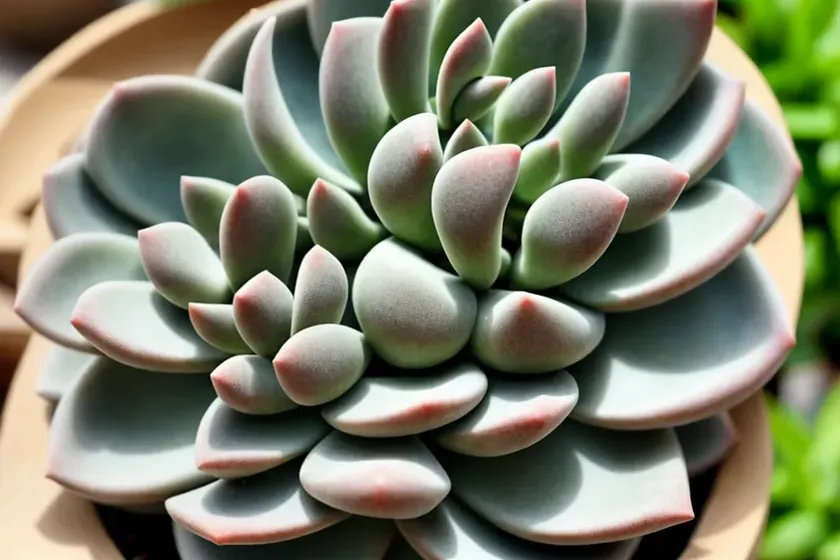
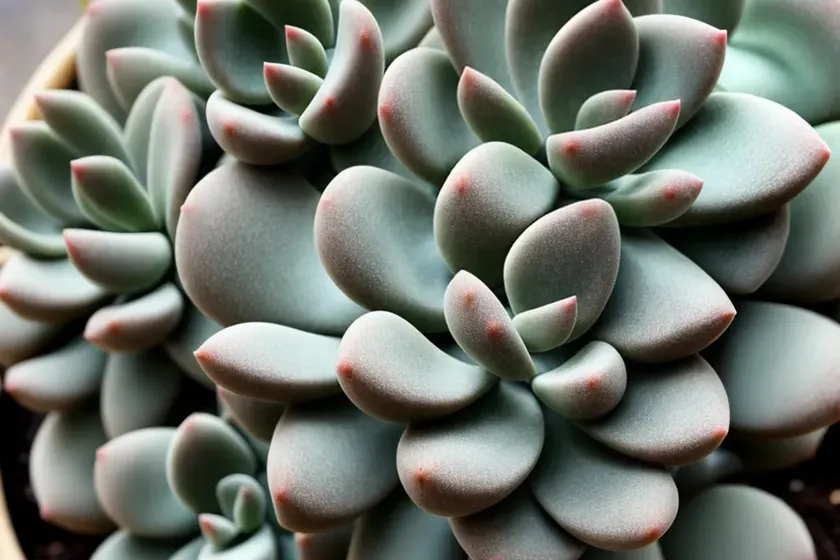
Succulent Sesame, scientifically known as Uncarina Grandidieri, is a fascinating plant known for its unique appearance and low maintenance requirements. Belonging to the Pedaliaceae family, this succulent hails from the arid regions of Madagascar and exhibits distinct characteristics that make it a popular choice among plant enthusiasts. In this comprehensive guide, we will delve into all aspects of the Succulent Sesame, including its culture, uses, care requirements, common pests and diseases, and much more. Whether you are a seasoned plant caretaker or a novice looking to embark on a journey of succulent cultivation, this guide aims to provide valuable insights into the world of Uncarina Grandidieri.
What is Succulent Sesame (Uncarina Grandidieri)?
Succulent Sesame, also known as Uncarina Grandidieri, is a species of succulent plant native to the semi-arid and arid regions of Madagascar. It is characterized by its robust, woody stems, and striking, star-shaped yellow flowers. The leaves of the Uncarina Grandidieri are fleshy and often possess unique textures and patterns, making it an aesthetically pleasing addition to any plant collection.
The plant derives its common name, “Succulent Sesame,” from the appearance of its seeds, which bear a resemblance to sesame seeds. In its natural habitat, Uncarina Grandidieri thrives in dry, rocky terrain and is well-adapted to arid conditions, making it an ideal choice for individuals seeking low-maintenance plants with striking visual appeal.
Key Takeaways – Succulent Sesame (Uncarina Grandidieri)
Before delving into the specifics of cultivating and caring for Succulent Sesame, let’s highlight the key takeaways that will be discussed in this comprehensive guide:
- Culture
- Uses
- Water
- Sunlight
- Fertilizer
- Soil
- Pruning
- Propagation
- Container Popularity
- Common Diseases
- Disease Diagnosis
- Common Pests
- Botanist’s Tips
- Fun Facts
- Links to External Resources
Now, let’s explore each of these aspects in detail to gain a holistic understanding of the care requirements and characteristics of Succulent Sesame.
Culture
Natural Habitat of Uncarina Grandidieri
Succulent Sesame, or Uncarina Grandidieri, is indigenous to the island of Madagascar, where it thrives in the harsh, arid conditions of its natural habitat. The plant is often found in rocky and sandy terrain, showcasing its remarkable adaptability to drought and low-nutrient environments. In its native range, Uncarina Grandidieri plays a vital role in the ecosystem, providing sustenance and shelter for various wildlife species.
Growing Conditions
To successfully cultivate Succulent Sesame, it is essential to replicate its natural growing conditions as closely as possible. The following factors are crucial for ensuring the health and vitality of Uncarina Grandidieri:
-
Temperature: Uncarina Grandidieri thrives in warm to hot temperatures, making it well-suited for cultivation in arid and semi-arid regions. Ideally, temperatures ranging between 70°F to 90°F (21°C to 32°C) are conducive to its growth.
-
Humidity: Given its origin in arid regions, Succulent Sesame exhibits low humidity requirements. It is adapted to dry air and can withstand relatively low moisture levels.
-
Light: Uncarina Grandidieri is a sun-loving plant that thrives in full sunlight. When grown indoors, it should be placed near a south-facing window or under grow lights to ensure it receives an adequate amount of light.
-
Soil: Well-draining soil is crucial for the health of Uncarina Grandidieri. A cactus or succulent potting mix with excellent drainage properties is recommended to prevent waterlogging and root rot.
Uses
Ornamental Value
One of the primary uses and reasons for the popularity of Succulent Sesame is its ornamental value. With its striking, star-shaped yellow flowers and unique foliage, Uncarina Grandidieri is coveted for its aesthetic appeal. Whether grown in containers or in the landscape, it serves as an eye-catching addition to gardens, xeriscapes, and succulent collections.
Landscaping
Succulent Sesame is often employed in landscaping projects, particularly in arid and desert-themed gardens. Its drought tolerance, low maintenance requirements, and visually captivating features make it an ideal choice for adding interest and diversity to landscaping designs.
Medicinal and Traditional Uses
While not as extensively documented as other plants, some species within the Uncarina genus have been used in traditional medicine by local inhabitants in Madagascar. However, it is essential to exercise caution and consult with healthcare professionals before considering any medicinal applications of Uncarina Grandidieri.
Water
Watering Requirements for Succulent Sesame
Proper watering is critical for the health and vitality of Succulent Sesame. Given its native habitat in arid regions, Uncarina Grandidieri has evolved to withstand periods of drought and has adapted mechanisms to conserve water. When cultivating Succulent Sesame, it is essential to adhere to the following watering guidelines:
-
Frequency: Water Succulent Sesame thoroughly but infrequently. Allow the soil to dry out almost completely between waterings to prevent waterlogging and root rot. During the active growing season, typically in spring and summer, water when the top inch of the soil is dry.
-
Watering Technique: When watering, ensure that excess water drains freely from the pot’s drainage holes. Avoid leaving the plant sitting in standing water, as this can lead to root rot and other moisture-related issues.
-
Winter Watering: During the plant’s dormancy period, which typically occurs in the fall and winter, reduce the frequency of watering to mimic the natural water availability in its native habitat.
Signs of Overwatering
Overwatering can have detrimental effects on Succulent Sesame, leading to root rot, wilting, and a decline in overall plant health. It is crucial to recognize the signs of overwatering and adjust the watering regimen accordingly. Symptoms of overwatering may include:
-
Yellowing or Browning Leaves: The leaves of the plant may begin to yellow or develop brown spots as a result of waterlogged soil and impaired root function.
-
Wilting or Drooping Foliage: Overwatering can cause the plant to exhibit symptoms of wilting or drooping, even when the soil is moist. This is often indicative of root damage due to excessive moisture.
-
Stagnant Growth or Decline: If the plant shows little to no growth or begins to exhibit signs of decline, overwatering may be a contributing factor.
Sunlight
Sunlight Needs for Uncarina Grandidieri
Succulent Sesame thrives in bright, direct sunlight and is well-suited for cultivation in sunny locations. Adequate sunlight is crucial for promoting healthy growth, flowering, and the maintenance of the plant’s distinctive appearance. When providing sunlight for Uncarina Grandidieri, consider the following recommendations:
-
Outdoor Cultivation: When grown outdoors, place Succulent Sesame in a location receiving full sun. An area with at least 6 to 8 hours of direct sunlight per day is optimal for promoting robust growth and flowering.
-
Indoor Cultivation: For indoor cultivation, position Succulent Sesame near a south-facing window to ensure it receives ample sunlight. If natural light is limited, supplement with the use of grow lights to provide sufficient light intensity.
-
Sun Exposure: While Succulent Sesame thrives in direct sunlight, it is important to acclimate the plant to intense sunlight gradually, especially when transitioning it from indoor to outdoor environments.
Fertilizer
Fertilizing Schedule for Uncarina Grandidieri
Fertilization is an important aspect of caring for Succulent Sesame. While the plant is adapted to low-nutrient environments, providing a balanced and appropriate fertilizer regimen can support its overall health and vigor. Consider the following guidelines when fertilizing Uncarina Grandidieri:
-
Frequency: During the active growing season in spring and summer, fertilize Succulent Sesame once a month with a diluted, balanced liquid fertilizer.
-
Dilution and Strength: Use a fertilizer with a balanced NPK ratio or a formulation specifically designed for cacti and succulents. Dilute the fertilizer to half or quarter strength to avoid over-fertilization, which can lead to salt build-up and damage the plant’s roots.
-
Winter Rest Period: Reduce or suspend fertilization during the plant’s dormancy period in fall and winter. Withhold fertilizer when the plant is not actively growing to prevent excessive nutrient accumulation in the soil.
Soil
Best Soil for Succulent Sesame
Choosing the right soil mix is crucial for ensuring optimal growth and health of Succulent Sesame. A well-draining and nutrient-rich soil mix that mimics the plant’s natural habitat is essential for promoting strong root development and preventing moisture-related issues. When selecting a soil mix for Uncarina Grandidieri, consider the following characteristics:
-
Drainage: Aeration and drainage are paramount for Succulent Sesame. Use a cactus or succulent potting mix that contains materials such as perlite, coarse sand, or pumice to enhance drainage and prevent waterlogging.
-
Nutrient Content: While Uncarina Grandidieri thrives in low-nutrient environments, using a soil mix with a balanced nutrient content can support healthy growth. Consider adding organic matter or incorporating a slow-release fertilizer into the soil mix to provide essential nutrients to the plant.
-
pH Level: Aim for a slightly acidic to neutral pH level (around 6.0 to 7.0) in the soil mix. Ensuring an appropriate pH level can promote nutrient availability and support overall plant health.
Pruning
How to Prune Succulent Sesame
Pruning Succulent Sesame is a simple yet essential aspect of its care regimen. Regular pruning can help maintain the plant’s compact shape, improve airflow around the foliage, and remove any damaged or diseased growth. Follow these guidelines when pruning Uncarina Grandidieri:
-
Removing Dead or Yellowing Leaves: On a regular basis, inspect the plant for any dead, yellowing, or damaged leaves and gently prune them using clean, sterile pruning shears. This helps maintain the plant’s aesthetics and prevents the spread of diseases.
-
Maintaining Shape: If the plant begins to exhibit irregular growth or becomes leggy, consider lightly pruning the stems to encourage bushier, more compact growth. Focus on removing any straggly or elongated growth to promote a balanced appearance.
-
Pruning After Flowering: After the flowering season, consider pruning back any spent flower stalks or stems to encourage the plant to redirect its energy towards new growth and potential flowering in the following season.
Propagation
Propagating Succulent Sesame
Propagation allows you to expand your collection of Succulent Sesame and share the beauty of Uncarina Grandidieri with others. Several methods can be employed for propagating Succulent Sesame, including seed propagation and stem cuttings. Explore the following propagation techniques to propagate Uncarina Grandidieri:
-
Seed Propagation: Sow fresh seeds of Uncarina Grandidieri in a well-draining soil mix. Keep the soil consistently moist and provide a warm, bright environment to facilitate germination. With adequate care, the seeds should germinate within a few weeks, giving rise to new seedlings.
-
Stem Cuttings: Succulent Sesame can be propagated from stem cuttings obtained from healthy, mature plants. Allow the cuttings to dry and callus for a few days before planting them in a well-draining potting mix. Maintain slightly moist conditions and provide indirect light to aid in the rooting process.
Container Popularity
Succulent Sesame is a popular choice for container cultivation, owing to its compact size, striking appearance, and low maintenance requirements. When selecting a container for cultivating Uncarina Grandidieri, consider the following factors to ensure optimal growth:
-
Drainage Holes: Choose containers with ample drainage holes to prevent waterlogging and ensure proper aeration for the plant’s roots. Good drainage is essential for preventing moisture-related issues in container-grown Succulent Sesame.
-
Size and Space: Select a container that provides ample space for the plant’s root system to develop. While Succulent Sesame does well in slightly crowded conditions, providing adequate space can support healthy growth and prevent overcrowding.
-
Material: Opt for containers made of materials such as terracotta, ceramic, or plastic, ensuring that they are well-suited for the plant’s moisture and temperature requirements. Additionally, consider the aesthetic appeal of the container to complement the visual characteristics of Succulent Sesame.
Common Diseases
Disease Diagnosis
While Succulent Sesame is generally resilient to many common plant diseases, it is important to remain vigilant and be able to identify potential issues that may arise. Understanding the symptoms and causes of common diseases can help in diagnosing and treating the plant effectively. Look out for the following signs of potential diseases in Uncarina Grandidieri:
-
Root Rot: Excessive moisture and poor drainage can lead to root rot in Succulent Sesame. Symptoms may include yellowing or browning of the lower leaves, wilting, and a foul odor emanating from the soil. To prevent root rot, ensure that the soil is well-draining and adjust the watering regimen as needed.
-
Powdery Mildew: In humid or poorly ventilated conditions, Succulent Sesame may be susceptible to powdery mildew, characterized by a white, powdery substance on the foliage. Improve air circulation and consider using fungicidal treatments to mitigate the spread of powdery mildew.
-
Pest-Induced Damage: While not a disease, pest infestations can cause significant damage to Succulent Sesame. Look out for symptoms such as distorted growth, stippling on leaves, or the presence of pests such as spider mites, aphids, or mealybugs. Employ appropriate pest control measures to address infestations promptly.
Common Pests
Pest Control Options for Succulent Sesame
Succulent Sesame may occasionally face challenges posed by common plant pests. Implementing proactive pest control measures can help safeguard the health and vitality of Uncarina Grandidieri. Consider the following pest control options to address potential pest infestations:
-
Natural Predators: Encouraging the presence of natural predators, such as ladybugs or lacewings, can help control aphid and mealybug populations in the vicinity of Succulent Sesame.
-
Neem Oil Treatment: Neem oil is an effective organic solution for controlling pests such as aphids, spider mites, and whiteflies. Dilute neem oil as per the manufacturer’s instructions and apply it to the plant’s foliage to mitigate existing pest infestations.
-
Horticultural Oils: Horticultural oils, when applied in accordance with the instructions, can effectively control pests such as scale insects and mealybugs. They work by suffocating the pests and disrupting their life cycles.
-
Insecticidal Soaps: Insecticidal soaps are gentle yet effective solutions for combating soft-bodied pests like aphids, whiteflies, and spider mites. Apply the soap solution to the affected foliage to eliminate pests and their eggs.
Botanist’s Tips
Botanical Insights and Care Tips
As a plant scientist with a deep appreciation for the diversity of plant life, I offer the following botanical insights and care tips for those interested in cultivating and caring for Succulent Sesame:
-
Drought Tolerance: Succulent Sesame possesses remarkable drought tolerance and has adapted to withstand extended periods of dryness. Emulate its natural habitat by practicing infrequent, deep watering to promote resilient, drought-tolerant growth.
-
Low-Maintenance Appeal: One of the most appealing aspects of Succulent Sesame is its low-maintenance nature. With its minimal water and nutrient requirements, Uncarina Grandidieri is well-suited for individuals seeking low-maintenance yet visually captivating plants.
-
Seasonal Considerations: Adjust care routines for Succulent Sesame based on seasonal changes. During the active growing season in spring and summer, provide ample sunlight and water while reducing watering and withholding fertilizer during the plant’s dormancy period in fall and winter.
Fun Facts
Fascinating Trivia about Succulent Sesame
To enhance your appreciation of Succulent Sesame and its unique characteristics, consider the following fun facts about Uncarina Grandidieri:
-
Star-Shaped Flowers: The striking, star-shaped yellow flowers of Uncarina Grandidieri are a distinctive feature that adds to its visual appeal, making it a sought-after plant for enthusiasts and collectors.
-
Resilient Adaptations: Succulent Sesame’s resilience and adaptations to arid conditions make it a symbol of tenacity and adaptability. Its ability to thrive in environments with limited water and nutrients underscores the remarkable survival strategies of many desert-dwelling plants.
-
Biological Diversity in Madagascar: The presence of unique and endemic plant species like Uncarina Grandidieri highlights the rich biological diversity of the island of Madagascar. The conservation of such species is vital for preserving the ecological balance and diversity of the region.
Links to External Resources
To further expand your knowledge and understanding of Succulent Sesame and its cultivation, here are some valuable links to external resources that offer in-depth information and insights:
- Royal Horticultural Society – Growing Cacti and Other Succulents
- University of Florida IFAS Extension – Cacti and Succulents
- The Cactus and Succulent Society of America
- North American Plant Protection Organization – Pest and Disease Identification
In conclusion, Succulent Sesame, or Uncarina Grandidieri, is a captivating and resilient plant that offers not only visual appeal but also a low-maintenance yet rewarding cultivation experience. By understanding and implementing the recommended cultural practices, care guidelines, and botanical insights discussed in this comprehensive guide, you can embark on a journey of successful Succulent Sesame cultivation and appreciate the unique beauty of this remarkable plant. Whether grown in containers, showcased in landscapes, or studied for its botanical significance, Uncarina Grandidieri stands as a testament to the captivating world of succulent plant species.