Amsonia Hubrichtii (Narrowleaf Bluestar)
As a plant scientist with a passion for exploring the beauty and versatility of plants, I am thrilled to delve into the intriguing world of Amsonia.
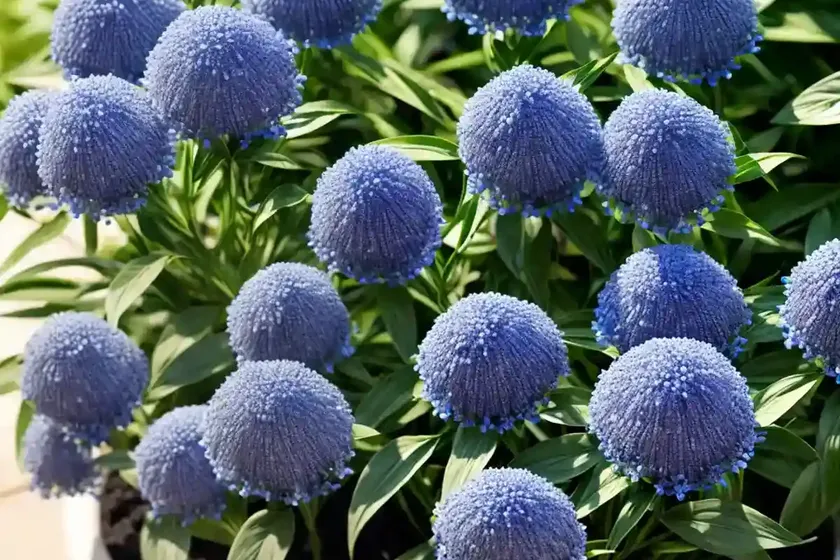
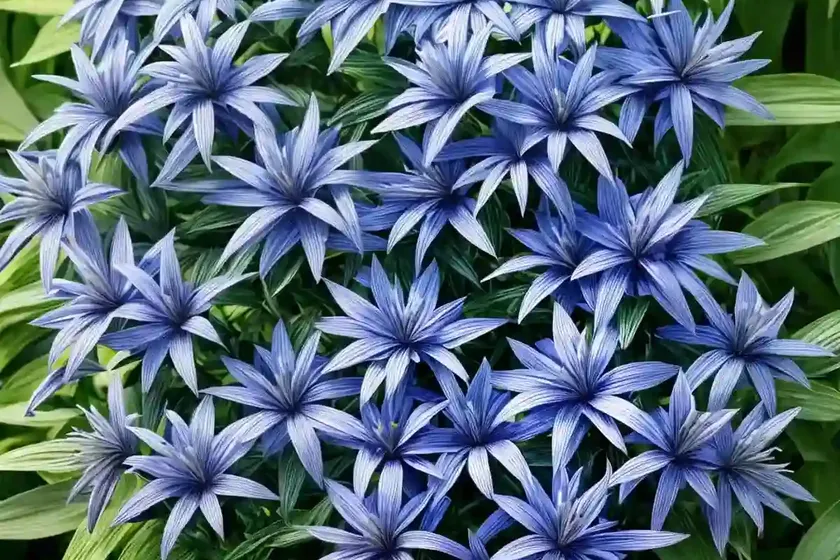
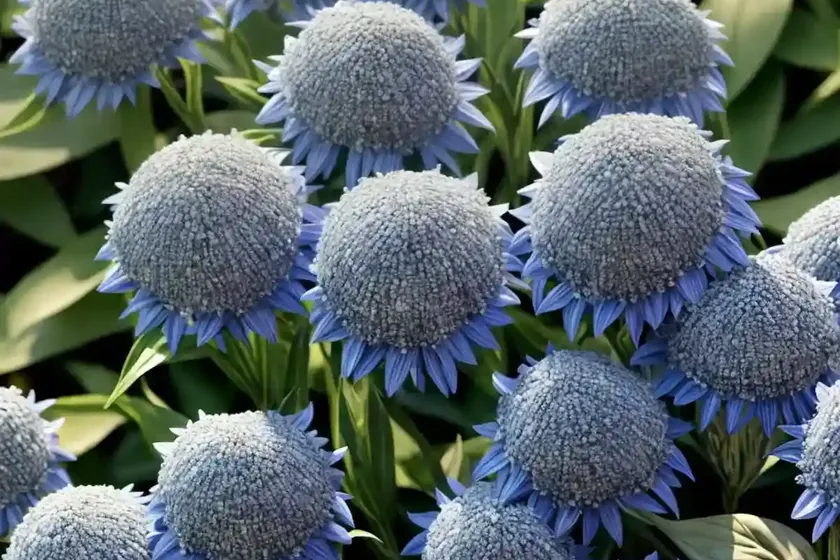
As a plant scientist with a passion for exploring the beauty and versatility of plants, I am thrilled to delve into the intriguing world of Amsonia hubrichtii, commonly known as Narrowleaf Bluestar. This exceptional perennial plant captivates with its delicate blue star-shaped flowers, attractive foliage, and its ability to thrive in a variety of environments. In this comprehensive guide, we will explore the fascinating aspects of Amsonia hubrichtii, from its cultural requirements to its uses in garden landscapes. Additionally, we will discuss propagation, common diseases, and essential plant care tips to help you nurture this stunning species in your own backyard. Let’s embark on a journey through the enchanting realms of Amsonia hubrichtii and discover its remarkable features that make it a standout choice for home gardens!
What is Amsonia hubrichtii (Narrowleaf Bluestar)?
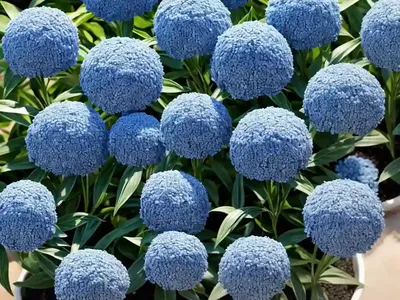
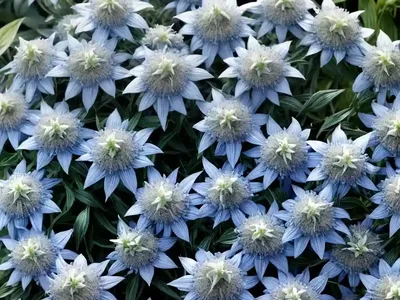
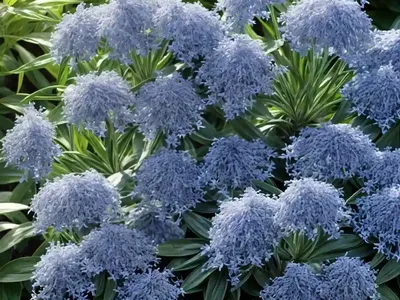
Amsonia hubrichtii, a member of the Apocynaceae family, is a native plant to central and eastern United States. Also known as Narrowleaf Bluestar, it is a herbaceous perennial renowned for its fine, feathery foliage and striking clusters of sky-blue star-shaped flowers. The species was named in honor of Leslie Hubricht, a prominent American botanist renowned for his extensive work in botanical exploration and discovery.
Key Takeaways – Amsonia hubrichtii (Narrowleaf Bluestar)
Before delving into the specific cultural and care aspects of Amsonia hubrichtii, let’s take a moment to highlight the key takeaways about this stunning perennial plant:
-
Perennial plants: Amsonia hubrichtii is a long-lived herbaceous perennial that can grace your garden year after year, providing enduring beauty and charm.
-
Native plants: This species is native to the United States, making it an excellent choice for those seeking to incorporate indigenous flora into their garden landscapes.
-
Ornamental plants: Renowned for its captivating blue star-shaped flowers and fine-textured foliage, Amsonia hubrichtii is a favorite among gardeners seeking ornamental additions to their landscapes.
-
Drought-tolerant plants: Amsonia hubrichtii displays a remarkable tolerance to drought conditions, making it an excellent choice for water-conscious gardeners and landscapes that experience dry spells.
-
Low-maintenance plants: With minimal care requirements and a resilient nature, this species stands out as a low-maintenance perennial plant that rewards with enduring beauty.
-
Sun-loving plants: Thriving in full sun to partial shade conditions, Amsonia hubrichtii is an exemplary choice for landscapes with varying light exposure.
-
Wildflower garden: This species can contribute to the beauty and ecological value of wildflower gardens, attracting pollinators and adding a touch of natural charm to outdoor spaces.
-
Deer-resistant plants: Amsonia hubrichtii boasts a natural resistance to deer, making it a favorable option for gardens frequented by these browsing animals.
-
Drought-resistant perennials: As an advocate for sustainable and water-wise gardening, the cultivation of Amsonia hubrichtii aligns with the principles of conserving water resources while enjoying flourishing plant life.
With these key aspects in mind, let’s proceed to explore the cultural and care requirements essential for nurturing Amsonia hubrichtii in various garden settings.
Culture
Water
Amsonia hubrichtii exhibits impressive drought tolerance once established, making it well-suited for landscapes with minimal irrigation. However, during its initial establishment period, consistent watering is crucial to ensure healthy root development and overall growth. Following its establishment, Amsonia hubrichtii generally thrives in well-drained soils and can endure periods of dryness without succumbing to wilting or decline.
Planting and Watering Tips for Optimal Growth
- Establishment: During the first year after planting, provide regular watering to facilitate robust root development and overall vigor. Aim to keep the soil consistently moist but not waterlogged to promote healthy establishment.
- Mature Plants: Once established, reduce watering frequency, allowing the soil to dry out slightly between watering sessions. An approach of deep, infrequent watering promotes the development of a resilient root system capable of withstanding dry conditions.
Sunlight
As a sun-loving perennial, Amsonia hubrichtii thrives in full sun to partial shade conditions. It excels when exposed to ample sunlight and displays enhanced flowering and foliage vibrancy under these conditions. Equally, it demonstrates adaptability to partial shade, making it a versatile choice for landscapes with varying light exposure throughout the day.
Optimal Sunlight Conditions for Amsonia hubrichtii
- Full Sun: Ideally, provide Amsonia hubrichtii with at least 6-8 hours of direct sunlight daily for optimal growth and abundant flowering.
- Partial Shade: In partially shaded areas, such as those with dappled sunlight or filtered shade, Amsonia hubrichtii remains resilient and can flourish, albeit with slightly reduced bloom production.
Fertilizer
Amsonia hubrichtii generally thrives in nutrient-rich soils, benefitting from organic matter and balanced fertilization for optimal growth and flowering. Incorporating organic amendments and providing a modest application of balanced fertilizer can enhance the overall health and vigor of this species.
Fertilization Practices for Amsonia hubrichtii
- Organic Matter: Prior to planting, incorporate well-decomposed organic matter into the soil to enrich its fertility and texture, fostering a favorable growing environment for Amsonia hubrichtii.
- Balanced Fertilizer: During the growing season, apply a balanced, slow-release fertilizer to provide essential nutrients for sustained growth and prolific flowering. Use a fertilizer with an N-P-K ratio suitable for flowering perennials. Refrain from excessive nitrogen application to prevent potentially lush growth at the expense of flowering.
Soil
Amsonia hubrichtii flourishes in well-drained soils with moderate fertility. It exhibits a preference for soils with good drainage capabilities while displaying adaptability to various soil types, including loamy, sandy, or clay soils. Additionally, it responds favorably to soils enriched with organic matter, which promotes both root development and overall plant vigor.
Ideal Soil Conditions for Amsonia hubrichtii
- Drainage: Ensure that the planting site features well-drained soil to prevent waterlogged conditions, which could lead to root rot and other detrimental effects on plant health.
- pH Level: Amsonia hubrichtii thrives in slightly acidic to neutral soil conditions, with a pH range of 6.0 to 7.0 being optimal for its growth and development.
- Organic Enrichment: Work well-decomposed organic matter, such as compost or aged manure, into the soil to enhance its fertility and structure, creating an ideal substrate for the species.
Pruning
Amsonia hubrichtii showcases a naturally well-behaved growth habit, requiring minimal pruning or maintenance to retain its appealing form. It typically maintains a graceful and upright clumping shape, with its fine foliage and compact growth pattern contributing to its visual allure. However, occasional pruning may be beneficial to address any spent flowerheads, promote bushier growth, or maintain the desired shape and size of the plant.
Pruning Guidelines for Amsonia hubrichtii
- Deadheading: Remove spent flower clusters promptly to promote continued blooming and prevent self-seeding, if desired.
- Renovation Pruning: In late winter or early spring, consider cutting back the previous year’s growth to encourage fresh foliage and robust flowering during the upcoming growing season. Cut the stems back to a few inches above the soil level to stimulate vigorous regrowth.
Propagation
Amsonia hubrichtii can be propagated through several methods, including division, stem cuttings, or seed sowing. Each propagation technique offers unique advantages and challenges, allowing you to choose a method that aligns with your resources and preferences.
Propagation Methods for Amsonia hubrichtii
- Division: Propagation through division involves separating established clumps of Amsonia hubrichtii into smaller sections, each containing roots and shoots. Division is typically conducted in early spring or fall to coincide with the plant’s natural growth cycles, allowing the divided sections to establish quickly.
Steps for Division Propagation:
– Dig up the established plant clump, taking care to preserve the integrity of both the root system and the emerging shoots.
– Gently tease apart the root mass into smaller sections, each featuring healthy roots and several shoots.
– Replant the divided sections at desired locations, ensuring adequate moisture and care during their establishment period.
- Stem Cuttings: Propagation via stem cuttings involves harvesting sections of stems from healthy plants and encouraging them to develop roots, producing new individual plants. Although this method requires precise timing and attention to environmental conditions, it can yield successful results with proper care and nurturing.
Steps for Stem Cutting Propagation:
– Select healthy, non-flowering stems with active growth and carefully take cuttings of approximately 4-6 inches in length.
– Remove the lower leaves from the cuttings to expose the nodes from which roots will develop.
– Place the cuttings in a well-draining rooting medium, provide consistent moisture, and maintain a humid environment to facilitate root initiation and new growth.
- Seed Sowing: Amsonia hubrichtii produces seeds as a means of natural propagation, offering an opportunity to grow new plants from collected or purchased seeds. Seed sowing demands patience and attention to environmental factors, as the germination process and subsequent growth stages necessitate consistent care and favorable conditions.
Steps for Seed Sowing:
– Collect seeds from mature Amsonia hubrichtii plants once they have ripened and carefully store them in a cool, dry location until the appropriate sowing time.
– Sow the seeds in a suitable seed starting mix or well-prepared garden soil, ensuring proper coverage at a shallow depth to encourage germination.
– Keep the growing medium consistently moist, provide warmth and ample sunlight, and protect the emerging seedlings from adverse conditions to support their healthy development.
Container Popularity
Amsonia hubrichtii presents an excellent choice for container planting, allowing its captivating foliage and charming flowers to adorn patios, balconies, and outdoor living spaces. When provided with suitable growing conditions and ample care, this perennial species thrives in containers, adding a touch of natural elegance to urban and suburban landscapes.
Container Planting Guidelines for Amsonia hubrichtii
- Container Size: Select a spacious container that accommodates the mature size of Amsonia hubrichtii while allowing for adequate root development and growth. A container with a diameter of at least 18-24 inches and substantial depth provides a favorable environment for the plant’s roots.
-
Soil and Drainage: Fill the container with a well-draining, nutrient-rich potting mix to ensure a conducive growing environment. Incorporate ample organic matter to promote fertility and moisture retention while facilitating effective drainage to prevent waterlogging.
-
Watering and Maintenance: Monitor the moisture levels in the container soil, providing consistent watering to keep the substrate evenly moist without becoming waterlogged. Attend to the plant’s nutritional needs by applying a balanced, slow-release fertilizer at appropriate intervals during the growing season.
Common Diseases
Amsonia hubrichtii is generally resilient to most common plant diseases, exhibiting robust health and hardiness under appropriate growing conditions. However, occasional challenges related to disease may arise, necessitating prompt identification and intervention to preserve the plant’s vitality.
Disease diagnosis
- Powdery Mildew: Powdery mildew, a common fungal disease, may occasionally affect Amsonia hubrichtii, manifesting as a powdery white coating on the plant’s foliage. It is often observed during periods of high humidity and insufficient air circulation.
Management: To address powdery mildew, promote proper air circulation around the plants, avoid overhead watering, and consider applying fungicidal treatments if the infestation persists or intensifies.
- Cercospora Leaf Spot: Cercospora leaf spot, caused by the pathogen Cercospora amsonia, can lead to the formation of dark, circular spots on the foliage of Amsonia hubrichtii, potentially compromising its visual appeal.
Management: Address Cercospora leaf spot through the removal and destruction of affected plant material, promoting adequate air circulation, and applying fungicidal treatments as necessary to mitigate the spread of the disease.
- Root Rot: Excessive soil moisture and poor drainage can create a conducive environment for root rot pathogens, leading to the deterioration of the plant’s root system and subsequent decline in overall health.
Management: Prevent root rot by ensuring well-drained soil conditions, avoiding overwatering, and providing suitable air circulation to deter the development of moisture-related issues.
Common Pests
Amsonia hubrichtii exhibits a commendable resistance to most insect pests, reflecting its inherent resilience and adaptability. However, certain pests may occasionally target this species, requiring vigilant monitoring and appropriate pest management strategies to safeguard its well-being.
Notable Pests Affecting Amsonia hubrichtii
- Aphids: Aphids, small sap-sucking insects, may congregate on the tender shoots and foliage of Amsonia hubrichtii, posing a potential threat to the plant’s vigor and aesthetics.
Management: Mitigate aphid populations through physical removal, insecticidal soaps, or horticultural oils, maintaining natural predators, such as ladybugs and lacewings, and promoting overall plant health to deter infestations.
- Spider Mites: Spider mites, diminutive arachnids that feed on plant sap, can inflict damage on the foliage of Amsonia hubrichtii, manifesting as stippling, discoloration, and webbing in severe cases.
Management: Combat spider mites through regular monitoring, application of water sprays to discourage their presence, utilization of predatory mites, and targeted use of insecticidal miticides when necessary to control infestations.
- Leafhoppers: Leafhoppers, agile insects that feed on plant sap, may visit Amsonia hubrichtii, potentially causing damage and stress to the plant if present in significant numbers.
Management: Address leafhoppers by utilizing physical barriers, implementing insecticidal treatments as warranted, and promoting biodiversity to attract beneficial insects that help regulate pest populations.
Botanist’s Tips
As a seasoned plant scientist deeply enamored with the beauty and ecological significance of Amsonia hubrichtii, I offer the following expert insights and recommendations to support the successful cultivation of this remarkable perennial species.
Expert Guidelines for Cultivating Amsonia hubrichtii
-
Site Selection: When selecting a planting site for Amsonia hubrichtii, prioritize well-drained soil, ample sunlight, and adequate air circulation to provide an optimal environment for the plant’s growth and development.
-
Watering Wisdom: Practice mindful watering habits, especially during the establishment phase, ensuring thorough yet infrequent watering sessions to encourage the formation of a robust root system capable of enduring dry conditions in the long term.
-
Mulching Benefits: Apply a layer of organic mulch around Amsonia hubrichtii to conserve soil moisture, suppress weed growth, and insulate the root zone, facilitating a conducive environment for the plant’s well-being.
-
Supporting Wildlife: Embrace Amsonia hubrichtii as a contributor to wildlife habitats, providing nectar and shelter for pollinators, such as butterflies and bees, while creating a naturalistic and vibrant garden ecosystem.
-
Eco-friendly Practices: Incorporate sustainable gardening practices into your approach, such as water-wise techniques, mulch utilization, and minimal reliance on chemical interventions, aligning with the principles of eco-friendly and mindful landscape stewardship.
Fun Facts
Digging deeper into the captivating allure of Amsonia hubrichtii, let’s uncover some intriguing and delightful fun facts about this enchanting perennial species.
Fascinating Tidbits about Amsonia hubrichtii
- Native to the United States, Amsonia hubrichtii contributes to fostering local ecologies and supporting regional biodiversity through its presence in natural habitats and human-designed landscapes.
- The species is particularly adored for its exceptional foliage, which transitions through brilliant shades of gold and yellow during the autumn season, infusing landscapes with vivid displays of color.
- As a long-lived perennial, Amsonia hubrichtii endures for several years, rewarding gardeners with enduring beauty and minimal maintenance requirements, underscoring its appeal as a sustainable and enduring garden companion.
Links to External Resources
Supplementing your exploration of Amsonia hubrichtii, I invite you to peruse the following external resources, providing additional insights, photography, and valuable information to enrich your understanding of this beloved perennial plant.
- Missouri Botanical Garden – Amsonia hubrichtii: Link to Resource
- North Carolina Extension Gardener Plant Toolbox – Amsonia hubrichtii: Link to Resource
- The United States National Arboretum – Native Plant Resources: Link to Resource
As you embark on your journey of discovery and appreciation for Amsonia hubrichtii, these resources offer a wealth of knowledge, imagery, and practical insights to enrich your experience and deepen your connection with this captivating species.
In conclusion, Amsonia hubrichtii stands as a testament to the wondrous diversity and allure of native perennial plants, showcasing remarkable resilience, enduring beauty, and ecological significance. Whether incorporated into wildflower gardens, naturalistic landscapes, or container plantings, this exceptional species captivates with its delicate blue star-shaped flowers, attractive foliage, and low-maintenance nature. Embark on the delightful journey of cultivating Amsonia hubrichtii, and savor the rewards of its enduring beauty, sustainable attributes, and invaluable contributions to the tapestry of natural and designed landscapes.