String Of Hearts (Ceropegia Woodii)
The String of Hearts (Ceropegia woodii) is a charming, trailing succulent plant that has gained immense popularity among plant enthusiasts for its unique.
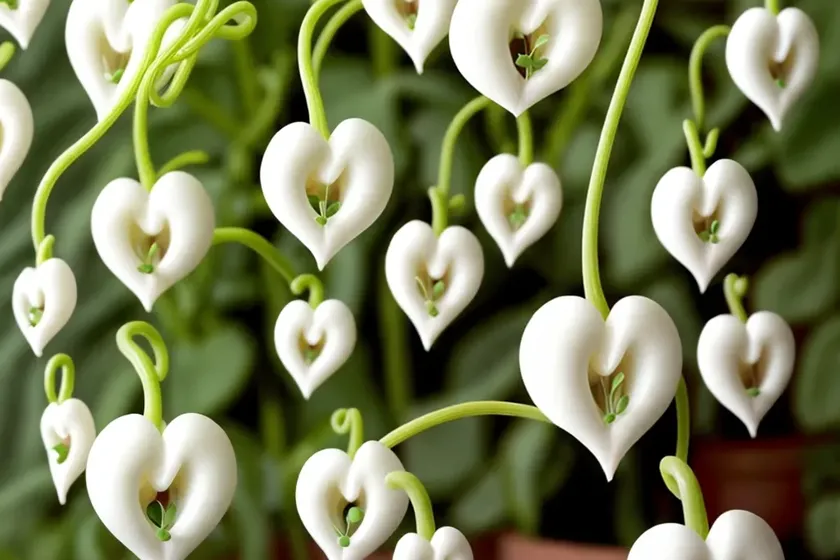
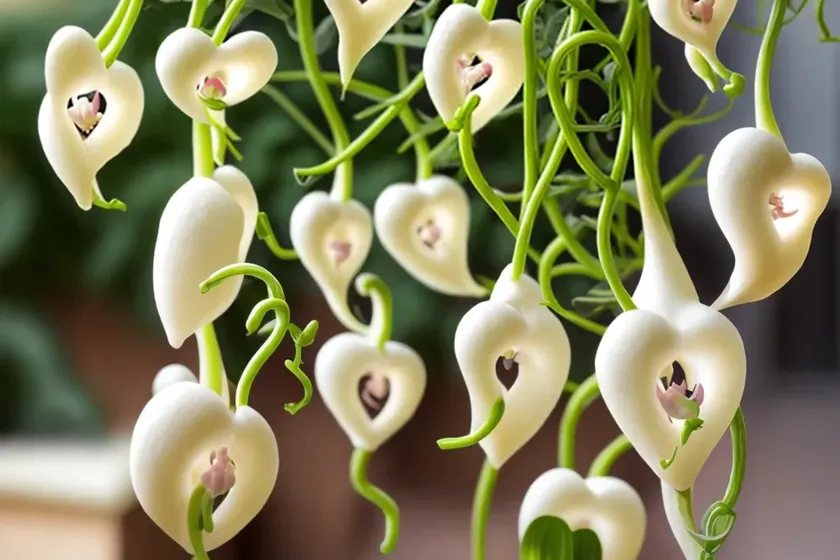
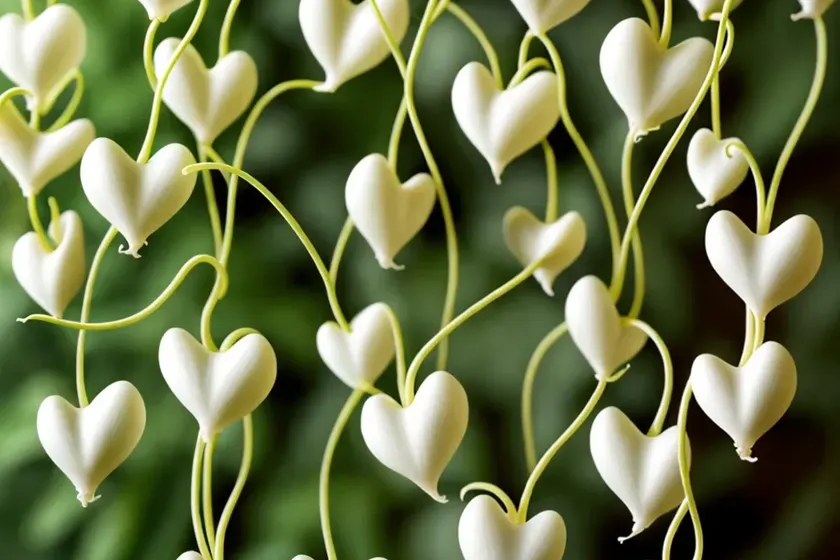
The String of Hearts (Ceropegia woodii) is a charming, trailing succulent plant that has gained immense popularity among plant enthusiasts for its unique heart-shaped leaves and delicate, cascading vines. Its mesmerizing foliage makes it a perfect addition to any indoor or outdoor garden, hanging basket, or shelf display. In this comprehensive guide, we will delve into the fascinating world of Ceropegia woodii, exploring its culture, uses, care tips, propagation methods, common diseases, and much more. Whether you are a seasoned plant parent or a beginner looking to add a touch of elegance to your space, this article will provide all the essential insights to help you successfully cultivate and cherish the beauty of String of Hearts.
What is String of Hearts (Ceropegia woodii)?
Ceropegia woodii, commonly known as the String of Hearts or Rosary Vine, is a member of the genus Ceropegia, which comprises more than 180 species of flowering plants in the family Apocynaceae. Native to southern Africa, particularly regions of Mozambique, South Africa, and Swaziland, this enchanting plant has captured the hearts of plant lovers around the world with its graceful trailing stems adorned with small, silver-dollar-sized leaves that resemble elongated hearts. The delicate, dangling vines adorned with elegant foliage make the String of Hearts a standout addition to any plant collection or decor.
Key Takeaways – String of Hearts (Ceropegia woodii)
Before we delve into the specific care requirements and characteristics of the String of Hearts, let’s summarize the key takeaways about this captivating plant:
- Scientific Name: Ceropegia woodii
- Common Names: String of Hearts, Rosary Vine
- Family: Apocynaceae
- Native Habitat: Southern Africa
- Growth Habit: Trailing succulent with heart-shaped leaves
- Uses: Ornamental, indoor and outdoor decoration
In the subsequent sections, we will explore the culture, uses, care guidelines, and interesting facts about growing and nurturing the String of Hearts.
Culture
Understanding the culture and natural habitat of the String of Hearts is essential for creating an environment that mimics its native conditions to ensure optimal growth and overall well-being. Let’s delve into the key aspects of the plant’s culture, including its native habitat, natural growth habits, and climate requirements.
Natural Habitat of Ceropegia woodii
Ceropegia woodii is indigenous to the warm, arid regions of southern Africa, where it thrives in well-draining, sandy soils and basks in the dappled sunlight filtering through the canopies of shrubs and trees. The plant is often found cascading from rock crevices and growing in the sheltered, semi-shaded areas of its native habitat.
Growth Habits
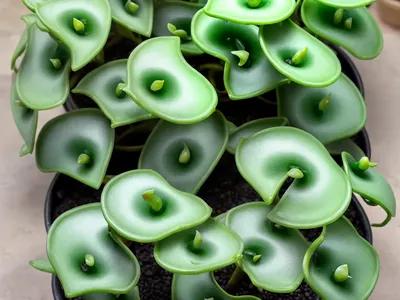
The String of Hearts exhibits a trailing growth habit, producing long, slender stems that can extend several feet in length. As it matures, the plant develops clusters of tuberous roots along the stems, serving as water storage during periods of drought. The heart-shaped leaves are arranged in pairs along the vines, creating a captivating display of natural elegance.
Climate Requirements
In its natural habitat, Ceropegia woodii experiences warm temperatures and ample sunlight during the growing season. It is accustomed to dry, arid conditions and can tolerate periods of drought, thanks to its succulent nature and water-storing tubers. Understanding the plant’s native climate is crucial for providing suitable conditions when cultivating it in different regions.
Uses
The String of Hearts is highly valued for its ornamental qualities, making it a sought-after plant for various decorative purposes. Whether used as a standalone statement piece or incorporated into mixed plantings, this trailing succulent offers a range of versatile uses.
Ornamental Value
The captivating beauty and graceful trailing vines adorned with heart-shaped leaves make the String of Hearts a popular choice for ornamental plantings. It can be showcased in hanging baskets, trailing from shelves and ledges, or grown as a ground cover to add a touch of natural charm to indoor and outdoor spaces.
Indoor and Outdoor Decor
String of Hearts is well-suited for both indoor and outdoor settings, making it a versatile option for adorning living spaces, patios, balconies, and gardens. Its cascading growth habit and visually appealing foliage contribute to its popularity as a decorative accent, bringing a refreshing touch of greenery to any environment.
Water
Understanding the water requirements of Ceropegia woodii is crucial for maintaining healthy growth and preventing issues related to overwatering or underwatering. The following insights will guide you in providing appropriate hydration for your String of Hearts.
Watering Schedule
As a succulent plant, Ceropegia woodii has adapted to thrive in dry, arid conditions, making it essential to adopt a cautious approach to watering. The plant prefers a well-draining soil mix that allows excess water to escape, preventing the roots from sitting in waterlogged conditions. During the active growing season, which typically spans from spring to fall, the String of Hearts benefits from regular but moderate watering once the top inch of the soil has dried out. It is crucial to avoid prolonged periods of soil dryness, as this can lead to dehydration and stress for the plant.
Drought Tolerance
One of the remarkable traits of Ceropegia woodii is its ability to withstand periods of drought, thanks to the specialized tuberous roots along its trailing vines. These tubers serve as reservoirs for storing water, allowing the plant to endure dry spells with minimal water intake. While the String of Hearts can tolerate short periods of water scarcity, it is essential to provide occasional hydration to support healthy growth and vitality.
Signs of Overwatering and Underwatering
Monitoring the plant for signs of overwatering or underwatering is crucial for adjusting the watering regimen accordingly. Overwatering may manifest as yellowing or mushy leaves, accompanied by a damp, musty odor emanating from the soil. On the other hand, underwatering can lead to shriveled, discolored foliage and a visibly wilted appearance. By observing the plant’s response to watering, you can fine-tune the moisture levels to meet its specific needs.
Sunlight
Proper sunlight exposure is a critical factor influencing the overall health and appearance of the String of Hearts. Understanding the optimal sunlight requirements for Ceropegia woodii will enable you to provide an environment that promotes robust growth and vibrant foliage.
Light Requirements
Ceropegia woodii thrives in bright, indirect light, ideally receiving ample sunlight without being subjected to direct, harsh rays. When grown indoors, the plant flourishes in locations with filtered light or gentle morning sun, such as near east or west-facing windows. Outdoors, it benefits from partial shade or semi-shaded areas that offer protection from intense midday sun.
Indoor Lighting
When cultivating the String of Hearts indoors, it is essential to position the plant in areas with sufficient natural light. South-facing windows can provide suitable light levels, but it is crucial to shield the plant from direct sunlight to prevent leaf burn. If natural light is limited, supplemental grow lights can be used to ensure the plant receives the necessary light energy for photosynthesis and healthy growth.
Acclimatization to Sunlight
When transitioning the plant to a new location with different light conditions, gradual acclimatization is recommended to prevent stress and leaf damage. Introduce the String of Hearts to the new lighting environment gradually, allowing it to adapt to the light intensity over a period of days or weeks to minimize potential sunburn or shock.
Fertilizer
Providing balanced nutrition is essential for supporting the growth and vitality of the String of Hearts. Understanding the fertilizer requirements and feeding schedule for Ceropegia woodii will help promote lush foliage and robust trailing vines.
Fertilizer Type
Ceropegia woodii benefits from regular applications of a balanced, water-soluble fertilizer formulated for succulent plants. A fertilizer with a balanced NPK ratio, such as 20-20-20 or 10-10-10, provides essential macro and micronutrients to support healthy growth and abundant foliage. Additionally, using a fertilizer specially designed for succulents and cacti helps cater to the unique nutritional needs of the String of Hearts.
Feeding Schedule
During the active growing season in spring and summer, the String of Hearts can be fertilized every 4 to 6 weeks to supply the necessary nutrients for sustained growth and development. It is crucial to dilute the fertilizer to half the recommended strength to prevent the risk of overfertilization, which can lead to salt buildup in the soil and potential damage to the plant’s roots.
Winter Rest Period
In fall and winter, when the plant enters a period of reduced growth, it is advisable to withhold fertilization to align with its natural growth cycle. Allowing the String of Hearts to experience a period of dormancy with restricted fertilization supports healthy physiological adjustments and prepares the plant for renewed growth in the following spring.
Soil
Choosing the right soil mix is paramount for ensuring optimal growing conditions and supporting the development of the String of Hearts. The following insights highlight the ideal soil composition and considerations for potting Ceropegia woodii.
Soil Composition
Ceropegia woodii thrives in a well-draining soil mix that mimics its native growing conditions. A combination of succulent or cactus potting mix supplemented with perlite or coarse sand facilitates excellent drainage, preventing waterlogging and promoting aeration around the plant’s roots. The porous, fast-draining nature of the soil mix prevents excessive moisture retention, reducing the risk of root rot and related issues.
Container Drainage
When potting the String of Hearts, selecting containers with drainage holes is essential for facilitating proper drainage and preventing water accumulation at the bottom of the pot. Adequate drainage allows excess water to escape freely, minimizing the risk of soil saturation and ensuring the roots remain healthy and aerated.
Repotting Needs
Ceropegia woodii benefits from periodic repotting to refresh the soil, offer additional space for root development, and rejuvenate the plant. As the String of Hearts matures and produces new growth, repotting into a slightly larger container allows the plant to continue thriving and maintains a healthy root system.
Pruning
Pruning plays a crucial role in shaping the growth of the String of Hearts and maintaining its trailing form, while also promoting compact, dense foliage. Understanding the essential pruning techniques and best practices will enable you to enhance the plant’s appearance and ensure long-term vitality.
Trimming Vining Stems
Regularly trimming the vining stems of the String of Hearts helps control the plant’s size and shape, preventing excessive elongation and promoting branching for a fuller, bushier appearance. When pruning, consider snipping the stems just above a leaf node or joint to encourage new growth and branching from the trimmed node.
Removal of Yellowed or Dried Foliage
Periodically inspect the plant for any discolored, yellowed, or dried leaves, and promptly remove them to maintain a neat and vibrant appearance. Removing dead or unhealthy foliage prevents the risk of disease spread and redirects the plant’s resources towards supporting healthy, new growth.
Pruning After Flowering
If the String of Hearts produces flowers, it is advisable to prune the plant after the flowering period to remove spent blooms and trim back any overgrown or leggy stems. This post-flowering pruning helps rejuvenate the plant, promoting fresh growth and maintaining its attractive appearance.
Propagation
Propagating the String of Hearts allows you to expand your plant collection, share cuttings with fellow enthusiasts, and rejuvenate older specimens. Understanding the propagation methods and techniques for Ceropegia woodii empowers you to propagate the plant successfully and nurture new generations of String of Hearts.
Propagation from Stem Cuttings
One of the most common and reliable methods of propagating Ceropegia woodii is through stem cuttings. To propagate from cuttings, select a healthy, mature stem and carefully cut it into sections, ensuring that each cutting possesses several nodes where leaves are attached. Allow the cuttings to callus for a day or two before inserting them into a well-draining, moist propagation medium, such as a mix of perlite and peat moss. With adequate warmth, indirect light, and consistent moisture, the cuttings should develop roots within a few weeks, marking the successful initiation of new plants.
Propagation in Water
Another popular propagation method for the String of Hearts involves rooting stem cuttings in water. Place the prepared cuttings in a container of clean, room temperature water, ensuring that the lower nodes are submerged while the upper foliage remains above the waterline. Change the water regularly to maintain cleanliness and prevent stagnation, and monitor the development of roots, which typically emerge within a few weeks. Once the roots are well-established, the cuttings can be transplanted into a suitable potting mix to continue their growth as independent plants.
Division of Tubers
As the String of Hearts matures, it may develop clusters of tuberous roots along the trailing stems. Propagating the plant through division involves carefully separating these tuber clusters and planting them in individual containers or alongside other cuttings. By dividing the tubers, you can create multiple new plants while also rejuvenating the parent plant by promoting fresh growth from the trimmed sections.
Popularity
The String of Hearts has soared in popularity in recent years, captivating plant enthusiasts, interior decorators, and gardening aficionados with its graceful, cascading vines and distinctive heart-shaped foliage. Its rising popularity can be attributed to several key factors that contribute to its appeal and desirability for plant lovers worldwide.
Aesthetic Appeal
One of the primary reasons for the String of Hearts’ growing popularity is its unparalleled aesthetic appeal, characterized by intricately patterned heart-shaped leaves adorning long, trailing stems. The plant’s captivating form and elegant foliage make it an eye-catching addition to any indoor space, while also offering versatility for creative displays and decorative arrangements.
Low Maintenance
Ceropegia woodii is celebrated for its low-maintenance nature, making it an attractive choice for both novice and experienced plant enthusiasts. Its tolerance for occasional drought, minimal pruning requirements, and adaptable lighting preferences contribute to its appeal as an effortlessly elegant and easy-to-care-for plant.
Varied Uses
The String of Hearts’ versatility in indoor and outdoor settings, coupled with its compatibility with different containers and hanging displays, enhances its utility for diverse uses. Whether cascading from a macrame hanger, trailing along a shelf, or adorning a sunny patio, the plant’s versatility allows for various decorative applications, contributing to its widespread popularity.
Common Diseases
While the String of Hearts is known for its resilience and adaptability, it is susceptible to certain diseases and issues that can affect its overall health and appearance. Understanding the common diseases and ailments that may impact Ceropegia woodii will help you identify and address potential concerns in a timely and effective manner.
Root Rot
Root rot, caused by prolonged soil moisture and poor drainage, poses a significant threat to the health of the String of Hearts. Excessive watering, especially in poorly draining soil, can lead to waterlogged conditions that promote the development of root rot, characterized by discolored, mushy roots and wilting foliage. To mitigate the risk of root rot, ensure the plant is potted in a well-draining soil mix and adopt a cautious approach to watering, allowing the soil to partially dry out between watering sessions.
Powdery Mildew
Powdery mildew, a common fungal disease, may affect the leaves of the String of Hearts, manifesting as a powdery, white substance on the foliage. This fungal growth can hinder photosynthesis, weaken the plant, and detract from its visual appeal. To prevent powdery mildew, maintain proper air circulation around the plant, avoid overhead watering, and promptly treat any signs of fungal growth with suitable fungicidal sprays.
Leaf Spot
Leaf spot diseases, caused by various fungal pathogens, can lead to the development of discolored, spotted lesions on the leaves of Ceropegia woodii. These unsightly blemishes can compromise the plant’s aesthetic appeal and vitality if left unaddressed. To prevent leaf spot diseases, maintain a clean growing environment, avoid dense foliage, and ensure proper air circulation to minimize moisture buildup on the leaves.
Disease Diagnosis
Diagnosing diseases and ailments affecting the String of Hearts involves careful observation of the plant’s symptoms, which may include changes in foliage appearance, wilting, discoloration, or visible signs of pest infestation. By assessing the plant’s condition and identifying key indicators, you can accurately diagnose potential diseases and issues, enabling targeted treatment and management strategies.
Symptom Identification
When observing the String of Hearts for signs of diseases or issues, pay close attention to the color, texture, and overall appearance of the foliage. Look for unusual spots, blemishes, discolored patches, wilting, or changes in leaf texture, as these may indicate the presence of pests, fungal growth, or physiological stress.
Pest Inspection
In addition to diseases, the String of Hearts may be vulnerable to pest infestations, particularly by common houseplant pests such as spider mites, aphids, or mealybugs. Inspecting the plant for signs of pest activity, including webbing, stippling on the foliage, or visible insects, is crucial for early detection and proactive pest management.
Seeking Expert Guidance
If you encounter challenges in diagnosing and addressing diseases or issues affecting your String of Hearts, seeking guidance from experienced horticulturists, plant experts, or local garden centers can provide valuable insights and tailored recommendations for effective disease management and plant care.
Common Pests
Pests pose a potential threat to the health and appearance of the String of Hearts, necessitating vigilant monitoring and proactive pest control measures. Familiarizing yourself with the common pests that may affect Ceropegia woodii enables you to identify and address potential infestations in a timely and targeted manner.
Spider Mites
Spider mites are among the most prevalent pests that can infest the String of Hearts, especially in indoor environments with dry, warm conditions. These tiny arachnids feed on the plant’s sap, leading to stippling, discolored foliage, and visible webbing on the leaves and stems. Regularly inspecting the plant for signs of spider mites and employing appropriate pest control methods, such as water sprays or horticultural oils, can help manage these pests effectively.
Aphids
Aphids are small, sap-sucking insects that may target the String of Hearts, congregating on the undersides of leaves and tender shoot tips. Their feeding activity can cause distorted growth, yellowing leaves, and the secretion of sticky honeydew, attracting sooty mold. Employing natural predators, such as ladybugs, or using insecticidal soaps can help control aphid infestations and protect the plant from damage.
Mealybugs
Mealybugs are soft-bodied insects covered in fluffy, white wax, and they have the potential to infest the String of Hearts, typically congregating in leaf axils and along the stems. Their feeding activity can lead to stunted growth, distorted leaves, and the secretion of honeydew, compromising the plant’s vigor. Mitigating mealybug infestations involves thorough inspection, manual removal of the insects, and targeted application of insecticidal treatments.
Botanist’s Tips
The insights and recommendations provided by experienced botanists and horticulturists offer valuable guidance