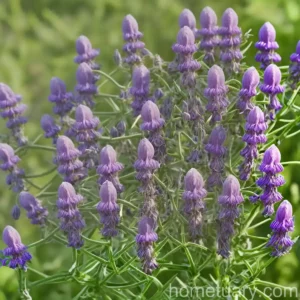
All About Golden Senna (Senna Surattensis)
Golden Senna, scientifically known as Senna Surattensis, is a stunning ornamental plant that belongs to the legume family, Fabaceae. It is also commonly referred to as Buttercup Bush, Candle Bush, and Sherwood Cassia. This plant is highly valued for its vibrant yellow flowers and lush green foliage. The Golden Senna is a versatile plant with a range of practical and aesthetic uses, making it a popular choice among gardeners and landscaping enthusiasts.
In this comprehensive guide, we will explore the ins and outs of the Golden Senna plant, covering its cultural requirements, uses, care tips, propagation methods, common diseases and pests, and much more. Whether you are a seasoned gardener or a beginner looking to enhance your green space, this guide will equip you with all the essential knowledge to cultivate and care for the magnificent Golden Senna.
Plant Name: Golden Senna (Senna Surattensis)
Common Names: Golden Senna, Buttercup Bush, Candle Bush, Sherwood Cassia
Scientific Name: Senna Surattensis
Family: Fabaceae
Hardiness Zone: 9-11
Golden Senna is a beautiful flowering plant that is native to Southeast Asia and parts of Australia. It is widely cultivated for its ornamental value and is known for its adaptability to various growing conditions. Let’s delve into the various aspects of Golden Senna, including its culture, uses, care requirements, propagation methods, diseases, and fun facts.
Key Takeaways – Golden Senna (Senna Surattensis)
Before we delve into the detailed aspects of Golden Senna, let’s take a quick look at the key takeaways that we will explore in this comprehensive guide:
- Plant Type: Ornamental flowering plant
- Cultural Requirements: Water, sunlight, soil, fertilizer
- Uses: Landscaping, ornamental gardening
- Propagation Methods: Seeds, cuttings
- Common Diseases: Anthracnose, Powdery Mildew
- Common Pests: Aphids, Whiteflies
- Fun Facts: Unique characteristics and trivia about Golden Senna
Now, let’s begin our journey into the fascinating world of Golden Senna and explore its various facets in detail.
What is Golden Senna (Senna Surattensis)?
Golden Senna (Senna Surattensis) is a deciduous shrub or small tree that typically reaches a height of 6-10 feet. The plant features delicate, pinnate leaves and eye-catching clusters of vibrant yellow flowers, which bloom profusely during the spring and summer months. The flowers are followed by elongated, brown seed pods, adding further ornamental interest to the plant.
Culture
Uses
Water
Sunlight
Fertilizer
Soil
Pruning
Propagation
Container Popularity
Container Common Diseases
Disease Diagnosis
Common Pests
Botanist’s Tips
Fun Facts
Golden Senna (Senna Surattensis) is not only visually appealing but also carries a rich history of traditional and medicinal uses. The plant has been an integral part of traditional medicine and cultural practices in various regions where it is found. Here are some intriguing fun facts about the Golden Senna plant:
-
Medicinal Uses: Various parts of the Golden Senna plant, including the leaves and seeds, have been traditionally used to treat constipation, skin disorders, and other ailments. However, it is essential to exercise caution and seek professional medical advice before using any plant for medicinal purposes.
-
Landscaping Charm: The Golden Senna plant is widely utilized in landscaping and ornamental gardening, where its vibrant flowers and lush foliage add a cheerful touch to outdoor spaces. The plant’s ability to attract butterflies and other pollinators further enhances its appeal in garden settings.
-
Cultural Significance: In some cultures, the Golden Senna plant holds symbolic significance and is associated with themes of prosperity, happiness, and luck. It has been incorporated into various cultural traditions and rituals, further cementing its value beyond its ornamental beauty.
-
Wildlife Habitat: Apart from its aesthetic and medicinal attributes, Golden Senna also plays a role in supporting local wildlife. The plant provides habitat and food sources for diverse insect and bird species, contributing to the ecological balance of its native environments.
Links to External Resources
For further exploration of Golden Senna and related topics, you may find the following external resources valuable:
- Royal Horticultural Society (RHS) – Senna Surattensis
- Missouri Botanical Garden – Senna Surattensis
- Flowers of India – Senna Surattensis
- Plant Care Guide – Golden Senna
These resources offer valuable insights, images, and additional information to enrich your understanding of Golden Senna and its cultivation.
In the following sections, we will delve deeper into the various aspects of Golden Senna, offering detailed guidance on its culture, care requirements, propagation methods, and more. Let’s continue our exploration of this captivating plant.