Rosary Vine (Ceropegia Linearis Woodii)
As a plant scientist, I have always been fascinated by the diverse array of plant species that grace our planet. From towering trees to delicate ferns, the.
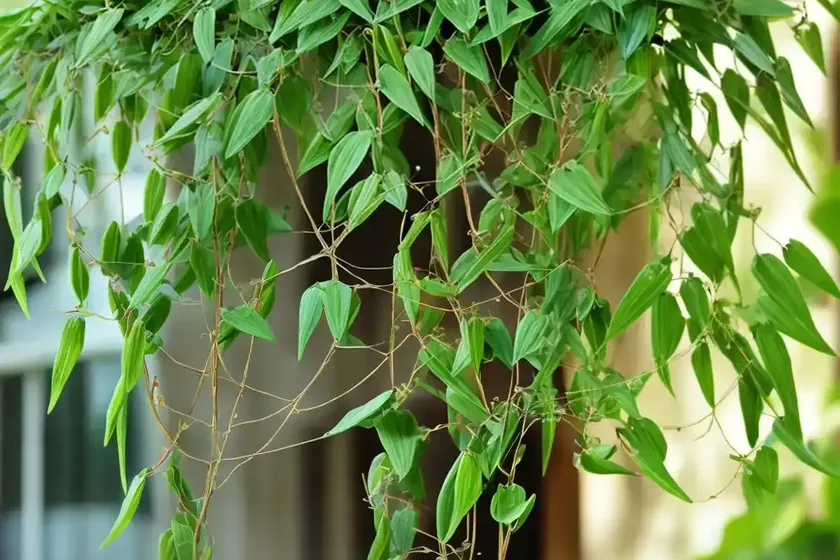
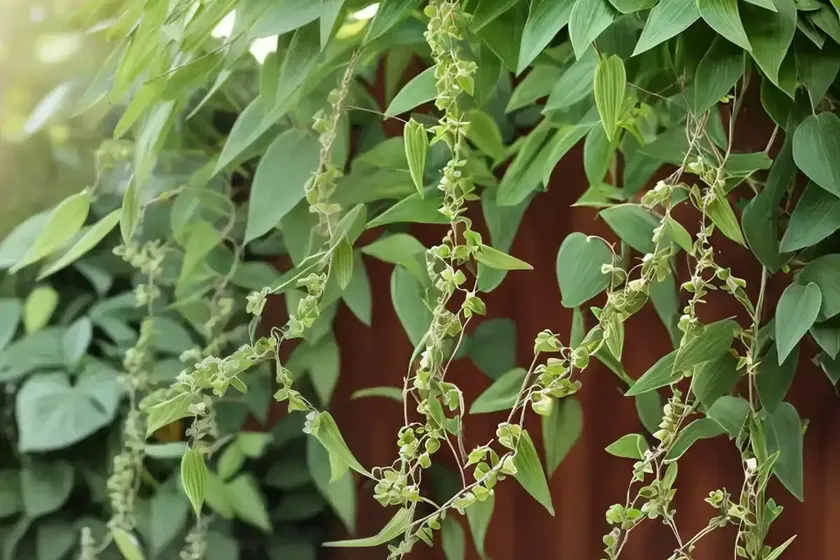
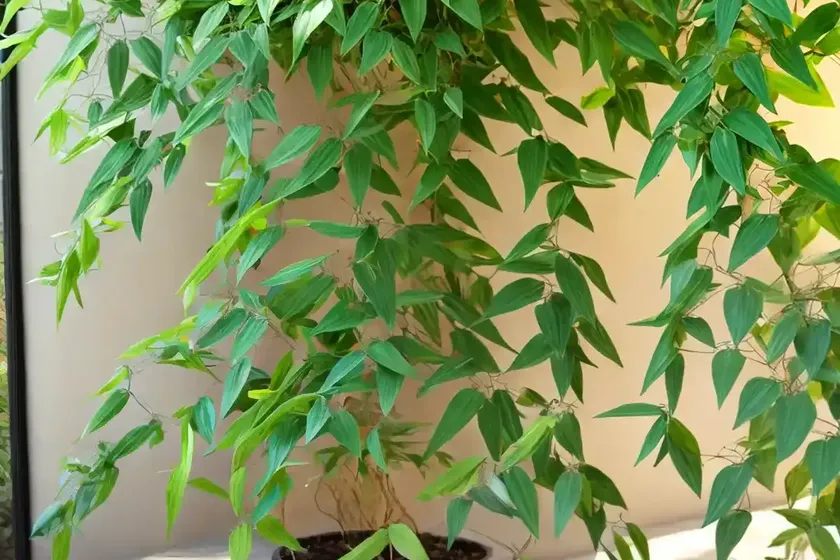
As a plant scientist, I have always been fascinated by the diverse array of plant species that grace our planet. From towering trees to delicate ferns, the world of plants offers an endless source of wonder and discovery. One particular plant that has captured the hearts of many indoor gardening enthusiasts is the Rosary Vine (Ceropegia linearis woodii). Its unique trailing habit, charming appearance, and relatively easy care requirements make it a beloved addition to any houseplant collection.
In this comprehensive guide, we will delve into the captivating world of the Rosary Vine, exploring its cultural preferences, uses, care tips, and much more. Whether you are a seasoned plant parent or a beginner looking to add a touch of greenery to your home, this article will equip you with the knowledge needed to nurture and appreciate this timeless plant.
What is the Rosary Vine (Ceropegia linearis woodii)?
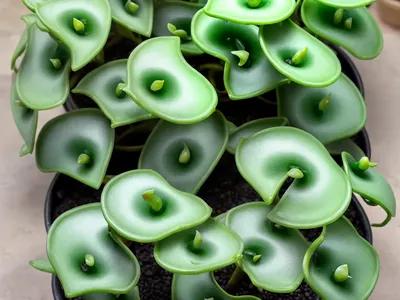
The Rosary Vine, scientifically known as Ceropegia linearis woodii, is a species of flowering plant belonging to the genus Ceropegia within the family Apocynaceae. Native to South Africa, this charming succulent is characterized by its slender, trailing stems adorned with small, heart-shaped leaves. The plant’s common name, “Rosary Vine,” alludes to the resemblance of its stems to a string of rosary beads.
The distinct appearance of the Rosary Vine makes it a popular choice for indoor gardening, especially for those seeking a plant with a unique trailing habit. In addition to its visual appeal, the plant’s relatively low maintenance needs and adaptability to indoor environments have contributed to its widespread popularity among plant enthusiasts.
Now, let’s delve into the various aspects of caring for the Rosary Vine, including its cultural requirements, uses, and common care practices.
Key Takeaways – Rosary Vine (Ceropegia linearis woodii)
Culture
The cultural requirements of the Rosary Vine play a pivotal role in determining its overall well-being and growth. Let’s explore the key aspects of its culture, including water, sunlight, fertilizer, soil, and pruning.
Uses
Understanding the potential uses of the Rosary Vine can provide valuable insights into how this plant can enhance both indoor and outdoor spaces. From decorative purposes to air purification, the versatility of the Rosary Vine makes it a valuable addition to any plant collection.
Water
Watering constitutes a fundamental aspect of plant care, and the Rosary Vine is no exception. By learning about its watering needs and appropriate watering practices, you can ensure the plant’s health and vitality.
Sunlight
The right balance of sunlight is crucial for the well-being of any plant. Discover the optimal light conditions for the Rosary Vine and how to provide the ideal environment for its growth.
Fertilizer
Proper fertilization can bolster the growth and resilience of the Rosary Vine. Learn about the best fertilizer practices to nourish this delightful houseplant.
Soil
The choice of soil can significantly influence the health and growth of the Rosary Vine. Unearth the ideal soil composition and potting mix for cultivating this charming succulent.
Pruning
Pruning is an essential technique to maintain the appearance and health of the Rosary Vine. Explore the art of pruning and how to harness its benefits for this trailing plant.
Propagation
The ability to propagate the Rosary Vine opens up opportunities to expand your plant collection or share its beauty with others. Gain insights into effective propagation methods for this captivating species.
Container Popularity
The Rosary Vine’s compatibility with containers makes it an attractive option for indoor and outdoor plant displays. Discover how to harness the plant’s unique trailing habit within different types of containers.
Container Common Diseases
Understanding common diseases that can affect the Rosary Vine is crucial for proactive plant care. Learn about potential diseases, their diagnosis, and preventive measures to safeguard the plant’s health.
Disease Diagnosis
Recognizing the symptoms of diseases affecting the Rosary Vine is the first step in implementing effective remedies. Delve into the diagnosis of common plant diseases and how to address them.
Common Pests
Pests can pose a threat to the well-being of the Rosary Vine. Uncover the common pests that may target this succulent and strategies to mitigate pest-related issues.
Botanist’s Tips
Insights from botanists can offer valuable guidance for nurturing the Rosary Vine. Benefit from expert tips and recommendations to optimize the care of this timeless houseplant.
Fun Facts
Explore intriguing and lesser-known facts about the Rosary Vine that showcase its unique characteristics and allure as a decorative plant.
Links to External Resources
Extend your knowledge and exploration of the Rosary Vine by accessing authoritative external resources related to its care, cultivation, and potential uses.
Now, without further ado, let’s embark on a captivating journey into the world of the Rosary Vine, where we will unravel its care secrets and celebrate its enduring charm as a beloved houseplant.
Culture
Cultivating the Rosary Vine, Ceropegia linearis woodii, to its full potential requires a nuanced understanding of its cultural preferences. From supplying the right amount of water to ensuring adequate sunlight exposure, the Rosary Vine thrives under specific conditions. Let’s delve into the key cultural considerations for this captivating succulent.
Uses
Before we explore the cultural requirements of the Rosary Vine, it’s essential to understand the diverse uses and potential benefits it offers. By harnessing its decorative appeal, air-purifying properties, and adaptability to various display options, the Rosary Vine can serve as a versatile and captivating addition to indoor spaces. Here are some common uses of the Rosary Vine:
-
Decorative Houseplant: The charming trailing habit and distinctive foliage of the Rosary Vine make it an attractive ornamental plant for indoor displays. Its graceful trailing stems can add a touch of natural elegance to shelves, hanging baskets, and terrariums, creating an enchanting ambiance within living spaces.
-
Air Purification: Like many other indoor plants, the Rosary Vine contributes to air purification by absorbing carbon dioxide and releasing oxygen. Its presence can help improve indoor air quality, promoting a healthier and more refreshing environment.
-
Vertical Gardens: The cascading foliage of the Rosary Vine makes it an excellent candidate for vertical gardening. Its trailing stems can elegantly adorn vertical planters or green walls, adding a dynamic and visually arresting element to both indoor and outdoor vertical garden arrangements.
-
Tropical Atmosphere Creation: Incorporating the Rosary Vine into indoor settings can evoke a tropical ambiance, especially when paired with other lush, tropical plants. Its trailing habit and charming appearance lend themselves well to creating a vibrant and exotic atmosphere within living spaces.
-
Natural Decor Element: From contemporary home decor to botanical-themed interiors, the Rosary Vine can serve as a striking natural decor element. Its unique growth pattern and visual appeal make it an intriguing addition to various design concepts, enhancing the aesthetic allure of interior spaces.
Now that we have gained insights into the potential uses of the Rosary Vine, let’s transition to the specific cultural aspects that contribute to its successful cultivation as a cherished houseplant.
Water
Proper watering practices are essential for maintaining the health and vibrancy of the Rosary Vine. Understanding the plant’s water requirements and implementing appropriate watering techniques are crucial for preventing issues such as root rot or dehydration.
-
Watering Frequency: The watering frequency for the Rosary Vine should align with its growth stage and environmental conditions. During the active growing season, which typically spans spring and summer, the plant will require more frequent watering to support its growth. In contrast, watering frequency can be reduced during the plant’s dormant period in fall and winter.
-
Soil Moisture: Before watering the Rosary Vine, it’s advisable to check the moisture level of the soil. Inserting a finger into the soil up to the first knuckle can provide a quick assessment of the soil’s moisture content. If the soil feels dry at this depth, it indicates the need for watering.
-
Watering Method: When watering the Rosary Vine, it’s important to ensure thorough saturation of the soil while allowing excess water to drain freely from the container. This helps prevent waterlogging and ensures that the plant’s root system receives adequate moisture.
-
Avoid Overwatering: Overwatering can pose a significant threat to the health of the Rosary Vine, leading to root rot and other moisture-related issues. It’s crucial to strike a balance by providing sufficient water without allowing the plant to sit in waterlogged soil.
-
Drought Tolerance: The Rosary Vine exhibits a degree of drought tolerance, making it suitable for individuals who may occasionally forget to water their plants. However, consistent and attentive watering remains preferable for sustaining the plant’s vitality and overall well-being.
By adopting a mindful approach to watering, you can ensure that the Rosary Vine receives the appropriate level of moisture to support its growth and development, while avoiding the pitfalls of overwatering.
Sunlight
As with many plants, exposure to the right amount of sunlight is critical for the Rosary Vine’s health and vigor. Understanding its light requirements and providing the appropriate level of sunlight are essential considerations for successful cultivation.
-
Light Intensity: The Rosary Vine thrives in bright, indirect light. While it can tolerate some degree of direct sunlight, excessive sun exposure can lead to leaf scorch and damage. Consequently, it is best to position the plant in a location that receives ample natural light without subjecting it to harsh, direct sun rays.
-
Indoor Placement: Indoor settings with bright, filtered light, such as near east- or west-facing windows, are ideal for accommodating the light preferences of the Rosary Vine. Placing the plant in proximity to natural light sources ensures that it receives the illumination necessary for robust growth without being exposed to intense, unfiltered sunlight.
-
Outdoor Considerations: When cultivating the Rosary Vine outdoors, it is advisable to position it in areas that offer partial to full shade, especially during the hottest hours of the day. This can prevent potential sunburn and foliar damage caused by excessive sunlight exposure.
-
Light Duration: Providing the Rosary Vine with approximately 6 to 8 hours of indirect sunlight per day can help optimize its growth and ensure that it maintains its attractive appearance. Consistent exposure to adequate light supports the plant’s photosynthetic processes and overall vitality.
By understanding the plant’s light requirements and carefully managing its exposure to sunlight, you can create an optimal environment for the Rosary Vine to flourish and adorn your indoor or outdoor spaces with its distinctive charm.
Fertilizer
In addition to water and sunlight, supplying the Rosary Vine with appropriate nutrients through fertilization is crucial for sustaining its growth and ornamental appeal. By incorporating a balanced fertilization regimen into the plant’s care routine, you can encourage robust foliage production and overall vigor. Here are essential considerations for fertilizing the Rosary Vine:
-
Fertilizer Type: A well-balanced, water-soluble fertilizer formulated for houseplants or succulents is suitable for nourishing the Rosary Vine. Opt for a fertilizer with a balanced ratio of essential nutrients, such as a 20-20-20 formulation, to support the plant’s nutritional needs.
-
Fertilization Frequency: During the active growing season in spring and summer, it is advisable to fertilize the Rosary Vine approximately once every two to four weeks. This frequency helps sustain the plant’s nutrient uptake and promote healthy growth. In contrast, reduce or suspend fertilization during the plant’s dormant phase in fall and winter.
-
Dilution and Application: Dilute the selected fertilizer according to the manufacturer’s instructions before applying it to the plant. Administer the fertilizer when the soil is already moist to prevent potential root damage. It’s essential to distribute the fertilizer evenly across the soil surface to facilitate optimal nutrient absorption by the plant’s root system.
-
Nutrient Balance: Ensuring a balanced supply of essential nutrients, including nitrogen, phosphorus, and potassium, can fortify the Rosary Vine’s resilience and promote vibrant, lush foliage. Be mindful of the fertilizer’s nutrient composition and aim for a well-rounded formulation that satisfies the plant’s nutritional requirements.
By integrating a thoughtfully crafted fertilization regimen into the care routine of the Rosary Vine, you can provide the plant with the essential nutrients it needs to thrive and adorn your living spaces with its enchanting presence.
Soil
The choice of soil and potting mix plays a pivotal role in supporting the growth, vitality, and resilience of the Rosary Vine. By selecting an appropriate soil composition and potting medium, you can create an environment that fosters the plant’s development and sustains its ornamental allure. Consider the following soil-related aspects when cultivating the Rosary Vine:
-
Well-Draining Soil: Given the Rosary Vine’s susceptibility to root rot in waterlogged conditions, it is crucial to utilize a well-draining soil mix that prevents excess moisture accumulation. A blend of potting soil, perlite, and coarse sand can create an ideal substrate that promotes rapid drainage while retaining adequate moisture for the plant’s roots.
-
Aeration and Structure: Incorporating soil components that facilitate aeration and structural support can benefit the Rosary Vine’s root system. Aeration promotes oxygen diffusion within the soil, fostering healthy root respiration, while a balanced mix of organic and inorganic components contributes to soil structure stability.
-
Moisture Retention: While efficient drainage is essential, the soil should also possess sufficient moisture retention capacity to prevent rapid drying. Balancing drainage with moisture retention can ensure that the Rosary Vine receives consistent hydration without the risk of waterlogged conditions.
-
Nutrient Availability: A high-quality potting mix enriched with essential nutrients can provide the Rosary Vine with a favorable growth medium. Consider incorporating a slow-release fertilizer into the soil mix to sustain nutrient availability for the plant over an extended period.
By tailoring the soil composition and potting mix to align with the Rosary Vine’s preferences, you can establish a nurturing foundation that supports the plant’s growth and vitality while mitigating potential soil-related challenges.
Pruning
Pruning serves as an indispensable practice for maintaining the appearance and structural integrity of the Rosary Vine. By engaging in regular pruning activities, you can manage the plant’s size, encourage bushy growth, and address any issues related to excessive elongation or reduced foliage density. Here are essential considerations for pruning the Rosary Vine:
-
Maintenance Pruning: Regular, light pruning can help manage the shape and size of the Rosary Vine, preventing it from becoming excessively leggy or straggly. Trimming back excess growth can evoke a denser, more compact appearance for the plant, enhancing its aesthetic appeal.
-
Deadheading Flowers: If the Rosary Vine produces flowers, deadheading wilted blooms can promote continuous flowering and prevent the allocation of energy towards seed formation. Removing spent flowers can redirect the plant’s resources towards foliage production and overall growth.
-
Stem Trimming: Trimming overly long or trailing stems can help maintain the desired dimensions and appearance of the Rosary Vine. Careful pruning of errant or excessively lengthy stems can guide the plant’s growth trajectory and support a balanced, well-proportioned display.
-
Pruning Tools and Techniques: Using clean, sharp pruning shears is essential for achieving precise and efficient cuts during pruning. Additionally, employing proper pruning techniques, such as cutting just above a leaf node, can promote healthy regrowth and minimize the risk of injury to the plant.
Engaging in regular pruning exercises ensures that the Rosary Vine preserves a tidy, appealing appearance while maintaining its overall health and vigor. By incorporating pruning into your plant care routine, you can harness the aesthetic potential of the Rosary Vine and cultivate a visually captivating display.
Propagation
The ability to propagate the Rosary Vine through various methods empowers plant enthusiasts to expand their collections and share the charm of this delightful species with others. Understanding effective propagation techniques can facilitate the proliferation of the plant, opening up opportunities to create new arrangements and enrich indoor or outdoor spaces with its captivating presence. Here are common methods for propagating the Rosary Vine:
-
Stem Cuttings: Propagation via stem cuttings represents a straightforward and reliable technique for creating new Rosary Vine plants. Select healthy, mature stems and trim them into sections several inches in length. Once the cuttings have calloused, plant them in a well-draining potting mix and provide appropriate environmental conditions to encourage root development.
-
Leaf Cuttings: Utilizing leaf cuttings as a propagation method can yield new Rosary Vine plants with relative ease. Carefully remove individual leaves from the parent plant, allow them to callous, and then position them in a suitable propagation medium to initiate root formation.
-
Water Propagation: Water propagation offers a visually engaging approach for rooting stem or leaf cuttings of the Rosary Vine. Placing the cuttings in a water-filled container and maintaining consistent water quality and levels can stimulate root growth, enabling the establishment of new plants.
-
Division: For Rosary Vine plants that have developed multiple stems or clusters, division presents an opportunity to separate and propagate individual portions. By carefully dividing the plant’s root system and replanting the divided segments, you can expand your collection and encourage the growth of new Rosary Vine specimens.
By mastering the art of propagation and experimenting with different methods, you can share the allure of the Rosary Vine with fellow plant enthusiasts and curate diverse, vibrant displays brimming with its timeless charm.
Container Popularity
The Rosary Vine’s compatibility with various types of containers makes it an attractive choice for adorning indoor and outdoor spaces with its unique trailing habit and charming appearance. Whether displayed in hanging baskets, terrariums, or decorative pots, the plant’s versatility in container gardening offers creative flexibility and aesthetic appeal.
-
Hanging Baskets: The graceful trailing nature of the Rosary Vine makes it an ideal candidate for showcasing in hanging baskets. The plant’s cascading foliage elegantly drapes over the edges of the basket, creating a captivating visual display that adds depth and dimension to indoor or outdoor settings.
-
Decorative Pots: Placing the Rosary Vine in decorative pots and containers can enhance its ornamental impact within interior spaces. Selecting pots of various sizes, shapes, and materials allows for diverse design possibilities, catering to different decor styles and preferences.
-
Terrariums and Vivariums: The compact size and trailing habit of the Rosary Vine render it well-suited for inclusion in terrariums and vivariums. Its charming foliage can enrich enclosed, miniature ecosystems, adding a touch of natural allure and liveliness to these enclosed plant environments.
-
Vertical Planters: Integrating the Rosary Vine into vertical planters, such as living walls or vertical garden structures, infuses these arrangements with a dynamic and visually compelling element. The plant’s trailing stems contribute to the vertical flow of greenery, fostering an engaging and vibrant display.
The diverse appeal of the Rosary Vine as a container plant enables plant enthusiasts to experiment with different presentation options, creating captivating, personalized showcases that highlight the plant’s unique trailing beauty.
Common Diseases
Despite its resilience, the Rosary Vine may be susceptible to certain diseases that can potentially impact its health and vigor. Familiarizing yourself with common diseases and their associated symptoms can aid in early detection and timely intervention to safeguard the plant’s well-being.
- Root Rot: Excessive soil moisture or waterlogging can predispose the Rosary Vine to root rot, a condition characterized by the decay of the plant’s root system. Symptoms include wilting, yellowing leaves, and a foul odor emanating from the soil. Preventive