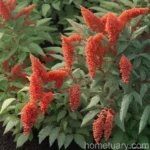
The Wonderful World of Dwarf Sumac (Rhus copallinum var. latifolia ‘Morton’ PRAIRIE FLAME)
Welcome to the fascinating world of Dwarf Sumac (Rhus copallinum var. latifolia ‘Morton’ PRAIRIE FLAME)! In this comprehensive guide, we will explore the characteristics, culture, uses, and maintenance of this stunning plant. From its cultivation and unique foliage to its benefits for landscaping and wildlife, we will delve into every aspect to help you gain an in-depth understanding of this remarkable species. Whether you’re a seasoned plant enthusiast or a beginner looking to enhance your garden, this article will provide valuable insights into the care and appreciation of the captivating dwarf sumac.
What is Dwarf Sumac?
Dwarf sumac, scientifically known as Rhus copallinum var. latifolia ‘Morton’ PRAIRIE FLAME, is a compact and visually arresting shrub that belongs to the Anacardiaceae family. This particular variety, ‘Morton’ PRAIRIE FLAME, is celebrated for its mesmerizing foliage and its versatility in landscaping and horticulture. With its unique features and numerous benefits, dwarf sumac has garnered attention and acclaim among gardeners, horticulturists, and nature enthusiasts.
Prairie Flame Varieties
The ‘Morton’ PRAIRIE FLAME variety of dwarf sumac is particularly notable for its vibrant and fiery foliage, which transitions through a breathtaking spectrum of colors during the changing seasons. From its brilliant scarlets and rich oranges in autumn to its lush greens in summer, this cultivar presents a stunning display of natural beauty. The distinct hues of the leaves make it a standout specimen in any landscape, creating a focal point that adds depth and interest throughout the year.
Cultivation of Dwarf Sumac
Understanding the cultivation requirements of dwarf sumac is essential for ensuring its optimal growth and development. By knowing the specific needs of this unique species, you can create an environment that allows it to thrive and flourish. The following factors play a crucial role in the successful cultivation of dwarf sumac:
Water
Dwarf sumac exhibits moderate water requirements, preferring consistently moist but well-drained soil. During the establishment phase, regular watering is essential to promote robust root development and to facilitate the plant’s acclimatization to its new environment. Once established, it displays good drought tolerance, requiring less frequent watering.
In regions with ample rainfall, supplementary watering may not be necessary, but in drier climates, periodic irrigation, especially during prolonged dry spells, can support the health and vitality of the plant.
Sunlight
As a sun-loving species, dwarf sumac thrives in full sun to partial shade. Adequate sunlight is vital for promoting the intense coloration of its foliage, particularly during the autumn season when the leaves take on their characteristic fiery tones. When planted in a location with ample sunlight, dwarf sumac showcases its full potential, dazzling viewers with its vibrant display.
Soil
The soil preferences of dwarf sumac include well-drained, loamy, or sandy soils with a slightly acidic to neutral pH. These soil conditions provide an ideal foundation for the plant to establish its roots and access essential nutrients. Good drainage is especially important, as waterlogged or compacted soils can adversely affect the health of the plant.
Fertilizer
Dwarf sumac generally does not have high fertilizer requirements, especially when planted in nutrient-rich soils. However, if the soil is deficient in certain nutrients, a balanced, slow-release fertilizer can be applied in spring to support healthy growth and vibrant foliage. Care should be taken to avoid excessive fertilization, as this can lead to an imbalance in nutrient levels and potentially harm the plant.
Pruning and Maintenance
Pruning is an important aspect of dwarf sumac care, contributing to the plant’s overall health and aesthetic appeal. Regular maintenance, including pruning and upkeep, sustains the plant’s vigor and prevents the accumulation of dead or diseased wood. Pruning can also promote a more compact growth habit and enhance the ornamental qualities of the plant.
Pruning Techniques
When pruning dwarf sumac, it’s essential to remove any dead or damaged branches, as well as any growth that detracts from the plant’s natural form. Additionally, selective pruning can help manage the size and shape of the plant, ensuring that it integrates harmoniously within its environment. Pruning is typically performed in late winter to early spring, before the onset of new growth.
Pruning for Shape and Size Control
To maintain a tidy and well-proportioned appearance, dwarf sumac can be selectively pruned to shape and contain its growth. This allows for greater control over its overall size and form, enabling it to complement its surroundings and fulfill its aesthetic potential.
Disease Resistance and Pest Control
Dwarf sumac has good resistance to many common diseases and pests, making it a low-maintenance and resilient addition to gardens and landscapes. Its natural hardiness and disease-resistant qualities alleviate the need for extensive interventions, allowing the plant to thrive with minimal interference.
Common Diseases
While dwarf sumac is generally robust and resistant to many diseases, occasional issues such as leaf spot and powdery mildew may arise, particularly in conditions of high humidity or poor air circulation. However, these occurrences are typically minor and can often be managed through cultural practices, such as providing adequate spacing between plants and ensuring proper airflow.
Pest Control
Pests are not a significant concern for dwarf sumac, although occasional encounters with aphids or scale insects may occur. These pests can usually be controlled through non-toxic methods, such as spraying the plant with a gentle stream of water to dislodge the insects or introducing natural predators.
Propagation and Container Gardening
Dwarf sumac can be propagated through various methods, including seeds, cuttings, and division. Each propagation technique offers unique advantages and is suited to different contexts, allowing for flexibility in the propagation process. Propagation enables the multiplication of plants, making it possible to propagate a beloved specimen or establish new plants for landscape enhancement.
Seed Propagation
Propagating dwarf sumac from seeds can be a rewarding process, allowing for the creation of new plants with the potential to exhibit unique characteristics. Harvested seeds are sown in a suitable growing medium and provided with the appropriate conditions for germination. With proper care and attention, seedlings emerge, heralding the beginning of a new generation of dwarf sumac plants.
Cutting Propagation
Propagation from cuttings is another effective method for multiplying dwarf sumac plants. Stem cuttings taken from a healthy parent plant are rooted under controlled conditions, fostering the development of new plants that mirror the desirable traits of the parent.
Division
Dividing established plants presents an opportunity to propagate dwarf sumac while also rejuvenating the parent plant. By dividing the root system into separate sections, new plants can be created, each with the potential to grow into a robust and visually striking specimen.
Container Gardening
The adaptable nature of dwarf sumac makes it well-suited for container gardening, enabling its cultivation in a variety of settings, including patios, balconies, and urban landscapes. When grown in containers, dwarf sumac adds a touch of natural beauty to outdoor spaces, showcasing its striking foliage and vibrant colors. Container gardening also offers the advantage of mobility, allowing for easy repositioning and display flexibility.
Practical Uses of Dwarf Sumac
Dwarf sumac serves multiple practical and aesthetic purposes, contributing to both natural ecosystems and designed landscapes. With its visually captivating foliage and its positive impact on wildlife, this versatile plant offers numerous benefits and applications.
Landscaping and Horticulture
In landscaping and horticulture, dwarf sumac shines as a versatile, low-maintenance plant that adds color, texture, and visual interest to various settings. Its compact growth habit and ornamental foliage make it an excellent choice for border plantings, groupings, and specimen plantings. Whether used in formal or informal landscapes, dwarf sumac delivers enduring beauty and seasonal drama.
Wildlife Attraction
Dwarf sumac plays a valuable role in supporting wildlife, serving as a source of food and habitat for birds, pollinators, and beneficial insects. The plant’s clusters of small, berry-like fruits are eagerly consumed by birds, contributing to the sustenance of avian populations. In addition, its nectar-rich flowers attract pollinators, fostering biodiversity and ecological balance.
Erosion Control
The spreading root system of dwarf sumac aids in erosion control, stabilizing soil and preventing the loss of valuable topsoil. By anchoring the soil with its roots, dwarf sumac helps mitigate the negative effects of erosion, contributing to soil conservation and environmental sustainability.
Medicinal and Cultural Uses
Throughout history, sumac has been utilized for various medicinal and cultural purposes. While it is important to approach the use of plants for such applications with caution and expert guidance, the cultural significance of sumac as a source of traditional medicine and dyeing material is noteworthy.
Botanist’s Tips for Growing Dwarf Sumac
Incorporating expert tips and insights can significantly enhance the success of cultivating dwarf sumac. By following best practices and heeding advice from experienced botanists, you can optimize the growth and performance of this exceptional plant.
Selecting an Ideal Site
Choosing an appropriate location for planting dwarf sumac is crucial for its long-term health and vitality. Ensure that the site provides the necessary sunlight, soil conditions, and space for the plant to thrive. By selecting an ideal site, you lay the foundation for the plant’s future growth and durability.
Observing Seasonal Changes
Dwarf sumac undergoes captivating seasonal changes, each marked by distinct shifts in its foliage color and appearance. Observing these changes and appreciating the plant’s evolving beauty throughout the year adds depth to the gardening experience, fostering a deeper connection with nature and the rhythms of the seasons.
Supporting Wildlife
Encouraging wildlife in the garden enriches the natural environment and promotes ecological balance. By cultivating dwarf sumac and other wildlife-friendly plants, you create a welcoming habitat for birds, butterflies, and beneficial insects, contributing to the overall health and diversity of the ecosystem.
Aesthetically Enhancing the Landscape
Incorporating dwarf sumac into landscape designs offers an opportunity to introduce captivating colors and textures, creating a visually engaging and dynamic environment. Consider the plant’s growth habit, foliage characteristics, and seasonal changes when integrating it into the landscape, ensuring that it harmonizes with the overall design.
Fun Facts About Dwarf Sumac
To further appreciate the allure and significance of dwarf sumac, let’s explore some captivating and intriguing facts about this remarkable plant:
- The vibrant foliage of dwarf sumac transforms into an array of fiery hues, including scarlet, orange, and gold, creating a spectacular display of autumn colors.
- The small, berry-like fruits of sumac are consumed by many bird species, making the plant an essential food source for avian populations.
- In some cultures, sumac has been traditionally used as a culinary spice, adding a tart and tangy flavor to dishes and beverages.
- Sumac has a rich history of use in traditional medicine and has been valued for its potential medicinal properties in various cultures.
- The dense clusters of sumac flowers attract a diverse range of pollinators, contributing to the ecological balance of natural ecosystems.
Conclusion
Dwarf sumac (Rhus copallinum var. latifolia ‘Morton’ PRAIRIE FLAME) is a plant of remarkable beauty, practical value, and ecological significance. With its striking foliage, versatile uses, and low-maintenance qualities, it has earned its place as a favored choice for gardens, landscapes, and natural areas. By understanding the cultivation practices, uses, and benefits of dwarf sumac, enthusiasts and horticulturists can discover the immense potential of this captivating plant, enriching their surroundings and nurturing a deeper connection with the natural world.
In the exploration of dwarf sumac, we have uncovered its cultural, ecological, and aesthetic contributions, showcasing its diverse attributes and benefits. The inherent beauty of this exceptional species, coupled with its positive impact on wildlife and the environment, underscores its value and appeal in gardens, parks, and natural spaces. As we continue to appreciate and care for dwarf sumac, we honor its intrinsic worth and celebrate its enduring presence in the tapestry of the natural world.
We hope this guide has provided valuable insights and inspiration for cultivating and appreciating dwarf sumac, highlighting its unique charm and its enriching role in the living landscape.
References
Please find below a list of references for further information on dwarf sumac and related topics.
- University of Florida, IFAS Extension: Rhus copallinum – Winged Sumac
- Missouri Botanical Garden: Rhus copallinum
- University of Wisconsin-Madison Division of Extension: Rhus copallinum – Staghorn Sumac
- University of Missouri: Rhus copallinum
- North Carolina State University: Rhus copallinum—Dwarf Sumac