Cotinus Coggygria ‘Young Lady’ (Smokebush)
Plants play a significant role in our lives, not only by providing us with oxygen but also for their aesthetic beauty and versatility in various uses..
Plants play a significant role in our lives, not only by providing us with oxygen but also for their aesthetic beauty and versatility in various uses. Among the diverse array of plant species, Cotinus coggygria ‘Young Lady’ (commonly known as Smokebush) stands out for its unique characteristics, remarkable foliage, and attractive appearance. In this comprehensive guide, we will explore the key aspects of the Cotinus coggygria ‘Young Lady’, including its cultivation, uses, care tips, and maintenance. Whether you are a seasoned gardener or a novice enthusiast, this guide will equip you with valuable insights into growing and nurturing this captivating plant.
What is Cotinus coggygria ‘Young Lady’ (Smokebush)?
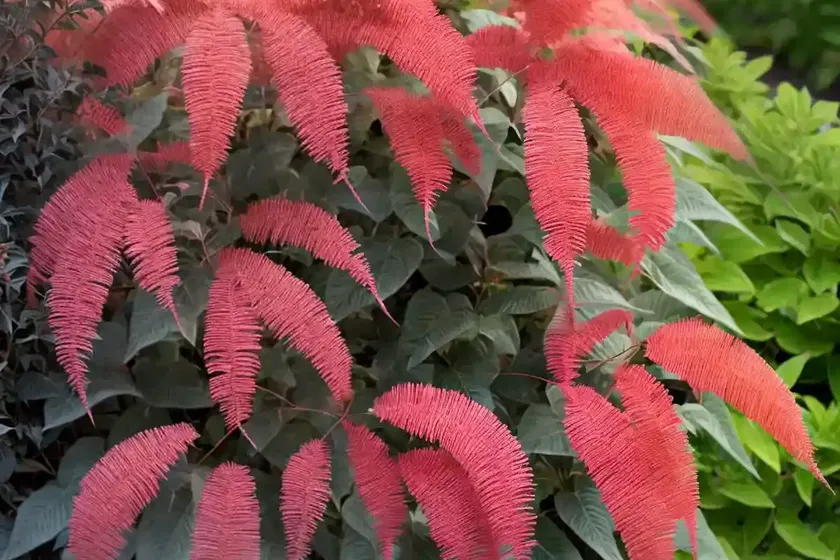
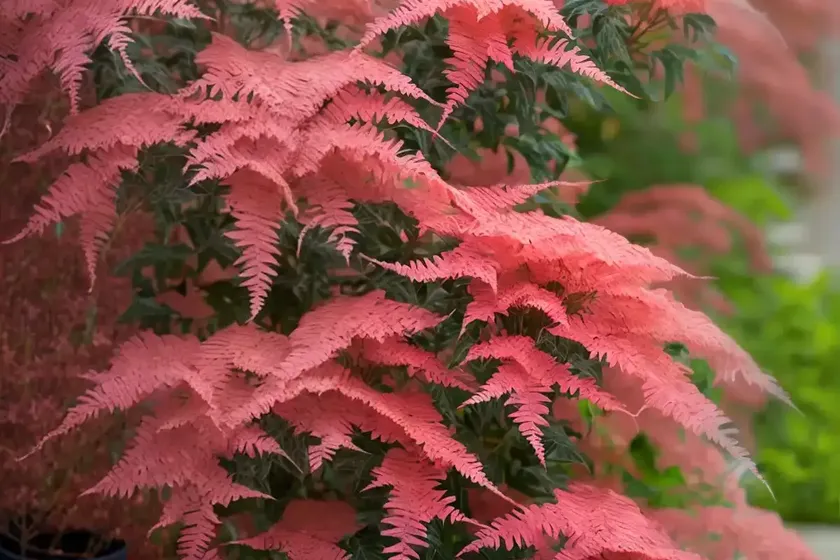
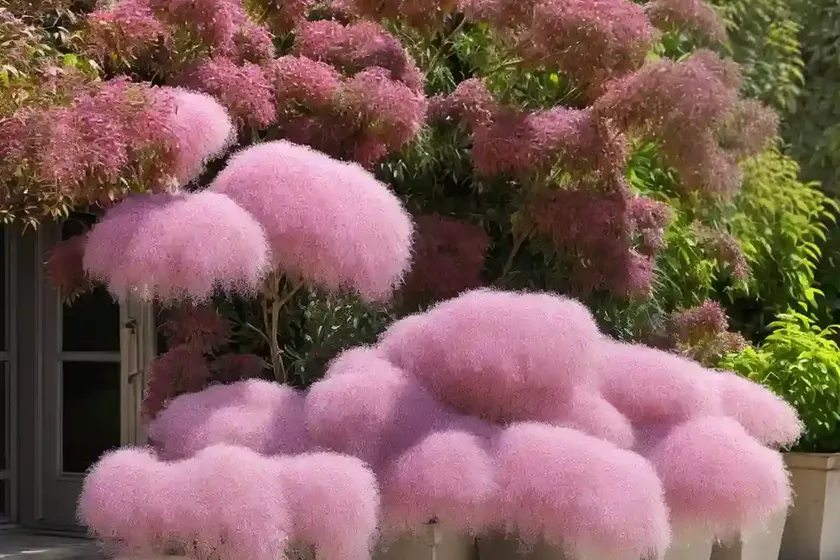
Cotinus coggygria ‘Young Lady’, also known as Smokebush, is a deciduous shrub renowned for its stunning foliage and distinctive inflorescences that resemble a puff of smoke, especially during the flowering season. Belonging to the Anacardiaceae family, this cultivar is a compact and dwarf variety of the species Cotinus coggygria. The plant is native to Southern Europe, Central Asia, and some parts of China, where it thrives in dry, rocky areas and open woodlands. Its unique visual appeal and adaptability have made it a popular choice for landscaping, gardens, and ornamental horticulture.
Key Takeaways – Cotinus coggygria ‘Young Lady’
Before delving into the specifics of cultivating and caring for the Cotinus coggygria ‘Young Lady’, it is essential to understand its key features and the benefits it offers. Here is an overview of the key takeaways associated with this remarkable plant:
- Unique and distinctive foliage that transitions through vibrant hues during the growing season.
- Compact, dwarf variety ideal for small gardens, containers, and landscape borders.
- Drought-tolerant and adaptable to various soil types, making it low-maintenance and resilient.
- Showcases impressive visual interest with its “smoky” floral display, which adds a touch of drama to the garden landscape.
- Provides habitat and foraging opportunities for wildlife, making it an eco-friendly addition to the outdoor environment.
With these highlights in mind, let’s explore the comprehensive care and maintenance requirements for cultivating Cotinus coggygria ‘Young Lady’ to ensure its optimal growth and longevity.
Culture
Uses
The Cotinus coggygria ‘Young Lady’ holds several uses and benefits, making it a versatile addition to gardens, public landscapes, and horticultural settings. Its primary uses include:
- Ornamental Purposes: The plant’s striking foliage and unique inflorescences make it an ideal choice for ornamental landscaping, adding visual interest and aesthetic appeal to outdoor spaces.
- Wildlife Habitat: Beyond its visual allure, the Smokebush provides valuable habitat for various wildlife, including birds, insects, and small mammals, making it a beneficial addition to wildlife-friendly gardens.
- Soil Stabilization: Its deep root system aids in soil erosion control, particularly in areas prone to erosion, thereby contributing to environmental conservation efforts.
Water
Proper watering is crucial for the healthy growth and vigor of Cotinus coggygria ‘Young Lady’. While the plant exhibits some tolerance to dry conditions, regular watering is essential, especially during the establishment phase and prolonged periods of drought. Here are some key watering tips for the Smokebush:
- Establishment Phase: During the initial period after planting, ensure consistent moisture levels by watering the plant regularly, particularly in the absence of natural rainfall.
- Mature Plants: Once established, the Smokebush showcases good drought tolerance. However, during extended dry spells, provide deep watering to maintain its vitality and prevent stress-induced foliage decline.
Sunlight
Light Requirements: The Cotinus coggygria ‘Young Lady’ thrives in full sun to partial shade, making it adaptable to a wide range of light conditions. However, for optimal foliage coloration and flowering, it is preferable to plant it in a location that receives at least 6-8 hours of direct sunlight daily.
Fertilizer
Proper fertilization is essential for promoting healthy growth and vibrant foliage in Cotinus coggygria ‘Young Lady’. Consider the following fertilization practices:
- Timing: Apply a balanced, slow-release fertilizer in early spring, just before the onset of new growth, to provide the plant with the essential nutrients for the upcoming growing season.
- Application Rate: Follow the manufacturer’s recommendations for application rates, and avoid excessive fertilization, which can lead to rapid, leggy growth and reduced flowering.
Soil
Soil Type and pH: The Smokebush prefers well-draining, loamy soil with a slightly acidic to neutral pH range (pH 5.5-7.0). Consider the following soil-related considerations for cultivating this plant:
- Drainage: Ensure adequate soil drainage to prevent waterlogged conditions, which can lead to root rot and other moisture-related issues.
- Soil Amendments: Incorporate organic matter, such as compost or well-rotted manure, into the planting site to improve soil structure and fertility.
Pruning
Pruning Techniques: Proper pruning helps maintain the compact and bushy growth habit of Cotinus coggygria ‘Young Lady’ and encourages prolific flowering. Consider the following pruning tips:
- Timing: Prune the plant during late winter or early spring, before the onset of new growth, to remove any dead, damaged, or diseased wood and shape the plant as desired.
- Thinning: Periodic thinning of older stems and branches promotes air circulation and light penetration, reducing the risk of disease and enhancing the overall aesthetic appeal of the plant.
Propagation
Propagation Methods: Cotinus coggygria ‘Young Lady’ can be propagated through several methods, including:
- Softwood Cuttings: Take softwood cuttings in early summer and propagate them in a well-draining, lightweight rooting medium to encourage root development.
- Layering: Encourage natural layering by bending a lower branch to the ground, making a slight wound, and covering it with soil; once roots develop, the new plant can be separated and transplanted.
Container Popularity
Due to its compact size and ornamental value, Cotinus coggygria ‘Young Lady’ is a popular choice for container gardening. The plant’s adaptability to large containers makes it an ideal selection for balcony gardens, patios, and urban landscapes, where space may be limited.
Container Common Diseases
When grown in containers, the Smokebush may be susceptible to certain diseases, including:
- Root Rot: Overly moist or poorly draining soil in containers can lead to root rot, which manifests as wilting, yellowing foliage, and stunted growth.
- Powdery Mildew: Fungal infections, such as powdery mildew, may occur in humid or poorly ventilated conditions, resulting in white, powdery patches on the foliage.
It is essential to monitor the plant regularly and maintain appropriate cultural practices to mitigate the risk of these diseases in container-grown Cotinus coggygria ‘Young Lady’.
Disease Diagnosis
Observing Symptoms: When diagnosing potential diseases in Cotinus coggygria ‘Young Lady’, observe the following symptoms and signs:
- Foliage Changes: Yellowing, browning, or distorted foliage may indicate nutrient deficiencies, environmental stress, or disease.
- Abnormal Growth: Stunted growth, wilting, or sudden decline in plant vigor may signify underlying disease issues that require prompt attention.
Common Pests
Pest infestations can affect the health and appearance of Cotinus coggygria ‘Young Lady’. Some common pests to watch out for include:
- Aphids: These small, sap-sucking insects may cluster on the undersides of leaves and excrete sticky honeydew, leading to sooty mold formation and foliage damage.
- Scale Insects: Scale insects can infest the stems and foliage of the Smokebush, appearing as small, immobile bumps with waxy coatings.
Routine monitoring, cultural practices, and targeted insecticidal treatments can help control pest populations and protect the plant from damage.
Botanist’s Tips
For successful cultivation and maintenance of Cotinus coggygria ‘Young Lady’, consider the following botanist’s tips:
- Soil Moisture: Maintain consistent, moderate soil moisture levels, avoiding both prolonged dryness and waterlogged conditions.
- Pruning Frequency: Regular, light pruning throughout the growing season can help shape the plant, promote branching, and ensure abundant flowering in subsequent seasons.
Fun Facts
- Did you know that the “smoky” inflorescences of Cotinus coggygria ‘Young Lady’ inspired its common name, Smokebush?
- The plant’s foliage coloration can vary from deep purple to vibrant orange and red, creating a kaleidoscope of hues during the fall season.
- It is a native plant in the Southern Europe, Central Asia, and parts of China, where it is valued for its ornamental and ecological contributions to the natural landscape.
Links to External Resources
For additional information on Cotinus coggygria ‘Young Lady’ and related topics, consider exploring the following external resources:
- Missouri Botanical Garden: Cotinus coggygria ‘Young Lady’
- Royal Horticultural Society: Smokebush – A Plant Profile
- The Spruce: How to Grow and Care for Smokebush
- University of California, Agriculture and Natural Resources: Diseases of Shade and Ornamental Trees and Shrubs – Powdery Mildew
- Colorado State University Extension: Recognizing Plant Stress
In conclusion, Cotinus coggygria ‘Young Lady’ (Smokebush) stands as a captivating and versatile plant with a spectrum of ornamental and ecological benefits. By understanding its specific cultural requirements, potential challenges, and maintenance guidelines, gardeners and plant enthusiasts can ensure the successful cultivation and longevity of this remarkable shrub. Whether adorning a garden border, embellishing a container garden, or enhancing wildlife habitat, the Smokebush continues to captivate with its visual allure and adaptable nature.
The comprehensive guide provides insights into the cultivation, care, and maintenance of the Cotinus coggygria ‘Young Lady’ (Smokebush), catering to both novice and experienced gardeners. The extensive coverage of key aspects, including cultural requirements, disease management, and propagation, offers valuable information for fostering the optimal growth and health of this remarkable plant. Additionally, the inclusion of fun facts and botanist’s tips adds an engaging and informative dimension to the guide, further enriching the reader’s experience.