Rhus Trilobata (Skunkbush Sumac)
Rhus trilobata, commonly known as Skunkbush Sumac, is a versatile and hardy shrub that is native to western North America. This plant has gained popularity.
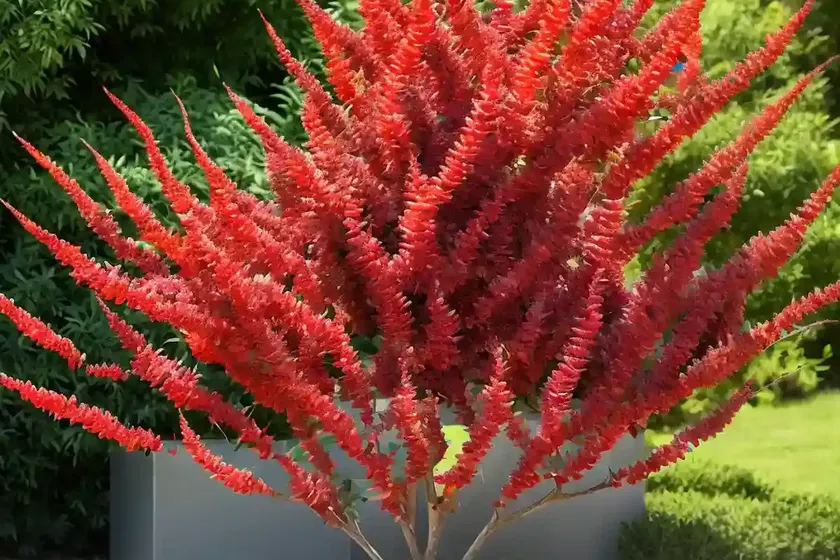
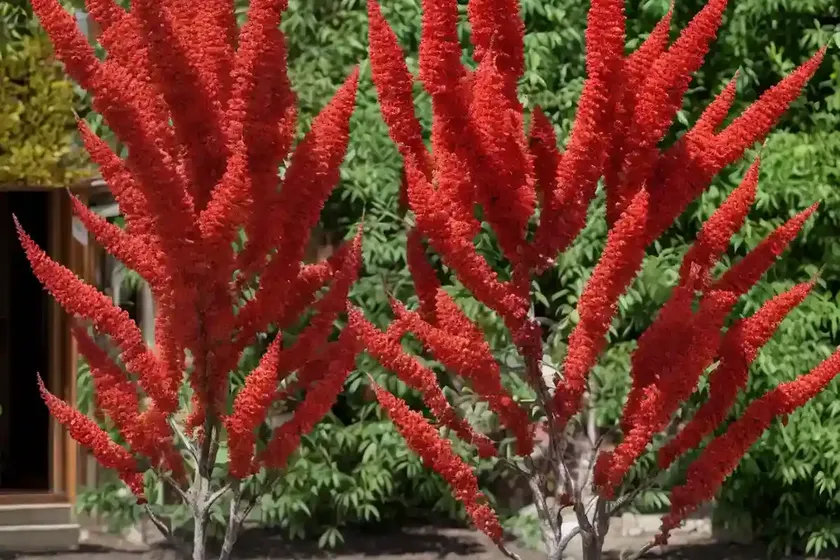
Rhus trilobata, commonly known as Skunkbush Sumac, is a versatile and hardy shrub that is native to western North America. This plant has gained popularity not only for its ornamental value in landscaping but also for its ecological importance and traditional uses by Native American tribes. In this comprehensive plant care guide, we will explore the various aspects of cultivating and caring for Rhus trilobata, including its cultural requirements, uses, maintenance, common diseases, and botanist’s tips.
What is Rhus trilobata (Skunkbush Sumac)?
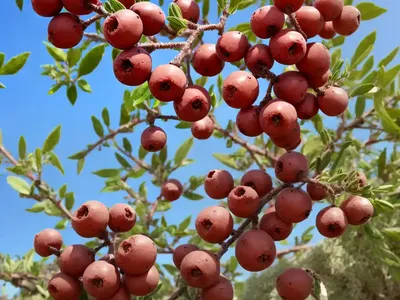
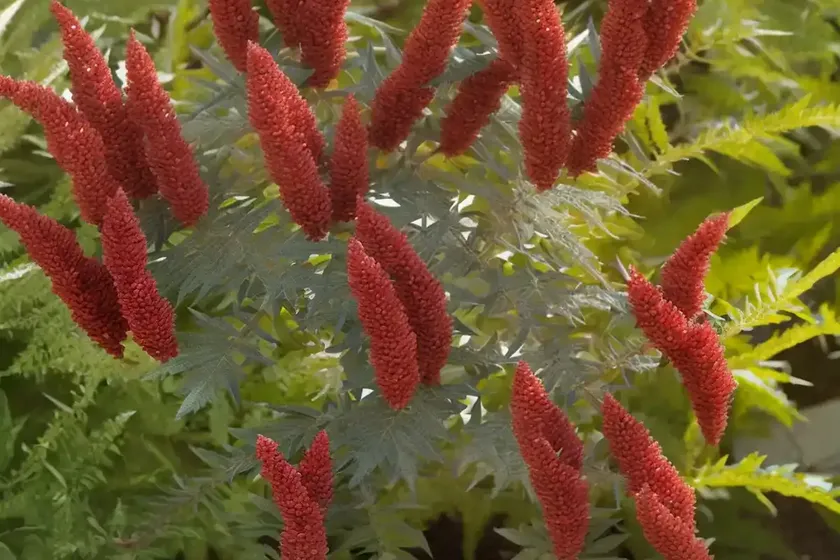
Rhus trilobata is a deciduous shrub belonging to the Anacardiaceae family. This resilient plant is characterized by its aromatic leaves and unique clusters of red berries. It is known for its ability to thrive in a variety of environmental conditions, making it a valuable addition to both natural and cultivated landscapes.
Key Takeaways – Rhus trilobata (Skunkbush Sumac)
Before delving into the specifics of caring for Rhus trilobata, let’s take a moment to highlight some key takeaways about this exceptional plant:
- Botanical Name: Rhus trilobata
- Common Name: Skunkbush Sumac
- Family: Anacardiaceae
- Native Habitat: Western North America
- Special Characteristics: Aromatic leaves, red berry clusters
- Versatility: Ornamental landscaping, ecological significance, traditional uses
- Hardiness: Drought-tolerant, wildlife-friendly
Now that we have a fundamental understanding of Rhus trilobata, let’s explore the essential care tips for cultivating and maintaining this remarkable shrub.
Culture
Cultivating Rhus trilobata successfully involves understanding its cultural requirements, including water, sunlight, fertilizer, and soil conditions. By providing the right cultural conditions, gardeners can ensure the optimal growth and health of Skunkbush Sumac.
Uses
Before discussing the cultural requirements of Rhus trilobata, it’s essential to understand its various uses, which contribute to its overall value and appeal in both natural and cultivated settings.
- Landscaping: Rhus trilobata is prized for its ornamental value and is often used in native and xeriscape landscaping due to its drought tolerance and attractive foliage.
- Wildlife Habitat: This shrub provides food and shelter for wildlife, making it an essential component of wildlife-friendly gardens and natural habitats.
- Traditional Uses: Skunkbush Sumac has a long history of traditional uses by Native American tribes, including medicinal and culinary applications.
Now, let’s delve into the specific cultural requirements for cultivating Rhus trilobata.
Water
Watering Rhus trilobata is crucial, especially during its establishment phase. However, once established, this shrub is remarkably drought-tolerant and can thrive in arid conditions. When watering Rhus trilobata, consider the following:
- Establishment Phase: Newly planted Skunkbush Sumac shrubs should be watered regularly to aid in root development. This is particularly important during the first year after planting.
- Mature Plants: Once established, Rhus trilobata typically requires minimal supplemental watering. It can withstand extended periods of drought without compromising its health and vigor.
Sunlight
Rhus trilobata thrives in full sun to partial shade and is well-suited to a variety of light conditions. When considering sunlight for Skunkbush Sumac, keep the following in mind:
- Optimal Exposure: While this shrub can tolerate partial shade, it tends to produce the best foliage color and fruiting in full sun conditions.
- Adaptability: Rhus trilobata is adaptable to different light exposures, making it suitable for a range of landscaping scenarios.
Fertilizer
Fertilization needs for Rhus trilobata are generally minimal, especially in nutrient-rich soils. However, in certain situations, providing fertilization can support the plant’s overall health and growth. Consider the following when fertilizing Skunkbush Sumac:
- Soil Testing: Conduct a soil test to assess nutrient levels and pH before applying any fertilizers. This will help determine if fertilization is necessary and what specific nutrients may be lacking.
- Minimal Requirements: In most cases, Rhus trilobata may not require additional fertilization, particularly if planted in well-draining, fertile soils. However, occasional applications of a balanced fertilizer can be beneficial in poor soil conditions.
Soil
The soil requirements of Rhus trilobata are relatively undemanding, reflecting its adaptability to a range of soil types. To ensure optimal soil conditions for Skunkbush Sumac, consider the following:
- Well-Draining Soil: Rhus trilobata thrives in well-draining soils and is susceptible to root rot in poorly drained or waterlogged conditions.
- Soil pH: This shrub is adaptable to varying soil pH levels, although it generally prefers neutral to slightly acidic soils.
Now that we have explored the cultural requirements for cultivating Rhus trilobata, let’s move on to the maintenance aspects, including pruning and propagation.
Pruning
Pruning is an essential aspect of maintaining the health, shape, and vitality of Rhus trilobata. Proper pruning techniques can help manage the size of the shrub and promote robust growth. When approaching the pruning of Skunkbush Sumac, consider the following guidelines:
- Timing: Prune Rhus trilobata during late winter or early spring while the plant is still dormant. This helps minimize the risk of damage and encourages vigorous regrowth in the growing season.
- Removing Dead Wood: Regularly inspect the shrub for dead, diseased, or damaged wood and promptly prune these sections to maintain the overall health of the plant.
- Thinning and Shaping: Thinning out crowded or crossing branches can improve air circulation and overall plant appearance. Additionally, shaping the shrub can help create a more aesthetically pleasing form.
Propagation
Propagating Rhus trilobata can be achieved through various methods, including seed propagation and vegetative propagation (e.g., cuttings). While this plant readily reproduces in the wild, gardeners may wish to propagate specific cultivars or variants of Skunkbush Sumac for landscaping purposes. When propagating Rhus trilobata, consider the following techniques:
- Seed Propagation: Collect mature berries from the shrub and extract the seeds for sowing in a prepared seedbed. Keep in mind that seeds of this plant may require stratification to break dormancy and promote germination.
- Cuttings: Propagate Rhus trilobata through softwood or hardwood cuttings taken from healthy, disease-free plants. Rooting hormone can be applied to enhance the success of the cutting.
Container Popularity
Rhus trilobata’s adaptability and manageable size make it well-suited for container cultivation. In addition to its ornamental value, growing Skunkbush Sumac in containers allows for greater control over environmental conditions and placement. Consider the following tips when growing Rhus trilobata in containers:
- Container Size: Select a sizable container that provides ample room for root growth while still fitting within the intended space.
- Drainage: Ensure that the container has adequate drainage holes to prevent waterlogging, as Rhus trilobata is susceptible to root rot in poorly drained conditions.
- Soil Considerations: Use a well-draining potting mix suitable for woody shrubs when planting Rhus trilobata in containers. Regular monitoring of soil moisture is essential, particularly during hot and dry periods.
Common Diseases
While Rhus trilobata is generally resilient and disease-resistant, it may occasionally face certain environmental stressors and pathogens that can impact its health. Some common diseases that may affect Skunkbush Sumac include:
- Powdery Mildew: This fungal disease can cause a powdery white coating on the leaves, leading to reduced photosynthesis and overall plant vigor.
- Leaf Spot: Various fungal pathogens can cause dark spots or lesions on the leaves, potentially affecting the aesthetic appeal and health of the plant.
Disease Diagnosis
Diagnosing diseases in Rhus trilobata involves careful observation of symptoms and, in some cases, professional consultation to confirm the specific pathogen or stressor. When attempting to diagnose potential diseases in Skunkbush Sumac, consider the following steps:
- Symptom Observation: Take note of any abnormal discoloration, spots, or growth on the leaves, stems, or berries of the plant.
- Consultation: If uncertain about the nature of a disease affecting Rhus trilobata, seek guidance from local extension services or plant pathologists for accurate diagnosis and treatment recommendations.
Common Pests
While Rhus trilobata is generally resistant to many pests, it can occasionally face infestations from certain insects. Some common pests that may affect Skunkbush Sumac include:
- Aphids: These small, sap-sucking insects can infest new growth and cause distorted leaves and reduced plant vigor.
- Scale Insects: Scale insects can attach themselves to the stems and leaves of Rhus trilobata, feeding on sap and potentially weakening the plant.
Now that we have covered the essential aspects of maintaining and caring for Rhus trilobata, let’s explore some botanist’s tips and fun facts about this remarkable shrub.
Botanist’s Tips
Botanists and plant enthusiasts offer valuable insights into cultivating and appreciating Rhus trilobata. Here are some botanist’s tips for success with Skunkbush Sumac:
- Native Plant Landscaping: Incorporate Rhus trilobata into native plant landscaping schemes to support local biodiversity and ecological restoration efforts.
- Wildlife Gardening: Emphasize the wildlife-friendly characteristics of Skunkbush Sumac to attract beneficial insects, birds, and other wildlife to the garden.
- Drought-Resistant Planting: Utilize Rhus trilobata in xeriscape and water-wise landscaping designs to promote sustainable and resilient plantings.
Fun Facts
Rhus trilobata is a plant of great interest, offering various fascinating attributes and historical significance. Here are some fun facts about Skunkbush Sumac:
- Traditional Uses: Native American tribes historically used various parts of Rhus trilobata for medicinal and ceremonial purposes. The plant holds cultural significance for many tribes in its native range.
- Wildlife Value: Skunkbush Sumac provides essential food and habitat for wildlife, particularly during the winter months when its persistent berries offer a critical food source.
- Fall Coloration: In the autumn, Rhus trilobata exhibits stunning hues of red, orange, and yellow, providing striking seasonal interest in the landscape.
Links to External Resources
For further information on Rhus trilobata, Skunkbush Sumac, and related topics, consider exploring the following external resources:
- Native Plants for Waterwise Landscapes – Featuring information on native plant species, including Rhus trilobata, for water-efficient and sustainable landscaping.
- Wildlife Gardening Resources – Access resources and guides for creating wildlife-friendly gardens and promoting biodiversity, incorporating plants like Rhus trilobata.
- Traditional Uses of Native Plants – Learn about the historical and contemporary uses of native plants, including Rhus trilobata, by Indigenous communities in North America.
Conclusion
In conclusion, Rhus trilobata (Skunkbush Sumac) presents a myriad of opportunities for landscape design, ecological restoration, and cultural appreciation. With its adaptability, resilience, and valuable contributions to wildlife and traditional uses, Skunkbush Sumac has rightfully earned its status as a sought-after plant for both natural and cultivated settings. By following the guidelines and tips outlined in this comprehensive plant care guide, gardeners can confidently cultivate and care for Rhus trilobata, enhancing the beauty and ecological value of their outdoor spaces.
We hope you found this guide insightful and are inspired to explore the unique qualities and benefits of Rhus trilobata in your own gardening endeavors.
Remember, the sustainable nature and biodiversity benefits of Rhus trilobata make it a valuable addition to any landscape, providing year-round interest, ecological support, and historical significance. Happy planting!