Small Ball Moss (Tillandsia Recurvata)
As a plant scientist with a keen interest in epiphytic plants, I am thrilled to delve into the fascinating world of air plants, specifically the Tillandsia.
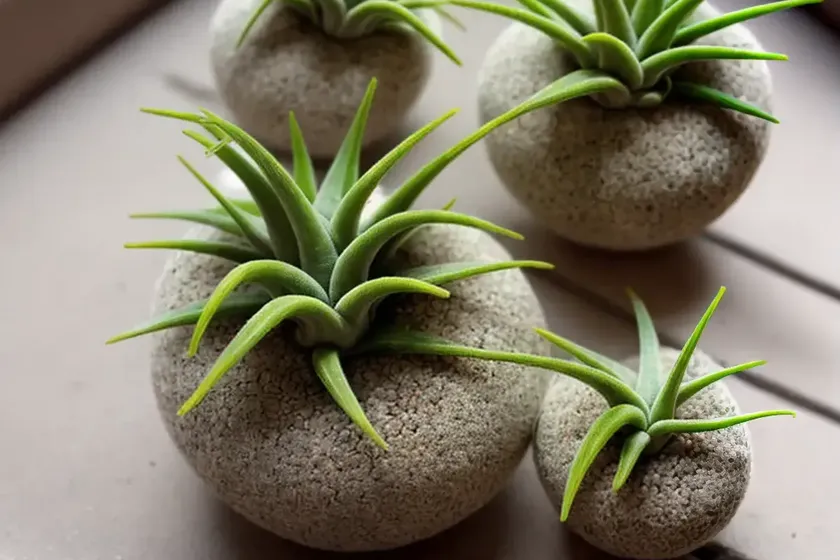
Introduction to Small Ball Moss (Tillandsia Recurvata)
As a plant scientist with a keen interest in epiphytic plants, I am thrilled to delve into the fascinating world of air plants, specifically the Tillandsia Recurvata, commonly known as Small Ball Moss. This unique and low-maintenance plant belongs to the Bromeliaceae family and is a popular choice for indoor plant enthusiasts due to its minimal care requirements and striking visual appeal.
In this comprehensive guide, we will explore the culture, uses, care requirements, and interesting facts about the Small Ball Moss. Whether you are a seasoned plant enthusiast or a novice looking to explore the world of indoor plants, this guide will provide valuable insights into the care and maintenance of Tillandsia Recurvata.
What is Small Ball Moss (Tillandsia Recurvata)?
Small Ball Moss, scientifically known as Tillandsia Recurvata, is a species of flowering plant in the Bromeliaceae family. It is native to regions of Central America, South America, and the southeastern United States, where it thrives in diverse habitats, including dry forests, mountains, and coastal areas. The unique characteristic of Small Ball Moss lies in its epiphytic nature, meaning it grows upon other plants or structures, deriving moisture and nutrients from the air and rain.
Key Takeaways – Small Ball Moss (Tillandsia Recurvata)
Before delving into the specific care and cultural requirements of Small Ball Moss, let’s highlight some key takeaways that encapsulate the essence of this remarkable plant:
- Epiphytic Nature: Small Ball Moss is an epiphytic plant that grows without the need for soil, making it an ideal choice for unique and creative display options such as hanging planters and terrariums.
- Low-Maintenance: This plant is well-suited for individuals seeking low-maintenance indoor plants, as it requires minimal watering, sunlight, and fertilizer to thrive.
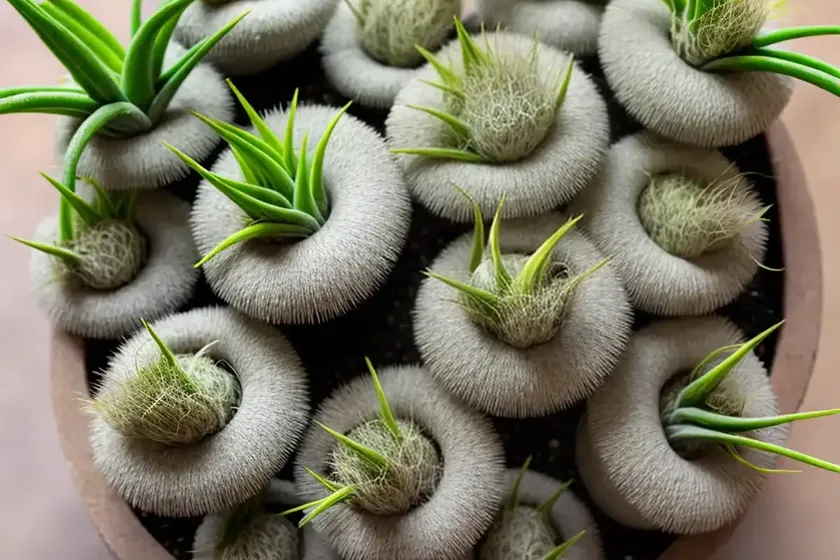
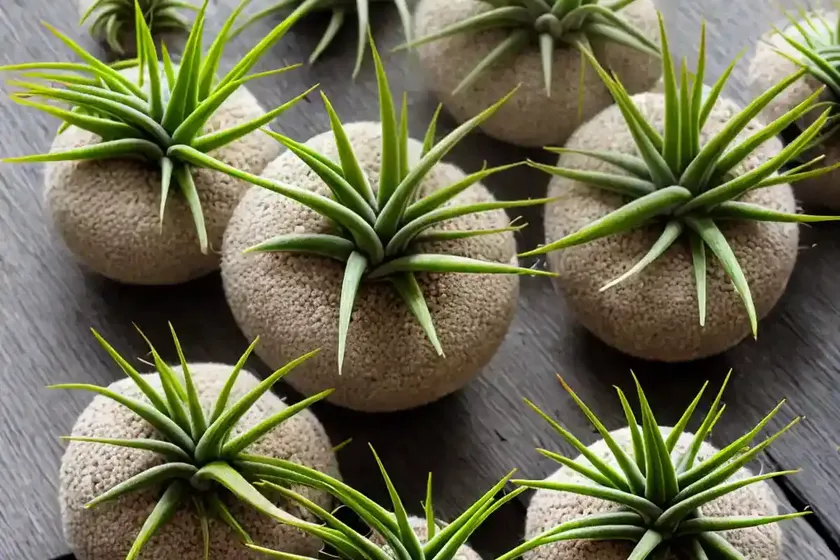
- Distinctive Appearance: With its compact, ball-shaped growth habit and silvery-gray foliage, Small Ball Moss adds a touch of elegance and whimsy to any indoor or outdoor setting.
Now that we have gained a fundamental understanding of Small Ball Moss, let’s explore its culture, uses, and specific care requirements to ensure its optimal growth and vitality.
Culture of Small Ball Moss (Tillandsia Recurvata)
Understanding the cultural requirements of Small Ball Moss is essential for creating an environment that promotes its health and longevity. From water and sunlight to soil and fertilizer preferences, each aspect of its culture plays a vital role in the overall well-being of the plant.
Water
One of the defining characteristics of Small Ball Moss is its ability to absorb moisture from the air through specialized structures known as trichomes. This adaptation allows the plant to thrive in diverse environments without the need for traditional soil-based watering.
- Misting: Small Ball Moss benefits from regular misting to simulate the natural moisture it would receive in its native habitat. Using a spray bottle, lightly mist the plant 2-3 times a week, ensuring that the foliage receives a fine mist of water.
- Soaking: In addition to misting, occasional soaking is recommended to provide the plant with a thorough hydration. Submerge the plant in room temperature water for 20-30 minutes, then allow it to dry completely before returning it to its display area.
Sunlight
While Small Ball Moss is adaptable to varying light conditions, it thrives in bright, indirect light. When determining the ideal placement for this plant, consider the following sunlight requirements:
- Indirect Light: Position the plant in an area that receives bright, indirect light for the majority of the day. Avoid placing it in direct sunlight, especially during the intense midday hours, as this can lead to leaf scorch and dehydration.
- Artificial Lighting: If natural light is limited, consider supplementing with grow lights or fluorescent fixtures to provide the plant with adequate illumination.
Fertilizer
Due to its epiphytic nature, Small Ball Moss has minimal nutrient requirements and can derive essential elements from the air and water. However, supplementing with a diluted, water-soluble fertilizer can support its overall growth and vitality.
- Fertilization Frequency: Apply a balanced, water-soluble fertilizer at quarter strength once a month during the growing season (spring and summer). Reduce or eliminate fertilization during the plant’s dormant period in fall and winter.
Soil
As an epiphytic plant, Small Ball Moss does not require traditional soil for its growth. Instead, it anchors itself to host plants, trees, or structures using its root system while deriving moisture and nutrients from the surrounding environment.
Pruning Small Ball Moss (Tillandsia Recurvata)
Pruning Small Ball Moss is a straightforward process that focuses on maintaining the plant’s aesthetic appeal and preventing the accumulation of dead or damaged foliage.
- Dead Leaf Removal: Periodically inspect the plant for any brown or desiccated leaves, then gently remove them by pulling or trimming close to the base. This helps the plant conserve energy and reduces the risk of pests and diseases.
Propagation of Small Ball Moss (Tillandsia Recurvata)
Propagating Small Ball Moss allows you to expand your collection and share the beauty of this plant with others. There are several methods of propagating Small Ball Moss, including division and offsets.
- Division: To propagate Small Ball Moss through division, carefully separate offsets from the parent plant using clean, sharp scissors or pruning shears. Ensure that each division has a healthy root system and sufficient foliage to support its growth.
Container Popularity for Small Ball Moss (Tillandsia Recurvata)
The versatility of Small Ball Moss makes it a popular choice for various container options, ranging from hanging planters and terrariums to unique display arrangements.
Container Common Diseases
While Small Ball Moss is relatively resistant to traditional soil-borne diseases, it can be susceptible to issues related to improper watering, inadequate airflow, and pest infestations. Understanding the common diseases and their diagnosis is crucial for maintaining the plant’s health and vitality.
Disease Diagnosis
When assessing the health of Small Ball Moss, keep an eye out for the following symptoms of common diseases:
- Rot or Decay: Soft, darkened areas on the base or lower leaves of the plant may indicate rot caused by excessive moisture or poor airflow.
- Mildew: White, powdery patches on the foliage can be a sign of powdery mildew, often exacerbated by high humidity levels and insufficient air circulation.
Common Pests
While Small Ball Moss exhibits resilience to many common plant pests, occasional infestations may occur, requiring prompt intervention to protect the plant’s well-being.
- Scale Insects: Small, immobile scale insects may attach themselves to the foliage of Small Ball Moss, feeding on the plant’s sap and causing yellowing or wilting of the leaves.
- Mealybugs: Soft, cottony masses on the plant may indicate the presence of mealybugs, which feed on the plant’s juices and excrete honeydew, leading to fungal issues.
Botanist’s Tips for Small Ball Moss (Tillandsia Recurvata)
As a plant scientist deeply intrigued by the unique adaptations and growth habits of Small Ball Moss, I have compiled a set of invaluable tips to help enthusiasts elevate their care and appreciation for this remarkable plant:
- Air Circulation: Ensuring adequate airflow around Small Ball Moss is essential for preventing moisture-related issues and promoting overall plant health. Position the plant in an area with good air circulation or use a small fan to gently circulate the air.
- Display Creativity: Explore creative and imaginative display options for Small Ball Moss, such as mounting it on driftwood, arranging it in glass terrariums, or incorporating it into vertical garden designs.
- Observation and Adjustments: Regularly observe the plant’s growth and response to its environment, making adjustments to watering, light exposure, and fertilization based on its individual needs.
Fun Facts about Small Ball Moss (Tillandsia Recurvata)
Delving into the realm of fun and intriguing facts about Small Ball Moss adds an element of fascination and wonder to the plant’s narrative:
- The species name “Recurvata” is derived from the Latin word “recurve,” referencing the plant’s distinct curved or recurved leaves.
- Small Ball Moss has been traditionally utilized in folk medicine for its purported anti-inflammatory and antimicrobial properties, contributing to its historical significance beyond its ornamental value.
Links to External Resources
As we conclude our exploration of Small Ball Moss (Tillandsia Recurvata), I am delighted to provide a curated list of external resources that offer additional insights into the care, cultivation, and creative uses of this enchanting plant:
- The Air Plant Shop – A comprehensive resource for air plant enthusiasts, offering a wide selection of Tillandsia species and educational materials.
- Gardening Know How – An informative platform featuring articles and guides on air plant care, propagation, and unique display ideas.
- Plant Society – A community-driven platform dedicated to connecting plant enthusiasts and providing resources for cultivating an array of indoor plants, including air plants.
In conclusion, Small Ball Moss (Tillandsia Recurvata) captivates us with its remarkable resilience, minimalist care requirements, and captivating aesthetics. Whether adorning a cozy apartment or a sunlit garden, this epiphytic gem enriches our living spaces while inviting us to appreciate the elegance of low-maintenance plants.
Keywords: air plant care, epiphytic plants, bromeliads, indoor plant maintenance, Tillandsia plant species, low-maintenance plants, hanging plants, air plants for beginners, Tillandsia watering, Ball Moss care guide, Small Tillandsia varieties, decorating with air plants, planting Tillandsia Recurvata, Hardy air plants, miniature plants, Tillandsia habitat, air plant display ideas, miniature air plants, small plant species, unique Tillandsia plants, Tillandsia Recurvata care tips, Tillandsia grooming techniques, air plants in terrariums, Tillandsia growth patterns, small indoor plants, moss-like plants, hanging air plants, Tillandsia reproduction methods, small plant arrangements, Hardy indoor plants, Tillandsia varieties, hanging plant care, drought-tolerant plants, low light plants, air plants indoor, Tillandsia Recurvata propagation, Tillandsia Recurvata uses, epiphyte care, Tillandsia Recurvata in natural habitats, growing Tillandsia indoors, Tillandsia Recurvata appearance, Tillandsia mounting techniques, Tillandsia Recurvata arrangements, small Tillandsia care, popular air plants, air plants for small spaces, Tillandsia Recurvata in terrariums, Tillandsia Recurvata health benefits, Tillandsia Recurvata facts, unique air plants