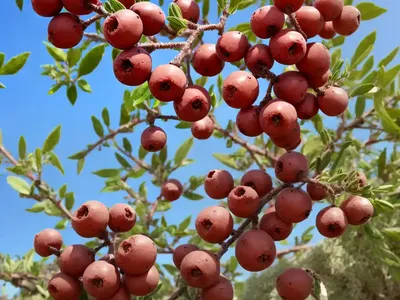
Rhus Glabra (Smooth Sumac)
Rhus glabra, commonly known as Smooth Sumac, is a versatile and resilient plant that has been utilized for various cultural, ecological, and medicinal.
Introduction
Rhus glabra, commonly known as Smooth Sumac, is a versatile and resilient plant that has been utilized for various cultural, ecological, and medicinal purposes for centuries. The plant belongs to the genus Rhus and the family Anacardiaceae, encompassing a diverse group of flowering plants, including both deciduous and evergreen species. Smooth Sumac is native to North America and is renowned for its adaptability, making it a popular choice for sustainable landscaping and ecological restoration projects. In this comprehensive guide, we will delve into the various aspects of Rhus glabra, including its cultural significance, cultivation, uses, and ecological benefits, providing essential insights for gardening enthusiasts, horticulturists, and conservationists.
What is Rhus glabra (Smooth Sumac)?
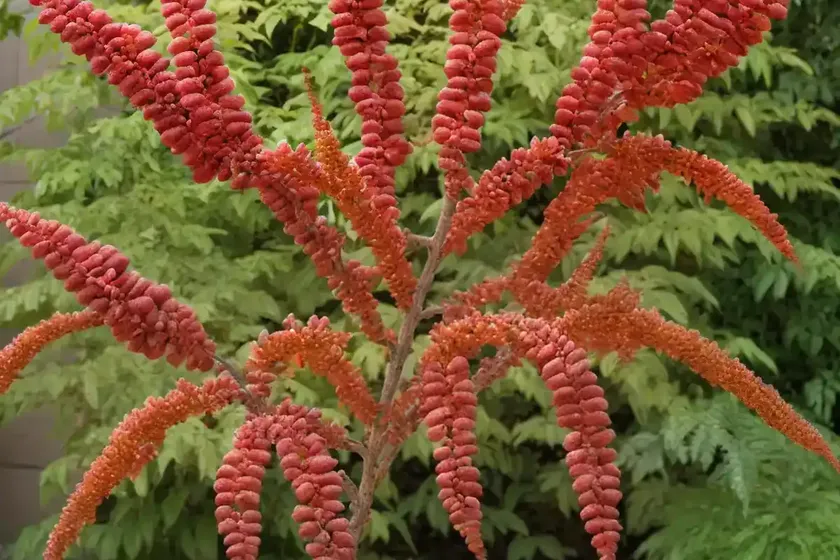
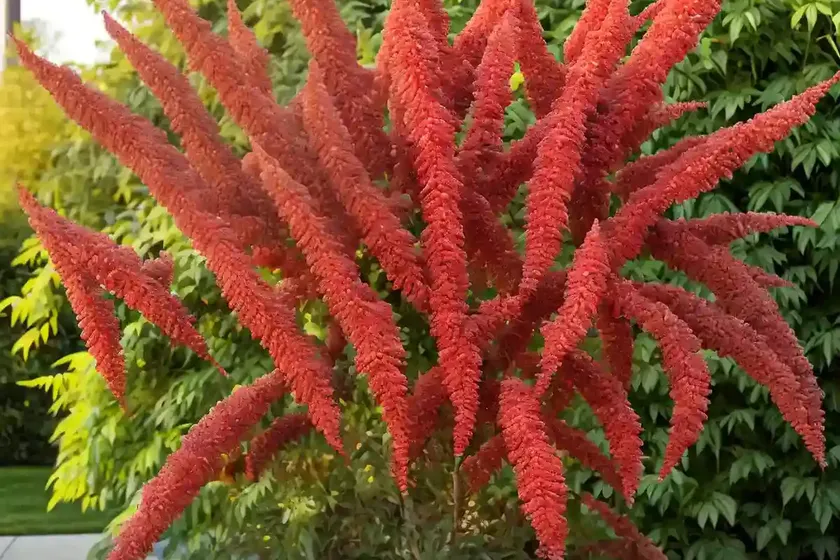
Rhus glabra, commonly referred to as Smooth Sumac, is a deciduous shrub or small tree that typically reaches a height of 10 to 20 feet at maturity. The plant is distinguished by its visually striking foliage and erect, branching growth habit. The compound leaves of Rhus glabra are composed of numerous leaflets arranged in a fern-like pattern, creating an elegant and airy appearance. During the fall season, Smooth Sumac undergoes a remarkable transformation, showcasing vibrant hues of red, orange, and yellow, adding a stunning visual element to the landscape.
Rhus glabra (Smooth Sumac) – Plant Characteristics
- Scientific Name: Rhus glabra
- Common Name: Smooth Sumac
- Family: Anacardiaceae
- Type: Deciduous shrub/small tree
- Height: 10-20 feet
- Foliage: Compound leaves with fern-like leaflets
- Fall Color: Vibrant red, orange, and yellow
Key Takeaways – Rhus glabra (Smooth Sumac)
Before delving further into the intricacies of Smooth Sumac, let’s summarize the key takeaways associated with this versatile plant:
Rhus glabra (Smooth Sumac) – Key Takeaways
- Rhus glabra plant
- Native deciduous shrub/small tree with distinct visual appeal.
- Smooth Sumac tree
- Resilient and adaptable species, suitable for a wide range of environmental conditions.
- Rhus glabra facts
- Rich cultural history, ecological significance, and diverse applications.
- Smooth Sumac benefits
- Valuable for landscaping, wildlife habitat, and ecological restoration.
- Rhus glabra care
- Low-maintenance requirements, making it an ideal choice for gardening enthusiasts.
- Smooth Sumac varieties
- Diverse cultivars offering unique features and ornamental value.
- Rhus glabra uses
- Extensive utilization in traditional medicine, landscaping, and wildlife conservation.
- Smooth Sumac gardening
- Suitable for eco-friendly and sustainable gardening practices.
- Rhus glabra characteristics
- Unique foliage, vibrant fall color, and adaptable growth habit.
- Smooth Sumac propagation
- Various propagation methods for expanding plant populations.
- Rhus glabra cultivation
- Culturally significant plant with historical importance and ecological relevance.
- Smooth Sumac landscaping
- Versatile landscaping potential, adding visual interest and ecological value.
- Rhus glabra medicinal properties
- Traditional medicinal uses associated with certain parts of the plant.
- Smooth Sumac wildlife habitat
- Providing food, shelter, and nesting sites for various wildlife species.
- Rhus glabra pruning
- Pruning guidelines to maintain plant health and aesthetic appeal.
Culture
Understanding the cultural significance and historical uses of Rhus glabra is essential for appreciating its diverse and multifaceted nature. From traditional medicinal applications to its role in the landscaping industry, Smooth Sumac has left an indelible mark on human culture and environmental conservation.
Rhus glabra (Smooth Sumac) – Cultural Significance
Smooth Sumac has shared a long and intertwined history with human civilization, dating back to ancient times. Let’s explore the cultural dimensions and historical uses attributed to Rhus glabra:
Traditional Medicinal Uses
- Historical Records: Various indigenous tribes in North America, such as the Cherokee and Iroquois, have historically utilized different parts of Smooth Sumac for medicinal purposes.
- Medicinal Properties: The bark of Rhus glabra was traditionally used to prepare tinctures and infusions believed to alleviate conditions such as diarrhea, sore throats, and fevers.
- Traditional Knowledge: The rich medicinal folklore associated with Smooth Sumac has been passed down through generations, reflecting its significance in indigenous healing practices.
Ecological and Wildlife Value
- Wildlife Food Source: The clustered red fruit of Smooth Sumac serves as a crucial food source for numerous bird species, including robins, bluebirds, and thrushes, contributing to the plant’s ecological importance.
- Habitat Structure: The dense growth habit of Rhus glabra provides crucial shelter for birds and small mammals, thereby enhancing the biodiversity of natural ecosystems.
Landscaping and Ornamental Value
- Visual Appeal: The vibrant foliage and striking fall color make Rhus glabra a popular choice for landscaping, adding aesthetic allure to gardens, parks, and natural areas.
- Erosion Control: The extensive root system of Smooth Sumac helps stabilize soil and prevent erosion, making it an invaluable ecological asset in degraded landscapes.
Rhus glabra (Smooth Sumac) in Contemporary Culture
In the modern context, Rhus glabra continues to be celebrated for its versatile applications and ecological benefits. Let’s explore the contemporary cultural significance of Smooth Sumac:
- Native Plant Landscaping: With a growing emphasis on native plant landscaping, Rhus glabra has gained prominence as a sustainable and ecologically beneficial choice for gardeners and landscapers.
- Ecological Restoration: Conservation organizations and environmental agencies often incorporate Smooth Sumac into habitat restoration projects, recognizing its ability to enhance biodiversity and restore degraded ecosystems.
- Educational Outreach: Botanical gardens, nature centers, and educational institutions highlight the cultural and ecological significance of Rhus glabra to raise awareness about the importance of native flora in the landscape.
Uses
The uses of Rhus glabra are multifaceted, encompassing ecological, cultural, and horticultural domains. From its role in wildlife conservation to its applications in traditional medicine, Smooth Sumac offers a plethora of benefits and practical applications.
Rhus glabra (Smooth Sumac) – Ecological Uses
Wildlife Habitat Enhancement
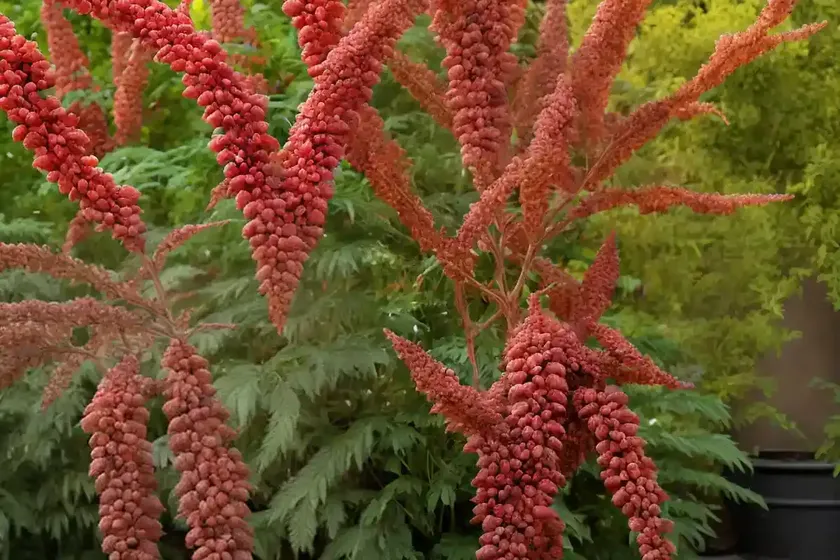
- Food Source: The crimson fruit clusters of Smooth Sumac are a sought-after food source for an array of bird species, contributing to the ecological value of the plant as a wildlife attractant.
- Nesting Sites: The dense foliage and branching structure of Rhus glabra provide secure nesting sites for birds, supporting avian populations within natural and landscaped environments.
Erosion Control and Soil Stabilization
- Root System: The extensive and fibrous root system of Smooth Sumac aids in stabilizing soil, preventing erosion, and improving the structural integrity of landscapes, particularly in degraded or disturbed areas.
Rhus glabra (Smooth Sumac) – Cultural and Traditional Uses
Traditional Medicine
- Medicinal Preparations: Certain indigenous communities have historically utilized the bark of Rhus glabra to prepare decoctions and teas for addressing ailments such as gastrointestinal distress, sore throats, and fevers.
Dye Production
- Natural Dye: The fruit of Smooth Sumac has been employed in traditional dyeing practices, yielding a range of colors from pale yellows to deep reds, serving as a valuable source of natural dyes for textiles and crafts.
Rhus glabra (Smooth Sumac) – Horticultural Uses
Landscaping and Ornamental Value
- Visual Appeal: The vibrant foliage and striking fall color make Rhus glabra a preferred choice for adding ornamental interest to landscapes, gardens, and natural areas.
- Wildlife Gardens: Smooth Sumac is often incorporated into wildlife-friendly garden designs, providing both aesthetic appeal and ecological benefits for a biodiverse landscape.
Ecological Restoration
- Habitat Enhancement: Conservation organizations and restoration projects leverage the adaptability of Smooth Sumac to restore degraded habitats, boost biodiversity, and create resilient ecosystems.
Water
The water requirements of Rhus glabra are influenced by various factors, including environmental conditions, soil moisture, and the plant’s growth stage. Understanding the optimal watering practices is crucial for ensuring the health and vigor of Smooth Sumac in diverse landscape settings.
Rhus glabra (Smooth Sumac) – Watering Guidelines
Establishment Phase
- Initial Irrigation: Newly planted Smooth Sumac specimens require regular watering during the establishment phase to promote root development and mitigate transplant shock.
- Frequency: Water young plants deeply 1-2 times per week, ensuring that the root zone remains consistently moist but not waterlogged.
- Soil Moisture: Monitor the soil moisture levels regularly, adjusting the irrigation frequency based on environmental conditions and precipitation.
Mature Plants
- Drought Tolerance: Once established, Rhus glabra exhibits remarkable drought tolerance, requiring minimal supplemental watering except during extended dry periods.
- Natural Precipitation: Mature Smooth Sumac specimens can largely rely on natural rainfall, adapting to a wide range of moisture levels in their native and cultivated habitats.
Water Conservation Practices
- Mulching: Application of organic mulch around the base of Rhus glabra plants helps conserve soil moisture, regulate temperature, and reduce water loss through evaporation.
- Efficient Irrigation: When supplemental watering is necessary, employ efficient irrigation methods such as drip systems or soaker hoses to deliver water directly to the root zone while minimizing runoff.
Sunlight
Adequate sunlight is essential for the healthy growth and development of Rhus glabra, with the plant demonstrating a preference for bright, sunny conditions. Optimizing the sunlight exposure is crucial for promoting robust foliage, vibrant fall color, and overall plant vigor.
Rhus glabra (Smooth Sumac) – Sunlight Requirements
- Full Sun: Smooth Sumac thrives in full sun to partial shade, ideally receiving at least 6-8 hours of direct sunlight per day for optimal growth and flowering.
- Foliage Density: While adaptable to varying light levels, Rhus glabra exhibits the most vigorous growth, dense foliage, and vivid fall coloration when provided with ample sunlight.
- Shade Tolerance: Although tolerant of partial shade, prolonged low-light conditions may result in reduced foliage density and diminished fall color intensity.
Sunlight Optimization Tips
- Site Selection: When incorporating Smooth Sumac into landscaping projects, select planting sites with adequate sunlight exposure to facilitate the plant’s healthy development.
- Pruning Considerations: Pruning practices can be employed to promote air circulation and sunlight penetration within the foliage canopy, enhancing the overall health and vigor of Rhus glabra.
Fertilizer
Appropriate fertilization practices can support the growth and vitality of Rhus glabra, supplementing the plant with essential nutrients for foliage development, flowering, and overall vigor. Understanding the fertilization requirements of Smooth Sumac is integral to maintaining its optimal health in cultivated landscapes.
Rhus glabra (Smooth Sumac) – Fertilization Guidelines
Nutrient Needs
- General Requirements: Smooth Sumac typically thrives in nutrient-poor soils, displaying adaptability to various soil types and fertility levels.
- Minimal Fertilization: In most cases, Rhus glabra seldom requires supplemental fertilization in landscapes with average to fertile soils, as excessive nutrient enrichment can lead to excessive vegetative growth at the expense of ecological functionality.
Natural Soil Amendment
- Organic Matter: Incorporating organic amendments such as well-rotted compost or aged manure into the soil around Rhus glabra plants can enhance soil structure, nutrient retention, and microbial activity, promoting long-term plant health.
Fertilization Best Practices
- Selective Application: If necessary, utilize a balanced, slow-release fertilizer specifically formulated for woody plants, applying it sparingly around the drip line of Smooth Sumac specimens during the early spring.
- Observational Approach: Prioritize a conservative approach to fertilization, assessing the plant’s growth and foliage color to determine the necessity of additional nutrient supplementation.
Soil
The growth and performance of Rhus glabra are closely linked to the soil characteristics of its growing environment. Understanding the soil preferences and requirements of Smooth Sumac is fundamental for creating conducive planting sites and optimizing the plant’s health and resilience.
Rhus glabra (Smooth Sumac) – Soil Preferences
Soil Type
- Adaptability: Smooth Sumac exhibits remarkable adaptability to diverse soil types, from sandy loams to rocky soils and clay substrates, displaying resilience in challenging environmental conditions.
- Moisture Considerations: Well-draining soils are preferable, as Rhus glabra is susceptible to root rot in waterlogged or poorly drained environments.
pH Range
- Tolerance: Rhus glabra demonstrates a broad pH tolerance, with the plant being adaptable to a wide range of soil pH levels, including slightly acidic to alkaline conditions.
- Optimal pH: A neutral to slightly acidic soil pH in the range of 6.0-7.0 is generally conducive to the vigorous growth and development of Smooth Sumac.
Soil Amendments
- Organic Matter: Incorporating organic amendments such as compost or leaf mold into the planting site can enhance soil structure, nutrient availability, and moisture retention, promoting the long-term health of Rhus glabra.
Pruning
Pruning serves as a vital horticultural practice for managing the growth, shape, and health of Rhus glabra, ensuring the plant’s aesthetic appeal, structural integrity, and long-term vitality. Proper pruning techniques are essential for promoting the optimal growth habit and visual allure of Smooth Sumac in landscapes and natural areas.
Rhus glabra (Smooth Sumac) – Pruning Guidelines
Timing
- Pruning Schedule: Conduct routine pruning during the late winter to early spring when Smooth Sumac is dormant, allowing for optimal wound healing and minimizing stress on the plant.
Pruning Objectives
- Deadwood Removal: Remove any dead, damaged, or diseased branches to maintain the plant’s vigor and prevent potential pathogen spread.
- Thinning Practices: Thin out congested or crossing branches to improve air circulation, light penetration, and overall plant health.
Growth Regulation
- Size Control: Utilize pruning to manage the size and shape of Rhus glabra, promoting a balanced and aesthetically pleasing form within the landscape.
- Rejuvenation Pruning: Periodic rejuvenation pruning can be employed to stimulate new growth and maintain the long-term vitality of Smooth Sumac specimens.
Propagation
The propagation of Rhus glabra allows for the expansion of plant populations and the preservation of unique genetic traits. Understanding the various methods of propagating Smooth Sumac is integral for horticulturists, conservationists, and gardening enthusiasts seeking to propagate the species for diverse applications.
Rhus glabra (Smooth Sumac) – Propagation Methods
Seed Propagation
- Seed Collection: Harvest mature fruit clusters from established Rhus glabra specimens during the fall, extracting the seeds from the fruit for propagation purposes.
- Scarification: To enhance germination, scarify the seeds by gently abrading the seed coat or subjecting them to a brief period of cold stratification before sowing.
Softwood Cuttings
- Propagation Medium: Prepare a well-draining substrate mix of peat and perlite for rooting the softwood cuttings, maintaining optimal moisture levels during the rooting process.
- Rooting Hormone: The application of a rooting hormone can expedite the root development of softwood cuttings, increasing the propagation success rate.
Propagation Considerations
- Eco-Friendly Practices: Prioritize sustainable propagation practices, such as collecting seeds or cuttings from ethical sources and adhering to responsible plant collection guidelines.
- Genetic Diversity: Maintain genetic diversity within propagated populations by sourcing material from multiple parent plants, preserving the species’ adaptive potential.
Container Popularity
Rhus glabra’s adaptability and ornamental appeal make it a popular choice for container gardening, enabling individuals with limited outdoor space to cultivate and enjoy this distinctive plant. When selecting containers for Smooth Sumac, certain considerations and best practices should be observed to ensure the plant’s thriving performance.
Rhus glabra (Smooth Sumac) – Container Cultivation
Container Selection
- Size and Depth: Choose large, sturdy containers with sufficient depth to accommodate the extensive root system of Rhus glabra and facilitate healthy growth.
- Drainage: Opt for containers with adequate drainage holes to prevent waterlogging and maintain optimal soil moisture levels.
Growing Medium
- Potting Mix: Utilize a well-draining potting mix formulated for woody plants, supplemented with organic matter to promote nutrient retention and moisture balance.
- Soil Structure: Maintain a light and friable soil structure within the container to facilitate root development and prevent compaction issues.
Maintenance Considerations
- Watering Regimen: Monitor the soil moisture levels consistently, adjusting the watering frequency based on environmental conditions, while preventing the soil from drying out completely.
- Light Requirements: Position the container in a location that receives ample sunlight, ensuring that the Smooth Sumac plant has access to the optimal light levels for robust growth.
Container Common Diseases
While container gardening offers numerous benefits, it is essential to remain vigilant against potential diseases that can affect Smooth Sumac cultivated in containers. Understanding the common diseases and their management strategies is crucial for ensuring the plant’s health and longevity in container settings.
Rhus glabra (Smooth Sumac) – Common Diseases in Containers
Phytophthora Root Rot
- Symptoms: Wilting, yellowing foliage, and decline in overall plant vigor are common signs of Phytophthora root rot, particularly in excessively wet or poorly drained container environments.
- Preventive Measures: Select well-draining containers, employ proper irrigation practices, and utilize disease-resistant cultivars to mitigate the risk of Phytophthora infections.
Powdery Mildew
- Symptoms: Powdery mildew manifests as a white or grayish fungal growth on the foliage, accompanied by leaf distortion and premature leaf drop, often exacerbated by humidity and poor air circulation.
- Cultural Controls: Maintain adequate spacing between containers, promote air circulation, and avoid overhead watering to reduce the risk of powdery mildew outbreaks.
Cankers
- Symptoms: Cankers appear as sunken or discolored areas on the stems, often leading to dieback and diminished plant vitality, frequently caused by environmental stress or pathogenic infections.
- Pruning Pruning Practices: Promptly remove and dispose of affected plant material, promoting proper sanitation and reducing the spread of canker pathogens within the container garden.
Disease Diagnosis
Accurate diagnosis of diseases affecting Rhus glabra is integral for implementing effective management strategies and preserving the health of the plant. Navigating the diagnostic process involves recognizing the symptoms, conducting thorough observations, and if necessary, seeking professional assistance to identify and address potential diseases.
Rhus glabra (Smooth Sumac) – Disease Diagnosis
Symptom Identification
- Foliage: Examine the leaves for discoloration, wilting, necrotic lesions, or unusual patterns, as these symptoms may indicate specific diseases or environmental stress