Kangaroo Fern (Phymatosorus Diversifolius)
Welcome to our guide on the kangaroo fern, also known as Phymatosorus diversifolius. In this comprehensive article, we will explore the characteristics.
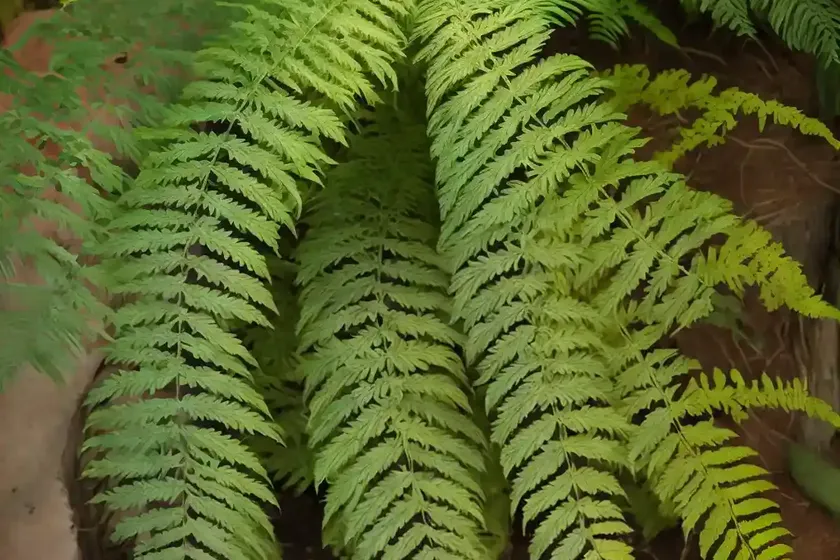
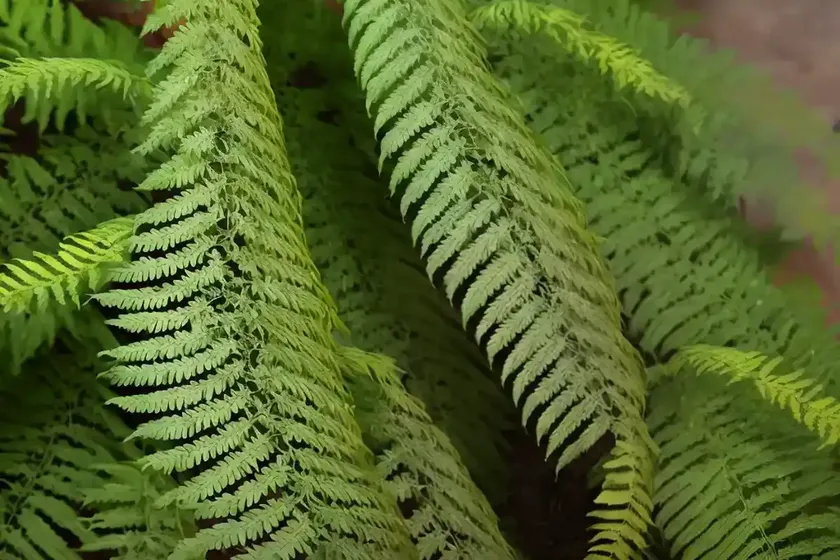
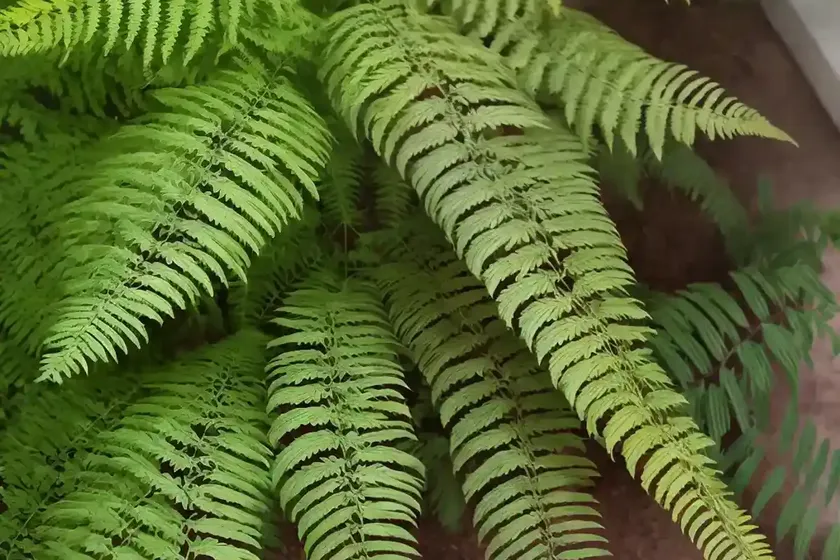
Welcome to our guide on the kangaroo fern, also known as Phymatosorus diversifolius. In this comprehensive article, we will explore the characteristics, cultivation, and uses of this fascinating plant. From its unique leaf structure to its role in landscaping and traditional medicine, the kangaroo fern offers a diverse range of benefits and applications. Whether you are a beginner gardener or an experienced plant enthusiast, there is something for everyone to discover about this versatile species.
What is Kangaroo Fern?
The kangaroo fern, scientifically known as Phymatosorus diversifolius, is a species of fern native to Australia, Asia, and the Pacific islands. It belongs to the family Polypodiaceae and is characterized by its distinctive fronds that resemble the paw of a kangaroo, which gives the plant its common name.
Key Takeaways
Here are the key takeaways that will be covered in this article regarding the kangaroo fern:
– Cultivation and Care
– Uses
– Watering
– Sunlight Requirements
– Fertilization
– Soil Type
– Pruning
– Propagation
– Container Gardening
– Popularity and Common Name
– Common Diseases and Pest Management
– Fun Facts
Now, let’s delve deeper into each of these aspects to gain a comprehensive understanding of the kangaroo fern.
Cultivation and Care
Water
Kangaroo ferns thrive in consistently moist conditions, but they should not be waterlogged. When it comes to watering, it is important to maintain a balance. The soil should be evenly moist, and it is essential to prevent it from drying out completely. A well-draining potting mix is recommended to avoid water stagnation, which can lead to root rot.
Sunlight
In terms of sunlight requirements, kangaroo ferns prefer bright, indirect light. They can tolerate some degree of shade, making them suitable for indoor spaces with filtered sunlight. Positioning the plant near a window where it receives gentle, indirect sunlight is ideal for its growth.
Fertilizer
Feeding the kangaroo fern with a balanced liquid fertilizer during the growing season can promote healthy growth. It is advisable to dilute the fertilizer to half-strength to prevent overfeeding, which can result in nutrient imbalances. Fertilization can be carried out every four to six weeks during the active growth period.
Soil
The kangaroo fern thrives in a well-draining potting mix that retains moisture without becoming waterlogged. A mixture of peat moss, perlite, and pine bark provides an ideal growing medium for these ferns. The acidic to neutral pH range (5.5 to 7.0) is suitable for their soil requirements.
Pruning
Regular pruning is beneficial for maintaining the health and appearance of kangaroo ferns. Removal of dead or yellowing fronds helps to encourage new growth. Pruning can also be done to control the size of the plant, making it suitable for indoor or container gardening.
Propagation
Propagation of kangaroo ferns can be achieved through division or spore propagation. Division involves separating the rhizomes to create new plants, while spore propagation is a more intricate process that requires patience and careful nurturing of the spores.
Uses
Container Gardening
Kangaroo ferns are well-suited for container gardening, making them a popular choice for indoor and outdoor settings. Their compact growth habit and attractive foliage make them an excellent addition to diverse container arrangements, including hanging baskets and vertical gardens.
Common Name and Popularity
The unique appearance of the kangaroo fern, with its distinctive fronds, has contributed to its popularity as a decorative plant. Its common name, derived from the resemblance of its fronds to a kangaroo’s paw, adds to its appeal and makes it a conversation piece in any garden or interior space.
Common Diseases and Pest Management
Like any plant, kangaroo ferns are susceptible to certain diseases and pests. Prevention through proper cultural practices, such as maintaining optimal humidity levels and avoiding overwatering, is crucial for disease management. Additionally, regular inspection and prompt action against common pests, such as scale insects and spider mites, can help in keeping the plants healthy.
Botanist’s Tips
- Maintain consistent moisture levels without waterlogging the soil.
- Provide bright, indirect sunlight for optimal growth.
- Use a well-draining potting mix with a slightly acidic to neutral pH.
- Prune regularly to remove dead or yellowing fronds.
- Experiment with different container arrangements to showcase the unique beauty of kangaroo ferns.
Fun Facts
- The specific epithet “diversifolius” refers to the diverse leaf forms of this fern.
- Kangaroo ferns have a distinct creeping habit, producing new fronds at intervals along the rhizome.
- In traditional medicine, extracts of kangaroo ferns have been used for various purposes, including treating skin conditions and promoting overall wellness.
Now that we have explored the various aspects of kangaroo fern care and cultivation, let’s take a more in-depth look at some of the unique characteristics and benefits that make this plant a valuable addition to any garden or interior space.
Links to External Resources
For further information and resources on kangaroo ferns, feel free to explore the following links:


