Dutch Clover (Trifolium repens): A Plant Scientist’s Guide
In the vast and diverse world of plants, one species stands out for its versatility, beauty, and ecological significance – Dutch clover, scientifically known as Trifolium repens. This resilient and charming plant has captured the attention of gardeners, landscapers, and environmental enthusiasts around the globe. In this comprehensive guide, we will delve into the world of Dutch clover, exploring its culture, uses, care requirements, and its role in promoting sustainable and eco-friendly gardening practices.
What is Dutch Clover (Trifolium repens)?
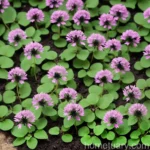
Dutch clover, or Trifolium repens, is a low-growing, perennial plant belonging to the Fabaceae family. This broadleaf plant is known for its distinct trifoliate leaves and globe-shaped white flower clusters, which have earned it the popular names of “white clover” and “Dutch white clover.”
Native to Europe and parts of Asia and North Africa, Dutch clover has been widely naturalized in many other regions, including North America, where it has become a common sight in lawns, pastures, and meadows. Its adaptability and ability to thrive in diverse climates have contributed to its widespread presence in various ecosystems.
Types of Dutch Clover
The species Trifolium repens encompasses a range of cultivars and varieties, each with its unique characteristics and qualities. Some popular types include “Ladino,” “Durana,” and “Regalgraze,” each valued for specific attributes such as winter hardiness, forage quality, or disease resistance.
Key Takeaways – Dutch Clover (Trifolium repens)
Let’s begin our exploration of Dutch clover by highlighting some key takeaways that will guide us through the various aspects of this remarkable plant.
- Culture: Dutch clover is a resilient plant that thrives in diverse environments, serving multiple purposes in landscaping, agriculture, and ecological restoration.
- Uses: From enriching soil health and supporting pollinators to serving as a valuable forage crop, Dutch clover boasts a wide array of uses that benefit both natural ecosystems and human endeavors.
- Care: Understanding the specific water, sunlight, soil, and maintenance requirements of Dutch clover is essential for successful cultivation and harnessing its full potential.
- Propagation: Planting and propagating Dutch clover, whether in containers or open fields, requires careful consideration of techniques that promote robust growth and establishment.
- Common Diseases and Pests: Like all plants, Dutch clover is susceptible to certain diseases and pest infestations, necessitating proactive measures for prevention and control.
With these key points in mind, let’s embark on our journey to unravel the many facets of Dutch clover, from its cultural significance to its practical applications in sustainable gardening and beyond.
Culture
Understanding the cultural significance and ecological role of Dutch clover lays the foundation for appreciating its value and potential in various settings. Let’s delve into the cultural aspects of this resilient plant.
The Importance of Trifolium repens in Landscaping
Dutch clover holds a special place in landscaping due to its ability to form lush, low-growing mats of foliage punctuated by clusters of delicate white flowers. Its adaptability to different soil types and its tolerance for light foot traffic make it a desirable choice for creating aesthetically pleasing and resilient ground covers in both residential and commercial landscapes.
Versatility in Different Climates
One of the defining features of Dutch clover is its adaptability to various climates and growing conditions. From temperate regions to more challenging environments, this plant demonstrates a remarkable capacity to thrive and contribute to the ecological balance of diverse ecosystems.
Uses
The versatile nature of Dutch clover is reflected in its wide array of practical uses, making it a valuable asset in agricultural, environmental, and horticultural contexts.
Dutch Clover: A Natural Soil Enhancer
One of the most notable features of Dutch clover is its role in enhancing soil health. As a nitrogen-fixing plant, it forms symbiotic relationships with soil bacteria, effectively enriching the soil with essential nutrients. This unique ability to increase nitrogen levels in the soil makes Dutch clover a valuable component of crop rotation systems, contributing to the overall fertility and productivity of agricultural lands.
Sustainable Livestock Forage Option
In agricultural settings, Dutch clover serves as a nutritious and palatable forage option for livestock, including cattle, sheep, and goats. Its high protein content and digestibility make it an attractive choice for grazing, providing a sustainable and nutritious source of feed for animals.
Erosion Control and Biodiversity Enhancement
Dutch clover’s dense, spreading growth habit and extensive root system make it an effective ally in erosion control efforts. By stabilizing soil and preventing erosion, it helps protect vulnerable landscapes from the adverse effects of water and wind.
Furthermore, the presence of Dutch clover contributes to the establishment of diverse plant communities, supporting biodiversity and promoting the conservation of native flora and fauna.
Water
Proper watering is essential to the health and vigor of Dutch clover, ensuring that it thrives and fulfills its ecological and horticultural roles effectively.
Watering Needs
Dutch clover exhibits relatively moderate water needs, preferring consistently moist soil. While it can tolerate short periods of drought, especially once established, regular watering is beneficial, particularly during dry spells or in regions with low rainfall.
It’s important to strike a balance, as excessive waterlogging can lead to root rot and other problems. Providing well-draining soil and monitoring moisture levels aids in maintaining optimal growing conditions for Dutch clover.
Sunlight
Understanding Dutch clover’s sunlight requirements is crucial for positioning and cultivating this plant in various settings, ensuring that it receives the light conditions necessary for healthy growth.
Sun Exposure
Dutch clover generally thrives in partial to full sunlight, benefiting from at least 4 to 6 hours of direct sunlight each day. While it can tolerate some shade, especially in warmer climates, providing ample sunlight promotes robust foliage development and abundant flowering.
For areas with intense heat, providing partial shade during the hottest part of the day can help protect Dutch clover from excessive stress and maintain its vitality.
Fertilizer
Proper fertilization practices play a crucial role in supporting the growth and vigor of Dutch clover, providing it with the essential nutrients it needs to thrive.
Soil Enrichment
The nitrogen-fixing capabilities of Dutch clover reduce its reliance on supplemental fertilizer in many contexts. By naturally increasing soil nitrogen levels, it supports its growth and contributes to the overall fertility of the planting area.
When incorporating Dutch clover into existing landscapes or planting beds, amending the soil with organic matter or a balanced, slow-release fertilizer can provide a nutrient boost and support initial establishment.
For container-grown Dutch clover, using a well-balanced liquid fertilizer diluted to half-strength once a month during the growing season can help maintain healthy growth and flowering.
Soil
The soil forms the foundation for Dutch clover’s growth and development, influencing its overall health, resilience, and performance in various applications.
Soil Type
Dutch clover thrives in well-draining, fertile soils with good moisture retention. It exhibits adaptability to a range of soil types, including loamy, sandy, and clay soils, provided they offer adequate drainage and aeration.
Maintaining a slightly acidic to neutral soil pH in the range of 6.0 to 7.0 is optimal for Dutch clover, ensuring that it can access essential nutrients and minerals for robust growth and nitrogen fixation.
Pruning
Pruning Dutch clover plays a role in controlling its growth, promoting density, and encouraging flowering, especially in landscape and horticultural settings.
Pruning Techniques
Regular mowing or trimming helps maintain Dutch clover at a desirable height and prevents it from becoming excessively leggy or unkempt. Trimming flowering clusters after the blooming period can promote tidiness and encourage vigorous reblooming.
In areas with minimal foot traffic, allowing Dutch clover to bloom and set seeds can attract pollinators and support its natural lifecycle. However, in higher traffic areas, maintaining a lower mowing height and preventing flowering can help manage its appearance and ensure functionality as a ground cover.
Propagation
Successfully propagating Dutch clover, whether for large-scale restoration projects, garden enhancements, or agricultural purposes, relies on understanding and employing effective propagation methods.
Growing from Seeds
One common method of propagating Dutch clover involves sowing seeds directly onto prepared soil. Ensuring good seed-to-soil contact, consistent moisture, and protection from birds and other seed predators supports germination and initial establishment.
For overseeding existing lawns or pastures with Dutch clover, using a seed spreader or broadcaster provides even coverage and enhances the chances of successful integration with the existing vegetation.
Division and Transplanting
Dividing established clumps of Dutch clover and transplanting them to new areas or containers is another propagation technique. This method can help expand the presence of Dutch clover in specific areas or provide starter plants for new gardening or landscaping projects.
Container Popularity
While Dutch clover serves as an excellent ground cover in open landscapes, its versatility and adaptability also make it well-suited for container cultivation in various urban and horticultural settings.
Container Growing Tips
When selecting containers for Dutch clover, opt for spacious, well-draining pots or window boxes that allow for ample root development. Using a high-quality, well-aerated potting mix that mimics the preferred soil conditions for Dutch clover supports healthy growth and establishment.
Regular watering and providing sufficient sunlight are essential for container-grown Dutch clover, ensuring that it receives the necessary resources for lush foliage growth and blooming.
Common Diseases
While Dutch clover is generally resistant to many pests and diseases, understanding and recognizing common issues is pivotal in maintaining its health and preventing potential complications.
Diseases and Diagnosis
Powdery Mildew: One of the most common fungal diseases affecting Dutch clover, powdery mildew manifests as a whitish powdery coating on the leaves, often leading to stunted growth and reduced vigor. Ensuring good air circulation and promptly addressing any signs of infection with appropriate fungicidal treatments supports effective disease management.
Anthracnose: This fungal disease can cause dark, sunken lesions on the foliage and affect overall plant health. Providing proper sanitation and removing affected plant parts can help prevent its spread, while applying preventive fungicidal treatments can minimize the risk of anthracnose.
Common Pests
Dutch clover’s resilience and dense growth habit deter many pests, but occasional pest issues may arise, requiring proactive measures for control.
Pest Management
Aphids: These sap-sucking insects can occasionally affect Dutch clover, especially during periods of rapid growth or in crowded growing conditions. Natural predators such as ladybugs can help keep aphid populations in check, and targeted insecticidal treatments can provide additional control when needed.
Leafhoppers: These jumping insects can sometimes feed on Dutch clover, causing stippling and discoloration of the foliage. Regular monitoring and employing physical or chemical control measures can help manage leafhopper populations and minimize their impact on the plants.
Botanist’s Tips
As a plant scientist deeply rooted in the world of botanical wonders, I offer the following tips for successful cultivation and enjoyment of Dutch clover in various settings:
- Companion Planting: Pair Dutch clover with compatible plants such as creeping thyme, sedum, or low-growing ornamental grasses to create visually captivating and ecologically diverse landscape designs.
- Permaculture Integration: Incorporating Dutch clover into permaculture systems can enhance soil fertility, support beneficial insects, and contribute to the overall resilience and productivity of the ecosystem.
- Pollinator Support: Embrace Dutch clover as a valuable resource for attracting and nurturing pollinators, enhancing the biodiversity and ecological value of your garden or landscape.
- Sustainable Landscaping: Harness the ecological benefits of Dutch clover by integrating it into sustainable landscaping practices, such as rain gardens, green roofs, and wildlife-friendly habitats.
Fun Facts
Uncovering the unique and fascinating aspects of Dutch clover contributes to a deeper appreciation for this remarkable plant. Here are some fun facts to spark your curiosity:
- Dutch clover has been associated with various folklore and traditional beliefs, with its presence often symbolizing luck and prosperity.
- The distinct three-lobed leaves of Dutch clover have been associated with religious symbolism, representing the Holy Trinity in certain cultural contexts.
- Dutch clover’s ability to thrive in nutrient-poor soils and fix nitrogen has earned it recognition as a pioneer species in ecological succession.
Links to External Resources
To further enrich your knowledge and understanding of Dutch clover and its diverse applications, I recommend exploring the following resources:
- Clemson Cooperative Extension – Dutch White Clover
- USDA Natural Resources Conservation Service – White Clover
- University of Maryland Extension – White Clover in Lawns
- Royal Botanic Gardens, Kew – Trifolium repens
In the grand tapestry of plant diversity, Dutch clover emerges as a remarkable and multifaceted species, weaving together ecological resilience, aesthetic charm, and practical utility. From enriching soil health and supporting wildlife to enhancing the beauty of landscapes, the contributions of Dutch clover reverberate throughout the realms of horticulture, agriculture, and environmental stewardship. As we continue to explore and appreciate the wonders of plant life, may the enduring presence of Dutch clover serve as a symbol of natural vitality and harmonious coexistence within our ecosystems.
In conclusion, Dutch clover, or Trifolium repens, stands as a testament to the inherent beauty and ecological significance of plant life. Its adaptability, practical uses, and cultural symbolism make it a cherished component of diverse landscapes and ecosystems worldwide. As we nurture and safeguard the presence of Dutch clover, we uphold the intricate connections between plants, people, and the natural world, fostering a legacy of sustainability, beauty, and environmental stewardship.