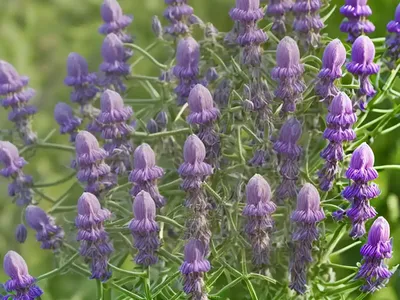
White Clover (Trifolium Repens ‘Dragon’s Blood’)
White clover, scientifically known as Trifolium repens ‘Dragon’s Blood’, is a delightful and versatile plant that captivates with its red-tinged leaves and.
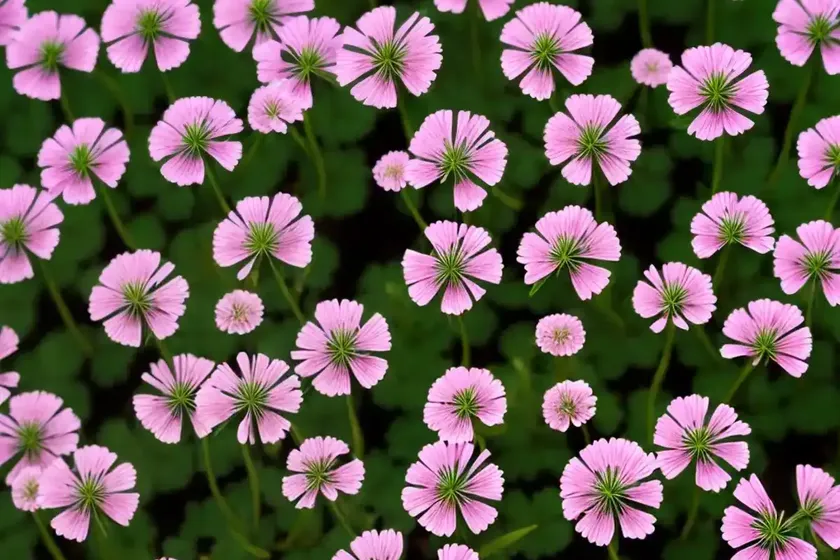
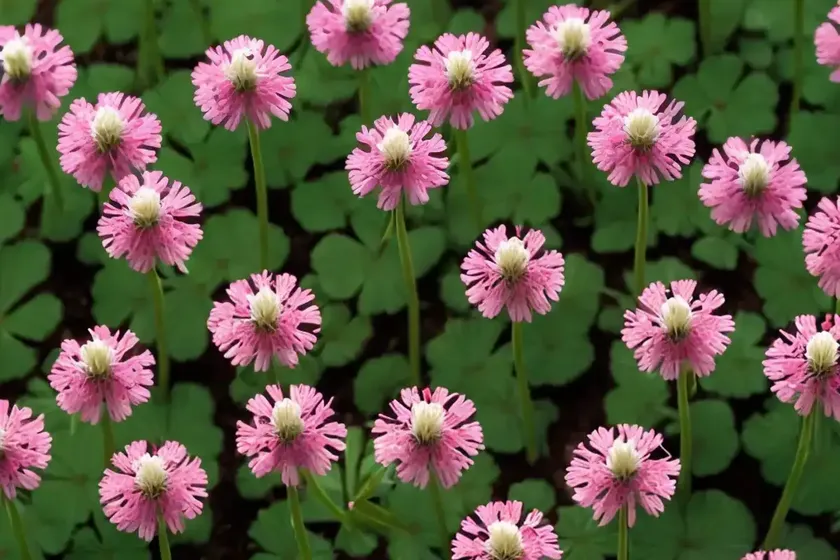
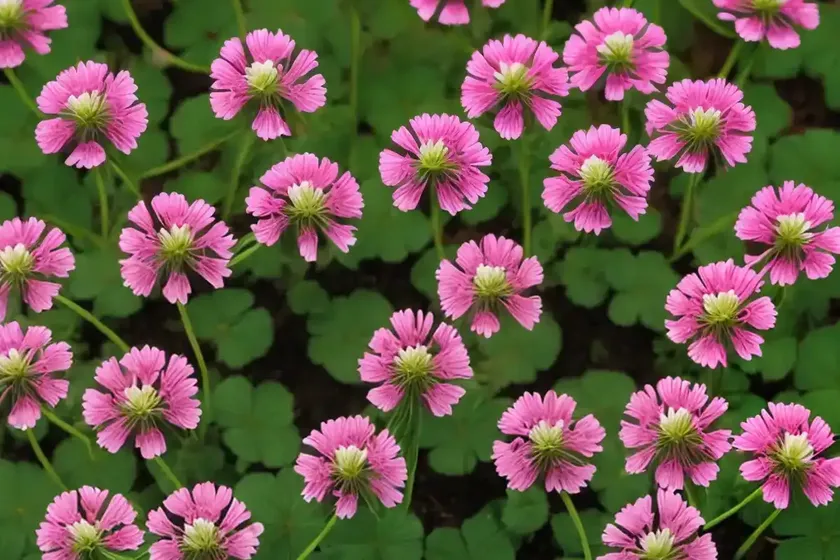
White clover, scientifically known as Trifolium repens ‘Dragon’s Blood’, is a delightful and versatile plant that captivates with its red-tinged leaves and a myriad of beneficial attributes. This plant, belonging to the legume family (Fabaceae), is not only aesthetically pleasing but also serves various functionalities, making it a valuable addition to gardens, landscapes, and even culinary pursuits. In this article, we will delve into the intricacies of the white clover, exploring its characteristics, uses, and practical tips for its care and cultivation.
What is White Clover?
White clover, also commonly referred to as “Dragon’s Blood clover,” is a perennial herbaceous plant that is cherished for its trifoliate leaves and white, globe-shaped flower heads. The ‘Dragon’s Blood’ cultivar stands out due to its unique feature of displaying red-tinged leaves, setting it apart from the traditional white clover varieties. As a cultivar of Trifolium repens, ‘Dragon’s Blood’ inherits the qualities of its species while also adding an aesthetic dimension with its distinctive foliage coloration.
Key Takeaways – White Clover (Trifolium repens ‘Dragon’s Blood’)
Before we proceed further, let’s take a moment to summarize the key attributes and highlights of white clover (Trifolium repens ‘Dragon’s Blood’):
- Plant Name: White Clover (Trifolium repens ‘Dragon’s Blood’)
- Other Names: Dragon’s Blood clover, Red-leafed white clover
- Cultivar: Trifolium repens
- Distinct Feature: Red-tinged leaves
- Attributes: Perennial herbaceous plant with trifoliate leaves and white, globe-shaped flowers
- Versatility: Landscaping, gardening, culinary applications
- Benefits: Environmental benefits, potential medicinal uses
- Care: Moderate growth requirements, suitable for containers and sustainable gardening
Now, let’s delve deeper into the various aspects of white clover, encompassing its culture, uses, growth requirements, and much more.
Culture
Understanding the cultural requirements of white clover is fundamental for ensuring its optimal growth and development. From soil preferences to pruning techniques, each facet plays a pivotal role in nurturing white clover to its full potential.
Uses
White clover embraces a wide array of uses, making it a versatile and multifaceted addition to numerous environments. Its applications span across landscaping, gardening, and even culinary domains, each offering a unique avenue for this captivating plant to thrive.
Water
Water is a fundamental element in the growth cycle of white clover. Understanding its water requirements and implementing appropriate watering practices is crucial for its health and vigor.
Sunlight
Sunlight serves as an indispensable energy source for white clover, influencing its growth patterns and overall well-being. Optimizing sunlight exposure is pivotal for ensuring the plant’s flourishing.
Fertilizer
Fertilization plays a key role in augmenting the growth and vitality of white clover. Understanding the appropriate fertilizer types and application methods is essential in enhancing its overall health.
Soil
The soil composition forms the foundation for the growth of white clover. Analyzing the preferred soil conditions and making necessary amends is imperative for fostering an ideal environment for the plant.
Pruning
Pruning aids in shaping and managing the growth of white clover, contributing to its aesthetic appeal and overall health. Adopting effective pruning techniques ensures the plant’s vitality and visual allure.
Propagation
The propagation methods of white clover are pivotal in expanding its presence and facilitating its proliferation. Understanding the reproductive processes is vital for cultivating new specimens.
Container Popularity
White clover exhibits remarkable adaptability to container environments, adding a touch of elegance and vitality to various settings. Exploring its container popularity sheds light on its potential as a captivating potted plant.
Common Diseases
White clover, like any other plant, is susceptible to certain diseases that can hinder its growth and vitality. Identifying these diseases and exploring effective diagnosis and management strategies is crucial for preserving the plant’s health.
Disease Diagnosis
Diagnosing and identifying diseases that affect white clover is a critical step in implementing timely interventions and preventing the spread of ailments. Familiarizing oneself with common disease symptoms is essential for proactive management.
Common Pests
Pests can pose a significant threat to the well-being of white clover, necessitating the implementation of preventive measures and targeted pest management strategies to safeguard the plant.
Botanist’s Tips
Insights from botanists and plant experts can offer invaluable guidance for cultivating and caring for white clover. Incorporating their tips and recommended practices can contribute to the plant’s prosperity.
Fun Facts
Exploring the captivating and intriguing aspects of white clover through fun and fascinating facts can provide a delightful perspective on this enchanting plant.
Links to External Resources
Dive into a wealth of external resources to further enrich your knowledge and understanding of white clover. Access insightful articles, research papers, and gardening guides to expand your horizons and cultivate a deeper appreciation for this remarkable plant.
As we embark on this botanical journey, let’s explore the captivating world of white clover (Trifolium repens ‘Dragon’s Blood’), from its cultural nuances to its practical applications and maintenance guidelines.