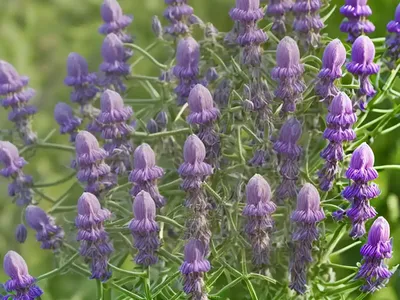
Black Leaved Clover (Trifolium Repens ‘Purpurascens Quadrifolium’)
Plants are an essential part of our ecosystem, offering numerous benefits including providing oxygen, food, and medicine, as well as contributing to the.
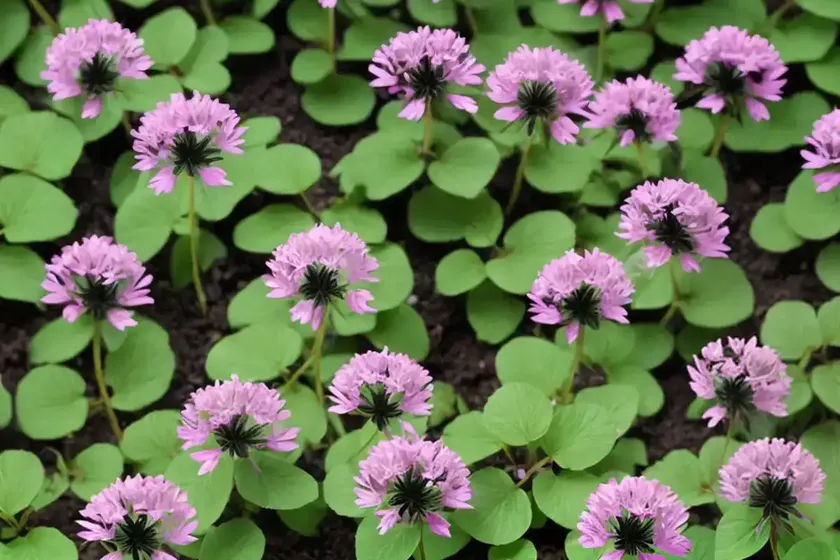
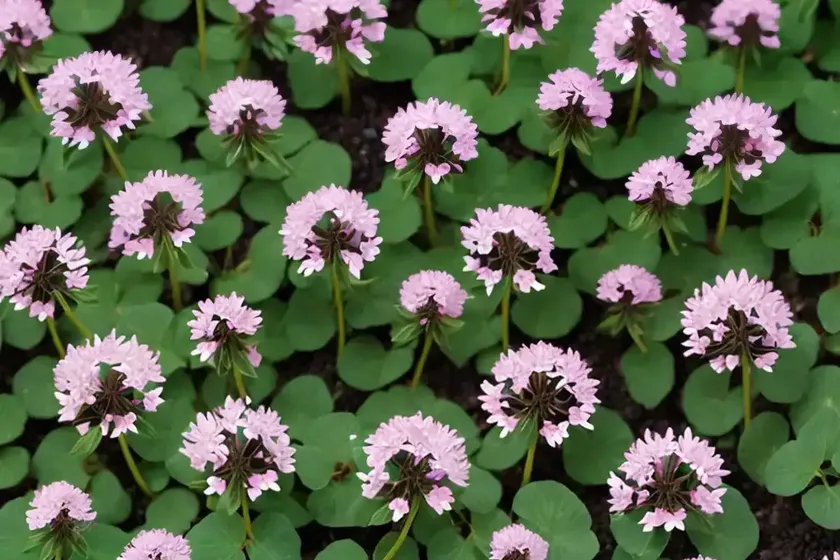
Plants are an essential part of our ecosystem, offering numerous benefits including providing oxygen, food, and medicine, as well as contributing to the overall aesthetic of our surroundings. As a plant scientist, I am continuously fascinated by the diverse range of plants and their unique characteristics. In this article, I am excited to delve into the world of the Black Leaved Clover (Trifolium repens ‘Purpurascens Quadrifolium’). We will explore its culture, uses, care requirements, and interesting facts, and discuss how to best cultivate and maintain this intriguing plant.
What is Black Leaved Clover (Trifolium repens ‘Purpurascens Quadrifolium’)?
Black Leaved Clover, scientifically known as Trifolium repens ‘Purpurascens Quadrifolium’, is a distinct variety of the common white clover (Trifolium repens). What sets this particular cultivar apart is its striking dark purple foliage, which offers a captivating contrast in gardens and landscapes. It is a perennial plant, belonging to the Fabaceae family, and is native to Europe and Western Asia.
Key Takeaways
Before we delve deeper into the specifics of cultivating and caring for the Black Leaved Clover, let’s highlight some key takeaways that we will explore in detail throughout this article:
- Black clover plant:
- Identification and characteristics of Trifolium repens ‘Purpurascens Quadrifolium’
- Culture:
- The plant’s native habitat and its adaptability to different environments
- Uses:
- Practical and ornamental applications of Black Leaved Clover
- Water:
- Understanding the plant’s water requirements for optimal growth
- Sunlight:
- Sun exposure preferences and considerations for the plant’s health
- Fertilizer:
- Nutritional needs and suitable fertilization practices
- Soil:
- Soil preferences and considerations for successful cultivation
- Pruning:
- Techniques and timing for maintaining the plant’s form and health
- Propagation:
- Methods for reproducing and expanding Black Leaved Clover
- Container:
- Guidelines for growing the plant in containers
- Popularity:
- Insights into the Black Leaved Clover’s appeal and growing demand
- Common Diseases:
- Identification and management of known plant diseases
- Pests:
- Understanding potential pest threats and effective pest management strategies
- Botanist’s Tips:
- Expert recommendations and best practices for cultivating this unique plant
- Fun Facts:
- Intriguing and lesser-known aspects of Black Leaved Clover
- Links to External Resources:
- Additional references and sources for further exploration
Now, let’s embark on a comprehensive journey into the world of Black Leaved Clover, gaining insights into its care requirements, uses, and intriguing characteristics.
Black Leaved Clover Culture
Understanding the native habitat and cultural requirements of the Black Leaved Clover is crucial for successfully cultivating and nurturing this plant. The following factors play a significant role in the plant’s overall culture:
- Native Habitat:
- Black Leaved Clover is indigenous to Europe and Western Asia, where it thrives in temperate climates. It is often found in meadows, grasslands, and open woodland areas.
- Adaptability:
- One of the remarkable attributes of this plant is its adaptability to various soil types and growing conditions. It can tolerate both full sun and partial shade, making it a versatile addition to different landscapes and gardens.
- Temperature Tolerance:
- The plant exhibits resilience to a range of temperatures, although it prefers moderate climates with consistent moisture levels.
Understanding the plant’s native habitat provides valuable insights into its natural growing conditions, enabling us to create a conducive environment for optimal growth and development.
Uses of Black Leaved Clover
Black Leaved Clover serves a multitude of practical and ornamental purposes, making it a valuable addition to gardens, landscapes, and agricultural settings. Let’s explore some of its notable uses:
- Ornamental Value:
- The dark purple foliage of the Black Leaved Clover adds visual interest and contrast to gardens and landscapes. It can be used as a ground cover or incorporated into flower beds to introduce a vibrant pop of color.
- Forage Crop:
- In agricultural settings, white clover, including the black-leaved variety, is commonly utilized as a forage crop for livestock due to its high protein content and palatability for grazing animals.
- Soil Improvement:
- Black Leaved Clover is also recognized for its ability to fix nitrogen in the soil, resulting in improved soil fertility. This characteristic makes it beneficial for crop rotation and enhancing the overall health of the soil.
- Erosion Control:
- Its spreading growth habit and dense foliage make it effective for erosion control on slopes and embankments, providing stabilization and preventing soil runoff.
The diverse uses of Black Leaved Clover underscore its versatility and contribution to both aesthetic and practical aspects of landscaping and agriculture.
Black Leaved Clover Care
The successful cultivation of Black Leaved Clover relies on understanding and fulfilling its specific care requirements. By providing ideal growing conditions and attending to its needs, we can ensure the plant’s vigor and longevity. Let’s delve into the essential care considerations for this unique plant:
Water
Proper watering is crucial for establishing and maintaining healthy Black Leaved Clover. While the plant exhibits some tolerance to drought, consistent moisture levels promote robust growth and vigor. Here are some key considerations for watering:
- Establishment:
- During the initial establishment phase, it is essential to provide regular watering to facilitate root development. Ensuring adequate soil moisture in the early stages is particularly beneficial.
- Moisture Levels:
- Aim for moderately moist soil, avoiding waterlogged conditions that may lead to root suffocation. Adjust watering frequency based on environmental factors such as temperature and rainfall.
- Drought Tolerance:
- Once established, Black Leaved Clover demonstrates some resilience to drought, although sustained periods of dryness may impact its overall health and vigor.
Sunlight
Understanding the plant’s sunlight preferences is key to optimizing its growth and visual appeal. Consider the following factors related to sun exposure:
- Full Sun vs. Partial Shade:
- Black Leaved Clover can thrive in both full sun and partial shade, offering flexibility in terms of its placement within a garden or landscape. However, in warmer climates, providing some shade during the hottest part of the day can be beneficial.
- Light Intensity:
- In regions with intense sunlight, providing some protection during peak hours can prevent leaf scorch and maintain the plant’s vibrant foliage color.
Fertilizer
Meeting the nutritional needs of Black Leaved Clover through appropriate fertilization practices supports vigorous growth and foliage development. Here are key considerations for fertilizing this plant:
- Nitrogen Requirements:
- Given the plant’s ability to fix nitrogen in the soil, it may have reduced requirements for supplemental nitrogen fertilization. However, periodic applications of balanced fertilizers can support overall plant health.
- Timing:
- Apply fertilizers during the plant’s active growing periods, typically in early spring and late summer, to provide essential nutrients for sustained growth.
Soil
The selection of suitable growing medium and soil conditions is vital for ensuring the health and productivity of Black Leaved Clover. Consider the following aspects of soil management for this plant:
- Well-Draining Soil:
- Black Leaved Clover thrives in well-draining soils that provide adequate aeration to the root system. Avoid waterlogged conditions, as they can lead to root rot and other detrimental effects.
- Soil pH:
- The plant shows adaptability to a range of soil pH levels, although slightly acidic to neutral soils (pH 6.0-7.0) are generally conducive to its growth.
Pruning
Pruning is an essential aspect of maintaining the desired form and health of Black Leaved Clover. Proper pruning practices can help manage its growth and appearance effectively. Consider the following guidelines for pruning this plant:
- Foliage Maintenance:
- Periodic trimming of spent or damaged foliage can promote air circulation and prevent the plant from becoming overly dense.
- Controlling Spread:
- If desired, pruning can be used to manage the spread of the plant and prevent it from encroaching on other garden elements.
Propagation
Expanding the presence of Black Leaved Clover can be achieved through propagation methods suited to its growth characteristics. Consider the following approaches for propagating this plant:
- Division:
- The plant can be propagated through division, where established clumps are divided into sections and replanted in suitable locations.
- Seed Propagation:
- Black Leaved Clover can also be grown from seeds, allowing for the cultivation of new plants with the characteristic dark foliage.
Container
For gardeners with limited space or those seeking to showcase Black Leaved Clover in a controlled environment, container gardening is a viable option. Here are some considerations for growing this plant in containers:
- Container Size:
- Select a spacious container that allows for ample root development and accommodates the plant’s growth habit.
- Drainage:
- Ensure the container has adequate drainage to prevent waterlogging, as excessive moisture can compromise the plant’s health.
- Soil Medium:
- Use a well-draining potting mix formulated for container gardening to provide optimal growing conditions.
Popularity of Black Leaved Clover
The distinct visual appeal and versatile applications of Black Leaved Clover have contributed to its growing popularity among gardeners, landscapers, and agricultural enthusiasts. Its unique foliage color and beneficial attributes have positioned it as a sought-after plant within horticultural and ecological contexts.
Common Diseases
While Black Leaved Clover exhibits resilience to various environmental conditions, it is important to remain vigilant for potential disease issues that may affect its health. Here are some common diseases that may impact this plant:
- Anthracnose:
- This fungal disease can manifest as leaf spots and stem lesions, potentially leading to defoliation and reduced plant vigor.
- Powdery Mildew:
- White powdery growth on the foliage indicates the presence of powdery mildew, a common fungal disease that can impact the plant’s overall appearance.
- Root Rot:
- Prolonged periods of soil saturation can lead to root rot, characterized by yellowing foliage and wilting.
Vigilant monitoring and prompt intervention can help mitigate the impact of these diseases and preserve the plant’s health.
Disease Diagnosis
In the event of observing symptoms indicative of potential diseases, it is crucial to accurately diagnose the issue to implement targeted management strategies. Consultation with plant disease specialists or diagnostic laboratories can aid in identifying the specific pathogens and formulating effective treatment plans.
Common Pests
While Black Leaved Clover is relatively resistant to pest infestations, certain insects may pose a threat to its health and vitality. Being aware of potential pests allows for proactive pest management measures. Common pests that may affect this plant include:
- Aphids:
- These sap-sucking insects can distort plant growth and cause leaf curling.
- Whiteflies:
- Whiteflies may congregate on the undersides of leaves, leading to yellowing and decline in plant health.
Implementing integrated pest management practices and employing natural predators can help control pest populations and prevent significant damage to the plant.
Botanist’s Tips
As a plant scientist with a passion for cultivating and studying unique plant varieties, I offer the following tips and best practices for those interested in growing and caring for Black Leaved Clover:
- Monitor Soil Moisture:
- Regularly assess soil moisture levels and adjust watering practices as needed to maintain optimal growing conditions for the plant.
- Prune Wisely:
- Pruning the plant selectively can help promote its overall health and shape while preserving its aesthetic appeal.
- Observe for Indicators of Stress:
- Pay attention to visual cues such as wilting, yellowing foliage, or unusual discoloration, as these may signal underlying issues that require attention.
- Introduce Beneficial Pollinators:
- Encouraging the presence of pollinators such as bees and butterflies can support the plant’s reproductive success and contribute to garden biodiversity.
By incorporating these tips into your approach to Black Leaved Clover care, you can foster a thriving and visually appealing plant in your garden or landscape.
Fun Facts
Delving into the world of Black Leaved Clover uncovers several intriguing and lesser-known aspects of this remarkable plant. Consider the following fun facts about Black Leaved Clover:
- Folklore and Symbolism:
- Throughout history, clovers have been associated with various cultural beliefs and symbolism, including luck and prosperity. The addition of a dark purple variety adds a unique twist to this folklore.
- Attracting Pollinators:
- The attractive blooms of Black Leaved Clover can entice pollinators, contributing to the ecological balance and biodiversity within the garden.
- Adaptation to Mowing:
- Due to its low-growing and spreading habit, Black Leaved Clover can withstand periodic mowing, making it suitable for use in lawns and meadow mixtures.
These intriguing tidbits shed light on the multifaceted nature of Black Leaved Clover, enriching our understanding of its significance in horticulture and beyond.
Links to External Resources
For further exploration and detailed information on Black Leaved Clover, I recommend referring to the following external resources:
- Royal Horticultural Society (RHS):
- The RHS provides comprehensive insights into plant care, cultivation, and recommended varieties, offering valuable guidance for gardeners and enthusiasts.
- University Extension Websites:
- Many university extension websites offer research-based information on plant cultivation, disease management, and best practices for enhancing plant health.
- Botanical Gardens and Arboreta:
- Botanical gardens and arboreta often feature collections of diverse plant species, providing opportunities for in-person observation and learning.
By leveraging these external resources, you can expand your knowledge of Black Leaved Clover and access expert guidance for successful cultivation and care.
In this comprehensive exploration of Black Leaved Clover (Trifolium repens ‘Purpurascens Quadrifolium’), we have unveiled its distinct characteristics, essential care considerations, and valuable insights into its diverse uses and applications. By integrating the provided guidelines and recommendations, you can embark on a rewarding journey of cultivating and nurturing this unique and visually captivating plant within your garden or landscape.
Remember, the fascinating world of plants offers endless opportunities for discovery and enrichment, and the Black Leaved Clover stands as an intriguing example of the beauty and utility that botanical diversity brings to our lives.
- Royal Horticultural Society (RHS). Available at: https://www.rhs.org.uk
- USDA National Institute of Food and Agriculture (NIFA) – Land Grant Colleges and Universities Partner Website Directory. Available at: https://nifa.usda.gov/land-grant-colleges-and-universities-partner-website-directory
- The American Horticultural Society (AHS) – The American Gardener. Available at: https://www.ahs.org/publications/the-american-gardener