Alpine Delphinium (Delphinium Elatum)
Introduction Welcome to this comprehensive guide to the stunning Alpine Delphinium, also known as Delphinium elatum. This beautiful and unique plant has.
Introduction
Welcome to this comprehensive guide to the stunning Alpine Delphinium, also known as Delphinium elatum. This beautiful and unique plant has captured the hearts of gardeners, botanists, and nature enthusiasts alike. In this article, we will delve into the various aspects of Alpine delphinium, from its basic features to its cultivation, care, and maintenance. Whether you are a seasoned gardener or a beginner with a budding interest in plants, this guide will equip you with the knowledge and tips to cultivate and appreciate the Alpine delphinium to its fullest potential.
What is Alpine Delphinium (Delphinium elatum)?
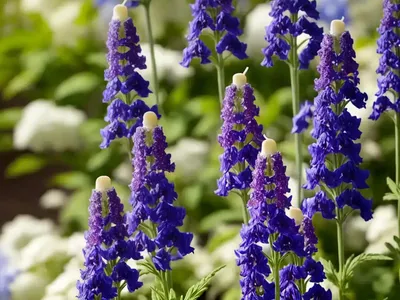
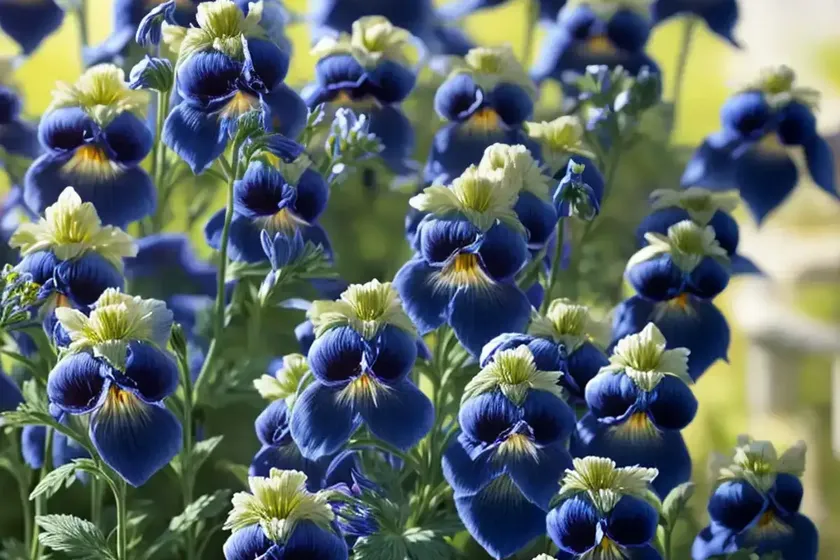
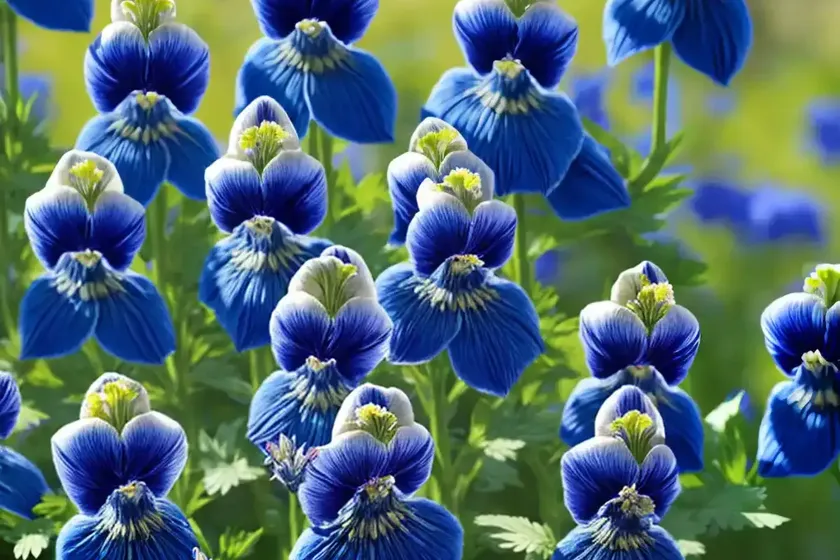
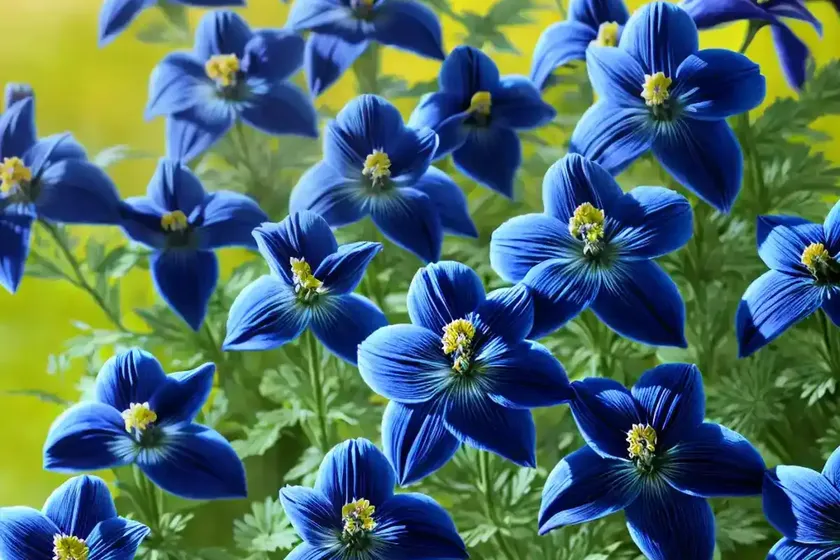
Alpine delphinium, scientifically referred to as Delphinium elatum, is a spectacular perennial plant that belongs to the buttercup family (Ranunculaceae). It is commonly known for its tall and elegant spikes of vibrant, showy flowers that adorn gardens and landscapes with their striking beauty. The genus name “Delphinium” is derived from the Latin word “delphis,” which means dolphin, and alludes to the shape of the nectary, resembling a dolphin.
Alpine delphinium is native to mountainous regions of Europe and Asia, where it thrives in cool, moist environments. Over the years, numerous cultivars and hybrids of Delphinium elatum have been developed, resulting in a diverse array of flower colors, forms, and sizes. From the classic rich blues to soft pastel hues and even bi-colored blooms, the Alpine delphinium offers a visual feast that captivates the senses.
Key Takeaways – Alpine Delphinium (Delphinium elatum)
Before we embark on a detailed exploration of Alpine Delphinium, let’s take a moment to review the key takeaways regarding this enchanting plant.
Culture
- Scientific Name: Delphinium elatum
- Family: Ranunculaceae
- Type: Perennial
- Origin: Europe and Asia
- Preferred Habitat: Cool, moist environments
Uses
- Ornamental: Mainly cultivated for its stunning, tall spires of flowers.
- Medicinal: Traditional medicinal uses present.
Water
- Moderate to High: Alpine delphinium requires consistent moisture, especially during its active growth phases.
Sunlight
- Full Sun to Part Shade: Prefers full sun but benefits from some afternoon shade in warmer climates.
Fertilizer
- Balanced Fertilizer: Feed with a balanced fertilizer during the growing season to support healthy growth and abundant flowering.
Soil
- Well-Draining, Rich Soil: Thrives in fertile, well-draining soil with a slightly acidic to neutral pH.
Pruning
- Deadheading: Removal of spent blooms encourages prolonged flowering.
- Cutting Back: After the blooming season, cutting back the spent flower spikes promotes new growth.
Propagation
- Seed Sowing: Can be propagated from seeds, though hybrids are often propagated through division.
Container Popularity
- Popular Container Plant: Well-suited for large containers, adding vertical interest and vibrant color to outdoor spaces.
Common Diseases
- Powdery Mildew: Common fungal disease, especially in humid conditions.
- Crown Rot: Can occur in poorly drained soil.
Disease Diagnosis
- Yellowing Leaves: May indicate nutrient deficiencies or overwatering.
- Wilting or Drooping Stems: Potential signs of root rot or inadequate watering.
Common Pests
- Aphids: Small, sap-sucking insects that can distort new growth.
- Snails and Slugs: Feeding damage on leaves and stems, especially in moist conditions.
Botanist’s Tips
Insights from botanists and experienced gardeners can provide valuable guidance for nurturing Alpine delphiniums to their full potential. Here are some essential tips for cultivating and caring for these stunning plants:
- Vertical Support: Tall delphinium varieties benefit from staking or support to prevent stems from bending or breaking, especially in windy conditions.
- Adequate Spacing: Plant Alpine delphiniums with generous spacing to allow good air circulation, reducing the risk of fungal diseases.
- Mulching: Apply a layer of organic mulch around the base of the plant to conserve moisture and moderate soil temperature.
- Watering Practices: Water the base of the plant to keep the foliage dry and minimize the risk of fungal diseases.
Fun Facts
Uncover some intriguing and captivating aspects of the Alpine delphinium, adding to the allure of this remarkable botanical specimen:
- The genus name “Delphinium” signifies the shape of the nectary, which bears a resemblance to a dolphin, as interpreted from the Latin word “delphis.”
- Alpine delphiniums have been historically associated with various legends and symbolism, representing whimsy, positivity, and an open heart.
- Interactions between pollinators and Alpine delphiniums, such as butterflies and bees, contribute to the ecosystem, showcasing the interconnectedness of nature.
Links to External Resources
For further exploration and detailed information on Alpine delphiniums, consider visiting the following resources:
- Royal Horticultural Society: Delphiniums – RHS
- University of Vermont Extension: Growing Delphiniums
- American Delphinium Society: Alpine Delphiniums
- The Old Farmer’s Almanac: Delphiniums: How to Plant, Grow, and Care for Delphinium Flowers
Now that we have established an overview of Alpine delphinium, let’s delve into each aspect in depth, providing a comprehensive understanding of this stunning plant and how to nurture it successfully.