Livid Amaranth (Amaranthus Blitum)
Livid amaranth, scientifically known as Amaranthus blitum, is a versatile plant that holds both cultural and culinary significance. This comprehensive.
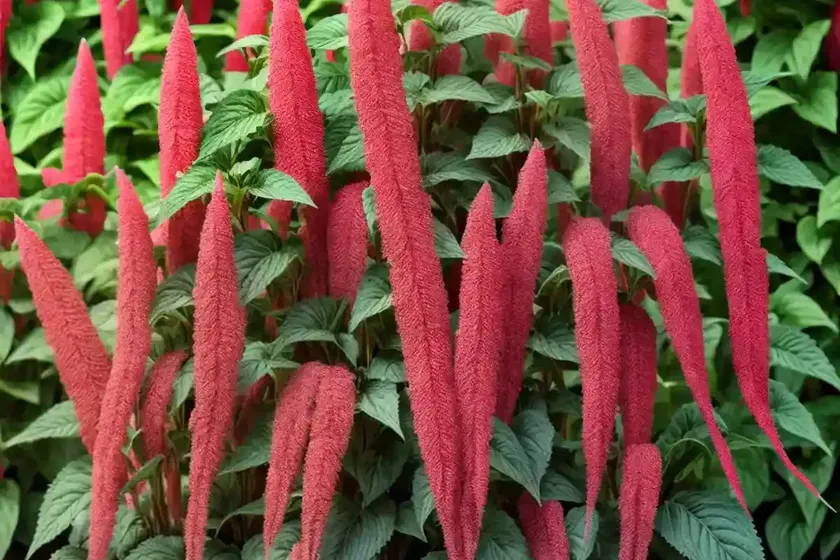
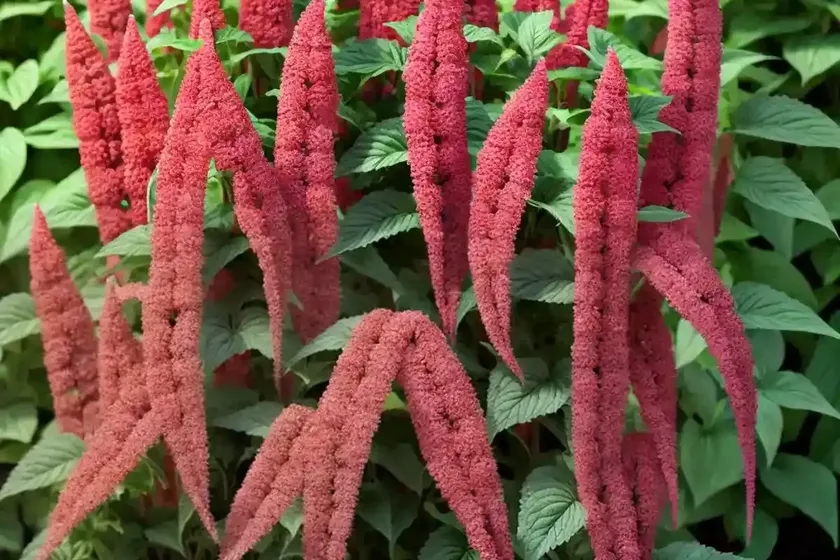
Livid amaranth, scientifically known as Amaranthus blitum, is a versatile plant that holds both cultural and culinary significance. This comprehensive guide provides insights into the cultivation, usage, and health benefits of livid amaranth, along with fascinating folklore and practical gardening tips.
Table of Contents
- What is Livid Amaranth?
- Key Takeaways
- Cultivation
- Water
- Sunlight
- Fertilizer
- Soil
- Pruning and Propagation
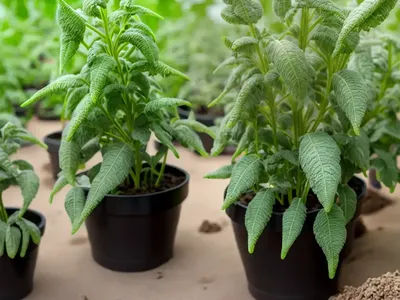
- Growth in Containers
- Popularity
- Common Diseases and Pests
- Botanist’s Tips
- Fun Facts
- Links to External Resources
What is Livid Amaranth?
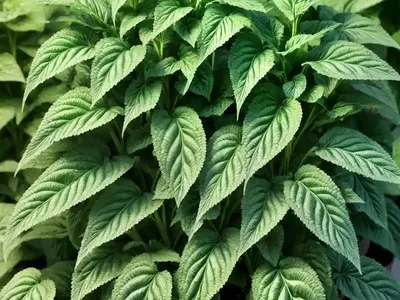
Livid amaranth, also known by its scientific name Amaranthus blitum, is a leafy green plant belonging to the amaranth family, Amaranthaceae. This annual herb has a long history of cultivation and usage in various parts of the world. Its vibrant leaves and potential health benefits make it a valuable addition to culinary and medicinal practices.
Key Takeaways
Livid amaranth, or Amaranthus blitum, offers a range of benefits and uses, ranging from its nutritional value to its versatile cultivation and culinary applications. Some of the key takeaways regarding this plant include:
– Amaranthus blitum benefits: Livid amaranth offers numerous health benefits, making it a valuable addition to the diet.
– Livid amaranth nutrition: The plant is rich in essential nutrients, including vitamins and minerals that support overall well-being.
– Health benefits of Amaranthus blitum: Its consumption is linked to various health benefits, such as immune system support and potential medicinal properties.
– Livid amaranth medicinal properties: Livid amaranth is reputed for its potential medicinal properties, contributing to its significance in traditional medicine.
– Amaranthus blitum uses: The plant has diverse uses, including culinary applications, natural remedies, and even cultural and spiritual symbolism.
– Livid amaranth gardening tips: Cultivating livid amaranth requires specific care and attention, which can be achieved through practical gardening tips and techniques.
Cultivation
Successful cultivation of livid amaranth relies on providing the plant with optimal growing conditions. This includes considerations for water, sunlight, fertilizer, and soil quality.
Water
Amaranthus blitum thrives in moist, well-drained soils. Proper irrigation is crucial to support healthy growth and prevent water-related stress. Adequate watering should be maintained consistently, especially during dry periods, to promote lush foliage and sustained development.
Sunlight
Livid amaranth flourishes in full sunlight, requiring approximately 6 to 8 hours of direct sun exposure daily. Adequate sunlight fosters robust leaf growth and is essential for the plant’s overall vigor. Ensuring that the plant receives ample sunlight contributes to optimum yield and quality.
Fertilizer
When cultivating livid amaranth, it is beneficial to provide a balanced fertilizer to support its nutrient requirements. A complete, well-balanced fertilizer with equal parts nitrogen, phosphorus, and potassium can enhance the plant’s growth and productivity.
Soil
Amaranthus blitum thrives in fertile, loamy soil with good drainage. The soil should be enriched with organic matter to promote healthy foliage and abundant leaf production. Adjusting the soil pH to a slightly acidic to neutral range can facilitate optimal nutrient uptake.
Pruning and Propagation
Pruning livid amaranth can encourage bushier growth and the development of fresh, tender leaves. Regularly snipping off the outer leaves can promote continuous leaf production and maintain the plant’s compact shape.
Propagation of Amaranthus blitum is primarily achieved through seed sowing. Direct sowing into the prepared garden bed or container in the early spring ensures successful establishment. Although livid amaranth is an annual plant, self-seeding can lead to volunteer growth in subsequent seasons.
Growth in Containers
Livid amaranth can be cultivated in containers, offering an adaptable option for urban or space-limited gardeners. The following considerations are crucial for successful container growth:
– Container: Choose a spacious container with adequate drainage holes to accommodate the plant’s root system and promote air circulation.
– Soil: Opt for well-draining potting mix rich in organic matter to support healthy growth and prevent waterlogging.
– Watering: Ensure consistent moisture levels by observing the plant’s water needs and preventing drought stress.
– Sunlight: Place the container in a sunny location to provide the plant with the necessary sunlight for robust growth.
Popularity
The popularity of Livid amaranth, or Amaranthus blitum, has been steadily increasing due to its nutritional value, potential health benefits, and versatile usage. It has garnered attention both in traditional culinary practices and modern dietary trends, contributing to its widespread appeal among health-conscious consumers and sustainable food enthusiasts.
Common Diseases and Pests
Despite its resilience, livid amaranth is susceptible to certain diseases and pests that can affect its growth and productivity. Understanding common issues and their prevention is essential for maintaining plant health and vitality.
Common Diseases
- Powdery mildew: A fungal disease that manifests as powdery white patches on the leaves, affecting overall plant vigor. Prevention involves ensuring proper air circulation and addressing any humidity-related issues.
- Leaf spot: Characterized by dark, irregular lesions on the foliage, this bacterial or fungal disease can be minimized by practicing good sanitation and avoiding overhead watering.
- Downy mildew: This disease causes yellowing and browning of affected areas, often appearing on the undersides of leaves. Maintaining dry foliage and providing proper ventilation can mitigate its spread.
Disease Diagnosis
Diagnosing potential diseases in livid amaranth involves careful observation of any abnormal symptoms and changes in the plant’s appearance. Early detection and prompt treatment are crucial for preventing the spread of diseases and minimizing their impact on plant health.
Common Pests
- Aphids: These small, sap-sucking insects can distort the plant’s growth and transmit viral diseases. Regular monitoring and natural predators can aid in controlling aphid infestations.
- Spider mites: These tiny arachnids feed on the plant’s sap, causing stippling and discoloration of the leaves. Maintaining adequate humidity levels and intervening with natural controls can help manage spider mite populations.
Botanist’s Tips
Experienced botanists and gardening enthusiasts recommend the following tips for cultivating and caring for livid amaranth:
– Start from quality seeds: Select high-quality amaranth seeds from reputable sources to ensure strong germination and healthy plant growth.
– Regular harvesting: Continuously harvest outer leaves to encourage the production of new growth and maintain tender, palatable foliage.
– Companion planting: Consider interplanting with compatible companions to enhance livid amaranth’s growth and deter pests.
Fun Facts
Let’s delve into some intriguing and delightful facts about livid amaranth:
– Symbolism: In various cultures, amaranth symbolizes immortality, longevity, and resilience, reflecting its enduring nature and historical significance.
– Culinary diversity: Livid amaranth is a versatile ingredient, featured in diverse cuisines and culinary traditions worldwide, showcasing its adaptability and universal appeal.
– Ancient uses: Its traditional use as a grain and leafy vegetable dates back centuries, underscoring the plant’s enduring value and cultural significance.
Links to External Resources
Explore additional resources and information about Livid Amaranth and Amaranthus blitum from reputable sources:
– Botanical illustrations and descriptions
– Culinary inspiration and recipes
– Medicinal properties and traditional uses
– Cultural significance and folklore
– Gardening tips and cultivation advice
In conclusion, Livid amaranth, or Amaranthus blitum, presents a compelling blend of nutritional value, versatility, and cultural significance, making it a captivating subject for plant enthusiasts and health-conscious individuals alike. Its rich history, potential health benefits, and practical cultivation tips underscore its enduring appeal and relevance in various contexts, from the garden to the kitchen and beyond. Whether appreciated for its vibrant foliage, culinary diversity, or potential medicinal properties, livid amaranth continues to captivate and inspire across diverse botanical, culinary, and cultural landscapes.