The Enchanting Azalea (Rhododendron ‘Coccinea Speciosa’)
In the world of horticulture, there are few plants as captivating as the azalea. With its vibrant blooms and delicate foliage, the azalea has captured the hearts of gardeners and nature enthusiasts for centuries. The azalea, scientifically known as Rhododendron, is a diverse and colorful genus of woody plants that are part of the Ericaceae family. Among the countless varieties and cultivars, one of the most beloved is the Rhododendron ‘Coccinea Speciosa’, which showcases stunning flowers and unique characteristics that set it apart. In this comprehensive guide, we will dive into the world of azaleas and explore the specific care, uses, propagation, and fascinating aspects of the Rhododendron ‘Coccinea Speciosa’.
What is an Azalea?
The Azalea is a type of flowering shrub that belongs to the genus Rhododendron. It is renowned for its magnificent and colorful blooms, which come in a wide range of hues such as red, pink, white, purple, and orange. The Azalea is native to several continents, including Asia, Europe, and North America, and it has become an integral part of gardens and landscapes across the world. Its popularity is largely attributable to its exquisite flowers, which often appear in clusters and can completely transform outdoor spaces with their beauty.
Rhododendron ‘Coccinea Speciosa’
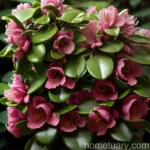
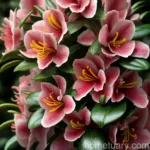
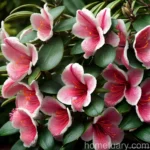
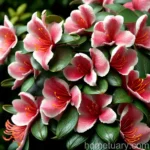
Among the many cultivars of Azalea, the Rhododendron ‘Coccinea Speciosa’ stands out as a particularly striking variety. With its vibrant orange-red flowers and glossy, dark green foliage, this azalea captivates attention and adds a burst of color to any garden. Its compact growth habit and abundant flowering make it a highly sought-after selection among horticulturists and gardening enthusiasts.
Key Takeaways – Azalea (Rhododendron ‘Coccinea Speciosa’)
Let’s delve into the key takeaways regarding the Azalea (Rhododendron ‘Coccinea Speciosa’), encompassing its culture, uses, care requirements, and fascinating aspects.
Culture
- Scientific Name: Rhododendron ‘Coccinea Speciosa’
- Common Name: Azalea
- Family: Ericaceae
- Type: Evergreen shrub
Uses
- Ornamental purposes
- Landscaping
- Potted plants
- Cut flowers for arrangements
Next, we will explore the specific care requirements to help you successfully cultivate and enjoy the beauty of Rhododendron ‘Coccinea Speciosa’.
Water
Azaleas, including the Rhododendron ‘Coccinea Speciosa’, have distinct water requirements that are crucial for their health and vitality. Adequate hydration is essential for these plants, especially during key growth stages and flowering periods.
- Watering Frequency: Regular watering, particularly during dry spells, is necessary to maintain soil moisture. However, it is important to prevent waterlogging, as Azaleas are susceptible to root rot in excessively moist conditions.
- Moisture Levels: Consistent soil moisture is essential, and mulching can help retain adequate moisture levels, particularly in warmer climates.
Sunlight
Proper sunlight is imperative for the growth and blooming of Azaleas. Understanding their sunlight preferences is pivotal for ensuring their vigor and profuse flowering.
- Sun Exposure: Partial shade to filtered sunlight is ideal for Azaleas, including the Rhododendron ‘Coccinea Speciosa’. They thrive in locations with dappled sunlight and protection from intense midday sun, especially in warmer regions.
- Light Conditions: Select locations with gentle morning sun and limited afternoon sun exposure to provide the optimal light conditions for these plants.
Fertilizer
Nutrient-rich soil is fundamental for Azaleas to thrive and produce abundant, vibrant blooms. Appropriate fertilization is crucial to support their growth and flowering capacity.
- Fertilizer Type: Acidic, slow-release fertilizers formulated for Azaleas and Rhododendrons are recommended. These specialized fertilizers provide the necessary nutrients while maintaining the acidic soil pH crucial for Azalea health.
- Application Timing: Fertilize Azaleas in early spring before new growth emerges and again after the flowering period to support their nutritional needs.
Soil
Azaleas, including the Rhododendron ‘Coccinea Speciosa’, thrive in well-draining, acidic soil that is rich in organic matter. Understanding and optimizing the soil conditions are pivotal for their overall health and vigor.
- Soil pH: Azaleas prefer acidic soil with a pH range of 5.0 to 6.0. Acidic soil conditions facilitate nutrient uptake and support the plants’ physiological processes.
- Soil Composition: A well-aerated, humus-rich soil blend with excellent drainage is essential. Incorporating organic matter such as peat moss and compost enhances soil quality and texture, promoting optimal growth conditions for Azaleas.
Pruning
Pruning is a valuable practice that contributes to the health, shape, and flowering performance of Azaleas. The Rhododendron ‘Coccinea Speciosa’ benefits from strategic pruning to maintain its form and encourage robust blooming.
- Pruning Time: Prune Azaleas after the flowering period to remove spent blooms and shape the shrub as needed. Avoid extensive pruning in late summer and fall, as this can interfere with the development of next year’s flower buds.
- Techniques: Utilize sharp, clean pruning shears to selectively trim and shape the plant. Focus on removing dead or diseased branches, promoting airflow within the shrub, and shaping it to the desired form.
Propagation
Multiplying Azaleas through propagation methods allows horticulturists and gardening enthusiasts to expand their collection and share these captivating plants with others.
- Propagation Techniques: Azaleas can be propagated through various methods, including:
- Cuttings: Utilize stem cuttings with a node or heel to foster new root growth and establish cloned plants.
- Air Layering: Encourage the development of roots on a stem section while it is still attached to the parent plant, resulting in a new, independent specimen.
- Seeds: Germinate Azalea seeds to generate new plants, although this method requires time and patience due to the slow growth rate of Azaleas from seeds.
Container Popularity
Growing Azaleas in containers offers flexibility and versatility, enabling enthusiasts to adorn patios, balconies, and outdoor living spaces with their captivating blooms and lush foliage.
- Container Size: Select spacious containers that provide ample room for root development and accommodate the mature size of the Rhododendron ‘Coccinea Speciosa’.
- Drainage: Ensure containers have adequate drainage holes to prevent waterlogging and maintain optimal soil moisture levels.
- Soil Medium: Utilize well-draining, acidic potting mixes tailored for Azaleas to create a conducive growing environment within containers.
Now, let’s explore additional details encompassing the unique aspects and specific care guidelines for Azaleas, particularly the Rhododendron ‘Coccinea Speciosa’.
Common Diseases
Azaleas are susceptible to several diseases that can impact their health and appearance if not identified and addressed promptly. Understanding these potential ailments is crucial for implementing preventive measures and treatments.
- Common Diseases:
- Powdery Mildew: Characterized by a powdery, white residue on foliage, powdery mildew can affect Azaleas and compromise their vigor. It often thrives in humid conditions and shaded areas.
- Leaf Spot: Circular or irregularly shaped spots on leaves, often accompanied by discoloration, signify leaf spot diseases. Proper sanitation and environmental management are key for preventing and managing these issues.
- Phytophthora Root Rot: Excessively wet soil can lead to Phytophthora root rot, a fungal disease that affects Azaleas’ root systems. Ensuring well-draining soil and proper watering practices is essential for mitigating this threat.
Disease Diagnosis
Effectively diagnosing and differentiating between various diseases enables timely intervention and targeted treatments to safeguard the health of Azaleas.
- Diagnostic Methods:
- Visual Inspection: Carefully observe foliage, stems, and the overall appearance of the plant to identify any abnormalities or signs of disease.
- Laboratory Analysis: In cases of uncertain diagnosis, submitting samples to diagnostic laboratories can provide accurate identification of pathogens or issues affecting the Azaleas.
Common Pests
In addition to diseases, Azaleas can fall victim to pests that may feed on their foliage, sap, or blooms, compromising their vitality and aesthetic appeal.
- Pest Threats:
- Azalea Lace Bug: Small, winged insects with transparent lace-like wings that feed on Azalea foliage, leading to discoloration and damage.
- Spider Mites: Microscopic arachnids that can infest Azalea plants, causing stippling and discoloration on leaves as they feed on plant sap.
Botanist’s Tips
Leveraging expert insights and proven strategies can elevate the care and cultivation of Azaleas, including the captivating Rhododendron ‘Coccinea Speciosa’.
- Tip 1: Regularly monitor soil moisture levels, ensuring adequate hydration without causing waterlogged conditions.
- Tip 2: Apply a layer of organic mulch around Azaleas to conserve soil moisture and regulate soil temperature while enriching the soil as it decomposes.
- Tip 3: Select companion plants that complement Azaleas and share similar cultural requirements, fostering a cohesive and visually appealing garden or landscape design.
- Tip 4: Maintain vigilance against potential pest and disease threats, promptly addressing any issues to prevent widespread infestations or damage.
- Tip 5: Incorporate Azaleas into mixed borders, woodland gardens, or shaded areas to capitalize on their ornamental value and contribute to diverse, vibrant plant displays.
Fun Facts
Discovering intriguing and enchanting facts about the Rhododendron ‘Coccinea Speciosa’ and Azaleas in general adds depth and fascination to the experience of cultivating these splendid plants.
- Fact 1: The Azalea is the state wildflower of Georgia, USA, symbolizing its significance and cultural prominence in the region.
- Fact 2: Azaleas belong to the same genus as Rhododendrons and share many botanical traits, including their preference for acidic soil and vibrant, showy blooms.
- Fact 3: Azaleas have a rich symbolism in various cultures, often representing love, abundance, and the arrival of spring due to their profuse flowering in that season.
Links to External Resources
Expanding your knowledge and accessing reliable resources is pivotal for honing your expertise and proficiency in caring for Azaleas, including the captivating Rhododendron ‘Coccinea Speciosa’. Below are valuable external resources to further augment your understanding and skills:
- American Rhododendron Society: A dedicated organization providing extensive information, guides, and resources for Rhododendron and Azalea enthusiasts.
- The Azalean: A publication focused on Azaleas, featuring articles, cultivation tips, and in-depth insights from experts and enthusiasts.
- Royal Horticultural Society – Azaleas: An informative resource detailing the cultivation, care, and varieties of Azaleas, offering valuable guidance for enthusiasts.
In conclusion, the Azalea (Rhododendron ‘Coccinea Speciosa’) stands as a captivating and revered plant, captivating enthusiasts with its vibrant blooms, elegant foliage, and unique cultural significance. By embracing the key takeaways and mastering the specific care guidelines, enthusiasts can cultivate and showcase the enchanting beauty of Rhododendron ‘Coccinea Speciosa’ while fostering a deeper appreciation for the remarkable world of Azaleas.
Keywords: Azalea plant care tips, Rhododendron varieties, Coccinea Speciosa Azalea, Best conditions for growing Azaleas, Rhododendron Coccinea Speciosa plant profile, How to grow Azalea plants, Azalea plant diseases and treatments, Caring for Rhododendron Coccinea Speciosa, Azalea flower gardening, Rhododendron Coccinea Speciosa pruning techniques, Azalea plant fertilizer requirements, Growing Azaleas in containers, Rhododendron Coccinea Speciosa bloom time, Beginner’s guide to Azalea gardening, Maintaining Rhododendron Coccinea Speciosa plants, Azalea plant landscape design ideas, Rhododendron Coccinea Speciosa pests and control, Azalea plant propagation methods, Choosing the perfect location for Azaleas, Rhododendron Coccinea Speciosa watering needs, Popular Azalea plant varieties, Attracting pollinators with Azalea flowers, Rhododendron Coccinea Speciosa winter care tips, Disease-resistant Azalea plant options, Companion plants for Azaleas, Rhododendron Coccinea Speciosa plant structure and growth habit, Pruning techniques for Azalea plants, Soil requirements for growing Azaleas, Rhododendron Coccinea Speciosa plant health benefits, Azalea container gardening tips, Rhododendron Coccinea Speciosa sun exposure preferences, Azalea plant landscape maintenance, Common problems with Rhododendron Coccinea Speciosa, Azalea plant color variations, Rhododendron Coccinea Speciosa plant origin and history, Azalea plant fertilizer selection guide, Planting Azaleas in different climates, Rhododendron Coccinea Speciosa as a border plant, Azalea plant mulching techniques, Rhododendron Coccinea Speciosa plant propagation tips, Azalea plant water drainage requirements, Increasing flower production in Azaleas, Rhododendron Coccinea Speciosa in the wild, Azalea plant leaf diseases and remedies, Rhododendron Coccinea Speciosa and pollinator interaction, Azalea plant companion planting guide, Pest-free Azalea plant care, Rhododendron Coccinea Speciosa plant lifespan, Using Azaleas for decorative purposes, Rhododendron Coccinea Speciosa in different garden styles