Viburnum x rhytidophylloides ‘Alleghany’: A Comprehensive Guide
Viburnum x rhytidophylloides ‘Alleghany’ is a beautiful and versatile plant that is popular among gardeners and landscapers. This hybrid viburnum is known for its attractive foliage, fragrant flowers, and hardy nature. In this comprehensive guide, we will explore the various aspects of viburnum x rhytidophylloides ‘Alleghany’, including its culture, uses, care requirements, common diseases, and more. Whether you are a seasoned gardener or a beginner, this guide will provide you with valuable insights into the world of viburnums and equip you with the knowledge to grow and care for these stunning plants effectively.
What is Viburnum x rhytidophylloides ‘Alleghany’?
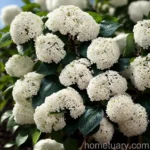
Viburnum x rhytidophylloides ‘Alleghany’ is a hybrid viburnum that is a cross between Viburnum rhytidophyllum and Viburnum lantana. It belongs to the Adoxaceae family and is prized for its ornamental features and versatility in landscaping. This cultivar is known for its dense, rounded form, glossy dark green leaves, and clusters of fragrant white flowers that bloom in spring. The flowers are followed by blue-black berries in the fall, adding seasonal interest to the plant.
The ‘Alleghany’ cultivar is valued for its tolerance of a wide range of growing conditions, making it suitable for various landscaping applications. Whether used as a focal point in a garden bed, a hedge or screen, or as part of a mixed border, Viburnum x rhytidophylloides ‘Alleghany’ brings year-round beauty and charm to outdoor spaces.
Key Takeaways – Viburnum x rhytidophylloides ‘Alleghany’
Before delving into the specifics of growing and caring for Viburnum x rhytidophylloides ‘Alleghany’, let’s highlight some key takeaways that capture the essence of this remarkable plant.
- Scientific Name: Viburnum x rhytidophylloides ‘Alleghany’
- Common Name: Alleghany viburnum
- Plant Type: Deciduous shrub
- Foliage: Glossy dark green leaves
- Flowers: Fragrant white clusters in spring
- Berries: Blue-black berries in fall
- Growth Habit: Dense, rounded form
- Uses: Hedge, screen, mixed border, specimen plant
- Hardiness Zone: 5-8
- Mature Height: 8-10 feet
- Mature Spread: 8-10 feet
- Soil Preferences: Well-drained, fertile soil
- Light Requirements: Full sun to part shade
- Watering Needs: Moderate
- Maintenance: Low to moderate
- Common Pests: Aphids, scale insects
- Common Diseases: Powdery mildew, leaf spot
- Landscape Uses: Versatile, adaptable, and multi-season interest
- Special Features: Fragrant flowers, attractive foliage, and seasonal berries
Now that we have a snapshot of the Alleghany viburnum’s key characteristics, let’s explore each aspect in more detail to gain a comprehensive understanding of its culture, uses, and care requirements.
Culture of Viburnum x rhytidophylloides ‘Alleghany’
Water
Proper watering is essential for the health and vitality of Viburnum x rhytidophylloides ‘Alleghany’. During the establishment phase, it is crucial to provide regular, deep watering to help the plant develop a strong and robust root system. Once established, the viburnum demonstrates good drought tolerance but will benefit from occasional deep watering during extended dry spells, especially in the absence of significant rainfall.
Unraveling the Alleghany Viburnum: Uses and Application
In addition to its ornamental value, the Viburnum x rhytidophylloides ‘Alleghany’ offers several practical and aesthetic uses in landscaping. Here are some of the common applications of this versatile shrub:
-
Hedge or Screen: The dense, upright growth habit of ‘Alleghany’ viburnum makes it well-suited for creating formal or informal hedges and screens. When planted in a row, the shrubs can be sheared to maintain a tidy and neat appearance, providing privacy and defining property boundaries.
-
Mixed Border: Whether used in conjunction with other flowering shrubs, perennials, or ornamental grasses, Viburnum x rhytidophylloides ‘Alleghany’ adds texture, structure, and seasonal interest to mixed borders and garden beds. It can serve as a backdrop for shorter plants or as a focal point when in bloom.
-
Specimen Plant: Due to its attractive foliage, fragrant flowers, and striking berries, ‘Alleghany’ viburnum can be showcased as a standalone specimen plant in the landscape. Planted in a prominent location, such as near an entrance or along a walkway, it becomes a focal point and draws attention throughout the year.
-
Wildlife Habitat: The berries produced by Viburnum x rhytidophylloides ‘Alleghany’ are a valuable food source for birds, attracting them to the garden. Additionally, the dense foliage provides shelter and nesting sites for birds, contributing to the overall biodiversity and ecological value of the landscape.
Sunlight
Viburnum x rhytidophylloides ‘Alleghany’ thrives in a location with full sun to part shade. While it can tolerate a range of light conditions, including partial shade, the plant typically produces the most abundant flowering and fruiting display when grown in a sunny location. When selecting a planting site, aim to provide the shrub with at least 6 hours of direct sunlight per day for optimal growth and performance.
Fertilizer
Like most landscape plants, Viburnum x rhytidophylloides ‘Alleghany’ benefits from periodic fertilization to support healthy growth and abundant flowering. A balanced, slow-release fertilizer formulated for shrubs and trees can be applied in early spring before the onset of new growth. Alternatively, you can use organic materials such as compost or well-rotted manure to enrich the soil and provide essential nutrients to the plant.
Soil
The Alleghany viburnum thrives in well-drained, fertile soil with a slightly acidic to neutral pH. It is adaptable to various soil types, including loamy, sandy, or clay soils, as long as they do not become waterlogged. Incorporating organic matter, such as compost or peat moss, into the planting area can help improve soil structure, fertility, and moisture retention, creating an optimal growing environment for the viburnum.
Pruning
Pruning is an essential aspect of viburnum care, as it helps maintain the plant’s shape, promote flowering, and remove any damaged or overgrown branches. Viburnum x rhytidophylloides ‘Alleghany’ is best pruned in late spring or early summer after the flowers have faded. During this time, you can selectively prune the shrub to control its size, shape, and density. Additionally, the removal of dead or diseased wood and any crossing or crowded branches contributes to the overall health and vigor of the plant.
Propagation
Viburnum x rhytidophylloides ‘Alleghany’ can be propagated through several methods, including:
-
Softwood Cuttings: Softwood cuttings taken in late spring or early summer from the current season’s growth can be rooted to produce new plants. The cuttings should be treated with a rooting hormone and placed in a well-draining potting mix to encourage the development of roots.
-
Hardwood Cuttings: Hardwood cuttings collected in late fall or winter from mature, dormant stems can also be used to propagate the shrub. These cuttings are typically longer and thicker than softwood cuttings and may require a longer period to root and establish.
-
Division: Mature viburnum shrubs can be divided through careful root division to create multiple plants. This method is best performed in early spring before new growth emerges, allowing the divided sections to establish and grow throughout the growing season.
Container Popularity
Gardeners and landscapers value Viburnum x rhytidophylloides ‘Alleghany’ for its adaptability to container growing. When planted in a large container with proper drainage holes and a high-quality potting mix, the viburnum adds ornamental interest to patios, decks, and outdoor living spaces. Container-grown ‘Alleghany’ viburnums can be strategically positioned to serve as focal points or accents, and they are often chosen for their ability to attract pollinators and wildlife to container gardens.
Common Diseases
Like many other plants, Viburnum x rhytidophylloides ‘Alleghany’ is susceptible to certain diseases, including powdery mildew and leaf spot. These fungal diseases can affect the foliage and overall health of the plant if not addressed promptly. Here’s a brief overview of these common diseases:
Powdery Mildew
Powdery mildew is a fungal disease that appears as a powdery, white coating on the leaves of affected plants. It thrives in humid conditions and can lead to reduced plant vigor and aesthetic decline. To manage powdery mildew, ensure proper air circulation around the viburnum, avoid overhead watering, and apply fungicidal sprays if necessary.
Leaf Spot
Leaf spot diseases, caused by various fungi, result in the formation of dark spots or lesions on the leaves of infected plants. These spots may coalesce, leading to premature leaf drop and reduced photosynthetic capacity. To minimize leaf spot diseases, practice good sanitation by removing and disposing of any affected foliage, and avoid overhead watering to reduce leaf wetness.
Disease Diagnosis
Diagnosing diseases in Viburnum x rhytidophylloides ‘Alleghany’ involves careful observation of the plant’s symptoms, including leaf discoloration, distortion, or abnormal growth. It is essential to differentiate between various diseases and environmental stress factors to implement the appropriate management strategies. In some cases, consulting with a local extension service or plant diagnostic laboratory can help identify the specific disease and guide targeted treatment measures.
Common Pests
In addition to diseases, Viburnum x rhytidophylloides ‘Alleghany’ may encounter pest issues, with aphids and scale insects being among the most common pests that affect the plant. Here’s an overview of these common pests and their management:
Aphids
Aphids are small, soft-bodied insects that cluster on the undersides of leaves and feed on plant sap, causing distortion and yellowing of the foliage. To control aphids, natural predators such as ladybugs and lacewings can be encouraged, and insecticidal soaps or horticultural oils may be applied as a targeted treatment.
Scale Insects
Scale insects, which come in various shapes and sizes, attach themselves to the stems and leaves of plants, where they feed and produce a waxy protective covering. Infestations can weaken the plant and lead to stunted growth. Pruning out heavily infested branches and applying horticultural oils can help manage scale insect populations.
Botanist’s Tips for Growing Viburnum x rhytidophylloides ‘Alleghany’
To ensure the successful cultivation of Viburnum x rhytidophylloides ‘Alleghany’ and enhance its performance in the landscape, consider the following botanist’s tips:
-
Planting Location: Choose a well-drained site with adequate sunlight and sufficient space for the shrub to reach its mature size without overcrowding or competition from nearby plants.
-
Soil Preparation: Improve the soil quality by incorporating organic matter and ensuring proper drainage to create an ideal growing environment for the viburnum.
-
Pruning Practices: Adopt a regular pruning schedule to maintain the desired shape and size of the shrub while promoting air circulation and light penetration within the canopy.
-
Monitoring for Pests and Diseases: Regularly inspect the plant for signs of pest infestations and disease development, intervening promptly to mitigate potential damage and preserve the plant’s health.
-
Seasonal Care: Adjust watering and fertilization practices according to the seasonal needs of the viburnum, providing supplemental care during periods of drought or nutrient deficiency.
-
Wildlife Support: Recognize the ecological role of the plant in supporting wildlife, and appreciate its contribution to biodiversity and habitat provision in the landscape.
Fun Facts about Viburnum x rhytidophylloides ‘Alleghany’
Now that we have covered the essential aspects of growing and caring for Viburnum x rhytidophylloides ‘Alleghany’, let’s delve into some fun and intriguing facts about this charming shrub:
-
Fragrant Flowers: The clusters of white flowers produced by ‘Alleghany’ viburnum emit a sweet, delicate fragrance, attracting pollinators and adding sensory appeal to the garden.
-
Seasonal Interest: In addition to its spring blooms, the shrub’s glossy foliage remains attractive throughout the growing season, and its blue-black berries provide visual interest in the fall and winter months.
-
Attracts Wildlife: The berries of Viburnum x rhytidophylloides ‘Alleghany’ are a favorite among birds, contributing to the plant’s role in supporting local avian populations and enhancing ecological diversity.
-
Adaptable Nature: The ‘Alleghany’ cultivar demonstrates notable adaptability to varying soil and light conditions, making it a versatile choice for a wide range of landscaping applications.
-
Historical Significance: The viburnum genus has a rich history, with certain species having been used for medicinal and cultural purposes by indigenous peoples and early settlers.
Links to External Resources
For additional information and resources related to Viburnum x rhytidophylloides ‘Alleghany’ and the broader topic of viburnum plants, consider exploring the following links:
-
The American Viburnum Society: A reputable organization dedicated to the study and promotion of viburnum species, offering valuable insights, publications, and resources for enthusiasts and professionals.
-
University Extension Publications on Viburnums: University extension services provide comprehensive guides and publications on growing viburnums, including specific cultivars and their care requirements.
-
Specialty Nurseries and Garden Centers: Explore specialty nurseries and garden centers known for their expertise in viburnums, where you can find a diverse selection of cultivars, including Viburnum x rhytidophylloides ‘Alleghany’.
-
Botanical Gardens and Arboretums: Visit botanical gardens and arboretums with extensive plant collections to discover and appreciate the beauty of viburnum species and gain inspiration for landscape design and plant combinations.
-
Plant Pathology and Entomology Resources (American Phytopathological Society): Access scientific resources and publications on plant diseases and pests to enhance your understanding of diagnosing and managing potential issues that may affect viburnum x rhytidophylloides ‘Alleghany’.
In conclusion, Viburnum x rhytidophylloides ‘Alleghany’ stands out as a versatile, attractive, and ecologically valuable plant that enriches gardens and landscapes with its ornamental features and practical uses. By understanding its culture, uses, care requirements, common diseases, and more, you can cultivate and appreciate this remarkable shrub while contributing to the overall beauty and functionality of outdoor spaces.
With proper attention to its needs and growing conditions, Viburnum x rhytidophylloides ‘Alleghany’ is sure to thrive and delight with its enduring charm throughout the seasons.
For further information about Viburnum x rhytidophylloides ‘Alleghany’ and other viburnum species, continue to explore reputable resources and engage with fellow enthusiasts to expand your knowledge and appreciation of these exceptional plants.