

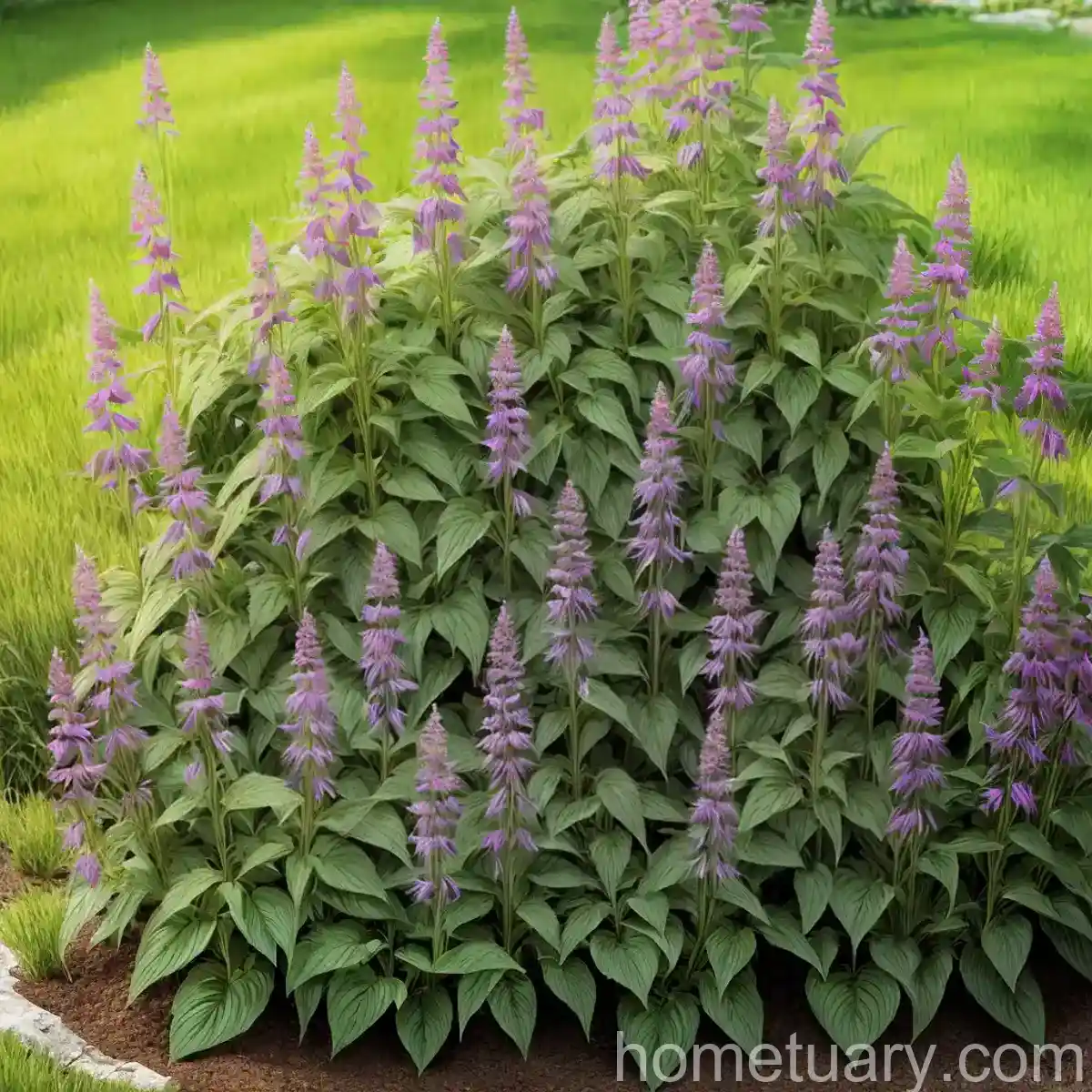
Culver’s Root (Veronicastrum Virginicum): A Comprehensive Guide
Introduction
Plants are an integral part of our environment, adding beauty, providing sustenance, and contributing to the ecological balance. There are numerous species of plants, each with its unique characteristics, uses, and requirements. In this blog post, we will delve into the intricacies of Culver’s Root, scientifically known as Veronicastrum Virginicum.
Culver’s Root is a fascinating perennial plant with a rich history of traditional uses, ecological significance, and ornamental value. By exploring its culture, uses, care requirements, and more, we’ll gain a deeper understanding of this remarkable plant.
What is Culver’s Root (Veronicastrum Virginicum)?
Culver’s Root, or Veronicastrum Virginicum, is a striking native North American perennial plant that belongs to the Plantaginaceae family. Known for its stately appearance and spiky inflorescences, Culver’s Root is a valued component of natural landscapes, gardens, and herbal medicine practices.
Key Takeaways
Before we delve into the details, let’s summarize some key takeaways about Culver’s Root:
- Scientific Name: Veronicastrum Virginicum
- Plant Type: Perennial
- Uses: Medicinal, ornamental, wildlife attraction
- Water: Moderate
- Sunlight: Full sun to partial shade
- Soil: Moist, well-drained
- Fertilizer: Balanced, organic fertilizer
- Pruning: Regular deadheading for prolonged blooming
- Propagation: By seeds or division
- Container Popularity: Suitable for large containers
- Common Diseases: Powdery mildew, leaf spot
- Common Pests: Aphids, spider mites
- Fun Facts: Attracts pollinators and beneficial insects, used in traditional herbal medicine
Now, let’s explore a comprehensive guide to Culver’s Root, covering its culture, uses, care, and maintenance requirements.
Culver’s Root Culture
Culver’s Root is a versatile plant that thrives in various environmental conditions. Understanding its cultural preferences is essential for successfully cultivating and enjoying this striking perennial.
Water
Proper watering is crucial for the health and vitality of Culver’s Root. This plant generally prefers moderate moisture levels, and while it can tolerate short periods of drought, consistent watering is essential for optimal growth and flowering.
- Cultural Requirement: Moderate water requirements.
- Watering Tips: Water deeply when the soil is dry to the touch, particularly during prolonged dry spells. Avoid waterlogging the soil to prevent root rot.
Sunlight
Culver’s Root exhibits remarkable adaptability to different light conditions, making it suitable for a variety of garden settings. Understanding its sunlight requirements is essential for providing an environment conducive to healthy growth and abundant blooming.
- Cultural Requirement: Full sun to partial shade.
- Sunlight Tips: Plant in full sun for best flowering results. In warmer climates, partial shade during the hottest part of the day can help prevent stress and maintain vibrant foliage.
Fertilizer
Appropriate fertilization promotes robust growth and enhances the overall vitality of Culver’s Root. By providing essential nutrients, the plant can reach its full potential and produce an abundance of beautiful flowers.
- Cultural Requirement: Balanced, organic fertilizer.
- Fertilization Tips: Apply a balanced, slow-release organic fertilizer in spring as new growth emerges. Avoid excessive nitrogen, as it may promote lush foliage at the expense of flowering.
Soil
The right soil conditions are essential for the well-being of Culver’s Root. Understanding its soil preferences allows for effective cultivation and ensures a thriving, healthy plant.
- Cultural Requirement: Moist, well-drained soil.
- Soil Tips: Plant in rich, loamy soil with good drainage. Mulching around the base of the plant helps retain moisture and suppress weeds.
Culver’s Root Uses
Culver’s Root boasts a diverse range of uses, including medicinal applications, ornamental value, and ecological significance. Understanding these uses offers a holistic perspective on the plant’s role and potential benefits.
Medicinal Uses
Historically, Culver’s Root has been valued for its medicinal properties. As a traditional herbal remedy, various parts of the plant have been utilized for their potential health benefits.
- Uses: Herbal medicine, natural remedies.
- Medicinal Properties: Culver’s Root has been used in traditional herbalism to promote digestive health and address occasional discomfort. It has also been employed as a natural insect repellent.
Ornamental Value
In addition to its medicinal uses, Culver’s Root is prized for its ornamental characteristics. Its tall, elegant flower spikes and attractive foliage make it a standout feature in gardens and landscapes.
- Uses: Ornamental gardens, cut flower arrangements, landscaping.
- Garden Design Ideas: Culver’s Root serves as a striking focal point in perennial borders and cottage gardens. Its cut flowers add a vertical element to floral arrangements.
Wildlife Attraction
Culver’s Root plays a vital role in supporting local ecosystems by attracting and nourishing a variety of wildlife, including pollinators and beneficial insects.
- Wildlife Attraction: Known for attracting pollinators such as bees, butterflies, and other beneficial insects.
- Ecological Significance: As a native plant, Culver’s Root contributes to the preservation of local biodiversity and the enhancement of natural habitats.
Plant Care
Effective plant care is essential for maintaining the health, vigor, and ornamental appeal of Culver’s Root. By addressing key aspects of care such as pruning, propagation, and disease management, enthusiasts can ensure the plant thrives in a garden or landscape setting.
Pruning
Pruning is an important aspect of Culver’s Root care, especially for promoting prolonged blooming and maintaining a tidy appearance.
- Pruning Technique: Regular deadheading of spent flower spikes encourages continuous blooming and prevents self-seeding.
- Seasonal Maintenance: Cut back the stems to ground level in late fall or early spring to rejuvenate the plant.
Propagation
Culver’s Root can be propagated through various methods, providing opportunities to expand its presence in a garden or share its beauty with others.
- Propagation Techniques: Culver’s Root can be propagated by seeds and division.
- Seed Collection: Collect seeds from mature flower spikes and sow them in a prepared seedbed in fall or spring.
Container Popularity
While Culver’s Root is commonly grown in garden borders and naturalistic settings, it also demonstrates potential for successful container cultivation, offering flexibility in design and placement.
- Container Gardening: Suitable for large containers or planters.
- Design Tips: Pair with complementary plants such as ornamental grasses and late-blooming perennials for an eye-catching display.
Common Diseases and Pests
Like all plants, Culver’s Root is susceptible to certain diseases and pests. Recognizing and effectively addressing these issues is crucial for maintaining plant health and vitality.
Common Diseases
Several common diseases may affect Culver’s Root, impacting its overall appearance and vigor.
- Disease: Powdery mildew, leaf spot.
- Management: Monitor for signs of disease and promptly address issues with appropriate measures such as improving air circulation and employing targeted treatments.
Common Pests
Pest infestations can detract from the beauty and health of Culver’s Root, making pest management an essential aspect of plant care.
- Pests: Aphids, spider mites.
- Control: Regularly inspect the plant for signs of pest activity and use methods such as insecticidal soap or neem oil to mitigate infestations.
Botanist’s Tips
For those captivated by the allure of Culver’s Root, several expert tips and insights can further enhance the experience of growing and appreciating this remarkable plant.
- Planting Companions: Pair Culver’s Root with plants such as coneflowers, asters, and bee balm to create visually engaging combinations.
- Pollinator Support: Cultivate Culver’s Root to attract and support pollinators, contributing to the health of local ecosystems.
- Ethnobotanical Use: Explore the historical and cultural significance of Culver’s Root, including its traditional uses and folklore.
Fun Facts
Uncovering intriguing and lesser-known facts about Culver’s Root adds depth to one’s appreciation for this remarkable plant.
- Wildlife Attraction: Culver’s Root serves as a vital resource for pollinators and beneficial insects, contributing to the vibrant ecology of its surroundings.
- Traditional Herbalism: The plant has a historical and cultural legacy in traditional herbal medicine, recognized for its potential health benefits and natural insect repellent properties.
Links to External Resources
For further exploration and information on Culver’s Root, the following external resources offer valuable insights and in-depth knowledge:
- USDA Plants Database
- Royal Horticultural Society – Culver’s Root
- Missouri Botanical Garden – Culver’s Root
- North Carolina State University Extension – Culver’s Root
- The Herb Society of America – Culver’s Root
Culver’s Root, with its rich history, commendable ornamental value, and ecological significance, stands as a testament to the captivating diversity of plant life. By embracing its culture, uses, care requirements, and the wealth of information surrounding it, enthusiasts and horticultural aficionados can gain a comprehensive understanding of this remarkable botanical treasure.
Conclusion
In conclusion, the allure of Culver’s Root lies not only in its striking appearance and ornamental value but also in its significance as a native plant and its historical role in herbal medicine. By exploring its cultural requirements, uses, care tips, and intriguing aspects, cultivating and appreciating Culver’s Root becomes an enriching and fulfilling experience.
Through a combination of gardening prowess, ecological consideration, and a touch of historical reverence, Culver’s Root continues to captivate and inspire plant enthusiasts, herbalists, and nature lovers alike. Its enduring presence in gardens, landscapes, and natural areas is a testament to the timeless appeal and ecological importance of this exceptional plant.




