Bird Cherry (Prunus Padus)
As a plant scientist, I am excited to delve into the intricate details of the Bird Cherry plant, scientifically known as Prunus padus. This fascinating.
As a plant scientist, I am excited to delve into the intricate details of the Bird Cherry plant, scientifically known as Prunus padus. This fascinating plant has a rich cultural significance, and its uses and benefits extend beyond its captivating appearance. Throughout this comprehensive guide, we will explore its characteristics, ecological importance, cultivation requirements, uses, folklore, symbolism, and much more.
What is the Bird Cherry (Prunus padus)?
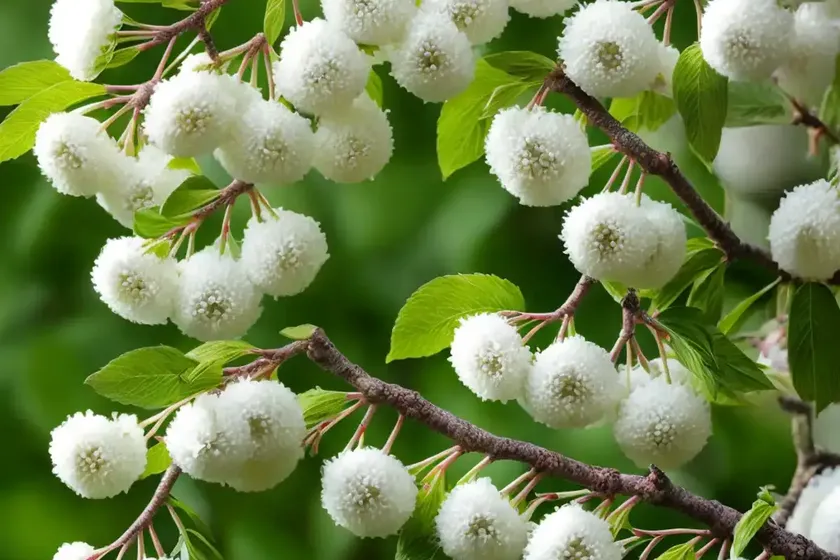
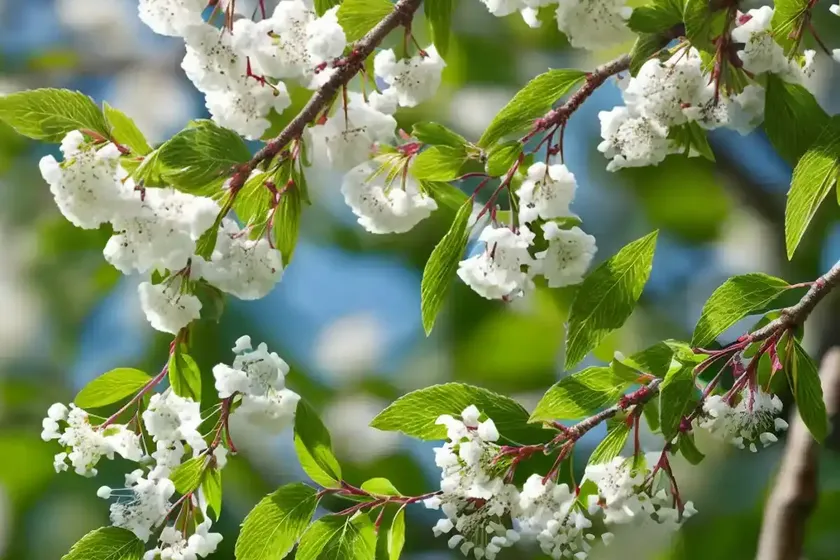
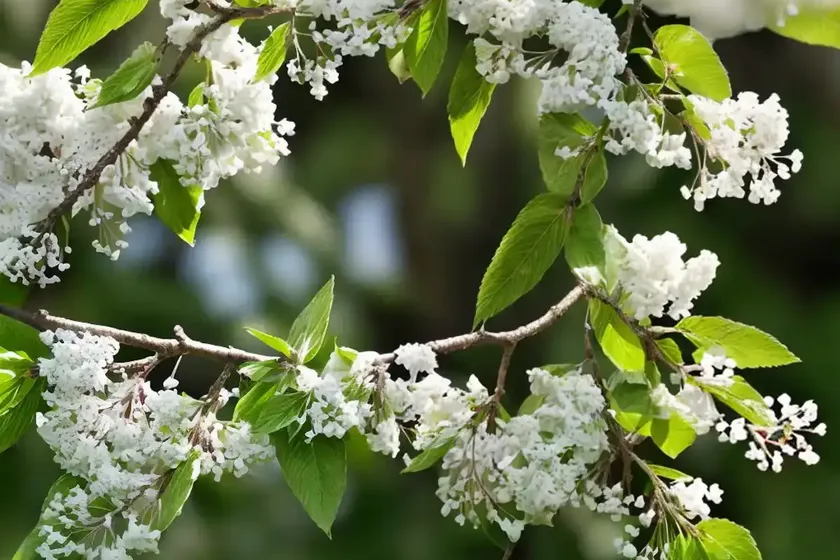
The Bird Cherry, or Prunus padus, is a species of deciduous tree belonging to the Rosaceae family. This plant is native to Europe and Western Asia and is known for its cluster of small white flowers, which emerge in early spring, creating a stunning display. The plant, which can grow up to 15–20 meters in height, produces small black fruits that are consumed by birds, hence the name “Bird Cherry.”
The leaves of the Bird Cherry are oblong and serrated, adding to the overall beauty of the tree. Prunus padus is widely cultivated for ornamental purposes and has also been used in traditional medicine due to its various medicinal properties.
Key Takeaways – Bird Cherry (Prunus padus)
Before we dive into the specifics, here are the key takeaways regarding the Bird Cherry plant (Prunus padus):
- Scientific Name: Prunus padus
- Common Name: Bird Cherry
- Family: Rosaceae
- Native Habitat: Europe and Western Asia
- Height: 15–20 meters
- Characteristics: Deciduous tree with clusters of small white flowers and small black fruits
- Uses: Ornamental, medicinal, wildlife benefits
- Cultural Significance: Folklore and symbolism
- Ecological Importance: Supporting wildlife and biodiversity
Now, let’s explore the various aspects of the Bird Cherry (Prunus padus) in more detail.
Culture
Uses
The Bird Cherry (Prunus padus) is cultivated for various purposes, as it offers several practical and aesthetic benefits. Its uses include:
- Ornamental Purposes: The tree is prized for its ornamental value, particularly its showy clusters of white flowers and black fruits. It is often planted in parks, gardens, and along streets for its aesthetic appeal.
- Wildlife Benefits: The small black fruits of the Bird Cherry serve as a valuable food source for various bird species. Additionally, its flowers provide nectar for pollinators, contributing to the overall ecological balance.
- Medicinal Properties: In traditional medicine, various parts of the Bird Cherry tree have been used for their medicinal properties. The bark and leaves, in particular, have been utilized in folk remedies for different ailments.
Water
The Bird Cherry tree is relatively adaptable to different soil moisture levels. However, it generally prefers moist, well-drained soil. During the establishment phase, adequate watering is essential to ensure healthy growth. Once established, the tree can tolerate periods of drought, but regular watering during dry spells is beneficial for optimal growth and fruit production.
Sunlight
The Bird Cherry thrives in full sun to partial shade. It is best planted in a location where it can receive several hours of direct sunlight each day. Adequate sunlight is crucial for the development of its foliage, flowers, and fruits.
Fertilizer
While the Bird Cherry is not particularly demanding in terms of fertilization, applying a balanced, slow-release fertilizer in early spring can promote healthy growth and flowering. Choose a fertilizer specifically formulated for flowering trees, and follow the manufacturer’s recommendations for application rates.
Soil
The Bird Cherry tree can adapt to various soil types, preferring well-draining, loamy soil with a slightly acidic to neutral pH. It can tolerate a range of soil textures, from sandy to clayey, but soil compaction should be avoided. Amending the soil with organic matter such as compost can improve its overall quality and drainage.
Pruning
Regular pruning is beneficial for maintaining the shape and health of the Bird Cherry tree. Pruning should be carried out during the dormant season to remove dead or diseased branches, promote airflow, and shape the tree as desired. Additionally, pruning can help manage the size of the tree and stimulate new growth.
Propagation
Propagation of the Bird Cherry (Prunus padus) can be achieved through various methods, including:
- Seed Propagation: Collect ripe seeds from the fruits and sow them in a seedbed or individual containers. Germination may take several months, and stratification (cold treatment) may enhance germination rates.
- Softwood Cuttings: Take softwood cuttings in early summer and root them in a well-draining propagation medium.
- Layering: Air layering or simple layering can also be used to propagate the Bird Cherry.
It’s important to note that seed-grown plants may take several years to reach maturity and start flowering, but they are more resilient and develop stronger root systems.
Container Popularity
While the Bird Cherry is typically grown in outdoor landscapes, it can also be cultivated in large containers on patios or in urban settings. When grown in containers, it is essential to select a spacious container with adequate drainage holes to accommodate the tree’s root system. Regular watering and fertilization are particularly important for container-grown Bird Cherry trees to support their growth and flowering.
Common Diseases
The Bird Cherry (Prunus padus) may be susceptible to certain diseases and pests that can impact its growth and overall health. Common diseases and their management strategies include:
- Brown Rot: This fungal disease can cause blossom blight, fruit rot, and twig cankers. To manage brown rot, maintain good airflow around the tree, prune out infected branches, and apply fungicidal sprays as directed.
- Leaf Spot: Leaf spot diseases, caused by various fungal pathogens, can lead to the development of dark spots on the leaves. To minimize leaf spot, avoid overhead watering, promote good air circulation, and remove and dispose of infected leaves.
Disease Diagnosis
When diagnosing diseases on the Bird Cherry tree, it is important to carefully inspect the foliage, fruits, and branches for any unusual symptoms. Common signs of diseases include wilting, unusual spots or discoloration on the leaves, abnormal growths, and premature leaf drop. If you suspect a disease, it is advisable to consult with a plant health specialist or extension agent for an accurate diagnosis and appropriate management recommendations.
Common Pests
In addition to diseases, the Bird Cherry may also be affected by various pests, including:
- Aphids: These small, soft-bodied insects can congregate on the undersides of leaves and excrete honeydew, leading to sooty mold growth. Insecticidal soaps or horticultural oils can be used to control aphid populations.
- Scale Insects: Scale insects can infest the stems and branches of the tree, causing yellowing of foliage and weakening of the plant. Pruning out heavily infested branches and applying horticultural oils can help manage scale infestations.
Regular monitoring of the tree for signs of pest activity and early intervention can help prevent significant damage and minimize the need for chemical controls.
Botanist’s Tips
As a plant scientist, I often emphasize the importance of understanding the local ecosystem and considering the ecological impact of plant choices. When cultivating the Bird Cherry or any plant species, it is crucial to consider the following tips:
- Native Plant Consideration: In areas where the Bird Cherry is native, its cultivation can support local wildlife and contribute to the preservation of native plant species. When selecting plants for landscaping, consider incorporating native species to maintain ecological balance.
- Integrated Pest Management: Emphasize cultural practices, natural predators, and biological controls to manage pest populations. Minimize the use of broad-spectrum insecticides to preserve beneficial insect populations and reduce environmental impact.
Fun Facts
To enrich your understanding of the Bird Cherry (Prunus padus), here are some intriguing fun facts about this captivating plant:
- The Bird Cherry is sometimes referred to as “hackberry,” although it is not related to the true hackberry tree species.
- In folklore, the Bird Cherry is associated with protection and warding off evil spirits, and its wood has been used to make talismans and charms.
- The fruit of the Bird Cherry is enjoyed by various bird species, including thrushes, blackbirds, and song thrushes, contributing to the dispersal of its seeds.
- Flowers of the Bird Cherry provide a valuable nectar source for early pollinators such as bees and butterflies, supporting biodiversity.
Links to External Resources
To further expand your knowledge of the Bird Cherry (Prunus padus) and related topics, I recommend exploring the following external resources:
- Royal Horticultural Society – Prunus padus
- Missouri Botanical Garden – Prunus padus
- University of Florida IFAS Extension – Bird Cherry (Prunus padus)
- USDA Forest Service – Bird Cherry (Prunus padus)
In conclusion, the Bird Cherry (Prunus padus) is a remarkable plant that offers a blend of ornamental, ecological, and cultural significance. Its cultivation and management require careful attention to its specific needs, and by incorporating this species into landscapes and gardens, we can contribute to the preservation of biodiversity and cultural heritage.
Remember to appreciate the intrinsic value of plant species and their role in sustaining the natural world. Whether through folklore, ecological contributions, or aesthetic appeal, the Bird Cherry stands as a testament to the profound interconnectedness of plants and the environments they inhabit.


