Common Walnut (Juglans Regia)
The Common Walnut, scientifically known as Juglans Regia, is a magnificent nut-bearing tree belonging to the Juglandaceae family. Commonly referred to as.
What is a Common Walnut (Juglans Regia)?
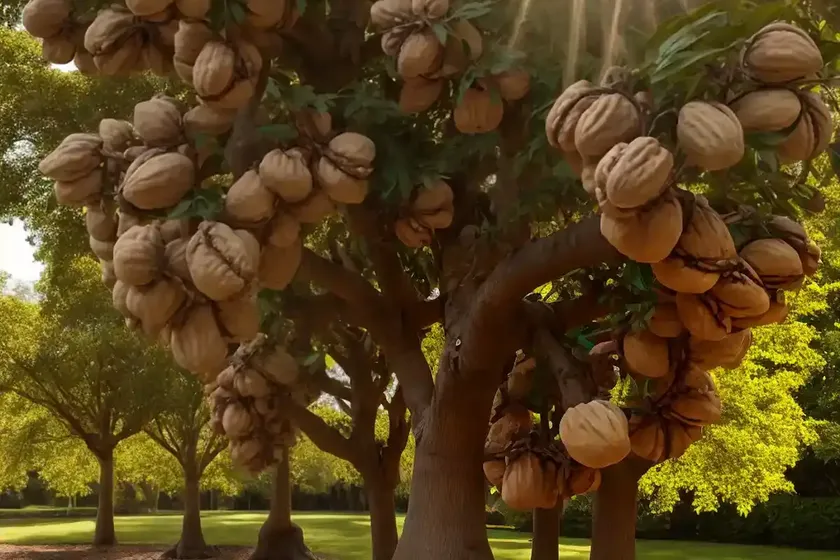
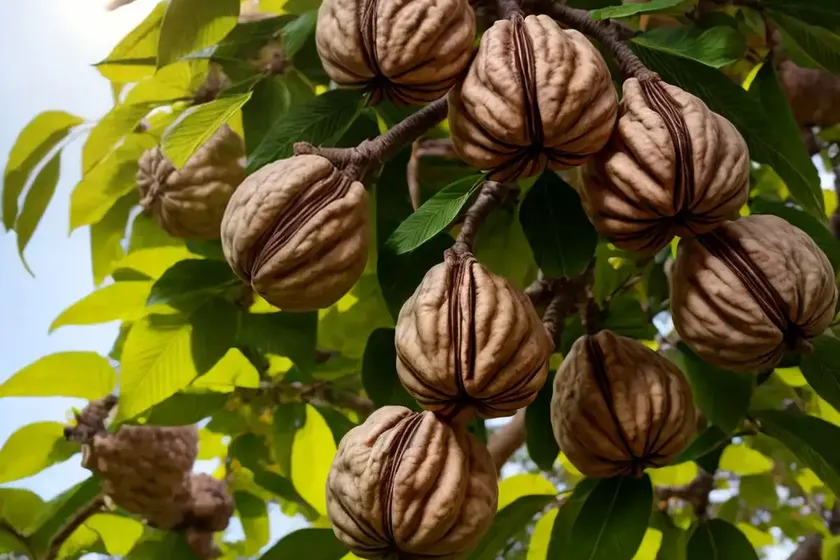
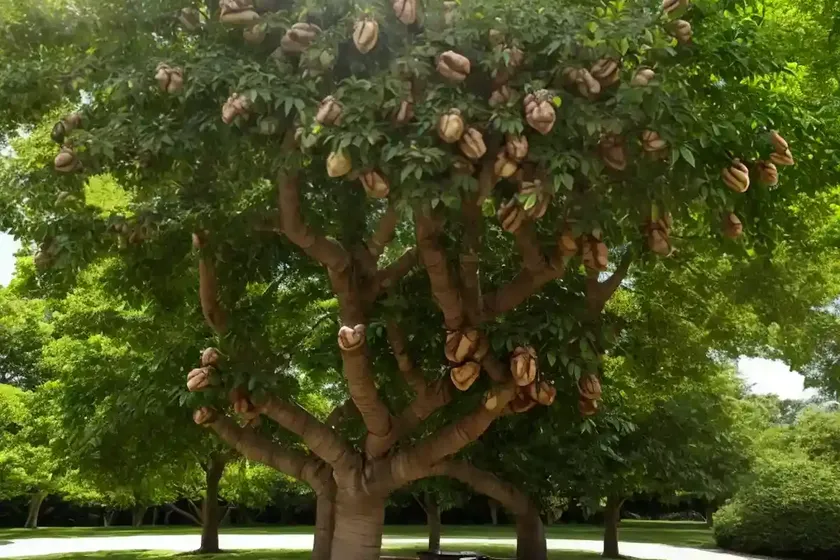
The Common Walnut, scientifically known as Juglans Regia, is a magnificent nut-bearing tree belonging to the Juglandaceae family. Commonly referred to as English walnut, this deciduous hardwood tree is revered for both its aesthetic appeal and the desirable nuts it produces. Known for its various uses and botanical significance, the Common Walnut is a quintessential tree in the world of tree cultivation and nut production.
As a plant scientist, it is fascinating to delve into the multifaceted aspects of the Common Walnut, from its cultivation and propagation to its culinary and medicinal uses. In this comprehensive guide, I will explore the culture, uses, and maintenance of the Common Walnut, along with its ecological significance and noteworthy properties.
Key Takeaways – Common Walnut (Juglans Regia)
Before delving deeper into the various aspects of the Common Walnut, here are the key takeaways regarding this remarkable tree:
1. Tree Type: Deciduous hardwood tree
2. Species: Juglans Regia
3. Family: Juglandaceae
4. Primary Product: Nut-bearing tree
5. Cultural Significance: Tree cultivation, nut production, and walnut timber
6. Botanical Importance: Widely grown for nut cultivation and timber production
7. Nutritional Value: Highly nutritious nuts with diverse culinary uses
8. Health Benefits: Rich in nutrients, antioxidants, and essential fatty acids
9. Propagation: Propagated through seeds and grafting techniques
10. Maintenance: Requires regular pruning, adequate sunlight, and appropriate water and soil conditions
Culture of Common Walnut
The culture of the Common Walnut encompasses various aspects, including its preferred growing conditions, suitable climate, and cultural practices for optimal nut production.
Water
- Irrigation: Common Walnuts thrive in well-drained soil but require regular watering, particularly during the hot and dry seasons. Adequate moisture is crucial for the development of healthy nuts and overall tree vigor.
- Watering Frequency: Mature walnut trees generally require deep watering once or twice a month, depending on the soil type and climatic conditions. Ensuring consistent moisture, especially during the growing season, promotes optimal nut production.
Sunlight
- Sun Requirements: Common Walnut trees flourish in full sun or partial shade, with at least 6-8 hours of direct sunlight daily. Adequate sunlight is essential for the tree’s photosynthetic processes and the development of quality nuts.
Fertilizer
- Nutrient Needs: While mature walnut trees are relatively low-maintenance, they benefit from annual fertilization to replenish essential nutrients in the soil. A balanced fertilizer, specifically formulated for nut trees, can be applied in early spring to support healthy growth and robust nut production.
Soil
- Soil Type: Common Walnuts prefer deep, loamy soil with good drainage. The soil should ideally be slightly acidic to neutral, with a pH range of 6.0-7.5. Well-drained soil prevents waterlogging, which can be detrimental to the tree’s root system.
- Soil Amendments: Organic matter such as compost or well-rotted manure can be incorporated into the soil to improve its structure and fertility. This enhances the soil’s ability to retain moisture and provides essential nutrients for the trees.
Uses of the Common Walnut
The multifaceted nature of Common Walnuts makes them valuable for various purposes, extending beyond their culinary applications. Here are the primary uses of the Common Walnut:
Culinary Uses
- Nut Consumption: The nuts of the Common Walnut are renowned for their rich, buttery flavor and nutritional value. They are commonly consumed as a snack, added to baked goods, or used as a key ingredient in diverse culinary creations.
- Walnut Oil: The oil extracted from Common Walnuts is widely used in cooking and as a flavorful addition to salads and dressings. It is valued for its distinct nutty taste and healthful properties.
Medicinal and Health Benefits
- Nutritional Value: Common Walnuts are a rich source of essential nutrients, including omega-3 fatty acids, antioxidants, and protein. Regular consumption of walnuts is associated with numerous health benefits, including improved heart health and cognitive function.
- Medicinal Uses: In traditional medicine, walnut extracts have been utilized for their potential benefits in managing various health conditions, including inflammation and oxidative stress.
Timber and Woodworking
- Walnut Timber: The hardwood derived from Common Walnut trees is highly prized for its rich color, durability, and workability. It is extensively utilized in fine woodworking, furniture production, and interior finishing due to its exquisite appearance and structural strength.
Agroforestry and Environment
- Agroforestry: Common Walnuts are often integrated into agroforestry systems, providing both economic and environmental benefits. They contribute to agroecosystem diversity and can serve as valuable windbreaks and shade trees in agricultural landscapes.
- Soil Conservation: The deep and extensive root system of walnut trees helps prevent soil erosion and contributes to soil stabilization, particularly on sloping terrain.
Pruning Common Walnut Trees
Proper pruning plays a pivotal role in maintaining the health and productivity of Common Walnut trees. Pruning is typically performed during the dormant season to shape the tree, remove dead or diseased branches, and encourage optimal fruiting.
Pruning Objectives
- Structural Maintenance: Pruning helps establish a strong and balanced tree structure, reducing the risk of limb breakage and enhancing overall tree vigor.
- Disease Management: Removal of diseased or infested branches can mitigate the spread of pathogens and pests within the tree.
- Fruiting Enhancement: Pruning can promote better air circulation and light penetration within the canopy, leading to improved nut production and quality.
Pruning Techniques
- Selective Pruning: Careful and selective removal of specific branches to maintain the tree’s natural form and promote healthy growth.
- Thinning: Thinning out crowded or crossing branches helps reduce competition within the canopy, allowing for better light distribution and air movement.
Considerations
- Dormant Pruning: It is advisable to conduct major pruning activities during the dormant season to minimize stress on the tree and optimize the healing of pruning wounds.
- Sanitization: Proper sanitation of pruning tools is essential to prevent the transmission of diseases between trees. Disinfecting tools between cuts and between trees helps minimize the risk of infection.
Propagation of Common Walnut
The propagation of Common Walnut trees can be achieved through various methods, including seed propagation and grafting techniques. Each approach has its distinct advantages and considerations.
Seed Propagation
- Seed Collection: Ripe walnuts can be collected from healthy parent trees for seed propagation. It is important to select viable, well-formed nuts for the best chances of successful germination.
- Stratification: Walnut seeds typically require stratification, a period of cold and damp conditions, to break dormancy and germinate effectively. This mimics the natural process of seed dispersal and ensures uniform germination when planted.
Grafting Techniques
- Scion Selection: Grafting involves joining a selected scion (desired cultivar) onto a compatible rootstock. This method allows for the propagation of specific walnut varieties with known characteristics.
- Grafting Success: Grafting is often preferred for propagating walnut varieties with desirable traits, such as improved nut size, flavor, or disease resistance. It also enables the rapid establishment of new trees with known attributes.
Considerations
- Rootstock Selection: The choice of rootstock can influence the growth characteristics, adaptability, and vigor of the resulting trees. Selecting appropriate rootstocks for grafting is crucial for the long-term success of the propagated trees.
- Propagation Scale: The propagation method chosen may depend on the scale of production, with seed propagation being more suitable for large-scale orchard establishment and grafting for targeted cultivar selection.
Common Walnut in Containers
While Common Walnut trees primarily thrive in open landscapes, they can also be cultivated in containers under suitable conditions. Container cultivation offers the flexibility to grow walnuts in smaller spaces, such as patios or urban settings.
Container Requirements
- Size and Depth: Choose spacious and deep containers to accommodate the extensive root system of the walnut tree. Adequate root space promotes healthy growth and minimizes the need for frequent repotting.
- Drainage: Ensure that the containers have sufficient drainage holes to prevent waterlogging, which can compromise the health of the tree.
Soil and Watering
- Potting Mix: Use a well-draining potting mix enriched with organic matter to provide essential nutrients and support root development.
- Watering Schedule: Container-grown walnuts may require more frequent watering than their counterparts in the ground, especially during warm weather. Monitor soil moisture and adjust watering as needed to maintain optimal conditions.
Sunlight and Temperature
- Sun Exposure: Place the containers in a location that receives ample sunlight, ideally 6-8 hours of direct sun per day. Adequate sunlight is crucial for the tree’s growth and nut production.
- Winter Protection: In regions with harsh winters, container-grown walnuts may benefit from additional protection, such as insulation or relocation to a sheltered area, to safeguard them from extreme cold temperatures.
Growth and Maintenance
- Pruning: Regular pruning may be necessary to manage the size and shape of container-grown walnuts, ensuring they remain proportionate to their growing environment.
- Fertilization: Periodic fertilization with a balanced, slow-release fertilizer can provide essential nutrients for sustained growth and fruiting.
Popularity of Common Walnut
The Common Walnut holds a prominent place in horticulture and agroforestry due to its widespread cultivation, economic importance, and cultural significance. Its popularity is evident in various domains, spanning culinary traditions, timber production, and ecological integration.
Culinary Appeal
- Global Cuisine: Common Walnuts are cherished in diverse culinary traditions, featuring prominently in salads, baked goods, confections, and savory dishes. Their rich, earthy flavor and nutritional value contribute to their enduring popularity in gastronomy.
Nutritional Value
- Superfood Status: Walnuts are celebrated as a superfood, prized for their rich array of nutrients, including omega-3 fatty acids, antioxidants, and plant-based protein. Their healthful properties have underscored their popularity as a dietary staple.
Timber Industry
- Fine Woodworking: The hardwood derived from Common Walnuts is revered by artisans and woodworkers for its exquisite color, grain patterns, and workability. The popularity of walnut timber extends to furniture crafting, cabinetry, and decorative woodworking applications.
Agroforestry Integration
- Economic Significance: The economic value of walnut orchards and plantations contributes to the widespread popularity of Common Walnuts in the agricultural sector. Their integration into agroforestry systems adds ecological diversity and economic resilience to agricultural landscapes.
Common Diseases of Common Walnut
Like all cultivated plants, Common Walnut trees are susceptible to a range of diseases that can affect their health and productivity. Understanding common walnut diseases and their management is essential for maintaining thriving orchards and sustainable walnut production.
Disease Diagnosis
- Fungal Diseases: Walnut trees are vulnerable to various fungal pathogens, including Phytophthora root rot and Thousand Cankers Disease. Symptoms such as leaf spotting, wilting, and dieback may indicate the presence of fungal infections.
- Bacterial Infections: Diseases like Bacterial Blight can cause leaf lesions and overall decline in tree health. Proper diagnosis by identifying characteristic symptoms is crucial for implementing effective disease management strategies.
Disease Management
- Cultural Practices: Implementing good cultural practices, such as proper irrigation, soil drainage, and air circulation, can help reduce the risk of fungal and bacterial infections.
- Pathogen Control: Some diseases may require targeted fungicidal or bactericidal treatments to mitigate their impact on walnut trees. Regular monitoring and early intervention are key to preventing disease spread within the orchard.
Integrated Pest and Disease Management
- Biological Control: Beneficial microorganisms and natural predators can contribute to the control of disease-causing pathogens and pests, fostering a balanced orchard ecosystem.
- Resistant Varieties: Selecting disease-resistant walnut varieties can offer built-in protection against specific pathogens, reducing the need for chemical interventions.
Common Pests Affecting Common Walnut Trees
In addition to diseases, Common Walnut trees can face challenges from various pests that may impact their growth and yield. Identifying and mitigating common walnut tree pests is vital for sustaining healthy orchards and ensuring optimal nut production.
Insect Pests
- Walnut Husk Fly: The walnut husk fly can cause damage to developing walnuts, leading to premature nut drop and reduced quality of harvested nuts. Monitoring fly populations and implementing control measures are essential for managing this pest.
- Walnut Blister Mite: These microscopic pests can cause unsightly blistering on walnut leaves, affecting the tree’s photosynthetic capacity. Miticides and cultural practices can be employed to reduce mite populations and minimize damage.
Rodent and Mammal Pests
- Squirrels and Deer: These animals can be voracious consumers of walnut crops, posing a considerable threat to nut production. Fencing and deterrents can help protect orchards from wildlife damage, preserving the harvest for human consumption.
Integrated Pest Management
- Monitoring and Thresholds: Regular monitoring of pest populations and damage levels allows for timely intervention when pest populations reach damaging levels. Setting action thresholds helps guide pest management decisions.
- Natural Predators: Encouraging the presence of natural predators and beneficial insects can contribute to the biological control of pest populations, reducing the reliance on chemical interventions.
Botanist’s Tips for Successful Walnut Cultivation
As a plant scientist deeply invested in the cultivation and preservation of Common Walnut trees, I offer the following tips for successful walnut cultivation:
- Site Selection: Choose well-drained sites with adequate sunlight for planting walnut trees, ensuring the availability of suitable growing conditions for optimal growth and nut production.
- Soil Preparation: Prior to planting, prepare the soil by incorporating organic matter and ensuring proper pH levels to support the establishment and vigor of walnut trees.
- Pruning Practices: Implement regular pruning to maintain tree structure, manage disease susceptibility, and promote robust nut production.
- Integrated Pest and Disease Management: Adopt an integrated approach to pest and disease management, incorporating cultural, biological, and, if necessary, chemical control strategies to preserve tree health.
- Nutrient Management: Monitor soil fertility and provide appropriate fertilization to support the nutritional needs of walnut trees and enhance nut quality.
- Harvesting Best Practices: Implement timely and efficient harvesting practices to ensure the preservation of nut quality and the overall sustainability of walnut orchards.
Fun Facts About Common Walnuts
To conclude this exploration of the Common Walnut, here are some fascinating and lesser-known facts about these remarkable trees:
- Mythological Roots: Common Walnuts have a rich symbolic and mythological significance, often associated with wisdom, fertility, and divine inspiration in various cultural traditions.
- Deciduous Beauty: Common Walnut trees exhibit stunning autumn foliage, with vibrant hues ranging from golden yellow to rich amber, adding to their ornamental appeal.
- Longevity: With proper care and maintenance, Common Walnut trees can live for several decades, bearing witness to generational shifts and historical periods.
- Nutrient-Rich Shells: While the focus is often on the edible nut kernels, the shells of Common Walnuts can be utilized in diverse applications, including abrasive cleaning products and added to compost.
Links to External Resources
For further insights and information on Common Walnut cultivation, diseases, and their diverse uses, I recommend exploring the following key resources:
-
“Tree Cultivation and Nut Production” by the University of California Agriculture and Natural Resources.
-
“Diseases of Nut Trees” from the University of California Statewide Integrated Pest Management Program.
-
“The Culinary Uses of Common Walnuts” by The Spruce Eats.
-
“Health Benefits of Walnuts” from the Harvard T.H. Chan School of Public Health.
-
“The Art of Woodworking with Walnut Timber” by Woodworkers Source.
-
“Agroforestry Practices and Integration of Walnut Trees” from the National Agroforestry Center.
These resources offer valuable insights, best practices, and scientific perspectives on various aspects of Common Walnut cultivation, enhancing your understanding and appreciation of these exceptional trees.
In conclusion, the Common Walnut (Juglans Regia) stands as an icon of horticulture, sustainability, and culinary excellence, embodying the intersection of tradition and innovation. From its cultural significance to its ecological contributions and culinary versatility, the Common Walnut continues to captivate and inspire both enthusiasts and professionals in the realm of horticulture and forest management. Embracing the wealth of knowledge and practices surrounding the cultivation and utilization of Common Walnut trees ensures the preservation of this natural treasure for generations to come.
Note: The information provided in this article is intended for educational and informational purposes only. Individual cultivation practices and pest management strategies may vary based on specific regional conditions and farming systems. Always consult with local agricultural extension services and horticultural experts for tailored recommendations and guidance.


