Yew Plum Pine (Podocarpus Macrophyllus)
Plants play a vital role in the ecological balance of our planet. They provide oxygen, food, and shelter for a diverse range of organisms, including.

Introduction
Plants play a vital role in the ecological balance of our planet. They provide oxygen, food, and shelter for a diverse range of organisms, including humans. In this comprehensive guide, we will delve into the fascinating world of the yew plum pine (Podocarpus macrophyllus), a species that has captured the interest of plant enthusiasts and horticulturists alike.
What is the Yew Plum Pine (Podocarpus macrophyllus)?
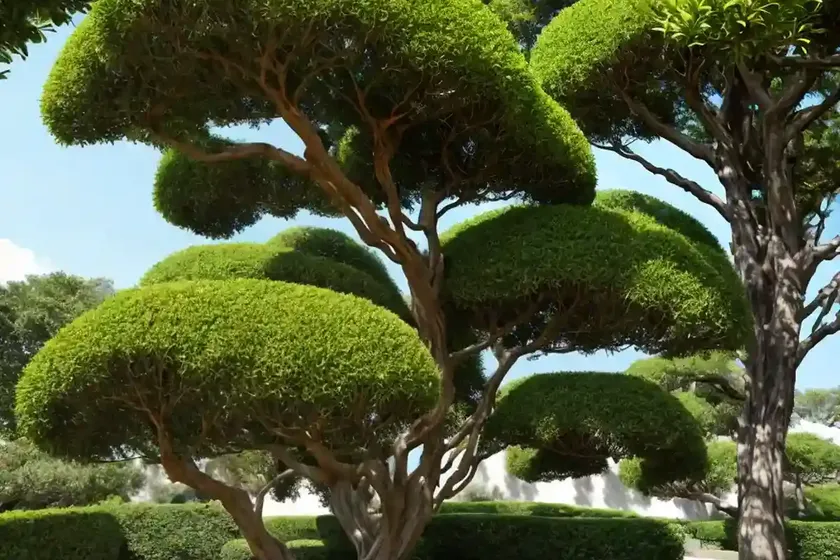
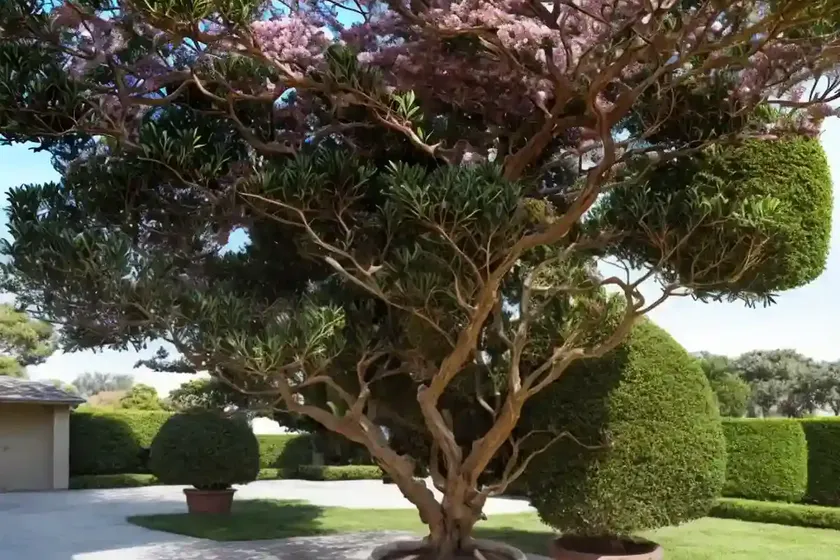
Yew plum pine, scientifically known as Podocarpus macrophyllus, is an evergreen coniferous tree native to East Asia, particularly China and Japan. This species belongs to the Podocarpaceae family and is characterized by its glossy, leathery foliage and symmetrical growth habit. The yew plum pine is a popular choice for landscaping and horticultural purposes due to its ornamental appeal and relatively low maintenance requirements.
Key Takeaways
Before we delve deeper into the intricacies of yew plum pine care and cultivation, let’s take a moment to outline the key takeaways associated with this remarkable plant:
- Cultivation: Understanding the optimal conditions for growing Podocarpus macrophyllus
- Care Guide: A comprehensive guide to caring for the yew plum pine
- Growing Podocarpus macrophyllus: Insights into the growth habits and requirements of this species
- Plant Profile: A detailed profile outlining the characteristics of the yew plum pine
- Soil Preferences: Discovering the best soil for Podocarpus macrophyllus
- Watering Tips: Essential tips for watering and maintaining appropriate soil moisture
- Pruning Techniques: Techniques for shaping and maintaining the yew plum pine’s appearance
- Propagation Methods: Insights into propagating Podocarpus macrophyllus and expanding its presence
- Diseases and Pests: Understanding common diseases and pests that affect this species
- Landscape Uses: Exploring the various landscape applications of the yew plum pine
- Medicinal Benefits: Unveiling the medicinal and herbal uses of Podocarpus macrophyllus
- Container Gardening: Tips for cultivating yew plum pine in containers
Now, let’s embark on a comprehensive journey through the world of yew plum pine, covering every aspect from its ideal growing conditions to its ecological significance.
Culture
Understanding the cultural requirements of the yew plum pine is essential for successfully cultivating and maintaining this species. From its preferences for light and water to its ideal soil conditions, every aspect of the plant’s culture contributes to its overall health and vitality.
Uses
The yew plum pine is a versatile species with a range of uses that make it highly valuable in various settings. Here are some of the primary uses of Podocarpus macrophyllus:
- Landscape Ornamental: Yew plum pine serves as an attractive ornamental plant, adding visual interest to gardens, parks, and public spaces.
- Privacy Screen: Its dense foliage and columnar growth habit make it well-suited for creating privacy screens and hedges.
- Bonsai Cultivation: Podocarpus macrophyllus is popular among bonsai enthusiasts due to its adaptable nature and aesthetic appeal.
- Indoor Plant: With appropriate care, the yew plum pine can thrive as an indoor plant, bringing a touch of nature to interior spaces.
- Medicinal Uses: In traditional medicine, certain parts of the yew plum pine are utilized for their medicinal properties, offering potential health benefits.
- Wildlife Habitat: This species provides habitat and food for various wildlife, contributing to biodiversity in natural ecosystems.
Water
Proper watering is crucial for the health and growth of yew plum pine. Understanding the specific water requirements of this species is essential to prevent issues such as water stress or root rot.
Watering Tips
- Frequency: Yew plum pine prefers a consistently moist soil. While it is important to avoid waterlogging, allowing the soil to dry out completely between watering sessions should be avoided.
- Soil Moisture: Regularly check the moisture level of the soil, especially during the warmer months, to ensure that the plant’s water needs are met.
- Rainfall Considerations: During periods of extended drought or reduced rainfall, supplemental watering may be necessary to maintain adequate soil moisture levels.
Sunlight
The yew plum pine exhibits particular preferences when it comes to sunlight exposure. Understanding these preferences is crucial for providing optimal growing conditions.
Sun Exposure Preferences
- Light Conditions: Yew plum pine thrives in partial shade to full sun. While it can tolerate some direct sunlight, providing dappled shade can be beneficial, especially in regions with intense sunlight.
Fertilizer
Fertilization plays a vital role in providing essential nutrients to yew plum pine, promoting healthy growth and vigor.
Fertilizer Needs
- Nutrient Requirements: Yew plum pine benefits from a balanced fertilizer, typically with a higher nitrogen content to support lush foliage growth.
- Application Frequency: Apply fertilizer in the early spring and late summer to provide the plant with the necessary nutrients for active growth periods.
- Avoid Excess: Over-fertilization can lead to excessive foliage growth at the expense of overall plant health, so it is essential to adhere to recommended application rates.
Soil
The soil composition and pH level significantly impact the overall health and development of the yew plum pine. Understanding the ideal soil conditions for Podocarpus macrophyllus is crucial for successful cultivation.
Best Soil for Podocarpus macrophyllus
- Well-Draining: Yew plum pine thrives in well-draining soil to prevent waterlogging and root rot.
- Acidic to Neutral pH: The ideal soil pH for Podocarpus macrophyllus ranges from slightly acidic to neutral (pH 5.5 to 7.0), allowing for optimal nutrient uptake.
- Organic Matter: Incorporating organic matter into the soil can enhance its fertility and structure, providing an ideal growing medium for the yew plum pine.
Pruning
Pruning is an essential aspect of maintaining the desired shape and size of yew plum pine, as well as promoting overall plant health.
Pruning Techniques
- Shape Maintenance: Regular pruning helps maintain the plant’s desired shape, especially for formal hedges and topiaries.
- Deadwood Removal: Periodic removal of dead or diseased branches is essential to prevent the spread of diseases and enhance the plant’s appearance.
- Timing: Prune yew plum pine in early spring before new growth emerges to encourage vigorous regrowth and maintain the plant’s overall form.
Propagation
Understanding the methods of propagating Podocarpus macrophyllus provides opportunities for expanding its presence and cultivating new plants.
Propagation Methods
- Seeds: Propagation from seeds is possible, but it requires patience as yew plum pine seeds may take several months to germinate.
- Cuttings: Propagation from stem cuttings offers a more reliable and faster method for producing new plants, particularly when using semi-hardwood cuttings taken during the growing season.
- Propagation Environment: Maintain consistent moisture and warmth during the propagation process to promote successful rooting and establishment of new plants.
Container Popularity
The yew plum pine’s adaptability to container cultivation has contributed to its popularity among horticulturists and garden enthusiasts. The ability to thrive in containers opens up opportunities for various horticultural applications.
Container Gardening
- Selection of Container: Choose a spacious and well-draining container to provide ample room for root development and prevent waterlogging.
- Soil Requirements: Utilize a high-quality potting mix with a balanced blend of organic matter to ensure adequate nutrient availability and moisture retention.
- Maintenance: Regular monitoring of soil moisture and proper watering are essential for container-grown yew plum pine to prevent stress and promote healthy growth.
Common Diseases
Yew plum pine is susceptible to certain diseases, and understanding the symptoms and effective management strategies is crucial for maintaining plant health.
Disease Prevention
- Fungal Diseases: Keep the foliage dry and ensure proper air circulation to prevent common fungal infections such as powdery mildew and leaf spot.
- Sanitation: Prune diseased branches and maintain a clean planting area to minimize the spread of diseases within the yew plum pine population.
- Prompt Treatment: Upon detecting any signs of disease, implement appropriate fungicidal treatments or cultural practices to prevent further spread and support plant recovery.
Common Pests
Several pests can pose a threat to the health and vitality of yew plum pine, and early detection and intervention are essential for effective pest management.
Pest Control
- Scale Insects: Regularly inspect the foliage and stems for signs of scale insect infestations, such as honeydew or sooty mold, and implement appropriate control measures.
- Spider Mites: Maintain adequate humidity levels and employ natural predators, such as predatory mites, to manage spider mite populations without relying on chemical interventions.
- Vigilant Monitoring: Regular monitoring and prompt intervention can prevent pest infestations from causing significant damage to the yew plum pine.
Botanist’s Tips
As a plant scientist with a keen interest in Podocarpus macrophyllus, I have compiled a set of valuable tips for cultivating and caring for yew plum pine based on my expertise and observations:
- Understanding Microclimates: Consider the specific microclimatic conditions within your garden or landscape to provide tailored care for yew plum pine based on its sun exposure and moisture requirements.
- Integrated Pest Management: Embrace an integrated approach to pest management, incorporating biological controls, cultural practices, and minimal chemical intervention to maintain a healthy balance within the ecosystem.
- Seasonal Care Considerations: Tailor your care practices in response to seasonal variations, such as adjusting watering frequency and timing of fertilizer application to align with the plant’s growth cycles.
Fun Facts
To offer a delightful glimpse into the intriguing nature of the yew plum pine, here are some fun and fascinating facts about Podocarpus macrophyllus:
- Longevity: Yew plum pines can live for several centuries, with some specimens surpassing 1,000 years of age.
- Bonsai Tradition: In various Asian cultures, the art of cultivating Podocarpus macrophyllus as bonsai has been treasured for centuries, reflecting its enduring appeal and adaptability to artistic expression.
- Symbolism: In Japanese tradition, the yew plum pine is regarded as a symbol of longevity and perseverance due to its enduring nature and stoic presence in the landscape.
- Wildlife Support: Yew plum pines provide valuable habitat and food for numerous bird species and small mammals, contributing to the ecological tapestry of diverse ecosystems.
Links to External Resources
For those seeking additional insights and information on yew plum pine (Podocarpus macrophyllus) and related topics, the following external resources offer valuable perspectives and guidance:
- The American Conifer Society: An organization dedicated to the appreciation and conservation of conifers, providing resources on various conifer species, including Podocarpus macrophyllus.
- Royal Horticultural Society: A renowned authority on horticulture, offering plant care advice, gardening resources, and botanical knowledge that encompasses yew plum pine and other ornamental plants.
- University Extension Services: Many university extension programs provide insightful articles, publications, and educational materials on plant care, diseases, and pest management for yew plum pine and related species.
Conclusion
In conclusion, the yew plum pine (Podocarpus macrophyllus) stands as a captivating and versatile species that enriches landscapes, provides habitat for wildlife, and offers potential health benefits through its traditional medicinal uses. By gaining a comprehensive understanding of its cultivation, care requirements, and ecological significance, enthusiasts and horticulturists can foster a deeper appreciation for this remarkable plant and contribute to its preservation for generations to come. Whether adorning a traditional garden, serving as a cherished bonsai specimen, or adding greenery to interior spaces, the yew plum pine continues to inspire and captivate individuals with its enduring beauty and resilience.
As we continue to explore the diverse botanical wonders of our world, let us embrace the wisdom and beauty that plants such as Podocarpus macrophyllus offer, fostering a deeper connection with nature and enhancing the tapestry of our shared environment.
Keywords: Podocarpus macrophyllus cultivation, Yew plum pine care guide, Growing Podocarpus macrophyllus, Podocarpus macrophyllus plant profile, Yew plum pine characteristics, Best soil for Podocarpus macrophyllus, Podocarpus macrophyllus watering tips, Yew plum pine pruning techniques, How to propagate Podocarpus macrophyllus, Podocarpus macrophyllus diseases and pests, Podocarpus macrophyllus varieties, Yew plum pine landscape uses, Podocarpus macrophyllus for screens and hedges, Yew plum pine decorative uses, Podocarpus macrophyllus in traditional medicine, Podocarpus macrophyllus as a bonsai plant, Yew plum pine as an indoor plant, Podocarpus macrophyllus for wildlife habitats, Yew plum pine companion plants, Podocarpus macrophyllus in Asian gardens, Yew plum pine common problems, Podocarpus macrophyllus flowering season, Yew plum pine climate requirements, Podocarpus macrophyllus leaf morphology, Yew plum pine tree shape and size, Podocarpus macrophyllus evergreen properties, Yew plum pine medicinal benefits, Podocarpus macrophyllus herbal uses, Yew plum pine culinary applications, Podocarpus macrophyllus timber properties, Yew plum pine wood uses, Podocarpus macrophyllus landscape design ideas, Yew plum pine container gardening, Podocarpus macrophyllus topiary forms, Yew plum pine ornamental characteristics, Podocarpus macrophyllus seasonal care, Yew plum pine growth rate, Podocarpus macrophyllus mature height and spread, Yew plum pine cold hardiness, Podocarpus macrophyllus leaf arrangement, Yew plum pine root system, Podocarpus macrophyllus water requirements, Yew plum pine sun exposure preferences, Podocarpus macrophyllus pruning frequency, Yew plum pine soil pH tolerance, Podocarpus macrophyllus fertilizer needs, Yew plum pine propagation methods, Podocarpus macrophyllus landscape maintenance, Yew plum pine disease prevention, Podocarpus macrophyllus drought resistance.


