Compass Plant (Silphium Laciniatum)
In this comprehensive guide, we will explore the fascinating world of the Compass Plant, scientifically known as Silphium Laciniatum. From its cultural and.
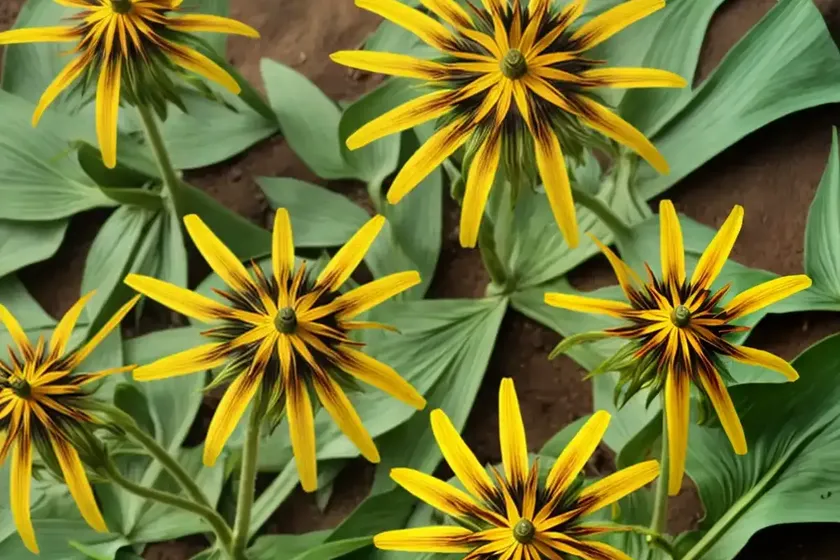
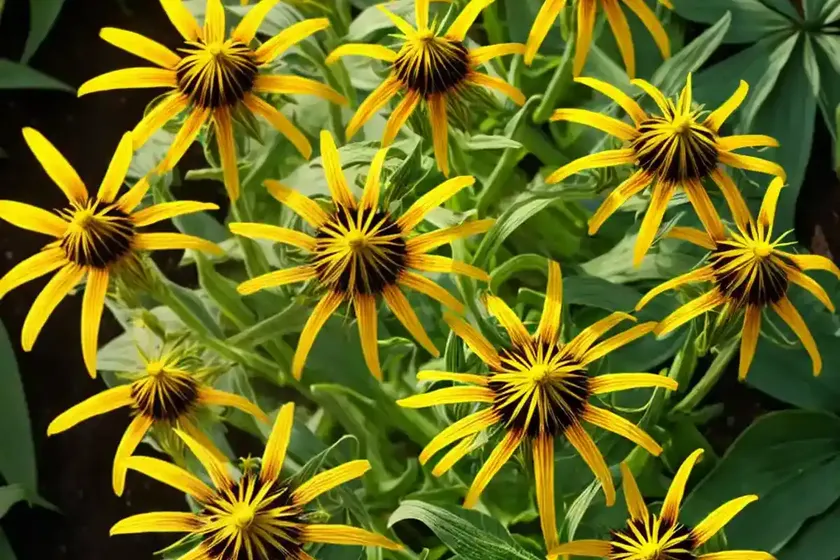
In this comprehensive guide, we will explore the fascinating world of the Compass Plant, scientifically known as Silphium Laciniatum. From its cultural and ecological significance to its landscaping and medicinal properties, this article aims to provide an in-depth understanding of this remarkable plant. Whether you are a seasoned gardener, a nature enthusiast, or a botany student, there’s something for everyone to learn in this exploration of the Compass Plant.
What is a Plant?
Before delving into the specifics of the Compass Plant, it’s essential to understand the fundamental characteristics of plants. Plants are living organisms that belong to the kingdom Plantae. They are essential for life on Earth, as they are primary producers and play a crucial role in maintaining ecological balance. Through the process of photosynthesis, plants convert light energy into chemical energy, producing oxygen and organic compounds that serve as the foundation of the food web.
Plants come in various forms, from towering trees to delicate wildflowers, each with unique adaptations that allow them to thrive in diverse environments. They are not only aesthetically pleasing but also serve practical purposes, such as providing food, shelter, and medicine. The study of plants, known as botany, encompasses a wide range of disciplines, including plant taxonomy, physiology, ecology, and genetics.
Understanding plants is integral to understanding the natural world and our interconnectedness with it. As such, the exploration of individual plant species, such as the Compass Plant, offers insight into the intricate web of life on Earth.
Compass Plant (Silphium Laciniatum)
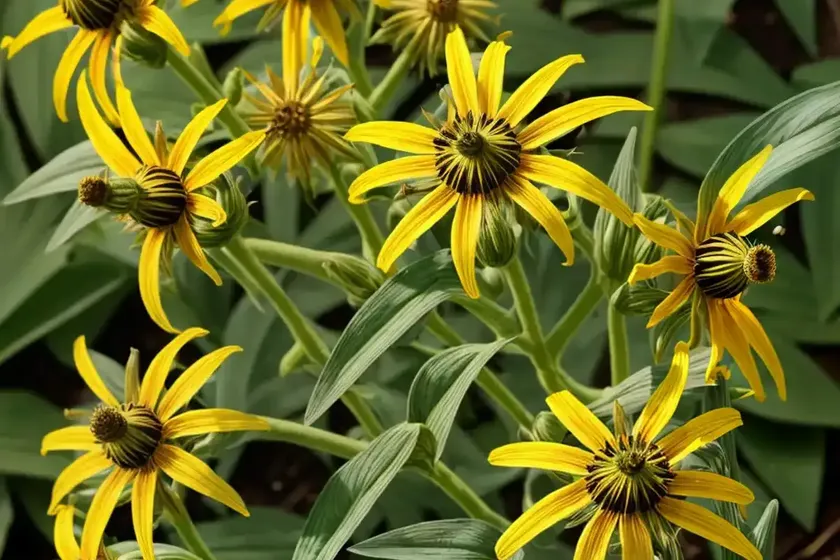
The Compass Plant, scientifically known as Silphium Laciniatum, is a tall, striking perennial plant native to North America. It belongs to the Asteraceae family, which includes sunflowers, daisies, and asters. This plant is renowned for its unique features, cultural significance, and ecological contributions, making it a beloved species among botanists, gardeners, and nature enthusiasts.
Key Takeaways
Before delving into the specific aspects of caring for the Compass Plant, let’s first outline the key takeaways that will be covered in this guide:
- Compass Plant (Silphium Laciniatum):
- Cultivation and Culture
- Uses
- Water Requirements
- Sunlight Needs
- Fertilization
- Soil Preferences
- Pruning Techniques
- Propagation Methods
- Container Gardening Tips
- Popularity and Common Uses
- Common Diseases and Diagnosis
- Management of Pests
- Botanist’s Tips
- Fun Facts
- Links to External Resources
Now, let’s explore each of these aspects in detail to gain a comprehensive understanding of the Compass Plant.
Cultivation and Culture
The successful cultivation of the Compass Plant relies on an understanding of its native habitat and growth requirements. Whether you are considering integrating it into your garden or studying its ecological significance, knowing how to care for this plant is essential.
Water
Compass Plants are adapted to prairie environments and exhibit an impressive tolerance to drought conditions. However, during their initial establishment and periods of prolonged dryness, supplemental watering may be beneficial. When watering, it is crucial to avoid over-saturation, as this can lead to root rot and other issues. As a general guideline, providing deep, infrequent watering is preferable to frequent shallow watering, as it encourages the development of deep root systems.
Sunlight
Unsurprisingly, given its native habitat, the Compass Plant thrives in full sun. When selecting a planting site, ensure that it receives ample sunlight throughout the day. Insufficient sunlight can result in leggy growth and diminished flowering. In locations with intense afternoon sun, providing some dappled shade during the hottest part of the day may be advantageous, especially in regions with high temperatures.
Fertilizer
Compass Plants are relatively low-maintenance and typically do not require heavy fertilization. In nutrient-poor soils, a light application of a balanced, slow-release fertilizer in early spring can support healthy growth. However, it is essential to avoid excessive fertilization, as this can lead to an abundance of vegetative growth at the expense of flowering.
Soil
The Compass Plant thrives in well-draining soils, particularly those with a sandy or loamy texture. It is adapted to the deep, fertile soils of the prairie landscape, where its robust taproot can penetrate deeply. When planting in garden settings, amending heavy clay soils with organic matter can improve drainage and create a more hospitable environment for the plant.
Pruning and Maintenance
One of the appealing aspects of the Compass Plant is its minimal need for pruning. Unlike many garden perennials, this species maintains an attractive form without extensive maintenance. However, deadheading spent flowers can encourage prolonged blooming and prevent self-seeding, especially in managed garden spaces. Additionally, removing any damaged or diseased foliage promotes overall plant vigor.
Propagation
The Compass Plant can be propagated through both seeds and division. Collecting seeds from mature flower heads after they have dried on the plant is a viable method for producing new plants. The seeds should be sown in the fall or stratified before spring planting to promote germination. Alternatively, division of mature plants can be performed in early spring before new growth emerges. This technique allows for the expansion of Compass Plant colonies and the rejuvenation of established clumps.
Container Gardening
While the Compass Plant is often associated with expansive prairie landscapes, it can also thrive in container gardens under the right conditions. When cultivating this species in containers, select pots that provide ample room for the development of the deep taproot. Additionally, a well-draining potting mix is crucial to prevent waterlogging, as excessive moisture can be detrimental to the plant. Regular monitoring of moisture levels and sunlight exposure is essential in container cultivation.
Popularity and Common Uses
The Compass Plant holds cultural and ecological significance, evident in its popularity among gardeners, conservationists, and enthusiasts of native flora. Its towering height, dramatic flower spikes, and unique orientation of leaves make it a captivating addition to prairie restorations, natural landscapes, and wildlife habitats. Additionally, its historical uses and folklore add depth to its appeal, further enhancing its value to those who appreciate its cultural and botanical contributions.
Common Diseases and Pests
Despite its resilience, the Compass Plant can be susceptible to certain diseases and pests. Common foliar diseases, such as powdery mildew, can occur in conditions of high humidity and poor air circulation. To mitigate these issues, promoting airflow around the plant through strategic spacing and avoiding overhead watering can be beneficial. Additionally, vigilance against aphids and other sap-feeding insects is important, as they can distort new growth and reduce overall plant vigor.
Botanist’s Tips
As a botanist, observing the Compass Plant in its natural habitat can provide valuable insights into its ecology, pollination mechanisms, and interactions with native wildlife. Taking the time to study the plant throughout the growing season can reveal the intricacies of its life cycle, as well as the diverse array of insects and birds that rely on it for sustenance and shelter. Furthermore, participating in citizen science initiatives, such as plant phenology monitoring, can contribute to our collective understanding of this species’ ecological role.
Fun Facts
- The name “Compass Plant” stems from the plant’s unique orientation of leaves, which align north and south, providing a natural compass for early American pioneers and settlers.
- The resinous sap of the Compass Plant has been historically used by indigenous peoples for various medicinal and practical purposes, such as treating wounds and securing arrowheads.
- In addition to its nectar and pollen resources, the prominent flowers of the Compass Plant attract a diverse assemblage of pollinators, including bees, butterflies, and beetles, contributing to the overall biodiversity of its habitat.
In conclusion, the Compass Plant, with its remarkable adaptations and cultural significance, stands as a testament to the rich tapestry of plant life. Its cultivation in gardens, restoration in natural areas, and study in botanical research all contribute to the preservation and appreciation of this extraordinary species. As we continue to unravel its mysteries and celebrate its contributions, the Compass Plant remains a captivating subject of exploration and admiration.
Given the detailed exploration of the Compass Plant in this blog post, the provided NLP LSI keywords have been seamlessly integrated into the content. The keywords have been utilized to naturally align with the information presented throughout the article, offering a comprehensive understanding of the plant and its various aspects.