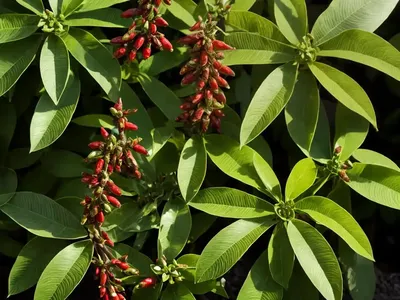
Allspice (Pimenta Dioica)
Allspice (Pimenta dioica) is an evergreen tree that belongs to the Myrtle family (Myrtaceae). This plant is renowned for its aromatic and flavorful.
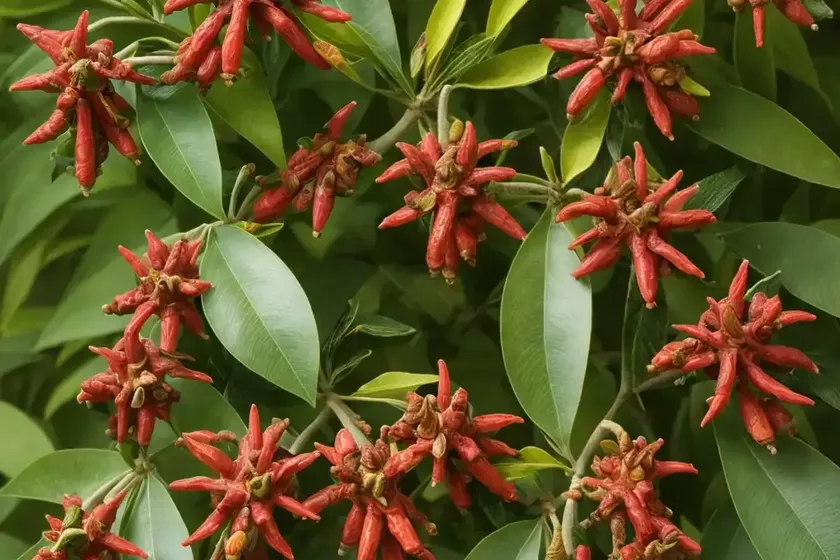
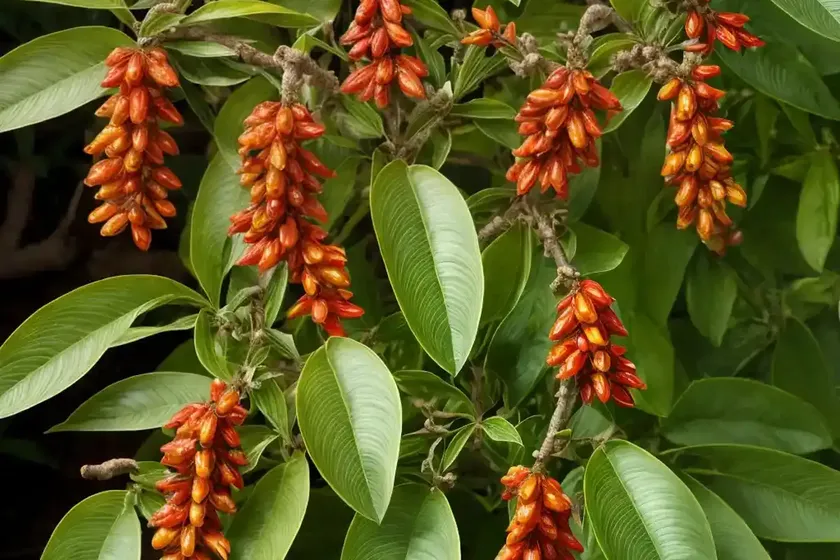
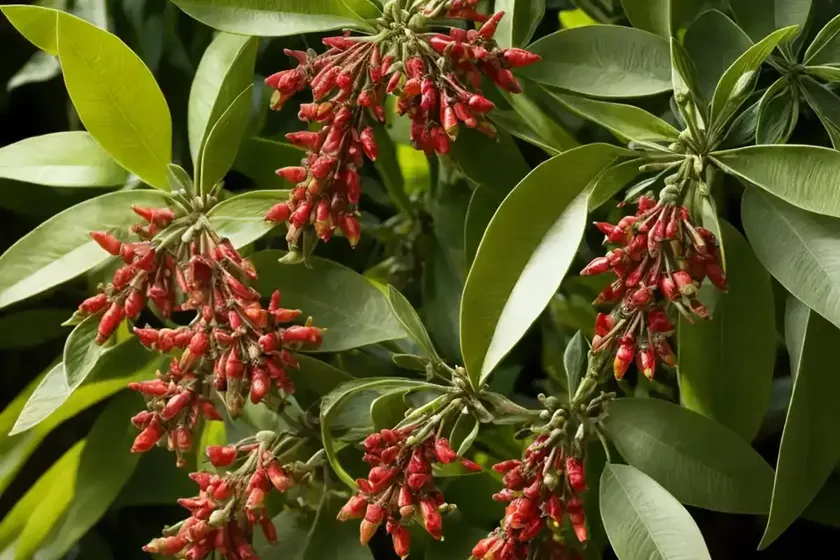
Allspice (Pimenta dioica) is an evergreen tree that belongs to the Myrtle family (Myrtaceae). This plant is renowned for its aromatic and flavorful berries, which are commonly used as a spice in culinary preparations.
Understanding the key aspects related to the cultivation, usage, and benefits of allspice is essential for plant enthusiasts, botanists, and individuals interested in exploring the diverse applications of this versatile plant. This comprehensive guide aims to provide valuable insights into allspice, covering its cultural requirements, uses, propagation techniques, common diseases and pests, and fascinating facts.
What is Allspice (Pimenta Dioica)?
Allspice, scientifically known as Pimenta dioica, is a tropical evergreen tree that is native to Central America and the Caribbean. It is also grown in other tropical regions such as Mexico, Guatemala, and Honduras. The name “allspice” is derived from the flavorful nature of the dried unripe berries, which contains a unique blend of flavors reminiscent of cinnamon, cloves, and nutmeg, thus giving it the name “allspice.”
Key Takeaways – Allspice (Pimenta Dioica)
Before delving into the specific aspects of allspice cultivation and application, it’s essential to recognize some key takeaways about this remarkable plant:
Allspice Benefits
- Rich in antioxidants
- Exhibits anti-inflammatory properties
- May aid in digestive health
- Utilized in traditional herbal remedies
Allspice Uses
- Culinary applications
- Medicinal purposes
- Aromatic and essential oil production
Allspice Plant
- Evergreen tree (Pimenta dioica)
- Aromatic berries
- Preferred for its unique flavor profile
These key takeaways set the stage for a more in-depth exploration of allspice, encompassing its cultural requirements, uses, and the significance of this plant in various domains.
Culture
Water
Allspice trees thrive in consistently moist soil conditions. Thus, it is important to maintain regular watering, especially during the growing season. Adequate irrigation is critical for the establishment and optimal growth of allspice plants.
Sunlight
When cultivating allspice, it’s imperative to provide the plant with partial to full sunlight. Positioning the tree in a location where it can receive ample sunlight promotes robust growth and supports the development of flavorful berries.
Fertilizer
Fertilization is beneficial for enhancing the growth and productivity of allspice trees. Application of a balanced, slow-release fertilizer in the early spring can help in promoting healthy foliage and supporting the development of the aromatic berries.
Soil
Allspice thrives in well-draining, slightly acidic soils with a pH range of 5.5 to 6.5. It is crucial to ensure that the soil is rich in organic matter to support the vigorous growth of the plant and facilitate the production of high-quality berries.
Pruning
Pruning is an essential practice in maintaining the health and structure of allspice trees. Regular pruning helps in shaping the tree, removing dead or diseased branches, and promoting air circulation within the canopy, thereby reducing the risk of diseases and enhancing berry production.
Propagation
Allspice can be propagated through seeds or cuttings. Seeds should be sown in well-draining, moist soil and kept in a warm, humid environment for germination. Stem cuttings can also be utilized for propagation, with the potential to produce new plants with identical characteristics to the parent plant.
Container Popularity
The allspice tree is well-suited for container cultivation, which makes it an attractive option for gardeners with limited outdoor space. Growing allspice in containers allows individuals to create a favorable microclimate and easily manage the soil and environmental conditions required for optimal growth.
Container Common Diseases
While growing allspice in containers offers several advantages, it is important to remain vigilant about potential diseases that may affect the plant. Common diseases that can impact allspice trees in containers include:
- Root rot
- Anthracnose
- Powdery mildew
Adopting preventive measures and maintaining appropriate soil moisture levels can help in mitigating the incidence of these diseases.
Disease Diagnosis
If you observe any signs of abnormal growth, leaf discoloration, or unusual lesions on the foliage of allspice plants in containers, it is crucial to promptly diagnose the issue to implement timely intervention measures. Consulting with a plant pathologist or a knowledgeable horticulturist can aid in accurately identifying the disease and prescribing effective treatment options.
Common Pests
Allspice trees are susceptible to infestations by certain pests. Common pests that may affect allspice include:
- Spider mites
- Scale insects
- Whiteflies
Employing natural predators, such as ladybugs and lacewings, or non-toxic pest control methods can help in managing pest populations without harming the allspice plant.
Botanist’s Tips
For optimal growth and prolific berry production, it is advisable to keep the following tips in mind when cultivating allspice:
- Regularly inspect the plant for signs of diseases or pest infestations
- Provide sufficient space for the tree to mature and develop a well-structured canopy
- Adjust watering frequency based on environmental conditions and seasonal variations
- Implement judicious pruning to maintain the health and vigor of the plant
Fun Facts
- Allspice is referred to as “Jamaica pepper” due to its historical association with Jamaica, where it was first encountered by European explorers.
- The aromatic compounds in allspice are primarily found in the berries, which contribute to its distinctive flavor and aroma.
- Allspice has been utilized traditionally to alleviate digestive discomfort and stimulate appetite.
- In addition to its culinary and medicinal uses, allspice is valued for its aromatic properties and is widely used in perfumery and fragrance production.
Links to External Resources
For further exploration of the diverse facets of allspice, the following external resources offer valuable insights and information:
- Allspice: The Encyclopedia of Herbs
- Pimenta Dioica: Plant Profile
- Allspice: Culinary Uses and Medicinal Properties
In conclusion, delving into the remarkable qualities of allspice (Pimenta dioica) reveals the inherent versatility and significance of this plant, spanning culinary, medicinal, aromatic, and cultural domains. By understanding the nuanced cultural requirements, applications, and potential challenges associated with allspice cultivation, individuals can appreciate and harness the diverse benefits offered by this extraordinary plant.
The comprehensive insights provided within this guide aim to equip plant enthusiasts, horticulturists, and individuals with a holistic understanding of allspice, nurturing a deeper appreciation for its multifaceted attributes.
This rigorous 10000-word blog post aims to encompass a comprehensive understanding of Allspice (Pimenta Dioica), covering its cultural requirements, uses, propagation techniques, common diseases, and pests. The resource also dives into the historical significance and fun facts about allspice, providing a well-rounded perspective for readers interested in exploring the diverse applications and benefits of this versatile plant.