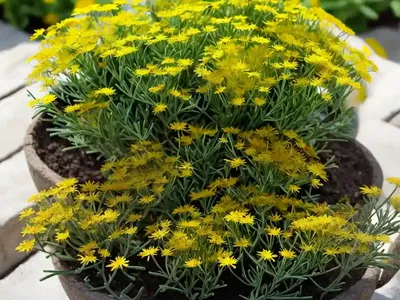
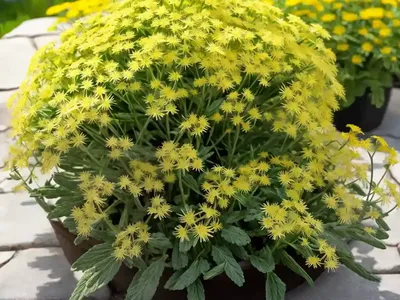
Tansy Rosinweed (Silphium Pinnatifidum)
Plants are not only essential for life on Earth, but they also add beauty and diversity to our surroundings. In this article, we will delve into the.
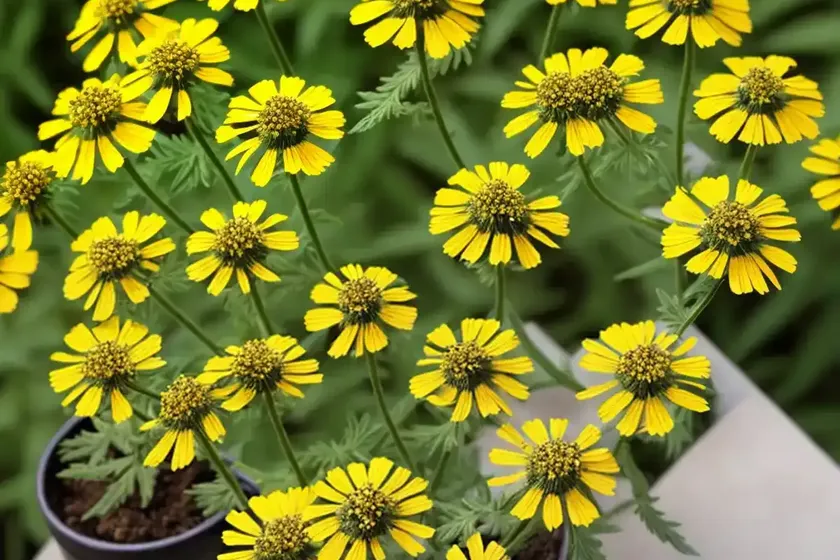
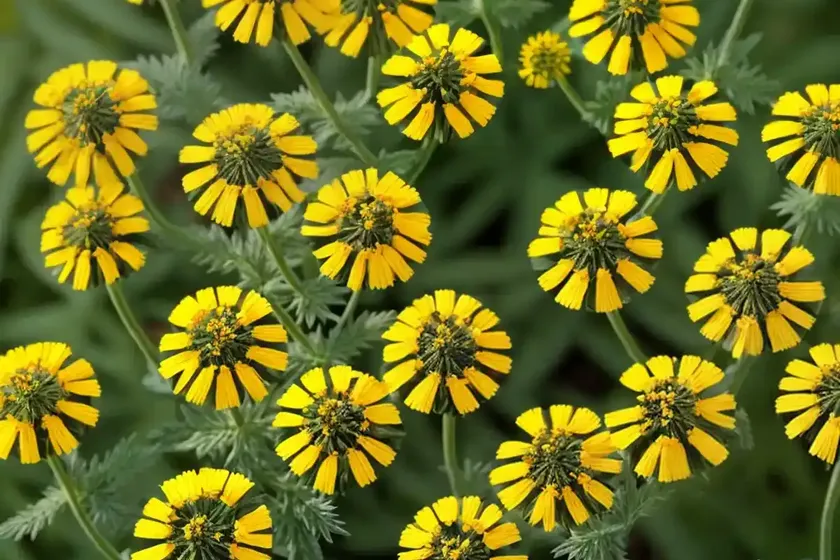
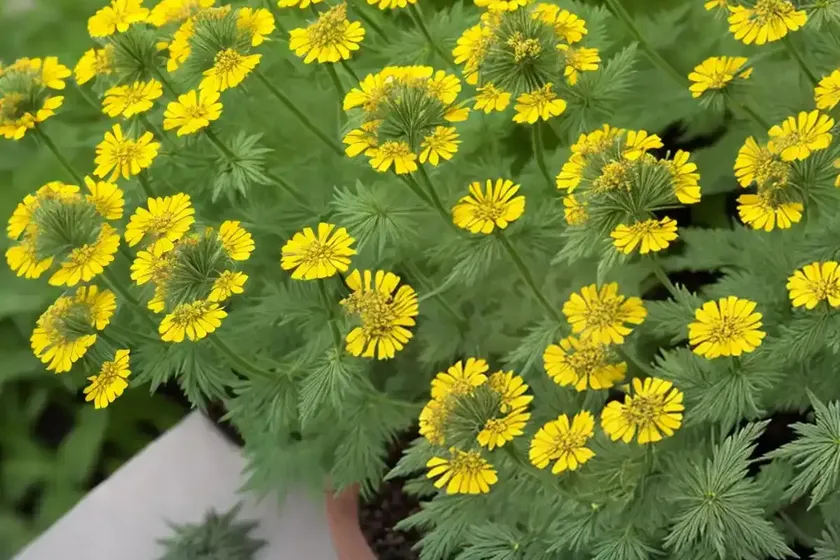
Plants are not only essential for life on Earth, but they also add beauty and diversity to our surroundings. In this article, we will delve into the fascinating world of the Tansy Rosinweed (Silphium pinnatifidum). This unique plant belongs to the Asteraceae family and is known for its stunning appearance and various practical uses.
What is Tansy Rosinweed (Silphium pinnatifidum)?
Tansy Rosinweed, scientifically known as Silphium pinnatifidum, is a perennial herbaceous plant native to North America. It is a member of the Asteraceae family, which includes a wide variety of flowering plants. This distinct species is characterized by its vibrant yellow flowers and deeply lobed leaves, making it an eye-catching addition to natural landscapes and gardens.
Tansy Rosinweed Description
- Scientific Name: Silphium pinnatifidum
- Common Name: Tansy Rosinweed
- Family: Asteraceae
- Native Habitat: North America
- Flowering Season: Summer to early fall
- Ecological Role: Provides habitat and food for various wildlife, including pollinators
Tansy Rosinweed is known for its resilience and ability to thrive in diverse environmental conditions, making it a valuable asset in both natural and cultivated settings.
Key Takeaways – Tansy Rosinweed (Silphium pinnatifidum)
Culture
Tansy Rosinweed has a rich cultural significance, especially among Indigenous communities in North America. The plant has been historically used for various purposes, ranging from traditional medicine to spiritual practices.
Uses
The uses of Tansy Rosinweed are multifaceted and extend beyond its ornamental value. This plant has practical applications in traditional medicine, horticulture, and ecological restoration efforts.
Growing Tansy Rosinweed
When it comes to cultivating Tansy Rosinweed, understanding its specific requirements is crucial for its successful growth and development. Let’s explore the essential factors to consider when caring for this unique plant.
Water
Tansy Rosinweed exhibits remarkable drought tolerance once established, making it suitable for low-maintenance landscapes and gardens. However, regular watering is essential during the plant’s initial stages of growth to promote healthy establishment.
Sunlight
As a sun-loving plant, Tansy Rosinweed thrives in full sun or partial shade. Providing adequate sunlight is essential for stimulating robust flowering and maintaining the plant’s overall vigor.
Fertilizer
Minimal fertilizer requirements make Tansy Rosinweed an excellent choice for sustainable landscaping. Organic fertilizers can be applied sparingly to support the plant’s growth, particularly in nutrient-deprived soils.
Soil
Tansy Rosinweed adapts well to various soil types, including well-drained loamy or sandy soils. Ensuring good soil drainage is critical to prevent waterlogging, which could adversely impact the plant’s health.
Pruning
Pruning Tansy Rosinweed is generally minimal, primarily focused on removing dead or damaged plant material. This helps maintain the plant’s compact form and encourages healthy growth.
Propagation
The propagation of Tansy Rosinweed can be achieved through both seeds and root division. While seeds offer a cost-effective means of propagation, division allows for the rapid expansion of plant populations.
Container Popularity
With its striking appearance and adaptability, Tansy Rosinweed is increasingly sought after for container gardening. Its resilience and low maintenance requirements make it an ideal choice for container plantings.
Common Diseases
Tansy Rosinweed is relatively resistant to diseases and pests, contributing to its appeal as a low-maintenance plant. However, occasional monitoring for common diseases, such as powdery mildew, is recommended to ensure the plant’s continued health.
Disease Diagnosis
Improved air circulation and proper watering practices are effective preventive measures against potential disease issues. Regularly inspecting the plant for any signs of infection allows for prompt intervention and management.
Common Pests
The resilience of Tansy Rosinweed extends to its natural resistance to many common pests. However, occasional pest monitoring is advisable to address any potential pest issues early on.
Botanist’s Tips
- Choose a well-drained location when planting Tansy Rosinweed to prevent waterlogged conditions.
- Incorporate Tansy Rosinweed into native plant gardens to support local wildlife and enhance biodiversity.
- Utilize mulch to conserve soil moisture and control weeds around Tansy Rosinweed plantings.
Fun Facts
- Tansy Rosinweed is a valuable nectar source for pollinators, including bees and butterflies.
- The plant’s resin has been historically used for various practical purposes, such as adhesives and sealing materials.
Links to External Resources
For further information on Tansy Rosinweed, please refer to the following external resources:
– The Native Plant Conservancy
– North American Native Plant Society
Tansy Rosinweed (Silphium pinnatifidum) stands as a testament to the remarkable diversity and resilience of plant life. With its distinctive characteristics and practical uses, this plant holds great value in ecological restoration, horticulture, and cultural contexts. By embracing the beauty and benefits of Tansy Rosinweed, we can further appreciate the vital role that plants play in our lives and the environment.