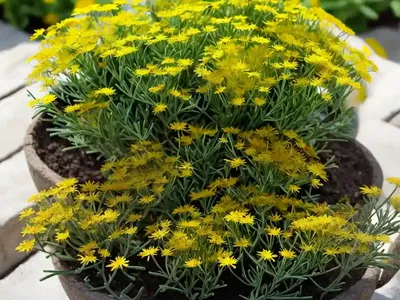
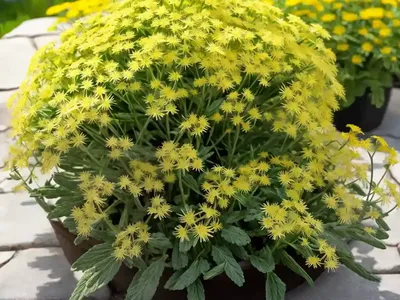
Slender Rosinweed (Silphium Gracile)
Plants are essential components of our ecosystem, providing numerous benefits such as oxygen production, carbon sequestration, and biodiversity support..
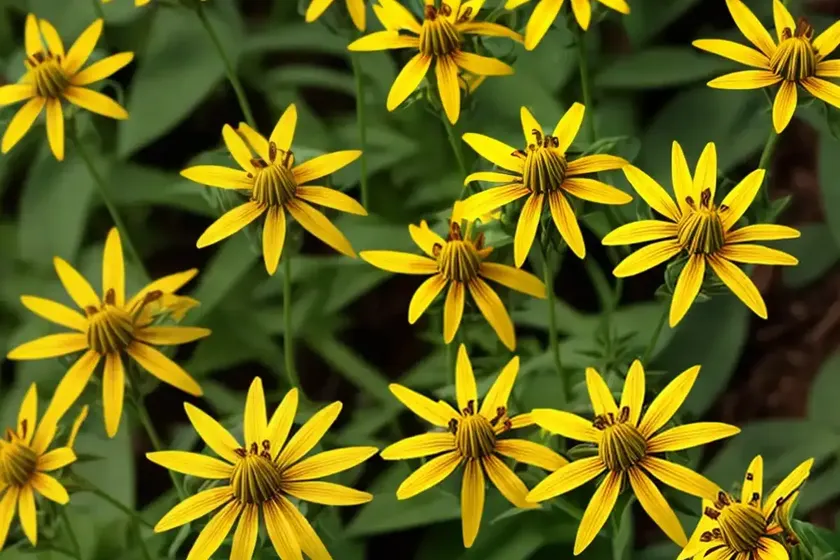
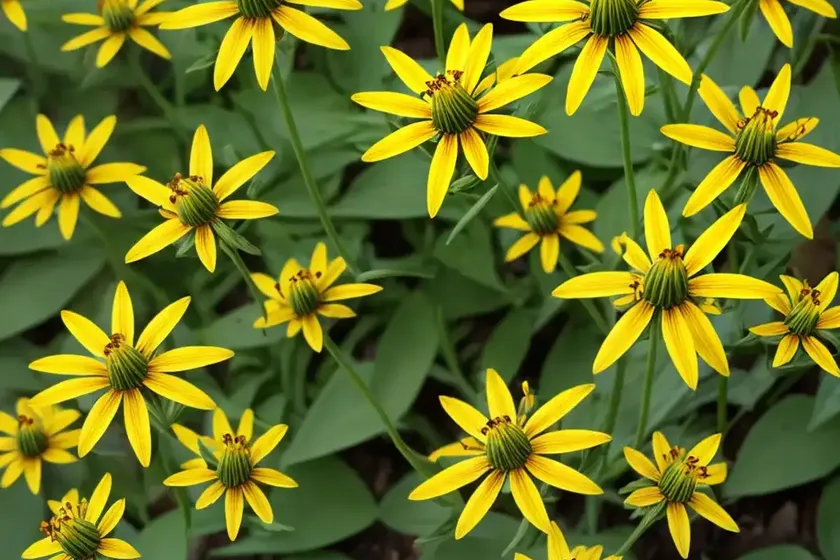
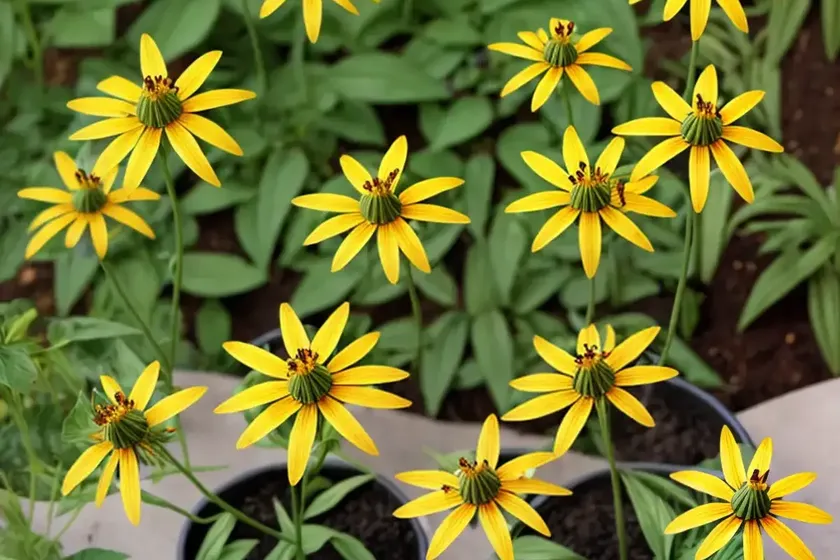
Plants are essential components of our ecosystem, providing numerous benefits such as oxygen production, carbon sequestration, and biodiversity support. They come in various forms, from towering trees to delicate wildflowers, with each species possessing its unique characteristics and uses. One such remarkable plant is the slender rosinweed (Silphium gracile), a native wildflower that holds ecological significance and offers various benefits to both wildlife and humans.
In this comprehensive guide, we will delve into the world of Silphium gracile, exploring its characteristics, cultivation requirements, uses, and ecological importance. This article aims to provide valuable insights for plant enthusiasts, gardeners, conservationists, and anyone interested in learning about this fascinating plant species.
What is Silphium Gracile?
Silphium gracile, commonly known as slender rosinweed, is a herbaceous perennial plant belonging to the Asteraceae family. Native to North America, this wildflower is renowned for its slender, towering stems topped with vibrant yellow flowers. With its ecological symbiosis, ornamental appeal, and potential medicinal properties, S. gracile has captivated the interest of botanists, horticulturists, and nature enthusiasts.
Key Takeaways – Silphium Gracile
- Scientific Name: Silphium gracile
- Common Name: Slender Rosinweed
- Family: Asteraceae
- Native Range: North America
- Ecological Importance: Wildlife interactions, pollination, seed dispersal
- Cultural Significance: Ornamental use, potential medicinal properties
- Growth Habit: Herbaceous perennial with slender stems and yellow flowers
- Conservation Status: Varied across its natural range
Now, let’s explore the various aspects of Silphium gracile – from its cultivation requirements to its ecological importance.
Culture
Slender Rosinweed in Culture:
Culturally, Silphium gracile holds significance as a native wildflower in North America. Its tall, elegant stems and bright yellow flowers make it a visually striking plant, often featured in naturalistic garden designs, prairie restorations, and native landscaping projects. Its long history of growth in the wild has also contributed to its cultural importance as a symbol of resilience and adaptability.
Uses
Slender Rosinweed: A Multi-faceted Plant with Diverse Uses:
Silphium gracile offers a range of uses, both in natural ecosystems and human interactions. Below are some of the notable uses of this remarkable plant:
- Ecological Role: As a native species, S. gracile plays a critical role in supporting pollinators, such as bees and butterflies, and providing habitat for small wildlife.
- Ornamental Landscaping: Due to its tall, slender growth habit and vibrant flowers, slender rosinweed is used in landscaping to add height, texture, and color to naturalistic plantings and prairie gardens.
- Potential Medicinal Properties: While not extensively studied, certain species within the Silphium genus have historical and potential medicinal uses, and research on S. gracile may unveil its therapeutic properties.
Growing Conditions
Silphium Gracile: Optimal Growing Conditions
For successful cultivation of Silphium gracile in gardens or natural landscapes, it is crucial to understand its optimal growing conditions. These factors include:
- Water: S. gracile thrives in well-drained soils and is adapted to varying moisture levels. While it can tolerate periods of drought, regular watering, especially during the establishment phase, promotes healthy growth and robust flowering.
- Sunlight: Being a sun-loving plant, slender rosinweed thrives in full sun to partial shade. It requires at least six to eight hours of direct sunlight to perform at its best.
- Soil: The plant prefers fertile, loamy soils with good drainage. It can tolerate a wide range of soil types, including sandy and clay soils, given they do not become waterlogged.
- Fertilizer: S. gracile generally does not require heavy fertilization in natural and garden settings. However, incorporating organic matter or a balanced slow-release fertilizer during the growing season can support its vigor.
These conditions, when met, provide an ideal environment for S. gracile to flourish within a landscape or garden.
Pruning
Pruning Strategies for Slender Rosinweed:
Pruning requirements for Silphium gracile are minimal in natural settings, where the plant can often be left to its own devices. However, in garden landscapes, deadheading spent flowers and removing dead or damaged stems can promote tidiness and potentially prolong the flowering period. Care should be taken to retain the plant’s natural form and prevent over-pruning, which may impede its ecological value and ornamental appeal.
Propagation
Propagating Slender Rosinweed:
Silphium gracile can be propagated through both seeds and division, offering opportunities for gardeners and conservationists to expand its presence. Propagation methods include:
- Seed Propagation: Collecting mature seeds and sowing them in prepared seed beds or pots can yield new plants. Given its natural adaptation to seed dispersal, mimicking natural conditions can enhance germination success.
- Division: Established clumps of S. gracile can be divided in early spring or fall, with the divided segments replanted in suitable locations. This method allows for the expansion of existing plantings and the establishment of new ones.
Container Popularity
Slender Rosinweed in Containers:
Though Silphium gracile is primarily known for its presence in naturalistic settings and large-scale landscapes, it also holds potential for container planting. Its tall, elegant form and attractive flowers offer a compelling option for larger containers, especially those designed for native plant displays and ornamental focal points.
Common Diseases
Disease Susceptibility of Silphium Gracile:
Silphium gracile exhibits resilience to many common plant diseases, owing to its adaptation to natural settings. However, certain environmental conditions or stressors may make it susceptible to some issues, including:
- Powdery Mildew: In high humidity or during prolonged wet conditions, S. gracile foliage may be affected by powdery mildew, a fungal disease that can cause cosmetic damage.
- Root Rot: Saturated or poorly-drained soils can lead to root rot, impacting the plant’s health and potentially leading to decline.
Disease Diagnosis
Identifying and Managing Slender Rosinweed Diseases:
Timely diagnosis of potential diseases is crucial for effective management and mitigation. Visual inspection of the plant, coupled with an understanding of local environmental conditions, can aid in disease identification. Proper cultural practices, such as maintaining good air circulation and avoiding overwatering, can contribute to disease prevention and plant health.
Common Pests
Pest Interactions with Silphium Gracile:
In its natural habitats, Silphium gracile experiences minimal pest pressure due to its adaptation and relationships with native wildlife. However, in garden settings, it may encounter occasional pest issues, including:
- Aphids: These tiny, sap-sucking insects can infest the tender growth of S. gracile, causing distortion and stunting.
- Slugs and Snails: These mollusks may feed on young shoots and leaves, especially in moist conditions, leading to visible damage.
Botanist’s Tips
Insider Tips for Cultivating and Appreciating Slender Rosinweed:
- When selecting a location for Silphium gracile in the landscape, consider its mature height and ensure it has adequate space to thrive without overcrowding other plants.
- The plant’s ability to self-seed can be advantageous for naturalistic plantings but may require management in more manicured landscapes to prevent excessive spreading.
- Observing wildlife interactions, such as pollinator visits and seed predation, can offer insight into S. gracile‘s ecological importance and contributions to local ecosystems.
Fun Facts
Discovering the Intriguing Aspects of Slender Rosinweed:
- Silphium gracile is attractive to various pollinators, including bees and butterflies, enhancing biodiversity in its native habitats.
- The seeds of S. gracile have specialized adaptations for wind dispersal, contributing to the plant’s natural range expansion and colonization.
- Some indigenous cultures historically used related Silphium species for traditional medicinal purposes, hinting at potential ethnobotanical significance for S. gracile.
Links to External Resources
To further expand your knowledge of Silphium gracile, consider exploring the following external resources:
1. North American Native Plant Society
2. Lady Bird Johnson Wildflower Center
3. United States Department of Agriculture – Plants Database
4. The Xerces Society for Invertebrate Conservation
By delving into these resources, you can gain deeper insights into the ecology, horticulture, and conservation of S. gracile.
In conclusion, the slender rosinweed (Silphium gracile) stands as a noteworthy member of North America’s native flora, showcasing adaptability, ecological contributions, and ornamental appeal. Whether in natural prairie habitats or cultivated landscapes, it contributes to biodiversity, aesthetics, and potentially, medicinal traditions. Understanding its characteristics, growing requirements, and ecological context can inform effective stewardship and appreciation of this remarkable plant.
Remember, the slender rosinweed isn’t just a plant—it’s a living testament to the intricate connections within our natural world, deserving of our admiration and conservation efforts.