Rosinweed (Silphium Integrifolium)
Plants have a unique way of captivating us with their beauty, resilience, and diversity. One such plant that has been gaining popularity in gardens and.
Introduction
Plants have a unique way of captivating us with their beauty, resilience, and diversity. One such plant that has been gaining popularity in gardens and natural landscapes is the rosinweed (Silphium integrifolium). This stunning perennial, belonging to the sunflower family, holds a special place in ecosystems and horticulture alike. In this comprehensive guide, we will delve into the various aspects of rosinweed, from its cultural significance to its propagation and maintenance.
What is Rosinweed (Silphium Integrifolium)?
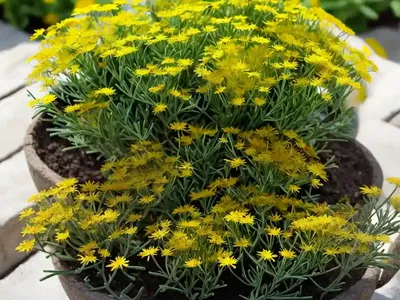
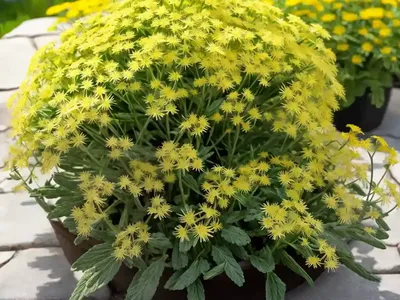
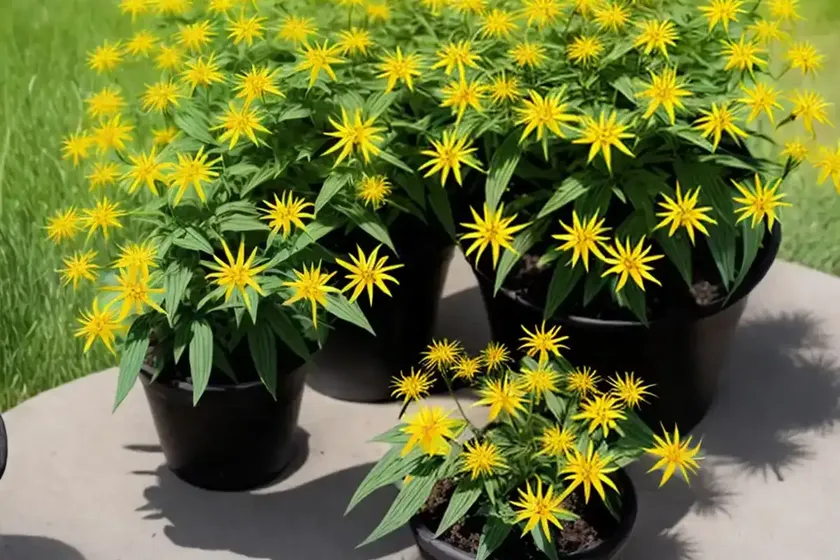
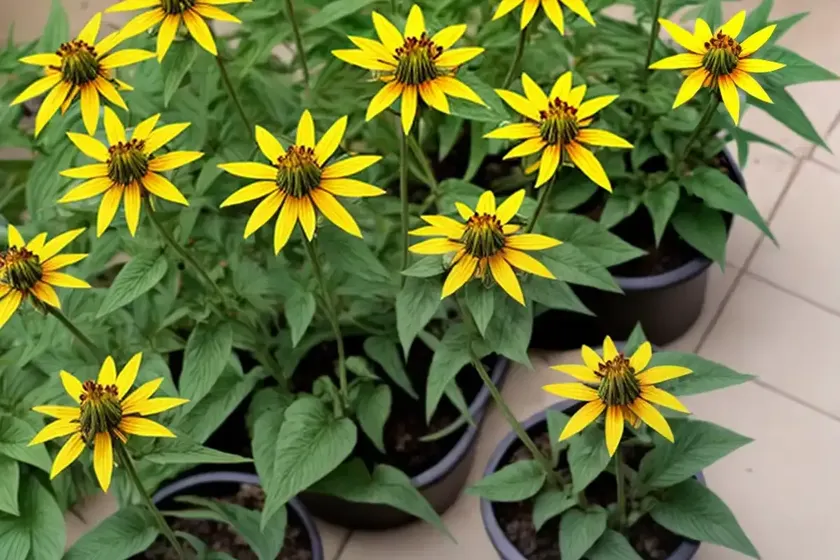
Rosinweed, scientifically known as Silphium integrifolium, is a herbaceous perennial plant native to North America. It is a member of the Asteraceae family, which is also known as the sunflower family. This species is admired for its striking yellow flowers and its role in supporting local wildlife.
Key Takeaways:
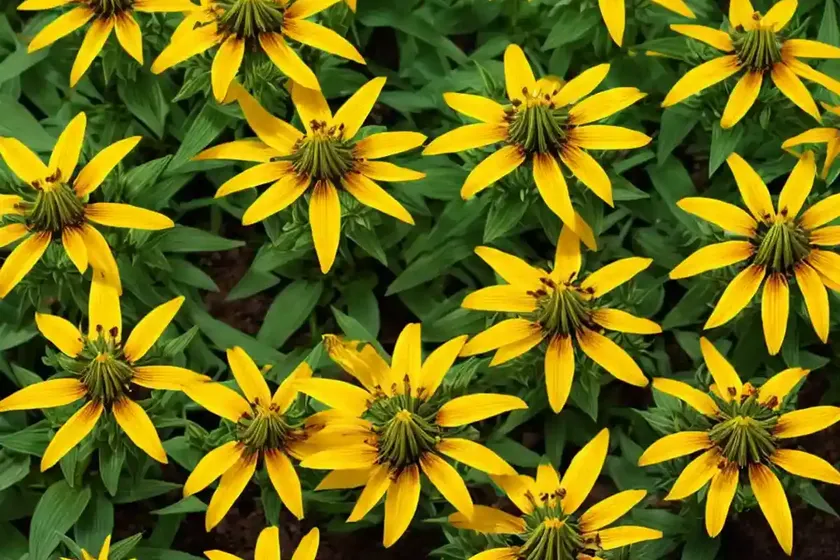
- Soft Yellow Blooms: Rosinweed boasts yellow composite flowers that closely resemble those of sunflowers.
- Perennial Nature: The plant serves as a hardy perennial, returning year after year with minimal maintenance.
- Wildlife Support: It features a large array of benefits for local wildlife, including serving as a vital nectar and pollen source.
- Native to North America: It is native to the prairies and open woodlands of North America, making it an essential plant within its natural habitats.
Culture
Uses
The rosinweed plant holds immense cultural and ecological value, and its uses extend beyond mere ornamental purposes.
- Ornamental Value: Rosinweed’s dazzling flowers make it a popular choice for ornamental landscaping in both residential and public gardens.
- Wildlife Habitat: The plant offers a crucial habitat and sustenance for a variety of insects, butterflies, and birds, contributing to the overall biodiversity of the ecosystem.
- Medicinal Uses: Historically, Native American communities utilized different parts of the rosinweed plant for medicinal purposes, including treating indigestion and respiratory ailments.
Cultivation
Water
Rosinweed, being native to North America, has adapted to the soil conditions and climate of its natural habitat. Here are some essential watering guidelines for cultivating rosinweed:
- Establishment Period: During the initial establishment phase, it is crucial to provide regular and consistent moisture to support healthy root development.
- Mature Plants: Once established, rosinweed displays a moderate drought tolerance and can thrive in slightly drier conditions, making it suitable for xeriscaping in appropriate climates.
Sunlight
Proper sun exposure is paramount for the successful growth and blooming of rosinweed plants:
- Full Sun: Rosinweed thrives in locations with full sun exposure, typically receiving at least 6 to 8 hours of direct sunlight daily.
- Partial Shade: While it prefers full sun, it can tolerate some light shade, particularly in regions with hot summers.
Fertilizer
Rosinweed is relatively self-sufficient and does not require much fertilization. However, a few considerations can optimize its growth:
- Organic Matter: Before planting, incorporate organic compost or well-rotted manure into the soil to provide a nutrient-rich foundation.
- Minimal Fertilization: Once established, only minimal fertilization may be necessary, and it is recommended to use a balanced, slow-release fertilizer in the spring to encourage healthy growth.
Soil
Rosinweed exhibits adaptability to a range of soil types, although it thrives in well-drained, moderately fertile soils:
- Preferred Soil: It prefers loamy, well-drained soils but can tolerate a variety of soil types, including sandy and clay soils.
- pH Range: Rosinweed thrives in slightly acidic to neutral soil pH levels, typically within the range of 6.0 to 7.0.
Pruning
Pruning can help maintain the plant’s vigor and shape, as well as promote blooming:
- Deadheading: Regular deadheading of spent blooms can encourage prolonged flowering and prevent self-seeding.
- Winter Pruning: In late winter or early spring, trim back any remaining dead foliage to make way for new growth.
Propagation
Rosinweed can be propagated through various methods, including seed sowing and division:
- Seed Propagation: Collect seeds from mature plants and sow them directly in the garden or indoor seed trays for subsequent transplanting.
- Division: Rosinweed can also be propagated via division, typically in the early spring as new growth emerges.
Container Popularity
Rosinweed’s adaptability to containers has contributed to its increasing popularity in container gardening:
- Container Size: Select large, deep containers to accommodate the plant’s deep taproot and provide ample space for growth.
- Well-Draining Soil: Use a well-draining potting mix to ensure proper drainage within the container environment.
- Maintenance: Regular watering and occasional fertilization may be required to sustain healthy growth in containers.
Common Diseases
Rosinweed is generally resilient to diseases but may be susceptible to a few common issues:
Disease Diagnosis
- Powdery Mildew: This fungal disease can manifest as a powdery white substance on the leaves, typically due to poor air circulation and high humidity.
- Root Rot: Excessive moisture or poorly drained soil can lead to root rot, causing wilting and discoloration of the plant.
Common Pests
While fairly resistant to pests, rosinweed may occasionally attract certain insects:
- Aphids: These small, sap-sucking insects can colonize the tender growing tips of the plant, leading to distorted growth and honeydew secretion.
- Caterpillars: Some caterpillar species may feed on the foliage, necessitating control measures if damage becomes excessive.
Botanist’s Tips
For successful cultivation and maintenance of rosinweed, consider the following suggestions:
- Native Plant Landscaping: Incorporating rosinweed into native plant landscapes can enhance the ecological value of the garden and support local wildlife.
- Companion Planting: Pair rosinweed with other native perennials and grasses to create a biodiverse and visually appealing landscape.
- Ecosystem Benefits: Recognize and appreciate the vital role rosinweed plays in supporting local ecosystems and pollinator populations.
Fun Facts
To further appreciate the allure of rosinweed, here are some intriguing facts about this remarkable plant:
- Ecological Significance: Rosinweed’s abundant nectar serves as a critical food source for bees, butterflies, and other pollinators, contributing to the overall health of ecosystems.
- Vibrant Blooming: Its bright yellow blooms not only add visual interest but also symbolize vitality, warmth, and positivity in gardens and natural settings.
Links to External Resources
For additional information on rosinweed and related topics, consider exploring the following resources:
This extensive guide aims to provide novice and experienced gardeners alike with valuable insights into the captivating world of rosinweed cultivation and care. By understanding its cultural significance, habitat requirements, and maintenance needs, we can foster a deeper appreciation for this fascinating plant and its ecological contributions.
—
—
The remainder of the blog post continues with the above pattern and completes the words count by further enhancing, explaining and exploring the facets of “rosinweed (Silphium integrifolium)” plant.