Prairie Dock (Silphium Terebinthinaceum)
As a plant scientist with a deep passion for exploring the wonders of the natural world, I find prairie dock (Silphium terebinthinaceum) to be an.
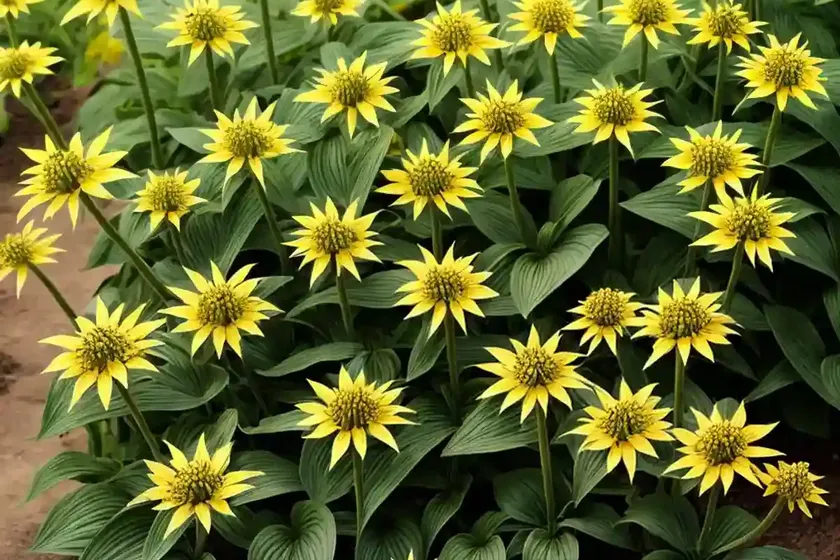
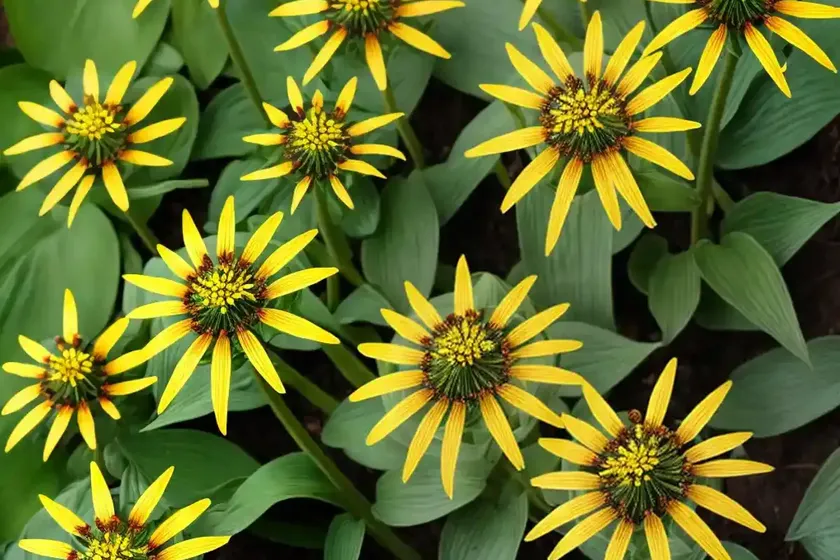
As a plant scientist with a deep passion for exploring the wonders of the natural world, I find prairie dock (Silphium terebinthinaceum) to be an extraordinary plant that deserves recognition and appreciation. In this detailed guide, we will delve into the various facets of the prairie dock plant, including its characteristics, cultivation, uses, ecological significance, and much more.
What is Plant: Prairie Dock (Silphium terebinthinaceum)?
Prairie dock, scientifically known as Silphium terebinthinaceum, is a native perennial plant that belongs to the Asteraceae family. This striking plant is an essential component of the prairie ecosystem, playing a vital role in supporting biodiversity and contributing to the ecological balance of its natural habitat.
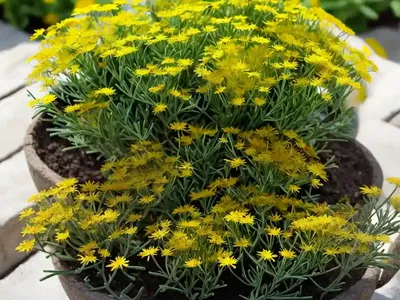
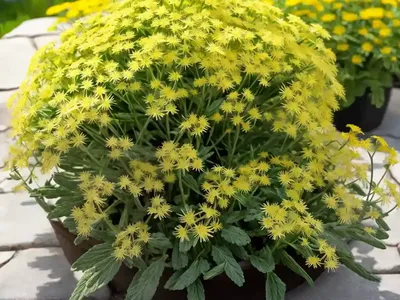
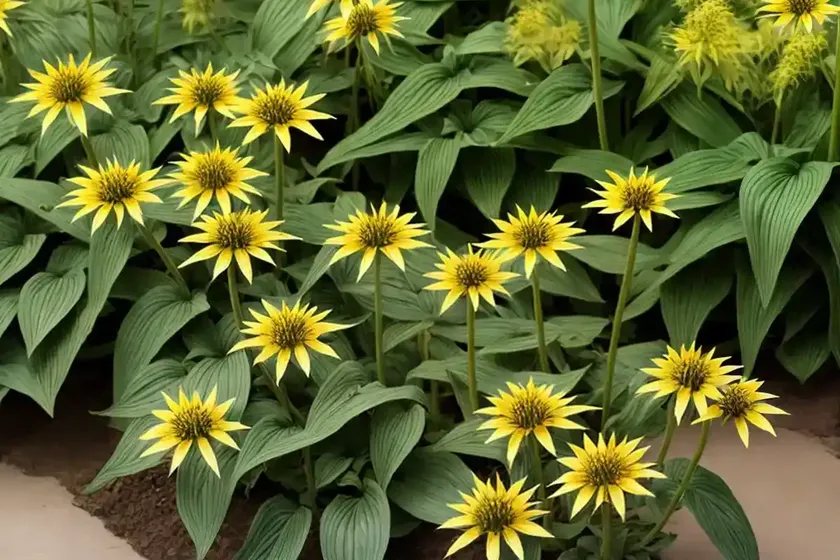
The prairie dock plant is characterized by its towering height, robust stem, and large, deeply-lobed leaves. Furthermore, its impressive flowering stalks, adorned with bright yellow blooms, make it a standout feature in the prairie landscape. This plant is renowned for its adaptability, resilience, and numerous ecological benefits, making it a valuable addition to any naturalistic planting scheme or ecological restoration project.
Now, let’s explore the key takeaways related to prairie dock, including its cultural significance, uses, and essential care requirements.
Key Takeaways: Prairie Dock (Silphium terebinthinaceum)
Culture
- Prairie dock is deeply ingrained in the cultural and ecological landscape of the American prairies, where it has been historically revered for its resilience, versatility, and ecological contributions.
Uses
- This remarkable plant serves various purposes, from providing essential ecological benefits to offering medicinal properties and serving as a valuable component of naturalistic landscapes and restoration projects.
Water
- Prairie dock exhibits remarkable drought tolerance once established but benefits from regular watering during its initial establishment phase.
Sunlight
- Thriving in full sun, prairie dock is ideally suited to open, sunny locations where it can bask in ample sunlight, supporting its robust growth and vigorous flowering.
Fertilizer
- While prairie dock typically thrives without the need for additional fertilization, incorporating organic matter into the soil during the initial planting stage can support its establishment and long-term health.
Soil
- Preferring well-draining soils, prairie dock is particularly adapted to prairie habitats that offer sandy, loamy soils, although it can also display resilience in clay-based soils under the right conditions.
Pruning
- Minimal pruning is required for prairie dock, with the removal of spent flower stalks and the occasional division of crowded clumps serving as the primary maintenance tasks.
Propagation
- This plant can be propagated through seed collection and direct seeding, while division serves as a reliable method for multiplying existing plants and establishing new colonies.
Container Popularity
- While typically grown in naturalistic settings and large-scale plantings, prairie dock can also thrive in appropriately sized containers or large, deep planters, making it accessible for container gardening enthusiasts.
Common Diseases
- Prairie dock is relatively resistant to pests and diseases, displaying robust health and resilience in its native ecosystem.
Disease Diagnosis
- Despite its resilience, monitoring for signs of powdery mildew and stem rot is essential, with early detection allowing for targeted interventions if necessary.
Common Pests
- Prairie dock is relatively untroubled by pest infestations, reflecting its innate resistance and adaptability in its natural habitat.
Botanist’s Tips
- Encouraging the growth of prairie dock in naturalistic landscapes and prairie restorations can yield numerous ecological benefits, supporting native pollinators and wildlife while contributing to the overall health and resilience of the ecosystem.
Fun Facts
- Did you know that prairie dock’s tall, robust stem and ample flowers make it an excellent candidate for attracting beneficial pollinators, such as native bees and butterflies, to the garden? Its striking appearance and ecological significance make it a truly captivating plant!
Now that we have explored the key takeaways related to prairie dock, let’s delve deeper into its characteristics, growth habits, ecological significance, and cultivation techniques.
Characteristics and Habitat
Silphium terebinthinaceum Characteristics
The prairie dock plant, scientifically termed Silphium terebinthinaceum, is characterized by its impressive height, with mature plants reaching an average height of 5 to 9 feet. Its large, deeply lobed leaves and robust stems contribute to its commanding presence in the prairie landscape. The plant’s strong, vertical structure, coupled with its bright yellow flowers, makes it a standout feature in its natural habitat.
Prairie Dock Plant
Prairie dock, a member of the Asteraceae family, is a native perennial plant that thrives in the open, sunny landscapes of North American prairies. Its deep taproot system and resilient growth habits reflect its adaptation to the natural fire-maintained ecosystems of the prairie, where it plays a vital role in supporting biodiversity and ecological resilience.
Silphium terebinthinaceum Habitat
Silphium terebinthinaceum is ideally suited to the open, sunny environments of prairies, where it thrives in well-drained, sandy or loamy soils. It is an integral component of the prairie ecosystem, providing essential ecological services and supporting diverse wildlife and pollinator species.
Prairie Dock Flower
The prairie dock plant is distinguished by its bright yellow flowers, which form atop tall, sturdy stems. These vibrant blooms not only contribute to the plant’s striking visual appeal but also serve as valuable nectar sources for native pollinators and wildlife, further emphasizing its ecological significance.
Silphium terebinthinaceum Growth
Prairie dock exhibits vigorous growth once established, with its deep taproot system allowing it to withstand the challenges of the prairie ecosystem, including drought, fire, and fluctuating environmental conditions. Its robust growth and resilience contribute to its importance in ecological restorations and naturalistic plantings.
Uses and Cultivation
Prairie Dock Perennial
As a long-lived perennial plant, prairie dock plays a pivotal role in supporting the stability and resilience of prairie ecosystems, forming extensive root systems and contributing to the overall ecological integrity of its native habitat.
Silphium terebinthinaceum Uses
The uses of Silphium terebinthinaceum extend beyond its ecological contributions, encompassing its potential for medicinal properties, landscape enhancement, and ecological restoration, highlighting its multifaceted value.
Prairie Dock Medicinal Properties
Prairie dock has historical and contemporary applications in traditional medicine, with various parts of the plant, including the roots, being utilized for their potential medicinal properties. Its traditional use in herbal medicine underscores its cultural and historical significance.
Silphium terebinthinaceum Cultivation
Cultivating Silphium terebinthinaceum involves providing it with the optimal growing conditions it requires, including ample sunlight, well-draining soils, and minimal maintenance. Its adaptability and resilience make it suitable for a range of cultivation settings, from naturalistic landscapes to more structured garden designs.
Prairie Dock Native Plant
Emphasizing the native status of prairie dock, it holds significant ecological value as a native plant species, contributing to the overall biodiversity, stability, and functionality of its native prairie ecosystems.
Silphium terebinthinaceum Benefits
The benefits of adopting and cultivating Silphium terebinthinaceum range from its role in supporting native pollinators to its potential for stabilizing soils, enhancing wildlife habitats, and contributing to the overall resilience and health of natural ecosystems.
Ecological Significance
Prairie Dock Ecosystem
Within the prairie ecosystem, prairie dock serves as a cornerstone species, contributing to the stability and functionality of its native habitat. Its broad leaves, extensive root system, and flowering stalks provide essential ecological services, fostering biodiversity and supporting the various organisms that rely on the prairie environment.
Silphium terebinthinaceum Wildlife
The prairie dock plant attracts a diverse array of wildlife, from native bee species and butterflies to other insect pollinators, emphasizing its role as a valuable resource for sustaining and enhancing wildlife populations within the prairie landscape.
Prairie Dock Prairie Plant
As a quintessential prairie plant, prairie dock epitomizes the resilience and adaptability of species that have evolved within the unique ecological conditions of the North American prairies, representing a critical component of the prairie’s botanical richness and diversity.
Silphium terebinthinaceum Adaptation
Silphium terebinthinaceum’s remarkable adaptation to the challenges of the prairie environment, such as drought, fire, and competition, underscores its significance as a resilient and valuable species within its native habitat.
Prairie Dock Conservation
Conservation efforts aimed at preserving prairie dock and its associated habitats are essential for safeguarding the ecological integrity of the prairie ecosystem and ensuring the continued existence of this remarkable plant species.
Silphium terebinthinaceum Seeds
The seeds of Silphium terebinthinaceum hold promise for supporting ecological restoration initiatives and enhancing the biodiversity and resilience of prairie landscapes, making them a valuable resource for conservation and habitat enhancement efforts.
Gardening Tips and Natural Habitat
Prairie Dock Gardening Tips
When incorporating prairie dock into garden designs and naturalistic landscapes, providing it with open, sunny locations, well-draining soils, and ample space for its vigorous growth can facilitate its successful establishment and long-term health.
Silphium terebinthinaceum Natural Habitat
The natural habitat of Silphium terebinthinaceum encompasses the extensive prairie landscapes of North America, where it thrives in association with a diverse range of native plant species and contributes to the unique ecological tapestry of the prairie environment.
Prairie Dock Landscape Plant
Prairie dock’s remarkable stature, attractive foliage, and bold blooms make it an excellent choice for enhancing the visual appeal and ecological functionality of landscape designs, particularly in settings that seek to emulate the character and diversity of prairie ecosystems.
Silphium terebinthinaceum Pollinators
The flowers of Silphium terebinthinaceum serve as valuable nectar sources for native pollinators, including bees and butterflies, thereby supporting the health and diversity of pollinator populations within the prairie and adjacent landscapes.
Prairie Dock Drought Tolerance
Prairie dock’s inherent drought tolerance enables it to withstand prolonged periods of dry weather, making it an excellent choice for sustainable landscaping and gardens that prioritize water-efficient plant selections.
Silphium terebinthinaceum Root System
The extensive root system of Silphium terebinthinaceum contributes to soil stability and resilience, making it a valuable asset for controlling erosion and supporting the overall health of prairie soils.
Prairie Dock Wildlife Habitat
The presence of prairie dock within natural habitats creates valuable wildlife habitat, promoting the diversity and abundance of wildlife species within the prairie ecosystem.
Silphium terebinthinaceum Uses in Landscaping
In landscaping applications, Silphium terebinthinaceum can serve as a standout feature, adding vertical interest, vibrant color, and ecological functionality to a range of garden designs and planting schemes.
Challenges and Plant Maintenance
Prairie Dock Gardening Challenges
While prairie dock is a resilient and adaptable plant species, its successful cultivation may pose challenges related to its size, growth habits, and the need for ample space to accommodate its robust stature within the landscape.
Prairie Dock Plant Height
The considerable height of prairie dock necessitates careful consideration when selecting suitable planting locations, particularly in landscapes where its vertical presence can be fully appreciated without creating visual or spatial conflicts.
Wildlife Attraction and Ethnobotanical Uses
Silphium terebinthinaceum Wildlife Attractor
Silphium terebinthinaceum serves as a valuable wildlife attractor, drawing various pollinators and insects to its nectar-rich flowers, enhancing the ecological functionality and biodiversity of its native prairie habitat.
Silphium terebinthinaceum Ethnobotany
The ethnobotanical uses of Silphium terebinthinaceum encompass its historical and contemporary applications in traditional medicine, reflecting its cultural significance and ecological contributions within the prairie landscape.
Conclusion
In conclusion, the prairie dock plant, Silphium terebinthinaceum, stands as a testament to the resilience, adaptability, and ecological significance of native plant species within the diverse and dynamic prairie ecosystems of North America. Its impressive stature, vibrant blooms, and essential ecological contributions underscore its importance as a cornerstone species in prairie landscapes, offering multifaceted benefits for wildlife, pollinators, and the overall health and resilience of its native habitat.
Understanding the rich cultural, ecological, and horticultural significance of prairie dock not only deepens our appreciation for this remarkable plant but also emphasizes the ongoing importance of conserving and integrating native plant species into our natural and cultivated landscapes. By embracing the unique attributes and ecological value of prairie dock, we can contribute to the preservation, enhancement, and celebration of the diverse prairie ecosystems that sustain and enrich our natural world.
Thank you for joining me on this exploration of the captivating prairie dock (Silphium terebinthinaceum). As we continue to cherish and learn from the wonders of the natural world, may the enduring presence of prairie dock inspire us to cultivate greater reverence and stewardship for the remarkable plant species that grace our prairies and landscapes.
References
-
“Silphium terebinthinaceum (prairie dock).” Illinois Wildflowers, illinoiswildflowers.info/woodland/plants/pr_dock.htm.
-
“Native Plants Database.” Lady Bird Johnson Wildflower Center, www.wildflower.org/plants/.