Clover (Trifolium): A Comprehensive Guide
Clover (Trifolium) is a diverse genus of about 300 species of plants in the legume or pea family, Fabaceae. These plants are known for their trifoliate leaves and the distinct shape and color of their flower heads. With a wide range of uses and benefits, clover plays a significant role in agriculture, horticulture, ecology, and traditional folklore. In this comprehensive guide, we will explore the key characteristics, cultivation, uses, and folklore of clover, as well as tips for caring for and propagating this versatile plant.
What is Clover (Trifolium)?
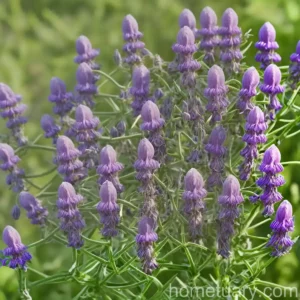
Clover, a member of the Trifolium genus, is a legume that is widely distributed throughout much of the world’s temperate and subtropical regions. These plants are known for their distinctive trifoliate leaves, typically consisting of three leaflets. The flowers of clover are also noteworthy, coming in various shades of pink, red, purple, white, or yellow, and arranged in dense, spherical flower heads.
Key Takeaways – Clover (Trifolium)
Before delving into the intricate details of clover cultivation and uses, let’s briefly outline the key takeaways related to this fascinating plant:
- Clover Plant Varieties: There are numerous species and varieties of clover, each with its unique characteristics and uses.
- Types of Trifolium Clover: Clover species encompass both annual and perennial varieties, offering options suited to various growing conditions and purposes.
- Clover Plant Characteristics: Clover plants are known for their trifoliate leaves and attractive, globe-like flower heads.
- Growing Trifolium Clover: Successful cultivation of clover involves attention to factors such as water, sunlight, soil, and fertilizer.
- Clover Plant Care Tips: Regular maintenance and proper care practices are essential for the health and vigor of clover plants.
- Trifolium Clover Species: The Trifolium genus comprises a diverse array of species, each with its unique attributes and adaptations.
- Clover Plant Uses: Clover is utilized for various purposes, ranging from agricultural and horticultural uses to ecological and traditional applications.
- Clover Plant Benefits: The benefits of clover encompass soil improvement, livestock forage, wildlife habitat, and more.
- Trifolium Clover Gardening: Understanding the specific requirements of clover is crucial for successful gardening with these plants.
- Clover Plant Symbolism: Clover has cultural and symbolic significance in various traditions and beliefs.
Now that we’ve established the primary topics of discussion, let’s delve deeper into the world of clover, exploring its cultivation, uses, folklore, and more.
Culture
The cultural significance of clover transcends geographical boundaries and encompasses various aspects, from traditional folklore and herbal remedies to agricultural practices and ecological contributions.
Clover Plant folklore and Myths
Throughout history and across different cultures, clover has held a place in folklore and myths. One of the most prominent associations with clover is the notion of finding a four-leaf clover as a symbol of good luck. In Irish folklore, each leaf of the four-leaf clover represents a different attribute: faith, hope, love, and luck. The rarity of finding a four-leaf clover contributed to the belief in its magical properties and association with good fortune.
Clover also features in traditional medicine and herbal remedies. Several cultures have used clover for its medicinal properties, including its reputed ability to purify the blood and alleviate ailments such as coughs and respiratory issues. Additionally, clover has been used in traditional cuisines and as a natural dye for textiles, adding to its cultural significance.
In agricultural folklore, clover has been a symbol of fertility and land productivity. Its ability to fix nitrogen in the soil and enhance the growth of other plants has made it a valuable asset in farming, reflecting the plant’s role in sustaining and enriching the land.
Uses
Clover serves a multitude of purposes, making it a versatile and valuable addition to various settings, including agricultural, horticultural, ecological, and cultural contexts.
Clover Plant Uses
Agricultural Uses
Forage and Livestock Feed: Clover is an important forage plant, providing a nutritious food source for livestock such as cows, sheep, and goats. Its high protein content and palatability make it a valuable component of pasture mixes.
Green Manure: As a leguminous plant, clover has the ability to fix nitrogen in the soil through its symbiotic relationship with nitrogen-fixing bacteria. This makes it an excellent green manure crop, enriching the soil with essential nutrients and improving its fertility.
Soil Erosion Control: The extensive root system of clover helps bind the soil together, making it effective in controlling erosion. This is particularly valuable in agricultural settings where soil conservation is essential.
Horticultural and Ecological Uses
Ground Cover: Certain low-growing clover species are utilized as ground cover in landscaping and gardening. Their spreading habit and ability to suppress weed growth make them an attractive choice for covering bare ground.
Pollinator Support: The nectar-rich flowers of clover attract bees and other pollinators, making it a valuable addition to gardens and natural landscapes, where it supports biodiversity and contributes to ecosystem health.
Landscaping: Clover’s ability to form dense mats of foliage makes it useful for landscaping purposes, particularly in areas where a low-maintenance ground cover is desired.
Water
Clover plants typically require consistent moisture, particularly during periods of active growth and flowering. Adequate water is essential for the establishment of clover plants and the development of healthy root systems. However, clover is generally tolerant of varied moisture levels and can adapt to a range of water conditions.
Watering Tips for Clover
Establishment Phase: During the initial establishment phase after planting, clover should be watered regularly to ensure that the soil remains consistently moist. This is crucial for encouraging strong root development and early growth.
Active Growth Period: When clover is actively growing and flowering, it may need supplemental irrigation during dry spells to maintain adequate moisture levels in the soil. However, it’s important to avoid overwatering, as excessively wet conditions can lead to disease issues and root decay.
Considerations for Container-Grown Clover: If growing clover in containers, it’s important to monitor the moisture levels of the growing medium closely. Containers may require more frequent watering, particularly during hot and dry weather.
Sunlight
Clover plants generally thrive in full sun to partial shade, depending on the specific species and growing conditions. Adequate sunlight is essential for the healthy growth and flowering of clover, as it supports photosynthesis and overall plant vigor.
Sunlight Requirements for Clover
Full Sun: Many clover species perform best when grown in full sun, where they receive at least 6-8 hours of direct sunlight each day. In full sun, clover plants typically produce more abundant foliage and flower more prolifically.
Partial Shade: Some clover varieties can tolerate partial shade, particularly in regions with intense summer heat. In such settings, partial shade can help protect the plants from excessive heat stress and may extend the duration of their flowering period.
Considerations for Indoor Growing: When growing clover indoors, providing access to bright, indirect light or direct sunlight through a window is essential for the plant’s health. Ensuring adequate light exposure is crucial for promoting vigorous growth and flowering.
Fertilizer
Clover plants benefit from balanced fertilization, particularly in soils with low nutrient content. The application of appropriate fertilizers can support the growth and vigor of clover, aiding in the development of lush foliage and abundant flowering.
Fertilization Tips for Clover
Soil Testing: Before applying fertilizers, it’s advisable to perform a soil test to determine the nutrient levels and pH of the soil. This can help in identifying specific nutrient deficiencies and guiding the appropriate fertilizer choices.
Nitrogen Fixation: As leguminous plants, clover species have the remarkable ability to fix atmospheric nitrogen with the help of nitrogen-fixing bacteria in their root nodules. This biological process allows clover to access nitrogen from the air, reducing the need for nitrogen fertilization and benefiting other plants in the vicinity.
Organic Fertilizers: In organic gardening and sustainable agriculture, the use of organic fertilizers, such as compost and well-aged manure, can provide valuable nutrients to clover plants without relying extensively on synthetic products.
Soil
Clover plants exhibit adaptability to a wide range of soil types and conditions, from well-draining loamy soils to more compacted or impoverished soils. Understanding the soil preferences and requirements of clover is crucial for ensuring successful cultivation and plant health.
Soil Requirements for Clover
Well-Draining Soil: Clover plants prefer well-draining soils that allow excess moisture to pass through and prevent waterlogging. This is important for preventing root rot and other moisture-related issues.
Soil pH: In general, clover thrives in slightly acidic to neutral soil conditions, with a pH range of 6.0 to 7.0 being ideal. Testing the soil pH can guide the application of soil amendments, such as lime or sulfur, to adjust the pH to the optimum range.
Nutrient Levels: While clover can thrive in moderately fertile to poor soils, ensuring adequate nutrient levels, particularly for phosphorus and potassium, can support robust growth and flowering.
Pruning
Pruning of clover plants is not typically required for most species, as they have a sprawling or spreading growth habit and naturally produce new growth from the base as well as from the stems. However, there are certain considerations for managing the growth and appearance of clover in specific settings.
Pruning Tips for Clover
Mowing: In agricultural and pasture settings, clover may be mowed or grazed to manage its height and encourage new growth. This can help maintain the vigor and productivity of the clover plants while providing forage for livestock.
Deadheading: Removing spent flowers can help prolong the flowering period of clover and prevent the formation of seeds. This is particularly relevant for ornamental or landscaping clover varieties where extended flowering is desired.
Trimming for Containment: In certain landscaping contexts, clover may be pruned or trimmed to contain its spread and prevent it from encroaching on other plants. This can help maintain the desired appearance and boundaries of the planting areas.
Propagation
The propagation of clover can be accomplished through several methods, including direct seeding, division, and vegetative propagation. Understanding the options for propagating clover is essential for expanding plantings and maintaining their vitality.
Propagation Methods for Clover
Direct Seeding: Many clover species can be propagated through direct seeding, where the seeds are sown directly into the prepared soil. This is a common method for establishing large areas of clover, such as in agricultural fields and meadows.
Division: Perennial clover species can be propagated through division, where established clumps of the plant are carefully divided into smaller sections, each containing roots and shoots. This allows for the multiplication of existing plants and the creation of new plantings.
Vegetative Propagation: Some clover varieties can be propagated through vegetative means, such as by taking stem cuttings or root cuttings. This method can be particularly useful for certain ornamental or specialized clover cultivars.
Planting Trifolium Clover in Containers
While clover is often grown in open fields and pastures, it can also be cultivated in containers for ornamental, horticultural, or experimental purposes. Growing clover in containers requires attention to specific care and maintenance practices to ensure the success of the plants.
Container Growing Tips for Clover
Container Selection: Choose containers with adequate drainage holes and sufficient depth to accommodate the root system of the clover plants. Additionally, consider the size of the container in relation to the growth habit of the clover species being cultivated.
Well-Draining Growing Medium: Use a well-draining potting mix or growing medium suitable for leguminous plants. This can help prevent waterlogging and promote healthy root development.
Regular Watering: Container-grown clover may require more frequent watering than plants in open ground, particularly during warm and dry conditions. Monitor the moisture levels of the growing medium and water as needed to maintain consistent moisture.
Popularity
The popularity of clover as a plant of interest spans various sectors, reflecting its significance in agriculture, horticulture, ecological conservation, and cultural contexts. Understanding the factors contributing to the popularity of clover can offer insights into its diverse applications and appeal.
Factors Contributing to Clover’s Popularity
Agricultural Value: Clover’s role as a forage crop, green manure, and soil improver has contributed to its widespread popularity in agricultural settings. Its capacity for nitrogen fixation and soil enrichment makes it an asset in sustainable farming practices.
Horticultural Appeal: Certain clover varieties, particularly those prized for their ornamental or ground cover attributes, have gained popularity in horticultural and landscaping circles. The low-maintenance nature and decorative flower heads of clover add to its appeal.
Ecological Contributions: The ecological benefits of clover, such as its role in soil conservation, pollinator support, and wildlife habitat enhancement, have heightened its popularity as a beneficial plant for ecosystem health and conservation efforts.
Cultural Significance: Clover’s association with luck, folklore, and traditional customs has contributed to its enduring popularity and iconic status in various cultures and belief systems.
Common Diseases
While clover plants are generally resistant to many pests and diseases, they can still be affected by certain issues that may impact their growth and overall health. Being aware of common diseases that affect clover can help in implementing effective preventive measures and management strategies.
Clover Plant Diseases
Powdery Mildew: Clover is susceptible to powdery mildew, a fungal disease that manifests as a powdery white growth on the leaves and stems. Providing good air circulation and avoiding overhead watering can help reduce the risk of powdery mildew.
Leaf Spot: Various fungal pathogens can cause leaf spot diseases in clover, resulting in the development of dark spots on the foliage. Maintaining proper plant spacing and removing infected plant material can aid in disease control.
Root Rots: Excessive soil moisture and poor drainage can lead to the development of root rots in clover, affecting the health and stability of the plants. Avoiding waterlogged conditions and improving soil drainage can help prevent root rot issues.
Disease Diagnosis
Diagnosing diseases in clover involves careful observation of the symptoms exhibited by the plants, as well as an understanding of the environmental conditions and cultural practices that may influence disease development. Timely and accurate diagnosis is crucial for implementing appropriate treatment and management strategies.
Diagnostic Tips for Clover Plant Diseases
Symptom Identification: Pay attention to the appearance of any abnormalities on the leaves, stems, or roots of clover plants, such as discoloration, distortion, lesions, or wilting. These symptoms can provide clues to the possible disease or pest issues affecting the plants.
Environmental Considerations: Assess the prevailing environmental conditions, such as moisture levels, temperature, and sunlight exposure, as these factors can influence the development and spread of diseases in clover.
Consultation and Resources: If uncertain about the diagnosis of clover diseases, consider seeking guidance from local agricultural extension services, plant pathology resources, or experienced horticulturists. Proper identification is crucial for implementing effective control measures.
Common Pests
Clover plants are relatively resistant to many pests due to their ability to produce chemical compounds that deter herbivorous insects. However, certain pests may still pose a threat to clover, particularly when grown in diverse ecosystems or agricultural settings.
Clover Plant Pests
Aphids: Aphids can occasionally infest clover plants, feeding on the sap and causing distortions and stunted growth. Natural predators and beneficial insects can help keep aphid populations in check.
Leafhoppers: These small, wedge-shaped insects can feed on the sap of clover plants, causing stippling on the foliage and potentially transmitting viral diseases.
Weevils: Certain weevil species can feed on clover leaves and stems, leading to visible damage and reduced plant vigor. Monitoring populations and employing cultural and biological control methods can mitigate weevil issues.
Botanist’s Tips
As a plant scientist, here are some additional tips and insights related to the cultivation and appreciation of clover plants:
-
Biodiversity Enhancement: Introducing diverse species of clover into natural and managed ecosystems can contribute to biodiversity, support beneficial insects and wildlife, and contribute to ecological resilience.
-
Crop Rotation Benefits: Including clover in crop rotation schedules can enhance soil fertility, reduce the reliance on synthetic fertilizers, and provide natural pest and disease control benefits for subsequent crops.
-
Companion Planting: Clover can be incorporated into companion planting schemes, where it can provide nitrogen fixation, attract pollinators, and act as a living mulch to support the growth of neighboring plants.
-
Educational Resource: Clover plants can serve as valuable educational resources in schools, botanical gardens, and community programs, providing insights into plant biology, ecological interactions, and sustainable agriculture.
Fun Facts
To appreciate the allure and charm of clover, here are some intriguing and delightful fun facts about these versatile plants:
-
Four-Leaf Clover Odds: The chances of finding a four-leaf clover are estimated to be about 1 in 5,000, making them a rare and sought-after symbol of good luck.
-
Clover Honey: Bees foraging on clover flowers produce a distinct and flavorful honey that is cherished by honey enthusiasts for its mild and sweet taste.
-
Cultural Symbolism: In various cultures, clover has been associated with different forms of symbolism, ranging from good fortune and prosperity to love and protection.
-
Widespread Distribution: Clover species are found on every continent except Antarctica, highlighting the adaptability and resilience of these plants in diverse climates and environments.
Links to External Resources
To enhance your knowledge and exploration of clover plants, consider exploring the following external resources:
- USDA Natural Resources Conservation Service – Clovers
- University of California Integrated Pest Management – Clover
- Royal Horticultural Society – Trifolium
- PennState Extension – Clover Establishment and Management
- Botanical Society of America – Trifolium
Through these resources, you can delve deeper into the world of clover, explore specific species and cultivars, and access valuable information on their cultivation, uses, and ecological significance.