Nico Swedish Ivy (Plectranthus ‘nico’)
Nico Swedish Ivy, scientifically known as Plectranthus ‘nico’, is a charming and versatile plant that has gained popularity as a houseplant for its.
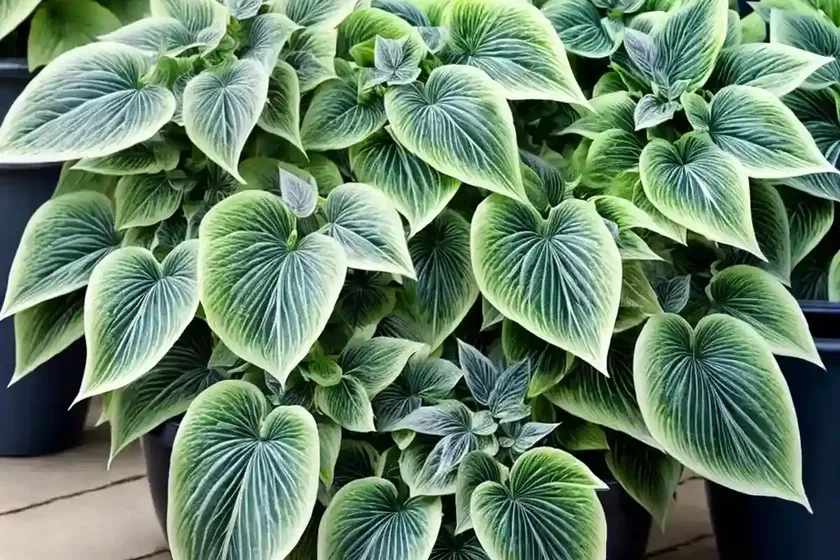
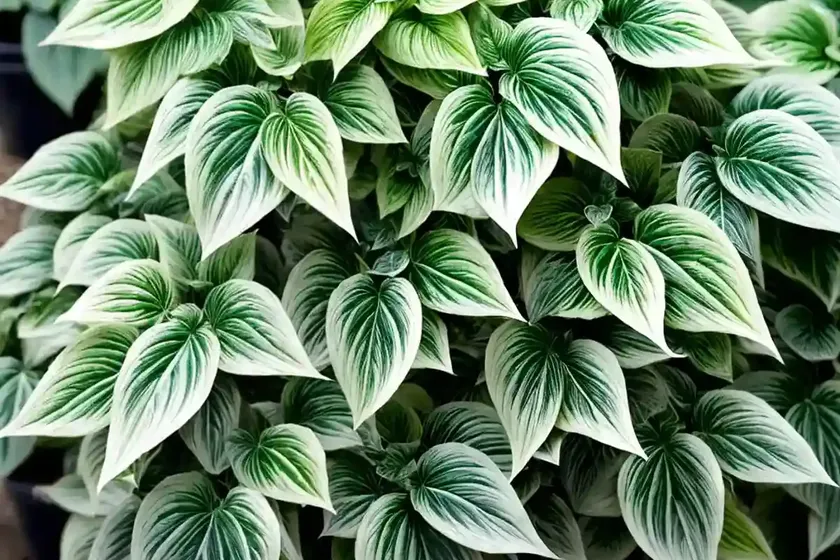
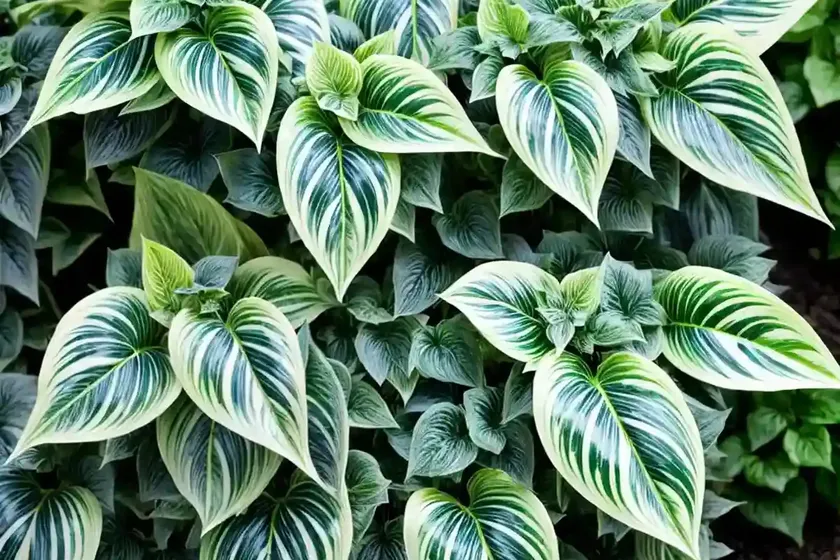
Nico Swedish Ivy, scientifically known as Plectranthus ‘nico’, is a charming and versatile plant that has gained popularity as a houseplant for its attractive foliage and ease of care. In this guide, we will explore the various aspects of caring for and cultivating this beautiful plant, from its cultural requirements to propagation techniques and common diseases. Whether you are a novice plant parent or an experienced gardener, the Nico Swedish Ivy is an excellent addition to any indoor space, and by the end of this guide, you will be equipped with the knowledge to ensure its thriving growth.
What is Plectranthus ‘nico’?
Plectranthus ‘nico,’ commonly known as Nico Swedish Ivy, is a species of flowering plant in the family Lamiaceae. It is native to Southern Africa and is prized for its trailing growth habit and ornamental foliage. The leaves of Nico Swedish Ivy are typically rounded and veined, with a lush green color that brings a refreshing touch of nature to interior spaces. This plant is frequently grown as a houseplant, where its cascading stems and vibrant leaves make it a popular choice for hanging baskets and decorative containers.
Key Takeaways – Nico Swedish Ivy (Plectranthus ‘nico’)
Before delving into the specific care guidelines for the Nico Swedish Ivy, let’s highlight the key takeaways that will be covered in this comprehensive guide:
-
Culture: Understanding the cultural requirements of Nico Swedish Ivy is essential for creating an optimal growing environment.
-
Uses: Explore the various uses of Nico Swedish Ivy, from decorative purposes to potential health benefits.
-
Water: Proper watering is crucial for the health of the plant. Learn the best practices for watering Nico Swedish Ivy to prevent issues like overwatering or underwatering.
-
Sunlight: Discover the sunlight needs of Nico Swedish Ivy and how to provide the ideal light conditions for robust growth.
-
Fertilizer: A balanced approach to fertilizing Nico Swedish Ivy is key to promoting lush foliage and healthy growth.
-
Soil: The right soil composition is vital for the plant’s well-being. Learn about the ideal soil requirements for Nico Swedish Ivy.
-
Pruning: Regular pruning helps maintain the plant’s shape and encourages bushier growth. Find out how to properly prune Nico Swedish Ivy for optimal results.
-
Propagation: Explore the methods for propagating Nico Swedish Ivy, whether for expanding your plant collection or sharing with fellow gardening enthusiasts.
-
Container Popularity: Nico Swedish Ivy is well suited for container gardening. Discover the best container options and care tips for growing this plant in pots.
-
Common Diseases: Recognizing and addressing common diseases is crucial for preserving the health of Nico Swedish Ivy.
-
Disease Diagnosis: Learn how to identify and manage potential diseases that may affect Nico Swedish Ivy.
-
Common Pests: Explore the pests that may pose a threat to Nico Swedish Ivy and effective control measures.
-
Botanist’s Tips: Gain insights from professional botanists on caring for and maximizing the beauty of Nico Swedish Ivy.
-
Fun Facts: Delight in interesting and intriguing facts about Nico Swedish Ivy that showcase its unique characteristics.
-
Links to External Resources: Access additional information and resources for further exploration of Nico Swedish Ivy care and cultivation.
With these key takeaways in mind, let’s embark on a comprehensive journey through the world of Nico Swedish Ivy care and cultivation.
Culture
Understanding the cultural requirements of Nico Swedish Ivy is essential in creating a nurturing environment that supports its growth and well-being. By addressing its cultural needs, you can ensure that your plant thrives and continues to bring joy and beauty to its surroundings.
Uses
Decorative Purposes
Nico Swedish Ivy is prized for its ornamental foliage, making it an ideal choice for adding a touch of greenery to various indoor spaces. Its trailing growth habit and vibrant leaves make it suitable for hanging baskets, cascading planters, and as a trailing accent in mixed container gardens. Whether positioned in a living room, kitchen, or office, Nico Swedish Ivy adds a refreshing and visually appealing element to the environment.
Health Benefits
In addition to its aesthetic value, plants like Nico Swedish Ivy may contribute to improved indoor air quality by capturing certain pollutants and releasing oxygen. While further research is needed to fully understand the specific air-purifying capabilities of individual plant species, the presence of greenery in indoor spaces has been associated with potential benefits for overall well-being.
Water
Proper watering is a critical aspect of Nico Swedish Ivy care, as it directly impacts the plant’s health and vitality. Understanding the water requirements of this plant will enable you to maintain an optimal moisture level in the soil, providing a conducive environment for robust growth.
Watering Tips for Swedish Ivy
-
Moderation is Key: Allow the soil to dry slightly between waterings, as Nico Swedish Ivy is sensitive to overwatering. Aim to maintain a consistent level of moisture without waterlogging the soil.
-
Observation is Essential: Monitor the plant closely to gauge its water needs. Factors such as indoor temperature, humidity levels, and the size of the container will influence the frequency of watering.
-
Quality of Water: Use water that is at room temperature and free from chlorine or other chemicals that could negatively impact the plant. If possible, allow tap water to stand for a few hours to dissipate any chlorine before using it to water your plants.
-
Bottom-Up Watering: Consider using a bottom-up watering method for Nico Swedish Ivy. Place the container in a saucer of water and allow the soil to absorb moisture from the bottom. After a brief period, empty any excess water from the saucer to prevent waterlogging.
-
Signs of Underwatering: If the leaves of Nico Swedish Ivy start to wilt or lose their vibrancy, it may indicate that the plant requires more frequent watering.
-
Preventing Overwatering: Ensure that the container has proper drainage to prevent water from accumulating at the bottom. Overly wet soil can lead to root rot and other water-related issues.
By following these watering tips and adapting them to the specific conditions of your indoor environment, you can provide the appropriate moisture levels for Nico Swedish Ivy, fostering healthy and vibrant growth.
Sunlight
Understanding the sunlight needs of Nico Swedish Ivy is essential for creating an environment that supports its photosynthetic processes and overall well-being. While this plant is prized for its ability to thrive in low-light conditions, providing adequate light remains crucial for promoting robust growth and maintaining the plant’s ornamental features.
Nico Swedish Ivy Sunlight Needs
-
Low-Light Tolerance: Nico Swedish Ivy exhibits excellent tolerance to low-light conditions, making it well suited for interiors with limited natural light. This characteristic makes it an ideal option for spaces such as offices, apartments, and rooms with north-facing windows.
-
Indirect Sunlight: While the plant can thrive in low-light environments, providing indirect sunlight is beneficial for maintaining the vibrancy and coloration of its foliage. Positioning Nico Swedish Ivy near a window where it can receive gentle, filtered sunlight is ideal.
-
Avoid Direct Sun Exposure: Shield Nico Swedish Ivy from direct sun exposure, especially during the intense midday hours. Direct sunlight can lead to leaf scorching and may adversely affect the plant’s health.
-
Adjusting Light Levels: If you notice that the plant’s growth is becoming leggy or the leaves are losing their color, consider adjusting its position to receive slightly more indirect light.
By accommodating the sunlight needs of Nico Swedish Ivy within your indoor environment, you can create an ideal setting for its flourishing growth, resulting in lush and vibrant foliage.
Fertilizer
Fertilizing Nico Swedish Ivy is a key component of its care regimen, as it provides essential nutrients that support healthy growth and abundant foliage. When applied thoughtfully and in accordance with the plant’s growth phases, fertilizer can greatly enhance the vigor and visual appeal of Nico Swedish Ivy.
Fertilizer Requirements for Swedish Ivy
-
Balanced Fertilizer: Utilize a balanced, all-purpose fertilizer formulated for houseplants to provide the necessary nutrients for Nico Swedish Ivy. A water-soluble fertilizer with a balanced N-P-K ratio is suitable for promoting lush foliage and overall plant health.
-
Frequency of Application: During the growing season, which typically spans from spring to early fall, apply fertilizer to Nico Swedish Ivy every four to six weeks. Reduce or halt fertilization during the plant’s dormant or resting phase in late fall and winter.
-
Reduced Strength for Indoor Plants: When applying fertilizer to indoor plants like Nico Swedish Ivy, dilute the fertilizer to half the recommended strength to prevent overfeeding and minimize the risk of fertilizer burn.
-
Avoid Fertilizing Stressed Plants: Refrain from fertilizing Nico Swedish Ivy if it is experiencing stress due to factors such as overwatering, inadequate light, or pest infestations. Address the underlying issues before resuming the fertilizer regimen.
-
Organic Alternatives: If you prefer organic or natural alternatives, consider using compost tea or organic liquid fertilizers tailored for indoor plants. These options provide a gentler and more sustainable approach to plant nutrition.
By incorporating these fertilization practices into your care routine for Nico Swedish Ivy, you can supply the plant with essential nutrients for robust growth and striking foliage, enhancing its decorative appeal within your living space.
Soil
Understanding the soil requirements of Nico Swedish Ivy is essential for providing a conducive growing medium that supports the plant’s root development, nutrient uptake, and overall well-being. By selecting and maintaining the appropriate soil composition, you can create an environment that promotes the vigorous growth and ornamental beauty of your plant.
Nico Swedish Ivy Soil Requirements
-
Well-Draining Soil: Choose a well-draining potting mix that allows excess moisture to flow through easily. Avoid heavy or compacted soils that retain water, as they can lead to root rot and other moisture-related issues.
-
Peat-Based Mix: A quality potting mix containing peat moss as a primary ingredient is well-suited for Nico Swedish Ivy. Peat moss provides moisture retention while facilitating aeration and root health.
-
Vermiculite or Perlite Addition: Incorporating vermiculite or perlite into the potting mix promotes additional drainage and aeration, contributing to a balanced and healthy soil environment.
-
Sterilized Soil: Ensure that the potting mix is sterilized to minimize the presence of pathogens and potential issues with soil-borne diseases. Sterilized soil promotes a clean and hygienic growing medium for Nico Swedish Ivy.
-
Soil pH: While Nico Swedish Ivy is adaptable to a range of soil pH levels, a slightly acidic to neutral pH (around 6.0 to 7.0) is generally favorable for its growth and nutrient uptake.
By providing Nico Swedish Ivy with a well-suited and nutrient-rich soil environment, you can contribute to the plant’s robust root development and overall health, fostering its lush and vibrant appearance.
Pruning
Regular pruning is an important aspect of maintaining the aesthetic appeal and overall health of Nico Swedish Ivy. By strategically trimming the plant, you can encourage bushier growth, control its shape, and address any issues related to overgrowth or legginess.
Nico Swedish Ivy Pruning Techniques
-
Pinching Back: Use your fingers or pruning shears to pinch or trim the tips of the stems, encouraging branching and a fuller growth habit. Regular pinching can prevent the plant from becoming leggy and promote lush foliage close to the soil level.
-
Removing Leggy Growth: If you notice long, bare stems or leggy growth, prune these sections to redirect the plant’s energy towards the remaining foliage. This promotes a denser and more attractive appearance.
-
Prune for Shape: Adjust the overall shape of Nico Swedish Ivy by selectively removing wayward stems or overgrown sections. This allows you to maintain a tidy and well-proportioned appearance for the plant.
-
Pruning Frequency: Aim to prune Nico Swedish Ivy every few weeks or as needed, especially during the active growing season. Regular maintenance pruning prevents the plant from becoming unruly and supports its overall vigor.
-
Sanitize Pruning Tools: Before and after pruning sessions, ensure that your pruning tools are clean and sanitized to minimize the risk of introducing pathogens or causing damage to the plant.
By implementing these pruning techniques as part of your care routine, you can effectively shape and maintain the pleasing appearance of Nico Swedish Ivy, enhancing its visual impact within your indoor space.
Propagation
Propagating Nico Swedish Ivy offers the opportunity to expand your plant collection, share the joy of gardening with others, and ensure the longevity of this charming species. By employing suitable propagation techniques, you can produce new plants from existing specimens, creating a continuous cycle of growth and beauty.
Indoor Plant Propagation Techniques
Stem Cuttings
-
Selecting Healthy Stems: Choose a healthy and non-flowering stem from the parent plant for propagation. Look for a section with no signs of disease or damage.
-
Cutting Preparation: Use sharp, sterile shears to take a 3 to 4-inch cutting from the selected stem. Make the cut just below a node, which is where the leaf meets the stem.
-
Rooting Medium: Place the stem cutting in a container filled with a well-draining potting mix. Ensure that the soil remains consistently moist but not waterlogged during the rooting process.
-
Root Development: Position the container in a warm and brightly lit area, providing indirect sunlight for the developing cutting. Over time, roots will develop from the base of the cutting, indicating successful propagation.
-
Transplanting: Once the cutting has established a healthy root system, transplant it into a suitable container with well-draining soil, continuing its care as a mature plant.
By employing successful propagation techniques such as stem cuttings, you can create new instances of Nico Swedish Ivy, expanding your greenery and sharing the joy of gardening with others.
Container Popularity
Nico Swedish Ivy is highly popular for container gardening due to its trailing growth habit, attractive foliage, and adaptability to indoor environments. A wide range of container options can be utilized to accommodate this plant, providing flexibility in incorporating it into various areas of your home or workspace.
Container Options for Swedish Ivy
-
Hanging Baskets: The cascading nature of Nico Swedish Ivy makes it an excellent choice for hanging baskets, where its trailing stems can gracefully drape over the sides, adding visual interest to elevated spaces.
-
Decorative Planters: Choose decorative planters or containers that complement the aesthetic of your interior décor. Nico Swedish Ivy can be showcased as a standalone specimen or combined with other plants to create visually appealing arrangements.
-
Terrariums and Dish Gardens: Incorporate Nico Swedish Ivy into terrariums or dish gardens to create miniaturized landscapes and indoor ecosystems. Its small stature and trailing growth lend well to these compact environments.
-
Window Boxes: Utilize window boxes for growing Nico Swedish Ivy in exterior or interior window spaces, allowing the plant to receive ample natural light while enhancing the exterior façade or interior ambiance.
-
Vertical Planters: Explore vertical planting systems or living wall arrangements to incorporate Nico Swedish Ivy into vertical spaces, such as feature walls or designated greenery installations.
By selecting suitable containers and creatively integrating Nico Swedish Ivy into your living spaces, you can enjoy the aesthetic appeal and decorative versatility of this charming plant.
Common Diseases
While Nico Swedish Ivy is generally resilient, it may be susceptible to certain diseases if growing conditions are unfavorable or if proper care practices are not followed. Recognizing common diseases and addressing them promptly is crucial for maintaining the health and vigor of the plant.
Disease Diagnosis for Swedish Ivy
Root Rot
-
Symptoms: Yellowing or wilting of foliage, deterioration of root system, and a foul odor emanating from the soil. The plant may exhibit stunted growth and a general decline in health.
-
Cause: Overly wet or waterlogged soil that leads to the proliferation of root-damaging pathogens such as Pythium or Phytophthora.
-
Management: Address root rot by adjusting the plant’s watering regimen to prevent waterlogging, improving soil drainage, and possibly repotting the plant in fresh, well-draining soil.
Botrytis Blight
-
Symptoms: Grayish-brown lesions on foliage, often accompanied by a fuzzy or mold-like appearance. The affected leaves may become twisted, discolored, and eventually succumb to the disease.
-
Cause: High humidity, poor air circulation, or extended periods of leaf wetness, creating conditions conducive to the development of the fungal pathogen Botrytis cinerea.
-
Management: Remove affected foliage promptly to prevent the spread of the disease. Improve ventilation around the plant and consider reducing humidity levels to minimize the risk of Botrytis blight.
Powdery Mildew
-
Symptoms: White or gray powdery patches on the upper surface of leaves, often accompanied by leaf distortion and stunted growth. Severely affected leaves may exhibit premature yellowing or dropping.
-
Cause: High humidity and moderate temperatures create an environment conducive to the growth of the fungal pathogen Erysiphe or Sphaerotheca.
-
Management: Improve air circulation around the plant and consider adjusting humidity levels to discourage powdery mildew. Application of appropriate fungicidal treatments may be necessary in severe cases.
By familiarizing yourself with the symptoms and causes of common diseases such as root rot, Botrytis blight, and powdery mildew, you can promptly diagnose and address any issues that may arise, safeguarding the well-being of Nico Swedish Ivy.
Common Pests
While Nico Swedish Ivy is relatively resistant to pests, it may occasionally attract certain insects that can affect its health and aesthetic appeal. Identifying common pests and implementing effective control measures is essential for preserving the vitality of the plant.
Pest Control for Swedish Ivy
Aphids
-
Identification: Small, soft-bodied insects that may be green, black, or other colors. They tend to cluster on the undersides of leaves and are capable of rapid reproduction.
-
Management: Use a strong stream of water to dislodge aphids from the plant or apply insecticidal soap or neem oil for persistent infestations. Regular monitoring and prompt action can prevent widespread damage.
Spider Mites
-
Identification: Tiny arachnids that cause stippling, discoloration, and webbing on the foliage of affected plants. They may be visible as small specks moving on the leaves.
-
Management: Boost humidity and regularly mist the foliage to deter spider mites. An application of horticultural oil or insecticidal soap may also be effective in controlling infestations.
Mealybugs
-
Identification: Soft-bodied insects covered in a white, waxy substance, often found in protected areas of the plant, such as leaf axils and stem joints.
-
Management: Use a cotton swab dipped in rubbing alcohol to target individual mealybugs or supplement with an application of insecticidal soap for larger infestations. Examine the plant closely to detect and address hidden colonies.
By vigilantly monitoring for the presence of pests such as aphids, spider mites, and mealybugs, and employing appropriate management techniques, you can effectively safeguard Nico Swedish Ivy from potential infestations and maintain its health and beauty.
Botanist’s Tips
Gain insights and advice from professional botanists and horticulturists on caring for Nico Swedish Ivy to maximize its ornamental appeal and ensure its prolonged health and vitality.
Expert Insights on Swedish Ivy Care
Dr. Chelsea Collins, Botanical Researcher
“As a plant researcher, I often recommend Nico Swedish Ivy to gardening enthusiasts, especially those who may be new to indoor plant care. This species is


