Mahala-mat (Ceanothus Prostratus)
In the world of horticulture and landscaping, plant enthusiasts are continually seeking new and unique species to incorporate into their gardens. One such.
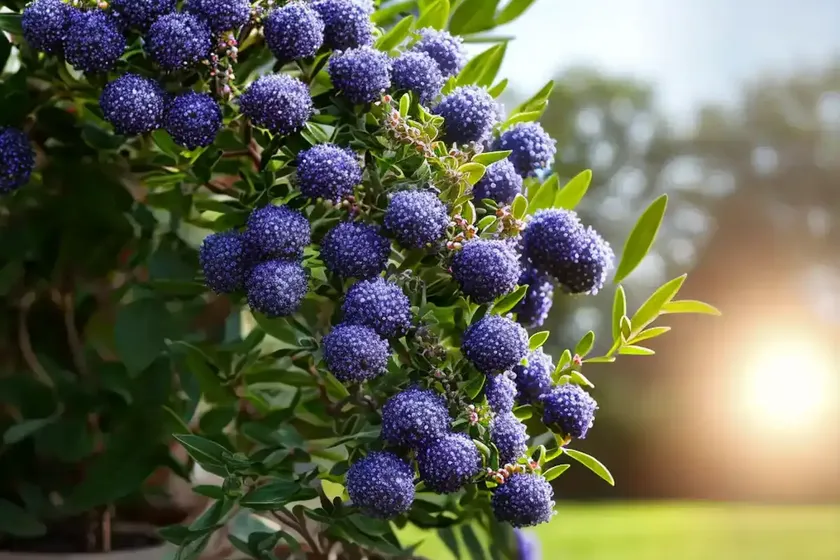
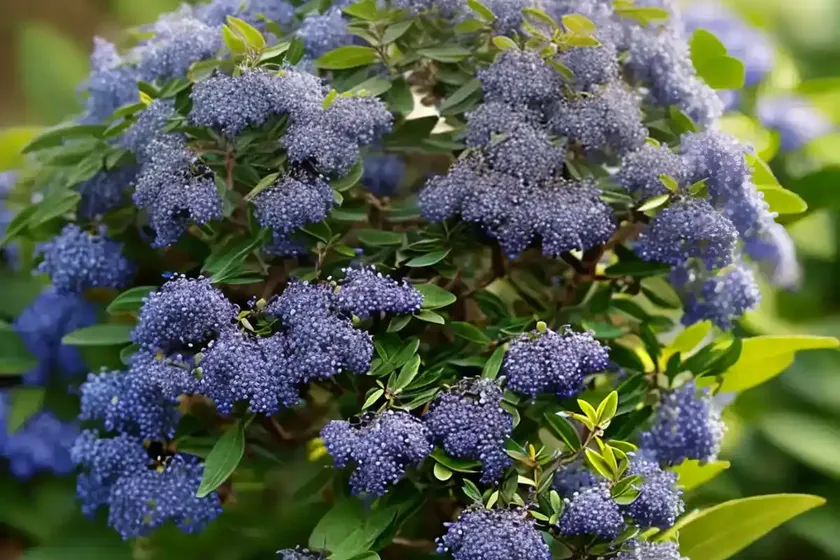
In the world of horticulture and landscaping, plant enthusiasts are continually seeking new and unique species to incorporate into their gardens. One such plant that has gained attention for its distinct features and versatile uses is the Mahala-mat, scientifically known as Ceanothus Prostratus. This sprawling evergreen shrub is native to the western United States and is valued for its stunning blue flowers, drought tolerance, and wildlife-attracting properties.
In this comprehensive guide, we will delve into all aspects of Mahala-mat plant care, from its cultivation and maintenance to its uses in landscaping and its ecological significance. Whether you are a seasoned gardener or a novice green thumb, this resource will provide valuable insights into harnessing the beauty and benefits of the Mahala-mat plant in diverse garden settings.
What is Mahala-mat (Ceanothus Prostratus)?
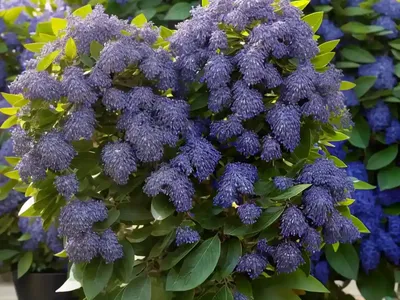
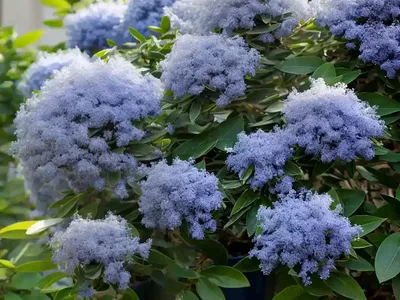
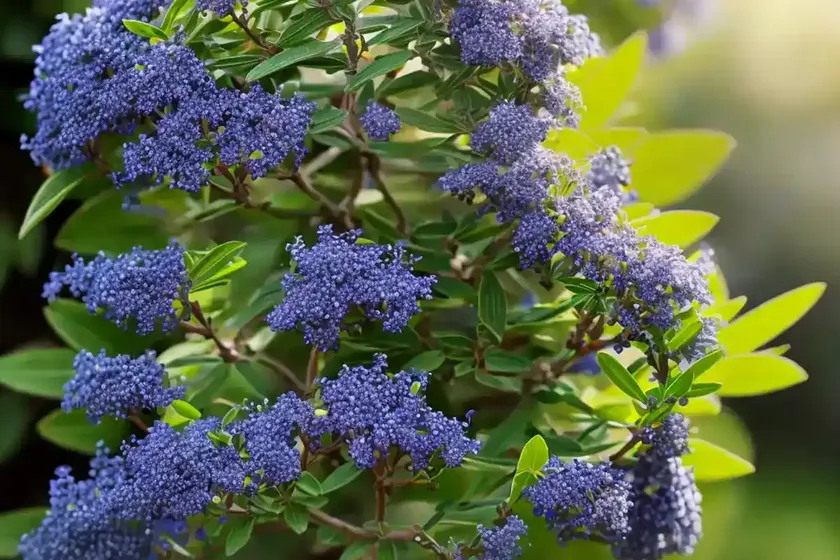
Mahala-mat, or Ceanothus Prostratus, is a low-growing, spreading shrub belonging to the Ceanothus genus within the buckthorn family, Rhamnaceae. The plant is characterized by its prostrate growth habit, with sprawling branches that form dense mats of glossy, dark green foliage. One of the most striking features of the Mahala-mat plant is its prolific display of small, deep blue to violet flowers that adorn the shrub in early to mid-spring, creating a breathtaking visual impact.
The botanical name Ceanothus is derived from the Greek word “keanothos,” which refers to a spiny plant, while the specific epithet “Prostratus” alludes to its prostrate or trailing growth habit. This evergreen shrub is indigenous to the coastal regions of California and Oregon, where it thrives in the wild, contributing to the local ecosystems and supporting various native wildlife species.
Key Takeaways – Mahala-mat (Ceanothus Prostratus)
Before delving into the specifics of Mahala-mat plant care, it is beneficial to understand the fundamental aspects that contribute to its successful cultivation and utilization in both residential and commercial landscapes. Let’s explore the key takeaways associated with the Mahala-mat plant, ranging from its cultural requirements to its ecological significance.
Culture
- Botanical Name: Ceanothus Prostratus
- Common Name: Mahala-mat
- Plant Type: Evergreen shrub
- Growth Habit: Low-growing, prostrate
- Flower Color: Deep blue to violet
- Foliage: Glossy, dark green
- Native Range: Coastal regions of California and Oregon
Uses
- Landscaping: Ground cover, erosion control
- Wildlife Attraction: Pollinator interactions, wildlife shelter
- Medicinal Properties: Traditional medicinal uses
The cultural significance, uses, and ecological roles of the Mahala-mat plant underscore its value as a multifaceted species that contributes to the aesthetics, biodiversity, and ecological balance of its native habitats.
Mahala-mat Plant Care
The successful cultivation and care of Mahala-mat (Ceanothus Prostratus) hinge upon understanding and meeting its specific requirements in terms of water, sunlight, fertilization, soil, pruning, and propagation. In the following sections, we will delve into each of these aspects in detail, providing comprehensive guidelines for nurturing and maintaining this captivating shrub in diverse garden settings.
Water
Water is a fundamental requirement for the healthy growth and development of the Mahala-mat plant. While it exhibits good drought tolerance once established, it is essential to provide adequate moisture, especially during the establishment phase and extended periods of dry weather.
- Establishment: Regular watering to establish root system
- Mature Plants: Deep, infrequent watering
- Water Needs: Moderate, well-drained soil
- Drought Tolerance: High once established
The water needs of the Mahala-mat plant should be tailored to the specific environmental conditions and growth stage of the shrub to ensure optimal health and vitality.
Sunlight
As with many plants, sunlight plays a crucial role in the growth and flowering of the Mahala-mat (Ceanothus Prostratus). Understanding its sunlight requirements is imperative for selecting appropriate planting locations and ensuring robust growth and blooming.
- Sun Exposure: Full sun to partial shade
- Optimal Light: Full sun for best flowering
- Shade Tolerance: Moderate
- Microclimatic Conditions: Consider local sun exposure variations
The sun exposure preferences of the Mahala-mat plant should be considered when planning its placement in a garden or landscape to maximize its ornamental value and overall vigor.
Fertilizer
Appropriate fertilization is essential for promoting healthy growth and vibrant flowering in the Mahala-mat plant. Understanding its fertilizer requirements and application techniques will contribute to the long-term success of this species in various garden settings.
- Nutrient Needs: Balanced fertilizer for woody plants
- Application Frequency: Once a year in spring
- Avoid Overfeeding: Moderate feeding to prevent excessive growth
The judicious application of fertilizer based on the specific needs of the Mahala-mat plant will support its overall health and floral abundance without inducing excessive vegetative growth.
Soil
The soil composition and quality play a pivotal role in the growth, establishment, and longevity of the Mahala-mat (Ceanothus Prostratus). Understanding its soil preferences and making necessary amendments are critical for ensuring optimal performance in garden landscapes.
- Soil Type: Well-drained, sandy loam
- Acidity: Slightly acidic to neutral (pH 6.0–7.0)
- Native Habitats: Coastal and rocky soils
- Amendments: Organic matter for moisture retention
Tailoring the soil conditions to suit the preferences of the Mahala-mat plant will create an environment conducive to its robust growth and overall well-being.
Pruning
Pruning is an essential aspect of Mahala-mat plant maintenance, influencing its form, flowering capacity, and overall health. Employing appropriate pruning techniques at the right time will contribute to the aesthetic appeal and longevity of this captivating shrub.
- Pruning Time: After flowering in late spring
- Purpose: Shape control, rejuvenation
- Minimal Pruning: Light trimming to maintain natural form
Pruning the Mahala-mat plant at the optimal time and using proper techniques will enhance its ornamental value and promote a healthy, well-structured growth habit.
Propagation
The propagation of Mahala-mat plants allows for the generation of new specimens and the expansion of their presence in diverse garden and landscape settings. Understanding the propagation methods and best practices will enable enthusiasts to propagate this species successfully.
- Propagation Methods: Seeds, softwood cuttings
- Optimal Timing: Late spring to early summer
- Rooting Conditions: Warm, moist environment
- Seed Collection: Timing and method for seed collection
Effectively propagating the Mahala-mat plant through suitable methods will facilitate its cultivation and incorporation into various horticultural designs and ecological restoration efforts.
Container Popularity
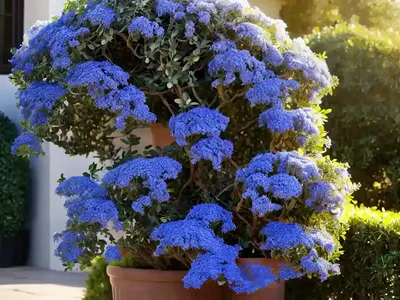
The adaptable nature and ornamental appeal of the Mahala-mat plant make it a popular choice for container gardening. Its low-growing, spreading habit and stunning floral display lend themselves well to container cultivation, making it an attractive option for those with limited garden space or a preference for versatile container plants.
Container Common Diseases
Despite its resilience, the Mahala-mat plant may be susceptible to certain diseases and pests, especially when grown in containers. Understanding the common ailments and ensuring appropriate care will contribute to the overall health and vigor of container-grown specimens.
Disease Diagnosis
- Powdery Mildew: Symptoms, prevention, and management
- Root Rot: Causes, prevention, and remedial measures
- Leaf Spot: Identification and control strategies
- Aphid Infestation: Signs and targeted treatments
Common Pests
Pests can pose a threat to the health and vitality of container-grown Mahala-mat plants, necessitating vigilance and timely intervention to mitigate potential damage.
Botanist’s Tips
- Regular Monitoring: Vigilance in detecting early signs of pest infestation
- Integrated Pest Management: Environmentally sensitive pest control methods
- Beneficial Insects: Encouraging natural predators to control pests
Employing effective pest control measures will safeguard container-grown Mahala-mat plants from potential infestations and preserve their ornamental and ecological value.
Fun Facts
- The genus name Ceanothus is derived from the Greek word “keanothos,” which refers to a spiny plant, alluding to the thorny nature of some species within the genus.
- Mahala-mat (Ceanothus Prostratus) is valued for its strong attraction to pollinators, including bees, butterflies, and hummingbirds, contributing to the ecological diversity of its native habitats.
Links to External Resources
For further information on Ceanothus Prostratus and its cultivation, care, and ecological significance, the following external resources provide valuable insights:
- Wildflower.org – Ceanothus Prostratus
- California Native Plant Society – Ceanothus Prostratus
- Calflora – Ceanothus Prostratus
The reliable information and resources available through these platforms serve as valuable supplements to the comprehensive guide to Mahala-mat (Ceanothus Prostratus) provided in this article.
In conclusion, the Mahala-mat (Ceanothus Prostratus) stands as a captivating and valuable addition to garden landscapes and ecological restoration initiatives. From its stunning floral display and low-maintenance requirements to its wildlife-attracting properties and ecological resilience, this species exemplifies the beauty and functionality of native plants. By understanding and implementing the cultivation and care guidelines outlined in this guide, plant enthusiasts can harness the full potential of the Mahala-mat plant in creating aesthetically pleasing, biodiverse, and sustainable garden environments.