What is Red Clover (Trifolium Pratense)?
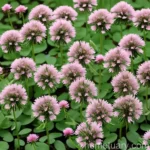
Red clover, scientifically known as Trifolium pratense, is a versatile and valuable plant that belongs to the Fabaceae family. It is native to Europe, Western Asia, and Northwest Africa, and has become naturalized in many other parts of the world due to its popularity and adaptability. Red clover is commonly recognized for its vibrant pink to red flowers and is often used for its various agricultural, medicinal, and ecological benefits.
As a plant scientist with a passion for exploring the intricate world of plants, I am excited to delve into the captivating realm of Red Clover. In this comprehensive guide, we will unravel the captivating facets of this remarkable plant, including its culture, uses, maintenance, and much more. So, let’s embark on an enlightening journey into the realm of Red Clover!
Key Takeaways – Red Clover (Trifolium Pratense)
Before we dive into the specifics of Red Clover, let’s highlight some key takeaways that will serve as the foundation for our exploration:
- Scientific Name: Trifolium pratense
- Common Name: Red Clover
- Family: Fabaceae
- Native Habitat: Europe, Western Asia, Northwest Africa
- Prominent Feature: Vibrant pink to red flowers
Now that we have an overview of the essential details surrounding Red Clover, let’s journey into the core aspects that define this remarkable plant.
Culture
The cultural requirements of Red Clover are pivotal in ensuring its optimal growth and development. Understanding its preferences for water, sunlight, soil, and other factors is crucial for cultivating this plant successfully.
Water
Red clover thrives in well-drained soil with moderate moisture levels. While it can tolerate mild drought, consistent watering is essential, particularly during dry spells. However, it’s important to avoid overwatering, as excessively moist conditions can lead to root rot and other issues.
Sunlight
This resilient plant exhibits a preference for full sun to partial shade. Providing it with adequate sunlight is crucial for robust growth and abundant flowering. In regions with scorching summers, partial shade can offer protection from intense heat, thereby preventing stress and potential sunburn.
Fertilizer
When it comes to fertilization, Red Clover benefits from a balanced approach. Incorporating a phosphorus-rich fertilizer can support healthy root development, while a moderate application of nitrogen can bolster its overall vigor. It’s important to monitor the soil’s nutrient levels and adjust the fertilizer regimen accordingly.
Soil
Red clover thrives in well-drained, fertile soil with a slightly acidic to neutral pH. Loamy or sandy loam soil types are particularly well-suited for this plant, providing the right balance of drainage and moisture retention. Conducting a soil test can offer valuable insights into the soil composition, enabling targeted amendments for optimal growth.
Uses
The multifaceted nature of Red Clover extends to its diverse uses, spanning agricultural, medicinal, and ecological applications. Let’s explore the various ways in which this remarkable plant contributes to different spheres.
Agricultural Uses
Red Clover is highly valued in agriculture for its role as a forage crop and green manure. It serves as an excellent source of nutrition for livestock, providing a valuable feed option that contributes to their health and well-being. Furthermore, its ability to fix nitrogen in the soil enhances fertility, making it a beneficial component of crop rotation systems.
Medicinal Uses
In the realm of traditional and herbal medicine, Red Clover has garnered attention for its potential health benefits. It has been used in herbal preparations and teas, with purported properties that may support aspects of women’s health and overall well-being. Additionally, its potential as a natural remedy for certain ailments has piqued the interest of herbalists and health enthusiasts.
Ecological Uses
Beyond its agricultural and medicinal significance, Red Clover plays a crucial role in ecological conservation. As a nitrogen-fixing plant, it contributes to soil fertility and ecosystem resilience. Furthermore, its vibrant blooms attract pollinators, supporting biodiversity and aiding in the sustenance of vital insect populations.
Pruning
Pruning is a key aspect of Red Clover maintenance, particularly in agricultural and landscaping contexts. While wild populations may not require extensive pruning, cultivated varieties benefit from strategic pruning to enhance productivity and overall plant health.
Forage Production
In agricultural settings, periodic mowing or grazing can facilitate optimal forage production. By removing excessive growth and promoting dense regrowth, the plant can maintain its vigor and nutritional quality, thus benefiting grazing animals and supporting sustainable agricultural practices.
Landscaping
For ornamental or landscaping purposes, selective pruning can shape the plant and encourage prolific flowering. Trimming back spent blossoms can prolong the flowering period, while maintaining a balanced growth structure contributes to an aesthetically pleasing display in garden landscapes.
Propagation
The propagation of Red Clover can be achieved through various methods, each offering distinct advantages and considerations. Understanding the different propagation techniques is essential for expanding Red Clover populations and leveraging its diverse benefits.
Seed Propagation
Propagating Red Clover from seeds is a common and straightforward method that enables the efficient expansion of its presence. Sowing seeds in well-prepared soil during the appropriate planting season can yield robust seedlings, initiating the establishment of new stands of Red Clover.
Division
For established Red Clover plants, division presents an opportunity to propagate and rejuvenate existing clusters. By carefully dividing the plant into smaller sections and transplanting them into suitable locations, this method can facilitate the regeneration of mature Red Clover populations.
Rhizome Cuttings
In some cases, utilizing rhizome cuttings can expedite the propagation process, particularly for specific cultivars or ecological restoration initiatives. Extracting sections of healthy rhizomes and transplanting them into conducive environments can promote the rapid establishment of new Red Clover colonies.
Container Popularity
While Red Clover is widely recognized for its presence in agricultural fields and natural landscapes, its appeal as a container plant should not be overlooked. The adaptability of Red Clover makes it well-suited for container cultivation, offering a host of opportunities for individuals and enthusiasts to incorporate this vibrant plant into their living spaces.
Decorative Containers
The vibrant blooms and lush foliage of Red Clover can enliven outdoor and indoor spaces when cultivated in decorative containers. Whether on patios, balconies, or windowsills, the captivating presence of Red Clover adds a touch of natural elegance to any environment.
Educational Displays
In educational settings and public institutions, container cultivation of Red Clover can serve as a valuable tool for showcasing plant biology, ecological concepts, and agricultural practices. Displaying the growth and development of Red Clover in containers provides a tangible learning experience for students and visitors alike.
Common Diseases
Like all living organisms, Red Clover is susceptible to certain diseases and ailments that can impede its growth and vitality. Recognizing and addressing these common diseases is essential for maintaining the health and resilience of Red Clover populations.
Anthracnose
Anthracnose, caused by fungal pathogens such as Colletotrichum trifolii, can lead to the development of dark, sunken lesions on the stems and leaves of Red Clover. Preventive measures, including proper sanitation and appropriate watering practices, can mitigate the risk of anthracnose outbreaks.
Leaf Spot
Leaf spot diseases, attributed to various fungal and bacterial agents, can manifest as dark lesions on Red Clover foliage, compromising its photosynthetic capacity and overall vigor. Implementing cultural controls and, if necessary, targeted fungicidal treatments can help manage and prevent the spread of leaf spot diseases.
Sclerotinia Rot
Sclerotinia rot, caused by Sclerotinia trifoliorum, is characterized by the appearance of white, cottony growth and the development of necrotic areas on the stems and leaves of Red Clover. Proper air circulation, well-drained soil, and vigilant monitoring are crucial in minimizing the impact of this disease on Red Clover populations.
Disease Diagnosis
Efficient and accurate diagnosis of diseases affecting Red Clover is fundamental for implementing timely and effective management strategies. Owing to the diverse range of potential diseases, thorough observation and diagnostic measures are essential for identifying and addressing specific ailments.
Symptom Recognition
Careful observation of the plant’s symptoms, including leaf discoloration, lesion formation, wilting, and unusual growth patterns, is key to recognizing potential diseases. Documenting the progression and characteristics of symptoms aids in narrowing down potential disease causes.
Laboratory Analysis
In instances where visual symptom assessment alone may not provide conclusive results, laboratory analysis, including pathogen isolation and molecular diagnostics, can offer precise identification of disease-causing agents. This advanced approach enables targeted treatment and management measures based on specific pathogen profiles.
Common Pests
Red Clover, like many plants, faces potential threats from various pests that can undermine its growth and vitality. Understanding the common pests that affect Red Clover is essential for implementing integrated pest management strategies and safeguarding its well-being.
Aphids
Aphids can infest Red Clover, feeding on its sap and potentially transmitting viral diseases in the process. Monitoring aphid populations and employing natural predators or targeted insecticidal treatments can help control their impact on Red Clover.
Spider Mites
Spider mites are another potential pest that can afflict Red Clover, causing stippling, webbing, and diminished plant vigor. Mitigating drought stress and introducing predatory mites can aid in managing spider mite infestations and protecting Red Clover populations.
Clover Root Curculio
The clover root curculio, a type of weevil, can pose a threat to Red Clover by attacking its roots and causing damage to its vital systems. Implementing cultural controls and utilizing insecticidal treatments in targeted applications can help mitigate the impact of clover root curculio on Red Clover.
Botanist’s Tips
As a plant scientist deeply immersed in the world of botany, I am delighted to share some valuable tips for cultivating and appreciating Red Clover. These insights are drawn from scientific knowledge, practical experience, and a profound appreciation for the fascinating attributes of Red Clover.
Cultivate Varietal Diversity
Embracing the diverse array of Red Clover cultivars and varieties can enrich agricultural landscapes and provide enhanced resilience against environmental stressors. Selecting and cultivating different varieties with distinct traits contributes to genetic diversity and the preservation of valuable genetic resources.
Promote Pollinator Conservation
Leveraging Red Clover’s capacity to attract pollinators, particularly bees and butterflies, can contribute to broader pollinator conservation efforts. Creating pollinator-friendly habitats and incorporating Red Clover into ecological restoration projects supports biodiversity and strengthens essential ecosystem services.
Integrate Multifunctional Landscapes
Incorporating Red Clover in multifunctional landscapes that combine agricultural productivity, ecological conservation, and aesthetic appeal can yield a range of benefits. Embracing the versatility of Red Clover across different land use contexts fosters holistic and sustainable approaches to landscape management.
Fun Facts
Uncovering the delightful and intriguing facets of Red Clover adds a layer of fascination to our exploration. These fun facts offer a glimpse into the captivating world of this beloved plant, shedding light on its remarkable attributes and far-reaching contributions.
- Symbolic Significance: Red Clover has been associated with symbolism, representing attributes such as fidelity, vitality, and the intertwining of life’s elements.
- Herbal Heritage: In traditional herbal medicine, Red Clover has been utilized for its potential health benefits, with various preparations and remedies incorporating its botanical properties.
- Nitrogen-Fixing Abilities: The capacity of Red Clover to fix atmospheric nitrogen and enhance soil fertility makes it a valuable ally in sustainable agricultural practices and ecological restoration initiatives.
Conclusion
In concluding our in-depth exploration of Red Clover (Trifolium pratense), we’ve unveiled a wealth of knowledge surrounding this versatile plant. From its cultural preferences to its diverse uses and maintenance requirements, Red Clover stands as a testament to nature’s resilience and bounty. As we embrace the beauty and utility of Red Clover, we also acknowledge the importance of conservation and responsible stewardship in safeguarding the well-being of this remarkable plant.
So, let us continue to admire and cultivate Red Clover, celebrating its vibrant blooms, ecological contributions, and enduring legacy in the realm of plants and botany.
For references to some of the information provided, please refer to the links below:
1. Trifolium Pratense – University of Maryland Extension
2. Red Clover: Overview, Uses, Side Effects, Precautions
3. Medicinal Plants: Red Clover
4. Red Clover Diseases and Their Management
5. Insects and Mites Found on Red Clover