Chia (Salvia hispanica): A Powerhouse of Nutrition and Versatility
Chia (Salvia hispanica) is a flowering plant that belongs to the mint family, Lamiaceae. Native to Mexico and Guatemala, this ancient plant has been a staple food and a valuable source of nutrients for centuries. The name “chia” is derived from the Nahuatl word “chian,” which means oily, a reference to the substantial oil content of the seeds. In this comprehensive guide, we will delve into the various aspects of chia plants, from their cultivation and uses to their health benefits and ecological significance.
Key Takeaways – Chia (Salvia hispanica)
Before we delve deeper into the world of chia plants, let’s explore some key takeaways about this remarkable botanical specimen:
- Scientific Name: Salvia hispanica
- Common Name: Chia
- Family: Lamiaceae
- Origin: Mexico and Guatemala
- Uses: Nutritional, Medicinal, Culinary, and Ornamental
- Notable Features: High omega-3 fatty acid content, rich in antioxidants, and versatile culinary applications
- Growth Habit: Herbaceous annual or biennial plant
- Cultivation: Well-drained soil, full sunlight, and moderate water
Now, let’s embark on a journey to unravel the various facets of chia plants, from their cultural significance to their environmental requirements and propagation techniques.
Cultivation
Chia plants are relatively easy to cultivate, making them an attractive option for both novice and experienced gardeners. Understanding the optimal growth conditions and cultivation practices is essential for nurturing healthy and productive chia plants.
Water
Water is a crucial element in the cultivation of chia plants, especially during the germination and early growth stages. It is important to provide consistent moisture to the soil to support the development of healthy roots and foliage. However, it is equally important to avoid waterlogging, as excessive moisture can lead to root rot and other water-related issues.
-
Irrigation: Adequate irrigation is essential, particularly in arid or semi-arid regions. Drip irrigation or a similar system can be beneficial in providing controlled and consistent moisture to the plants without water wastage.
-
Watering Schedule: During the initial growth phase, regular but moderate watering is recommended. Once the plants are established, they can tolerate some degree of drought, but it is advisable to maintain a balanced watering regimen to ensure optimal development.
Sunlight
Chia plants thrive in full sunlight, making them well-suited for outdoor cultivation in areas with abundant sunshine. When selecting a location for planting chia, it is important to consider the light exposure and ensure that the plants receive ample sunlight throughout the day.
-
Sun Requirements: Chia plants require at least 6-8 hours of direct sunlight daily for robust growth and abundant flower and seed production.
-
Shade Tolerance: While chia plants prefer full sunlight, they can tolerate some light shade, especially during the hottest part of the day. However, prolonged lack of sunlight may negatively impact their development and productivity.
Fertilizer
Proper nutrition is essential for the healthy growth and development of chia plants. While chia is known for its adaptability to various soil types, providing adequate nutrients can help enhance the plant’s vigor and yield.
-
Soil Testing: Conduct a soil test to assess the nutrient levels and pH of the planting area. This information can guide the selection of appropriate fertilizers and soil amendments.
-
Organic Fertilizers: Organic fertilizers, such as well-rotted compost or aged manure, can be beneficial for enriching the soil and providing a balanced source of nutrients for the chia plants.
-
Balanced Formulation: Consider a balanced fertilizer formulation with an N-P-K ratio suited for flowering and seed development. Avoid excessive nitrogen, as it can promote lush foliage at the expense of flower and seed production.
Soil
The choice of soil is a critical factor in the successful cultivation of chia plants. Well-drained soil with good aeration is essential to prevent waterlogging and promote healthy root development.
-
Ideal Soil Type: Chia plants thrive in well-drained, loamy soils with a slightly acidic to neutral pH. Sandy loam or loam soils are generally well-suited for chia cultivation.
-
Soil Preparation: Prior to planting, prepare the soil by loosening it to a depth of 8-10 inches and incorporating organic matter to improve its structure and fertility.
-
Mulching: Applying a layer of organic mulch around the base of the chia plants can help conserve soil moisture, suppress weed growth, and regulate soil temperature.
Pruning
Pruning is an essential horticultural practice that can promote the overall health, productivity, and aesthetic appeal of chia plants.
-
Deadheading: Remove spent flowers to encourage continuous blooming and prevent the formation of seeds, especially if the primary focus is on foliage production.
-
Thinning: Thin out overcrowded or weak seedlings to provide ample space and resources for the remaining plants to thrive.
-
Maintenance Pruning: Trim and shape the chia plants as needed to maintain a tidy and compact growth habit. Remove any damaged or diseased foliage to prevent the spread of pathogens.
Propagation
Chia plants can be propagated from both seeds and stem cuttings, offering flexibility in the propagation process.
Seed Propagation
Seed propagation is the most common method for propagating chia plants and is relatively straightforward.
-
Seed Quality: Start with high-quality seeds from a reputable source to ensure strong and healthy seedlings.
-
Sowing Depth: Plant the chia seeds at a depth of approximately 1/4 to 1/2 inch in well-prepared soil. Firmly press the soil to ensure good seed-to-soil contact.
-
Germination Temperature: Maintain a consistent soil temperature of around 70-75°F (21-24°C) to promote optimal germination.
Stem Cutting Propagation
Stem cutting propagation can be employed to propagate chia plants with desirable traits or to increase the number of plants from a mature specimen.
-
Cutting Selection: Choose healthy, non-flowering stems for the propagation process. The selected stems should ideally have at least 2-3 nodes for successful rooting.
-
Rooting Hormone: Dip the base of the stem cuttings in a rooting hormone to promote the development of roots and enhance the chances of successful establishment.
-
Rooting Medium: Plant the stem cuttings in a well-draining rooting medium, such as a mix of perlite and peat moss. Provide consistent moisture and moderate humidity to support the rooting process.
Container Popularity
Chia plants are well-suited for container cultivation, offering an excellent option for individuals with limited garden space or those seeking to grow chia indoors.
-
Container Selection: Choose a spacious and sturdy container with adequate drainage holes to support the growth of chia plants. Terracotta or plastic pots are commonly used for chia cultivation.
-
Indoor Cultivation: Chia plants can thrive indoors when provided with sufficient sunlight and proper care. Place the containers in a bright location near a sunny window to ensure adequate light exposure.
-
Outdoor Containers: For outdoor cultivation, select weather-resistant containers that can withstand outdoor elements. Consider the portability of the containers for ease of placement and maintenance.
Common Diseases
Chia plants are generally resistant to many common plant diseases; however, proper care and vigilance are essential to prevent potential issues.
Disease Diagnosis
-
Powdery Mildew: Look for powdery white spots on the foliage, which may indicate the presence of powdery mildew. Provide adequate air circulation and avoid overhead watering to mitigate this issue.
-
Root Rot: Yellowing and wilting of the foliage, accompanied by a foul odor from the soil, may indicate root rot. Improve soil drainage and avoid overwatering to prevent this fungal disease.
-
Leaf Spot: Dark spots or lesions on the leaves can be a sign of fungal or bacterial leaf spot. Prune affected foliage and employ proper sanitation practices to prevent the spread of the disease.
Common Pests
While chia plants are relatively resistant to pests, occasional pest infestations may occur, requiring prompt intervention.
-
Aphids: Monitor the undersides of the leaves for clusters of aphids, which can be controlled through insecticidal soap or horticultural oil.
-
Spider Mites: Keep an eye out for stippled or discolored foliage, which may indicate spider mite activity. Boost humidity and employ natural predators or horticultural oils to manage spider mite infestations.
-
Caterpillars: Check the foliage for caterpillars or evidence of their feeding activity. Handpick caterpillars if feasible, or use biological controls to manage their population.
Botanist’s Tips
As a botanist, it is important to consider the ecological implications and potential conservation efforts related to chia plants.
-
Ecological Significance: Recognize the ecological value of chia plants as a source of nectar and pollen for pollinators, including bees and butterflies. Encourage the cultivation of chia in pollinator-friendly habitats.
-
Conservation: Stay informed about the conservation status of chia plants and support initiatives aimed at preserving the genetic diversity of this important species.
-
Education: Engage in outreach and educational activities to raise awareness about the cultural, nutritional, and ecological significance of chia plants.
Fun Facts
- Chia seeds were a staple food for ancient Mesoamerican civilizations, such as the Aztecs and Mayans, who valued them for their sustenance and medicinal properties.
- Chia seeds can absorb several times their weight in liquid, forming a gel-like consistency that is often utilized in culinary preparations and beverages.
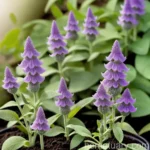
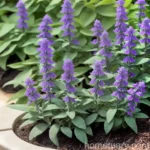
- The flowers of chia plants are small and delicate, arranged in characteristic whorls along the upright stems, adding ornamental value to the plants.
As we conclude our exploration of chia plants, it is evident that this extraordinary botanical species holds great promise in various domains, from nutrition and health to horticulture and ecological conservation. Embracing the cultural, historical, and scientific dimensions of chia (Salvia hispanica) allows us to appreciate its multifaceted significance and inspire further research and appreciation for this remarkable plant.
We hope this comprehensive guide has provided valuable insights into the world of chia plants, serving as a resource for enthusiasts, horticulturists, and botanists alike.
Links to External Resources
- Chia Seeds: Nutritional Value and Health Benefits
- Chia Cultivation and Traditional Uses
- Salvia hispanica: Ancient Crop and Modern Functional Food
- Culinary Uses of Chia Seeds
- Medicinal and Nutritional Properties of Chia
With the abundance of research and information available, we encourage you to explore these resources for a more in-depth understanding of the various aspects of chia plants and their uses.
Whether you are a gardener, health enthusiast, or environmental advocate, the captivating world of chia (Salvia hispanica) awaits your exploration and appreciation. Happy planting and learning!