Blue Honeysuckle (Lonicera Caerulea)
Plants are nature’s gift to humanity, providing sustenance, beauty, and ecological benefits. Blue honeysuckle (Lonicera caerulea) is one such remarkable.
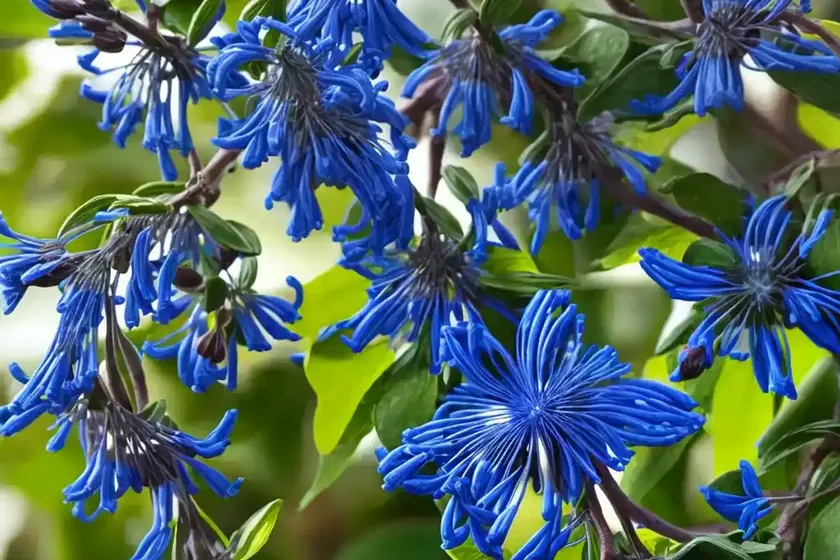
Plants are nature’s gift to humanity, providing sustenance, beauty, and ecological benefits. Blue honeysuckle (Lonicera caerulea) is one such remarkable plant that offers a range of benefits, from its culinary uses to its ornamental value. In this comprehensive guide, we will delve into the world of blue honeysuckle, exploring its attributes, growth requirements, and practical uses. Whether you are a gardening enthusiast or a professional horticulturist, this guide will equip you with the knowledge and skills to cultivate and care for this fascinating plant.
What is Blue Honeysuckle (Lonicera caerulea)?
Blue honeysuckle, scientifically known as Lonicera caerulea, is a deciduous shrub belonging to the Caprifoliaceae family. It is native to the cool temperate regions of the Northern Hemisphere, including parts of Europe, Asia, and North America. Also referred to as honeyberry or haskap, this plant is valued for its edible blueberry-like fruits and its ornamental appeal.
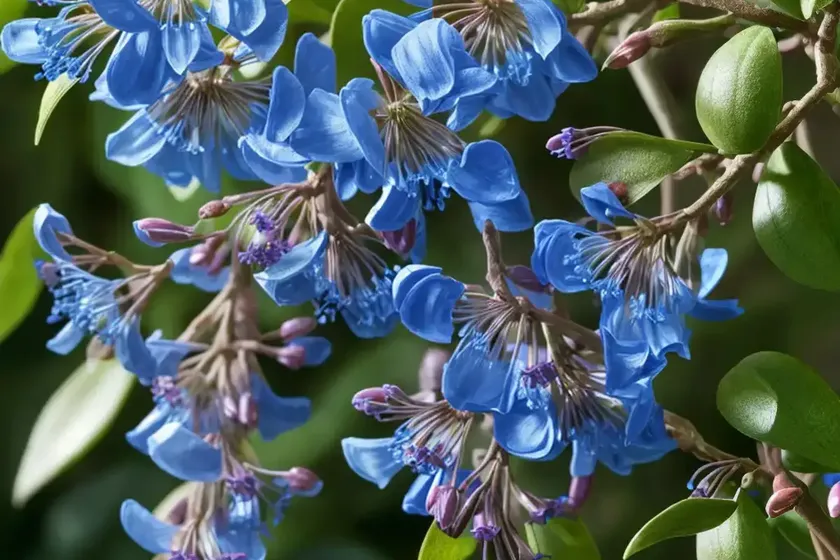
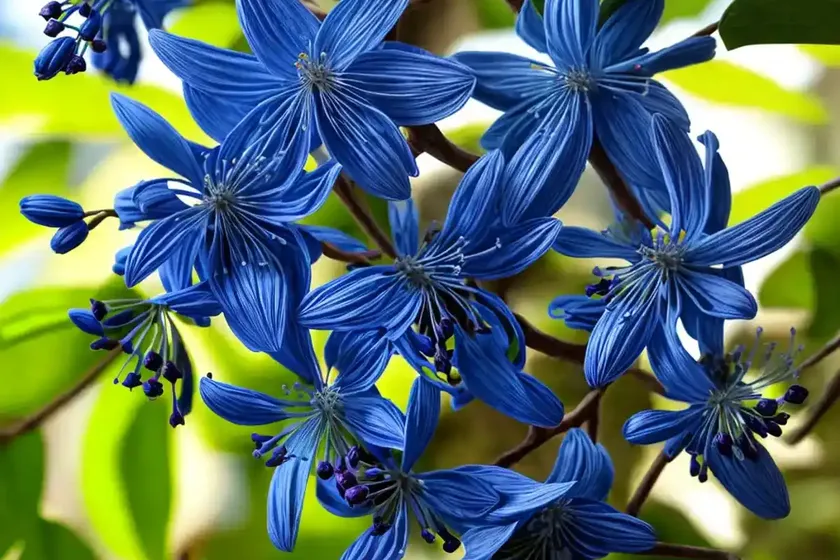
The shrub typically reaches a height of 4 to 6 feet, with a spreading, multi-stemmed growth habit. Its oval-shaped, blue-green leaves add to its aesthetic charm, while its clusters of small, bell-shaped flowers provide a source of nectar for pollinators. The fruits of blue honeysuckle are known for their sweet-tart flavor and are packed with essential nutrients and antioxidants.
The increasing interest in perennial, cold-hardy fruit crops has led to a surge in the cultivation of blue honeysuckle, making it an attractive option for home gardeners and commercial growers alike.
Key Takeaways – Blue Honeysuckle (Lonicera caerulea)
Before we embark on the journey of understanding the intricacies of blue honeysuckle care and cultivation, let’s review the key takeaways of this remarkable plant.
- Blue honeysuckle, or Lonicera caerulea, is a deciduous shrub prized for its edible fruits and ornamental features.
- It belongs to the Caprifoliaceae family and is native to the cool temperate regions of the Northern Hemisphere.
- The plant reaches a height of 4 to 6 feet, showcasing blue-green leaves and petite, bell-shaped flowers.
- Its fruits, known as honeyberries or haskaps, are rich in flavor, nutrients, and antioxidants, making them an attractive option for home consumption and commercial production.
Now that we have an overview of blue honeysuckle, let’s delve into the details of its culture, uses, and practical care requirements.
Culture
Water
Blue honeysuckle plants have moderate water needs, particularly during their active growth periods and fruit development stages. Adequate watering is essential, especially in the plant’s initial establishment phase and during dry spells.
When watering blue honeysuckle, it is crucial to ensure that the soil remains consistently moist but not waterlogged. A well-draining soil is ideal to prevent water stagnation around the plant’s roots, which can lead to root rot and other moisture-related issues.
Sunlight
In terms of sunlight requirements, blue honeysuckle thrives in full sun to partial shade. It is adaptable to a range of light conditions, making it suitable for various garden settings and climates.
In regions with scorching summers, providing partial shade during the hottest part of the day can help protect the plant from excessive heat stress. Conversely, in cooler climates, positioning the plant in full sun can optimize fruit production and overall growth.
Fertilizer
Proper fertilization is integral to the health and productivity of blue honeysuckle plants. Before planting, it is advisable to incorporate organic matter, such as compost or well-rotted manure, into the soil to enrich its fertility and structure.
During the growing season, applying a balanced, slow-release fertilizer can provide the necessary nutrients for robust growth and fruit development. A fertilizer with a formulation of 10-10-10 or similar is suitable for blue honeysuckle, ensuring a steady supply of nitrogen, phosphorus, and potassium.
Soil
Blue honeysuckle thrives in well-drained, slightly acidic soils with a pH level ranging from 5.5 to 7.0. Loamy, sandy loam, or loamy sand soils are preferred, as they offer a good balance of drainage and moisture retention.
Amending the soil with organic matter, such as peat moss or compost, can improve its texture and nutrient content, creating an optimal environment for blue honeysuckle growth.
Pruning
Pruning plays a vital role in the maintenance and productivity of blue honeysuckle plants. Proper pruning helps to manage the plant’s shape, stimulate new growth, and enhance fruit production.
The best time to prune blue honeysuckle is during the late winter or early spring while the plant is still dormant. This allows for the removal of dead or damaged branches and the shaping of the shrub before the onset of new growth.
When pruning, it is recommended to remove any crossed or overcrowded branches, as well as those that impede airflow within the canopy. Additionally, selectively thinning out older branches can encourage the development of new, fruit-bearing wood, leading to a more abundant harvest.
Propagation
Blue honeysuckle can be propagated through various methods, including seeds, cuttings, and division. Each propagation technique has its advantages and considerations, allowing growers to choose the most suitable approach based on their preferences and resources.
Seed Propagation
Propagation from seeds is a viable option for obtaining new blue honeysuckle plants, particularly for those interested in breeding and developing new varieties. However, it is important to note that seed-grown plants may exhibit variability in characteristics, requiring careful selection and evaluation.
To propagate blue honeysuckle from seeds, it is essential to collect ripe fruits and separate the seeds from the pulp. The seeds can then be stratified in a moist, refrigerated environment for a period of time to break dormancy before sowing.
Sowing the seeds in a well-prepared seedbed or containers filled with a moist, well-draining seed-starting mix can support germination. Regular monitoring of moisture levels and environmental conditions can promote successful seedling establishment.
Cutting Propagation
Propagating blue honeysuckle from cuttings offers a more predictable and expedited method of obtaining genetically identical plants. Stem cuttings can be taken from healthy, disease-free parent plants and rooted to produce new, uniform individuals.
For successful cutting propagation, it is advisable to select semi-hardwood or hardwood cuttings taken from the previous season’s growth. The cuttings should be approximately 6 to 8 inches long and include several nodes for potential root development.
After preparing the cuttings, they can be dipped in a rooting hormone to encourage the formation of roots and then placed in a well-draining rooting medium. Providing adequate humidity and warmth while monitoring for root development can lead to the successful establishment of new blue honeysuckle plants.
Division
Division is another propagation method suitable for mature blue honeysuckle plants, offering the opportunity to expand plantings and rejuvenate overcrowded clumps. This method involves the careful separation of the plant’s root mass into distinct sections, each containing viable roots and shoots.
When dividing blue honeysuckle, it is important to ensure that each division has sufficient roots and healthy growth points to support its establishment. Replanting the divided sections in prepared soil and providing optimal care can promote rapid re-establishment and subsequent growth.
Container Popularity
Blue honeysuckle’s adaptability and compact growth habit make it well-suited for container cultivation. Growing blue honeysuckle in containers offers several advantages, including the ability to control soil conditions, facilitate mobility, and optimize growing space in limited areas.
For container cultivation, it is important to select a spacious, well-draining container that allows for adequate root development and moisture management. Choosing a high-quality potting mix with good water retention and aeration properties can support the plant’s growth and productivity.
Container-grown blue honeysuckle plants should be positioned in a location that receives sufficient sunlight and airflow, promoting healthy development and fruit production. Regular watering and fertilization, along with proper pruning and maintenance, are essential for ensuring the plant’s vitality and longevity in a containerized environment.
Common Diseases
While blue honeysuckle is generally resilient, it can be susceptible to a few diseases under certain conditions. Being aware of the common diseases affecting this plant can help growers take proactive measures to prevent and manage these issues effectively.
Botrytis Blight (Gray Mold)
Botrytis blight, also known as gray mold, is a fungal disease that can affect various parts of blue honeysuckle plants, including flowers, stems, and fruits. The disease is characterized by the development of fuzzy gray mold on the affected tissues, often leading to decay and deterioration.
Preventing botrytis blight involves promoting good air circulation around the plants, maintaining proper spacing, and avoiding excessive moisture on the foliage and fruits. Removing and disposing of infected plant parts, as well as applying fungicidal sprays as needed, can help manage the disease and minimize its impact.
Powdery Mildew
Powdery mildew is a common fungal disease that can affect the foliage of blue honeysuckle, resulting in the formation of powdery white patches on the leaves. While powdery mildew is generally not detrimental to the overall health of the plant, severe infestations can lead to reduced photosynthetic activity and aesthetic damage.
To prevent powdery mildew, it is important to provide good air circulation around the plants and avoid overhead watering, which can create favorable conditions for fungal growth. Applying horticultural oils or sulfur-based fungicides as a preventive measure can also help mitigate the risk of powdery mildew development.
Leaf Spot Diseases
Several fungal pathogens can cause leaf spot diseases on blue honeysuckle, leading to the formation of circular lesions on the foliage. These diseases can result in aesthetic damage and reduced leaf functionality if left unmanaged.
Practicing good sanitation, including the removal of infected leaves and debris, can help reduce the spread of leaf spot diseases. Additionally, applying fungicidal sprays at the first signs of disease can aid in controlling the spread and impact of these fungal infections.
Disease Diagnosis
Diagnosing diseases affecting blue honeysuckle involves careful observation of the plant and its symptoms, coupled with an understanding of the common pathogens and their associated signs. By familiarizing oneself with the typical characteristics of diseases such as botrytis blight, powdery mildew, and leaf spot diseases, growers can effectively identify and address potential issues before they escalate.
Regular monitoring of the plant’s overall health, foliage appearance, and fruit development can provide early indications of disease presence. Keeping detailed records and seeking professional assistance when uncertainty arises can facilitate prompt and accurate disease diagnosis, enabling timely intervention and management.
Common Pests
While blue honeysuckle is relatively resistant to pest infestations, certain insects can pose potential threats to the plant’s health and productivity. Understanding the common pests and their behaviors is essential for implementing targeted pest management strategies and preserving the well-being of the plant.
Aphids
Aphids are small, sap-feeding insects that can gather in colonies on the tender shoots and foliage of blue honeysuckle. These pests can cause damage by depleting the plant’s sap, leading to distorted growth, yellowing leaves, and the secretion of sticky honeydew.
Controlling aphids involves adopting cultural practices, such as promoting natural predators and parasites, and using methods like spraying with insecticidal soaps or horticultural oils when necessary. Regular monitoring and early intervention can help prevent aphid populations from reaching damaging levels.
Spider Mites
Spider mites are tiny arachnids that can infest blue honeysuckle, particularly in hot, dry conditions. These pests feed on plant sap, causing stippling and discoloration on the foliage and impairing the plant’s physiological functions.
Managing spider mites includes increasing humidity levels, minimizing dust accumulation, and utilizing natural predators, such as predatory mites, to keep their populations in check. In cases of severe infestations, targeted application of miticides can help suppress spider mite populations and alleviate their impact on the plant.
Botanist’s Tips
As a plant scientist specializing in blue honeysuckle, I have gathered valuable insights and recommendations for cultivating and caring for this unique species. Here are some botanist’s tips to enhance your success with blue honeysuckle:
- Selecting the right cultivars: When choosing blue honeysuckle varieties for cultivation, consider factors such as fruit flavor, size, and ripening time to match your preferences and growing conditions.
- Pollination considerations: To ensure optimal fruit set, it is beneficial to plant more than one blue honeysuckle cultivar to facilitate cross-pollination and improve fruit yield.
- Pruning for productivity: Implementing proper pruning techniques, such as removing older wood and promoting new growth, can enhance fruit production and maintain the health of the plant.
- Monitoring soil moisture: Regularly monitoring soil moisture levels and providing adequate irrigation during dry periods can support the plant’s growth and fruit development.
By applying these botanist’s tips, you can cultivate robust and productive blue honeysuckle plants, reaping the rewards of their flavorful fruits and ornamental appeal.
Fun Facts
Blue honeysuckle is a fascinating plant with a rich history and intriguing characteristics. Let’s explore some fun facts about this remarkable species:
- Ancient origins: Blue honeysuckle has a long history of cultivation, with records of its use dating back centuries in various cultures, particularly in Russia and Japan.
- Nutritional powerhouse: The fruits of blue honeysuckle are renowned for their exceptional nutritional value, containing high levels of vitamin C, antioxidants, and beneficial phytochemicals.
- Wildlife attraction: Blue honeysuckle plants attract a variety of beneficial wildlife, including pollinators such as bees and butterflies, contributing to ecosystem diversity and health.
These fun facts showcase the cultural, nutritional, and ecological significance of blue honeysuckle, adding to its allure and appeal as a plant of interest.
Links to External Resources
To further deepen your knowledge and understanding of blue honeysuckle, I recommend exploring the following external resources:
- Growing Blue Honeysuckle in the Home Garden – University of Maine Cooperative Extension
- Haskap Production Guide – Alberta Agriculture and Forestry
- Blue Honeysuckle: A New Fruit for the Prairies – University of Saskatchewan
These resources provide authoritative information, research findings, and practical guidance on blue honeysuckle cultivation, production, and utilization, serving as valuable references for enthusiasts and professionals alike.
In conclusion, blue honeysuckle (Lonicera caerulea) is a plant of considerable value, offering a blend of edible, ornamental, and ecological benefits. By incorporating the insights and recommendations presented in this guide, you can cultivate and care for blue honeysuckle with confidence, celebrating its flavorful fruits and captivating presence in your garden or landscape.
Remember to embrace the journey of plant care and cultivation, and may your endeavors with blue honeysuckle yield abundant harvests and joyous experiences.
By Plant Scientist,