Haworthia (Haworthia)
As a plant scientist with a passion for succulents, I am thrilled to delve into the captivating realm of Haworthia plants. These remarkable succulents.
As a plant scientist with a passion for succulents, I am thrilled to delve into the captivating realm of Haworthia plants. These remarkable succulents belong to the Asphodelaceae family and are known for their striking geometrical arrangements of leaves and their low maintenance requirements. In this comprehensive guide, we will explore the various aspects of Haworthia plants, including their care, uses, propagation, and much more.
What is Haworthia (Haworthia)?
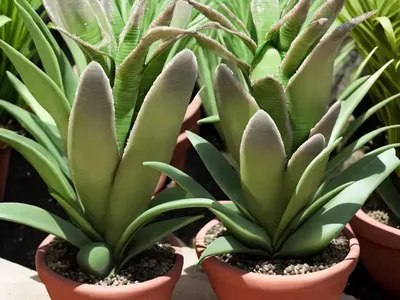
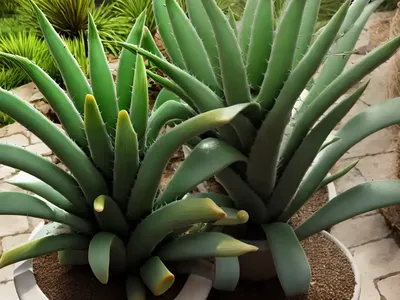
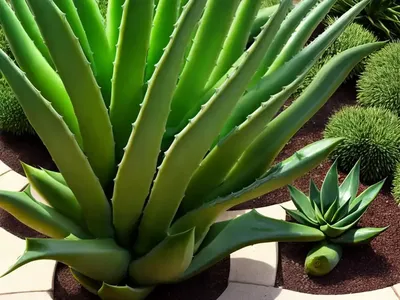
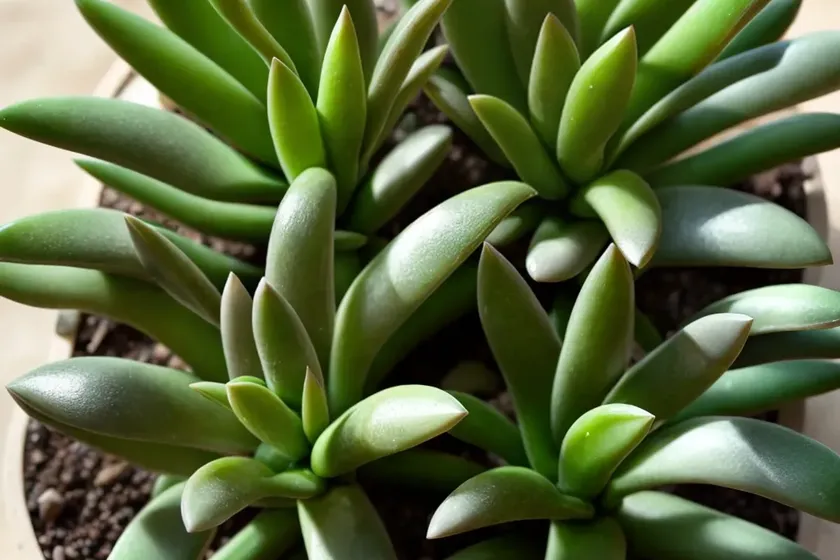
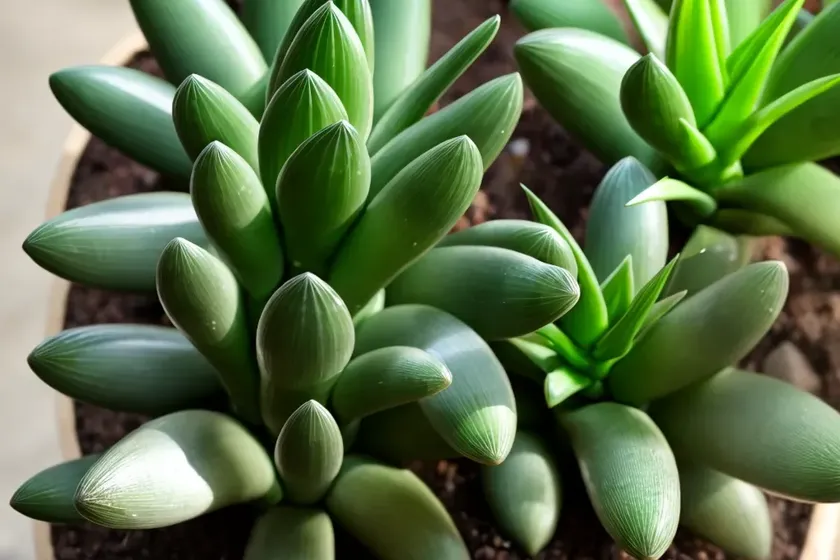
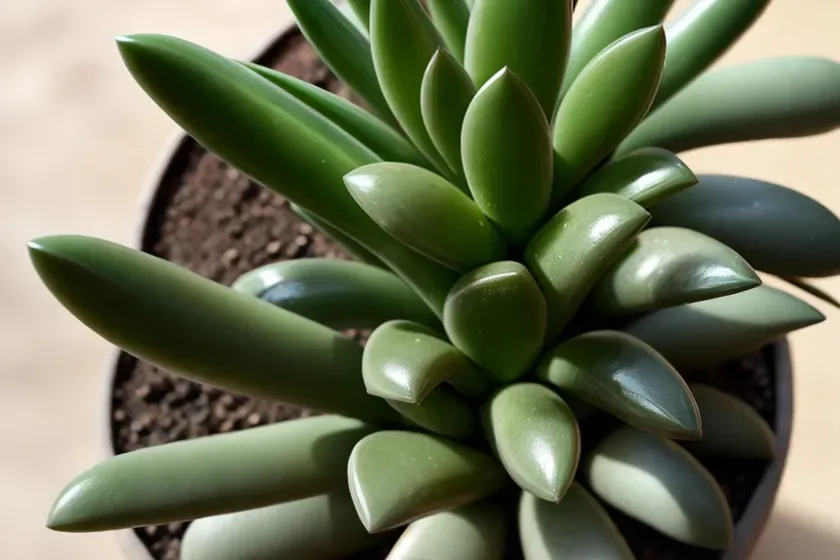
Haworthia, commonly known as “zebra cactus” or “pearl plant,” is a genus of small succulent plants native to the Eastern and Southern regions of Africa. Named after the botanist Adrian Hardy Haworth, these plants are revered for their unique appearance and adaptability. One of the distinguishing features of Haworthia plants is their rosette-shaped arrangement of thick, fleshy leaves, often adorned with intricate patterns and translucent windows that allow them to thrive in low-light conditions.
Key Takeaways: Haworthia (Haworthia)
Before we embark on our journey through the realm of Haworthia plants, let’s highlight the key takeaways that we will explore in this guide:
- Understanding the culture and origins of Haworthia plants
- Exploring the diverse uses of Haworthia in landscaping and indoor décor
- Unveiling the essential requirements for watering, sunlight, and soil to ensure the well-being of Haworthia plants
- Delving into the propagation methods and pruning techniques for Haworthia
- Identifying common diseases and pests that may affect Haworthia plants and diagnosing their symptoms
- Unearthing intriguing fun facts and botanist’s tips to enhance our appreciation of Haworthia
Now, let’s embark on a fascinating journey to unravel the secrets of Haworthia plants and gain insights into their care and cultivation.
Culture of Haworthia Plants
Origins and Native Habitats
Haworthia plants are indigenous to the arid regions of Eastern and Southern Africa, where they have evolved to thrive in semi-desert conditions. These plants are well-adapted to climates with limited rainfall, and their succulent leaves serve as reservoirs for storing water during periods of drought. Their natural habitat provides valuable insights into the optimal growing conditions that can be replicated when cultivating Haworthia plants in different environments.
In their native habitats, Haworthia plants can be found nestled among rocky outcrops or in well-drained sandy soils. The diverse species of Haworthia exhibit remarkable adaptations to their environments, ranging from the low-lying Haworthia cooperi to the towering Haworthia attenuata. Understanding their natural habitats can guide us in creating suitable growing conditions for these unique succulents.
Growth Habit and Size
The growth habit of Haworthia plants can vary widely, with some species forming compact rosettes while others develop elongated or clustered arrangements of leaves. The size of Haworthia plants also varies, with some species remaining petite and others growing to several inches in height. The unique growth habits and sizes of different Haworthia species contribute to their versatility in various landscaping and indoor décor applications.
Color Variations and Leaf Patterns
One of the most captivating aspects of Haworthia plants is the diversity of colors and leaf patterns they exhibit. From vibrant green hues to rich shades of burgundy and chocolate, Haworthia plants display a striking array of colors that accentuate their ornamental appeal. Furthermore, their leaves may feature intricate patterns, spots, or bands, adding a touch of elegance to these already captivating succulents.
Flower Description
While Haworthia plants are primarily cultivated for their stunning foliage, they also produce delicate tubular flowers that emerge on slender stalks. The flowers of Haworthia are typically white or pale pink in color and add an enchanting touch to these already alluring plants. Although the primary focus is often on their foliage, the appearance of their flowers during the blooming season is a delightful sight to behold.
Morphology and Anatomy
Understanding the morphology and anatomy of Haworthia plants provides valuable insights into their structure and growth patterns. These succulents possess specialized tissue adaptations that enable them to endure harsh environmental conditions, such as thick fleshy leaves for water storage and protective adaptations to minimize water loss through transpiration. Exploring the intricate details of their morphology allows us to appreciate the evolution and adaptations that have shaped these remarkable plants.
Haworthia Plant Care Guide
Caring for Haworthia plants involves providing a nurturing environment that aligns with their natural habitat and requirements. From water and sunlight to soil and fertilizer, each aspect of their care plays a vital role in ensuring their well-being and vibrancy. Let’s delve into the essential components of Haworthia plant care and explore the best practices to optimize their growth and longevity.
Water
Proper watering is crucial for the health and vitality of Haworthia plants, given their succulent nature and water storage adaptations. Understanding their unique water requirements and implementing a well-defined watering schedule is integral to preventing issues such as root rot or dehydration.
Haworthia Watering Schedule
Haworthia plants thrive in well-draining soil and require infrequent watering to prevent waterlogged conditions. As a general rule of thumb, it is best to allow the soil to dry out partially between watering sessions. This mimics the natural rainfall patterns in their native habitats and prevents the roots from being constantly saturated, which can lead to root rot.
During the active growing season, typically from spring to fall, Haworthia plants benefit from more regular watering. However, it is essential to ensure that excess water can freely drain from the pot to avoid water stagnation. In contrast, during the winter months or periods of dormancy, the frequency of watering should be reduced to accommodate their decreased metabolic activity.
Understanding the specific moisture needs of Haworthia plants based on the environmental conditions and seasonal changes is fundamental to maintaining their resilience and promoting healthy growth.
Sunlight Requirements
Haworthia plants display a remarkable adaptability to varied light conditions, making them well-suited for both indoor and outdoor settings. Understanding their sunlight requirements is key to optimizing their growth and enhancing the vibrancy of their foliage.
Indirect Sunlight
Haworthia plants thrive in bright, indirect sunlight, making them an ideal choice for indoor environments with filtered light. Placing them near windows or in well-lit rooms provides the necessary illumination without subjecting them to direct sunlight, which can lead to leaf scorching in some cases.
Outdoor Conditions
When grown outdoors, Haworthia plants flourish in partially shaded areas or locations with dappled sunlight. Providing protection from intense midday sun and ensuring adequate air circulation are essential for preventing stress and promoting optimal growth.
Understanding the nuances of their sunlight requirements enables us to create suitable environments for Haworthia plants to flourish, whether indoors or outdoors.
Soil Requirements
Selecting the right potting mix is critical for Haworthia plants, as it directly impacts their water retention, drainage, and nutrient availability. A well-draining, aerated medium that replicates their native soil conditions is essential for fostering healthy root development and overall plant vigor.
Haworthia Plant Potting Mix
When cultivating Haworthia plants, a well-draining potting mix specifically formulated for succulents and cacti is recommended. This type of soil blend typically comprises a combination of coarse sand, perlite, and peat moss to ensure adequate aeration and drainage. These components facilitate water movement and prevent excessive moisture retention, which is essential for preventing root rot and maintaining optimal soil conditions.
Fertilizer
While Haworthia plants are known for their minimal fertilizer requirements, providing occasional nourishment can support their growth and resilience. Understanding the principles of fertilization and the appropriate timing for feeding Haworthia plants is integral to promoting their vitality without causing adverse effects.
Minimal Fertilization
Haworthia plants benefit from a diluted, balanced fertilizer applied sparingly during the active growing season. A half-strength, water-soluble fertilizer suitable for succulents can be administered every 2-4 weeks to supplement their nutrient uptake. It is important to avoid excessive fertilization, as succulents such as Haworthia are adapted to nutrient-poor environments, and excess fertilization can lead to salt buildup and potential damage to the roots.
Pruning
Pruning Haworthia plants is generally minimal, as they maintain their compact, rosette-like form without extensive intervention. However, removing dried or wilted leaves and spent flower stalks can improve the overall appearance of the plant and prevent the spread of diseases or pests. Pruning activities should be approached with care to avoid damaging the delicate leaves and stem structure of Haworthia plants.
Haworthia Plant Propagation
Propagating Haworthia plants offers a rewarding opportunity to expand your collection and share these captivating succulents with fellow enthusiasts. Understanding the different propagation methods and the best practices for nurturing new plantlets is essential for successfully propagating Haworthia.
Offsets (Pups) Propagation
One of the most common methods for propagating Haworthia plants is by utilizing the offsets, also known as “pups,” that develop at the base of mature plants. These small, miniature versions of the parent plant can be carefully separated and transplanted into their own pots to establish new individuals. Offsets propagation is an efficient and reliable technique for generating new Haworthia plants while preserving the unique characteristics of the parent plant.
Leaf Cuttings Propagation
Another method for propagating Haworthia plants involves using leaf cuttings to initiate the growth of new plantlets. Selecting healthy, mature leaves and allowing the cut ends to callus over before planting them in a suitable propagation medium can facilitate the development of new roots and, eventually, new plants. Leaf cuttings propagation offers an alternative approach for expanding your collection of Haworthia plants and experimenting with different varieties.
Understanding the intricacies of Haworthia plant propagation allows us to explore the fascinating process of creating new plants while preserving the exceptional traits of these succulents.
Container Gardening with Haworthia Plants
The compact size and ornamental appeal of Haworthia plants make them ideal candidates for container gardening, whether indoors or outdoors. From creative displays to unique arrangements, these versatile succulents can elevate the aesthetic charm of any setting, fostering an environment of tranquility and natural beauty.
Popularity in Container Gardening
Haworthia plants have garnered widespread popularity among enthusiasts of container gardening due to their visually striking foliage and low maintenance requirements. Incorporating these succulents into container arrangements, terrariums, or miniature landscapes adds an element of sophistication and elegance, enriching the overall visual appeal of the space.
Container Selection
Selecting the right containers for Haworthia plants is an essential aspect of their successful cultivation in various settings. Opt for containers with adequate drainage holes to prevent waterlogging and promote proper air circulation around the roots. The size of the containers should accommodate the growth habits of the specific Haworthia species, allowing ample space for their root systems to develop.
Common Diseases and Pest Management
While Haworthia plants are generally resilient and low-maintenance, they are susceptible to certain diseases and pest infestations that can affect their overall health. Recognizing the symptoms of common diseases and pests, along with implementing appropriate preventive measures and treatments, is crucial for safeguarding the well-being of Haworthia plants.
Disease Diagnosis
Haworthia plants may be vulnerable to fungal infections, such as leaf spot diseases, particularly in conditions of high humidity or excessive moisture. Additionally, overwatering can lead to root rot, which manifests as yellowing, mushy roots and a decline in overall plant vigor. By closely monitoring the moisture levels and promptly addressing any signs of fungal diseases, we can mitigate the risk of these issues impacting the health of Haworthia plants.
Common Pests
In addition to diseases, Haworthia plants may face potential pest issues, including mealybugs, scale insects, and spider mites. Regularly inspecting the foliage and stems for the presence of pests and adopting preventative measures, such as using insecticidal soap or neem oil, can help control pest populations and prevent damage to the plants.
Botanist’s Tips
As we navigate the intricate realm of Haworthia plants, it is valuable to glean insights and tips from experienced botanists and horticulturists. Their expertise and observations can offer invaluable guidance for cultivating, caring for, and appreciating the inherent beauty of these captivating succulents.
Fun Facts
- Haworthia plants belong to the family Asphodelaceae, which also includes other well-known succulent genera such as Aloe and Gasteria.
- The translucent windows or “leaf windows” of Haworthia leaves allow sunlight to penetrate and reach the interior cells, aiding in photosynthesis.
- Beyond their ornamental value, some cultures believe that Haworthia plants possess medicinal properties and are used in traditional remedies for certain ailments.
Links to External Resources
To expand our knowledge and appreciation of Haworthia plants, it is beneficial to explore external resources, including botanical gardens, horticultural societies, and online forums dedicated to succulents and cacti. These sources offer a wealth of information, from species-specific details to expert insights on cultivation and maintenance.
- The Cactus and Succulent Society of America
- Royal Botanic Gardens, Kew: Succulent Plant Collection
- World of Succulents: Haworthia Species
Closing Thoughts
As we conclude our exploration of Haworthia plants, we have uncovered the fascinating attributes, care requirements, and cultural significance of these captivating succulents. From their intricate leaf patterns to their adaptable nature, Haworthia plants stand as testaments to the resilience and beauty of desert-adapted flora.
To nurture and cherish these remarkable plants is to embrace a harmonious coexistence with nature, fostering spaces of tranquility and natural elegance. Whether adorning a windowsill, enhancing a terrarium, or contributing to a dynamic garden composition, Haworthia plants inspire a sense of wonder and admiration for the bountiful diversity of the plant kingdom.
As we continue to deepen our understanding of Haworthia and other succulent treasures, let us cultivate an enduring appreciation for the splendid intricacies of these botanical marvels. Through our stewardship and admiration, we contribute to the preservation and celebration of the extraordinary world of succulents, enriching our lives and surroundings with their timeless allure.