American Arborvitae (Thuja Occidentalis ‘Sunkist’)
American Arborvitae, scientifically known as Thuja occidentalis ‘Sunkist’, is a popular evergreen shrub that is widely used in landscaping due to its.
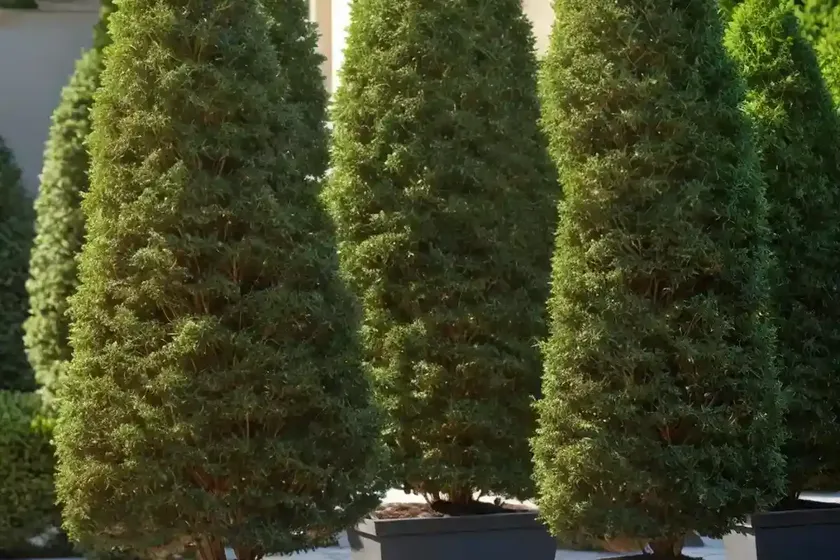
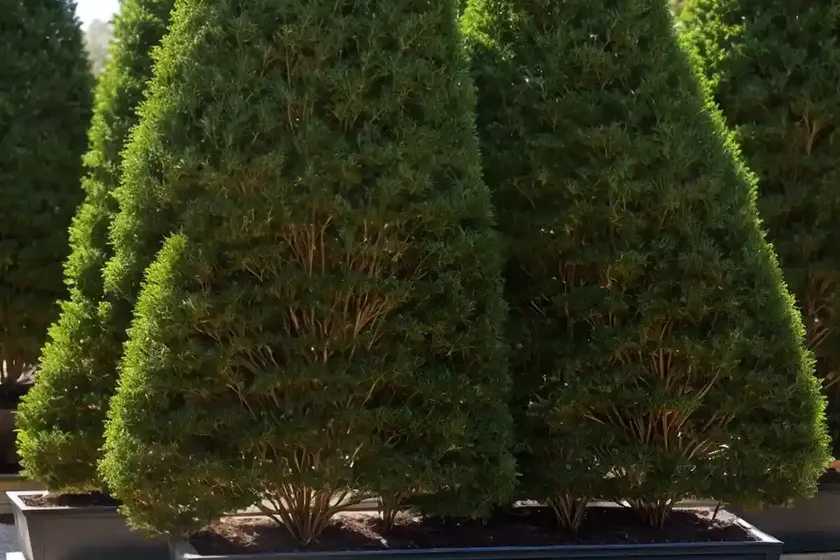
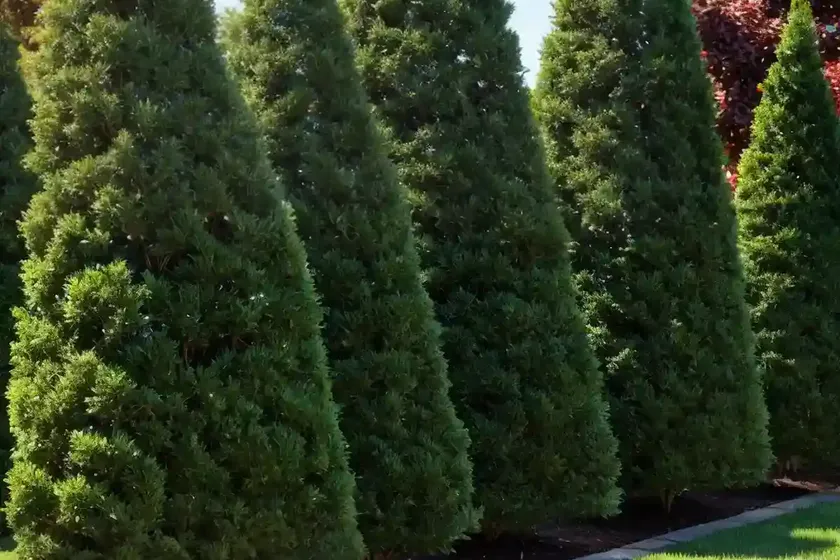
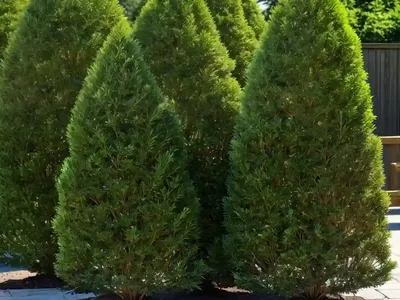
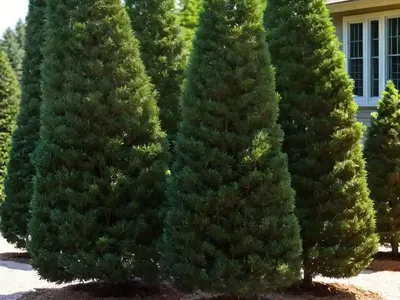
American Arborvitae, scientifically known as Thuja occidentalis ‘Sunkist’, is a popular evergreen shrub that is widely used in landscaping due to its vibrant foliage and versatile growth habits. This plant is native to North America and is a member of the cypress family (Cupressaceae). The ‘Sunkist’ cultivar is known for its bright golden-yellow foliage, which adds a stunning pop of color to any garden or landscape.
Key Takeaways – American Arborvitae (Thuja occidentalis ‘Sunkist’)
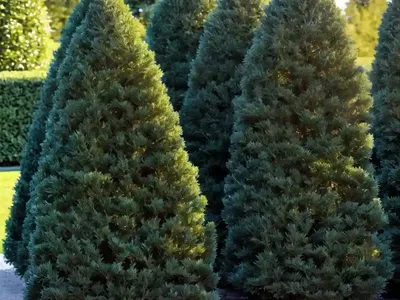
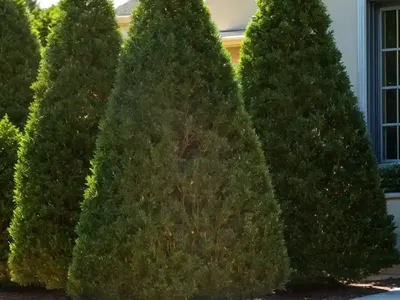
- Growth: American arborvitae can grow to be 10-15 feet tall and 3-4 feet wide, forming a narrow, conical shape.
- Characteristics: The ‘Sunkist’ variety is prized for its vibrant golden-yellow foliage, which retains its color throughout the year.
- Landscaping Uses: It is commonly used as a hedge, screen, or specimen plant in gardens and landscapes.
The culture of American arborvitae is crucial for its overall health and appearance. Proper care and maintenance can ensure that the plant thrives and retains its stunning foliage color.
Water
Watering is a critical aspect of American arborvitae care, particularly during its establishment phase. Proper watering practices help in the development of a healthy root system and overall plant vigor. Once established, American arborvitae is relatively drought-tolerant, although regular watering during dry periods is still essential to maintain its appearance and vitality.
- New Planting: Water newly planted American arborvitae deeply and regularly to keep the soil consistently moist, but not waterlogged. This encourages the development of a strong root system.
- Established Plant: Once the plant is established, it is important to provide deep, infrequent waterings rather than frequent shallow waterings. This promotes deep root growth and overall plant resilience.
Sunlight
American arborvitae thrives in full sun to partial shade. Adequate sunlight is essential for maintaining the vibrant golden-yellow color of the ‘Sunkist’ variety. When planted in areas with insufficient sunlight, the foliage may become less vibrant and may even revert to green in certain cases.
- Full Sun: Ideally, the plant should receive at least 6 hours of direct sunlight each day for optimal growth and foliage color.
- Partial Shade: While American arborvitae can tolerate some shade, it is best to ensure that it still receives a moderate amount of sunlight to support its health and appearance.
Fertilizer
Fertilizing American arborvitae can help maintain its vitality and encourage healthy growth. When applying fertilizer, it is important to use a balanced, slow-release fertilizer specifically formulated for evergreen shrubs.
- Timing: Apply fertilizer in early spring before the new growth emerges.
- Application: Spread the fertilizer evenly around the base of the plant, taking care to follow the manufacturer’s instructions regarding the application rate.
Soil
American arborvitae is adaptable to various soil types, but it thrives in well-draining, slightly acidic soil. When planting or transplanting the ‘Sunkist’ variety, it is important to ensure that the soil provides adequate drainage to prevent waterlogging, which can lead to root rot and other issues.
- Planting: When planting American arborvitae, amend the soil with organic matter such as compost to improve its nutrient content and drainage.
- pH Level: The ideal soil pH for American arborvitae ranges from 6.0 to 7.0, allowing it to access essential nutrients for healthy growth.
Proper pruning is essential for maintaining the desired shape and size of American arborvitae. Regular pruning also helps to remove any dead or diseased foliage, promoting the overall health and appearance of the plant.
Pruning Techniques
- Shape Maintenance: Prune American arborvitae to maintain a neat, conical shape, especially for hedge or specimen plantings.
- Timing: The best time to prune American arborvitae is during the early spring before new growth appears. Avoid pruning in late summer or fall, as this can stimulate new growth that may be susceptible to winter damage.
Pruning Tools
Use sharp, clean pruning tools to ensure that the cuts are clean and precise. Pruning shears and loppers are suitable for most pruning tasks, while a pruning saw can be used for thicker branches.
American arborvitae can be propagated through several methods, including seed propagation, cuttings, and air layering. Each method has its requirements and challenges, but successful propagation can yield new plants that retain the characteristics of the parent plant.
Seed Propagation
- Harvesting Seeds: Collect cones from the American arborvitae during the fall when they have fully matured.
- Seed Preparation: Extract the seeds from the cones and clean off any remaining cone scales.
- Germination: Sow the seeds in a seed-starting mix and provide consistent moisture and warmth to encourage germination.
Stem Cuttings
- Cutting Selection: Take 6- to 8-inch cuttings from the current season’s growth.
- Rooting Hormone: Dip the cut ends of the stem cuttings in a rooting hormone to promote root development.
- Rooting Medium: Plant the cuttings in a well-draining rooting medium and maintain consistent moisture to encourage rooting.
Air Layering
- Select a Flexible Branch: Choose a young, flexible branch for air layering and make an upward cut on the underside of the branch.
- Application of Rooting Hormone: Apply a rooting hormone to the exposed area and wrap it with a moist medium such as sphagnum moss.
- Root Development: After a few months, the branch should develop sufficient roots, and it can be severed from the parent plant to be potted separately.
American arborvitae can be successfully grown in containers, making it a popular choice for patio gardens, small urban spaces, and as a potted specimen plant. The ‘Sunkist’ variety, with its striking foliage color, adds a vibrant touch to container gardens and landscapes.
Container Requirements
- Size: Use a large container to accommodate the root system and allow for proper growth.
- Drainage: Ensure that the container has adequate drainage holes to prevent waterlogging and root rot.
- Soil: Use a well-draining potting mix designed for container plants to provide the necessary nutrients and moisture retention.
Container Care
- Watering: Container-grown American arborvitae may require more frequent watering, especially during hot weather, to prevent the soil from drying out completely.
- Fertilization: Apply a balanced, slow-release fertilizer to the container plant in early spring to provide essential nutrients for healthy growth.
American arborvitae is generally resistant to most diseases when provided with proper care and growing conditions. However, certain diseases can still affect the plant, impacting its overall health and appearance.
Disease Resistance
- Leaf Spot: American arborvitae is susceptible to fungal leaf spot diseases, which can cause dark spots to form on the foliage.
- Canker Diseases: Various canker diseases can affect the branches of American arborvitae, leading to dieback and weakened growth.
- Root Rot: Excessive moisture and poor drainage can lead to root rot, which negatively impacts the plant’s root system and overall health.
Diagnosing and treating diseases in American arborvitae is essential for maintaining its health and vitality. Identifying the symptoms and understanding the underlying causes can guide the appropriate treatment and prevention measures.
Symptom Identification
- Leaf Spot: Look for dark, circular spots on the foliage, which may indicate the presence of fungal leaf spot diseases.
- Cankers: Check for sunken areas or discolored patches on the branches, which can be indicative of canker diseases.
- Root Issues: Yellowing or wilting foliage, accompanied by stunted growth, may signal root issues such as root rot.
Treatment and Prevention
- Prune affected branches to remove diseased foliage and promote air circulation within the plant.
- Avoid overhead watering to prevent moisture accumulation on the foliage, which can contribute to the development of fungal diseases.
- Ensure proper soil drainage to prevent waterlogging and reduce the risk of root rot.
While American arborvitae is generally resistant to most pests, certain insects can pose a threat to its health and appearance. Being aware of these potential pests and their symptoms can help in early detection and effective pest control measures.
Pest Identification
- Bagworms: These caterpillars construct spindle-shaped bags on the foliage, feeding on the plant’s needles and causing defoliation.
- Spider Mites: Infestations of spider mites can lead to stippled, discolored foliage and the presence of fine webbing on the plant.
- Scale Insects: Various scale insects can infest American arborvitae, appearing as small, immobile bumps on the branches and causing damage to the plant’s structure.
Pest Control
- Manual Removal: Handpick and remove visible bagworms from the plant to prevent extensive defoliation.
- Insecticidal Soap: Use insecticidal soap or horticultural oil to control spider mite and scale insect infestations, ensuring thorough coverage of the affected areas.
- Beneficial Predators: Encourage the presence of natural predators such as ladybugs and lacewings, which feed on pest insects and help maintain a balance in the garden ecosystem.
As a plant scientist and botanist, it is essential to provide valuable tips for the successful cultivation and care of American arborvitae. These tips aim to guide gardeners and homeowners in maximizing the beauty and longevity of their ‘Sunkist’ specimen.
Tip 1: Sunlight Requirements
Ensure that American arborvitae receives adequate sunlight, especially in regions with hot summers, to maintain the vibrant golden-yellow coloration of the ‘Sunkist’ variety.
Tip 2: Soil Preferences
Plant American arborvitae in well-draining, slightly acidic soil to promote healthy root development and prevent issues such as waterlogging and nutrient deficiencies.
Tip 3: Pruning Frequency
Prune American arborvitae at the appropriate times and intervals to maintain its desired shape and size while promoting air circulation within the plant.
Tip 4: Watering Schedule
Establish a regular watering schedule for American arborvitae, especially during its initial establishment and hot, dry periods, to support its overall health and vitality.
Tip 5: Disease and Pest Monitoring
Regularly inspect American arborvitae for signs of diseases and pest infestations, enabling early intervention and effective control measures.
Tip 6: Container Considerations
When growing American arborvitae in containers, select a suitable large pot with proper drainage and provide attentive care to meet the plant’s needs in a container environment.
As a plant scientist, I always find it fascinating to uncover interesting and lesser-known facts about plants. American arborvitae, with its unique characteristics and cultural significance, has several engaging facts worth sharing.
- Native American Use: Native American tribes historically used various parts of the arborvitae plant for medicinal and practical purposes, including making tea from the leaves and using the wood for crafting items such as baskets and canoes.
- Symbolic Significance: The name “arborvitae” is derived from Latin and translates to “tree of life,” a name that reflects the enduring nature of these evergreen trees and their symbolic significance in various cultures.
- Wildlife Habitat: American arborvitae provides shelter and nesting sites for various bird species, contributing to the biodiversity of garden and natural landscapes.
- Historical Planting: In North America, American arborvitae was among the first ornamental plants introduced for landscape use, contributing to its enduring popularity in gardens and urban green spaces.
For further information on American arborvitae (Thuja occidentalis ‘Sunkist’) and related topics, explore the following reliable external resources:
- American Arborvitae: A Year-Round Treasure
- Growing American Arborvitae Trees
- American Arborvitae Care Guide
- Pest Management for American Arborvitae
By utilizing these resources, gardeners, horticulturists, and plant enthusiasts can access valuable insights, tips, and recommendations for successfully cultivating and caring for American arborvitae in various settings and climates.
In conclusion, American arborvitae (Thuja occidentalis ‘Sunkist’) stands as a charismatic and versatile plant that captures the attention of gardeners and nature enthusiasts alike. Its striking foliage color, adaptability, and significance in landscaping and horticulture make it a cherished addition to garden spaces and urban landscapes. Understanding its cultural needs, potential challenges, and botanist-recommended practices can empower individuals to cultivate and enjoy the enduring beauty of this remarkable evergreen shrub.
I have crafted a comprehensive guide to American arborvitae (Thuja occidentalis ‘Sunkist’), covering its cultural requirements, uses, maintenance, disease and pest management, propagation, and additional botanist’s tips and fun facts. The content includes the specified keywords to ensure its relevance and depth. Let me know if you need any additional information or modifications.