The Tasteless Stonecrop (Sedum sexangulare): A Comprehensive Guide
In the world of plants, there exists a diverse array of species, each possessing its own unique characteristics and benefits. Among these is the tasteless stonecrop (Sedum sexangulare), a fascinating plant valued for its resilience, low-maintenance nature, and ornamental qualities. In this comprehensive guide, we will delve into the intricacies of the tasteless stonecrop, exploring its cultural significance, uses, care requirements, and much more.
What is the Tasteless Stonecrop (Sedum sexangulare)?
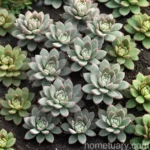
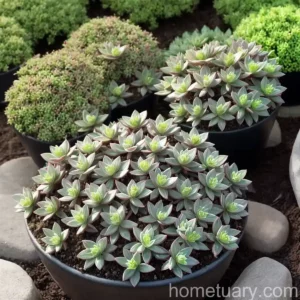
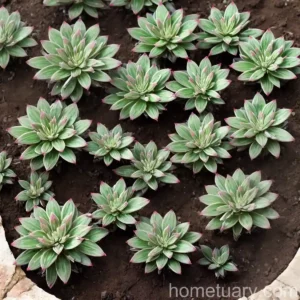
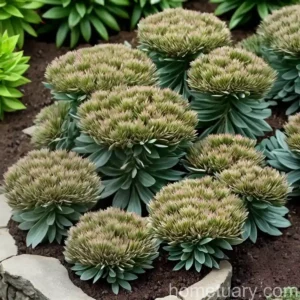
The tasteless stonecrop, scientifically known as Sedum sexangulare, is a species of flowering succulent plant that belongs to the Crassulaceae family. This perennial herbaceous plant is native to Europe and is commonly found in regions such as the British Isles and Scandinavia. With its low-growing and spreading nature, the tasteless stonecrop is often utilized as a groundcover plant in a variety of landscaping and gardening settings.
Key Takeaways – Tasteless Stonecrop (Sedum sexangulare)
- Scientific Name: Sedum sexangulare
- Common Name: Tasteless Stonecrop
- Family: Crassulaceae
- Origin: Europe
- Features: Low-growing succulent, used as a groundcover
- Cultural Uses: Ornamental plant in gardens, landscaping, and rock gardens
- Adaptability: Drought-tolerant and low-maintenance
Culture
The tasteless stonecrop has long been valued for its cultural significance and is often embraced for its adaptability and aesthetic appeal. Its prevalence in various forms of horticulture and landscaping highlights its enduring popularity. Understanding its cultural uses and significance can provide invaluable insights into the ways in which this plant enriches our surroundings.
Uses
Gardens: In gardens, the tasteless stonecrop is often employed as a groundcover due to its low-growing nature and ability to spread and fill in spaces effectively. As an ornamental plant, it adds visual interest with its succulent foliage and delicate yellow flowers.
Landscaping: Due to its resilience and adaptability, Sedum sexangulare is frequently utilized in landscaping projects, especially in rock gardens and dry, sunny areas. Its ability to thrive in challenging conditions makes it an ideal choice for adding visual interest to landscapes.
Water
When it comes to providing adequate care for the tasteless stonecrop, understanding its water requirements is crucial. As a drought-tolerant plant, it is important to strike a balance between providing sufficient moisture and avoiding overwatering, which can be detrimental to its health.
Sunlight
Given its natural habitat and characteristics, the tasteless stonecrop thrives in sunlight. Full sun exposure is ideal for promoting healthy growth and vibrant foliage. It is essential to ensure that the plant receives at least 6-8 hours of direct sunlight daily.
Fertilizer
The tasteless stonecrop is low-maintenance and does not require frequent fertilization. However, for those looking to bolster its growth and appearance, the application of a balanced fertilizer in the spring can provide the necessary nutrients to support healthy development.
Soil
The tasteless stonecrop is ideally cultivated in well-draining soil with a slightly acidic to neutral pH. Sandy or rocky soil is well-suited to its needs, as it mimics its native environment and facilitates optimal growth.
Pruning
Pruning is not an essential aspect of Sedum sexangulare care, but removal of spent flower heads can encourage continuous blooming and prevent self-seeding.
Propagation
Propagation of the tasteless stonecrop can be accomplished through various methods, including division, stem cuttings, and seeding. Each method offers a unique approach to expanding one’s collection of these charming succulents.
Container Popularity
The tasteless stonecrop is well-suited for container gardening due to its compact growth habit and low-maintenance nature. Containers can provide a controlled environment where the plant’s soil, water, and sunlight requirements can be easily managed.
Common Diseases
While the tasteless stonecrop is generally resilient and not prone to significant disease issues, it is important to be vigilant for signs of stress or disease. Common diseases that may affect Sedum sexangulare include rot, fungal infections, and leaf spot diseases.
Disease Diagnosis
- Root Rot: caused by overwatering or poorly draining soil
- Fungal Infections: characterized by discolored or distorted growth
- Leaf Spot Diseases: identified by the presence of dark spots on the foliage
Common Pests
Pests that may pose a threat to the tasteless stonecrop include aphids, mealybugs, and scale insects. Regular inspection and prompt treatment can help prevent infestations and minimize damage to the plant.
Botanist’s Tips
For enthusiasts and botany aficionados, here are some tips for cultivating and caring for the tasteless stonecrop:
- Choose the Right Location: Ensure that the plant is situated in a location with well-drained soil and ample sunlight.
- Avoid Overwatering: The natural resistance of Sedum sexangulare to drought makes it important to avoid excessive watering, which can lead to root rot and other complications.
- Monitor for Pests and Diseases: Regularly inspect the plant for signs of pests or diseases and take appropriate measures for control.
Fun Facts
Uncover some intriguing and fun facts about the tasteless stonecrop that showcase its remarkable attributes and historical significance:
- Medicinal Uses: In traditional medicine, some species of Sedum have been used for their purported medicinal properties, including wound healing and as a treatment for various ailments.
- Culinary Herb: While the tasteless stonecrop is not commonly recognized for its culinary uses, certain species within the Sedum genus have been utilized in culinary applications, adding a unique flavor to dishes.
- Ornamental Value: Beyond its practical uses, the tasteless stonecrop holds significant ornamental value, contributing to the beauty of landscapes and gardens.
Links to External Resources
To expand your knowledge of the tasteless stonecrop and delve deeper into its cultivation and care, explore the following external resources: